







The Scope of the Android 17 QPR3 Beta 3 Rollout
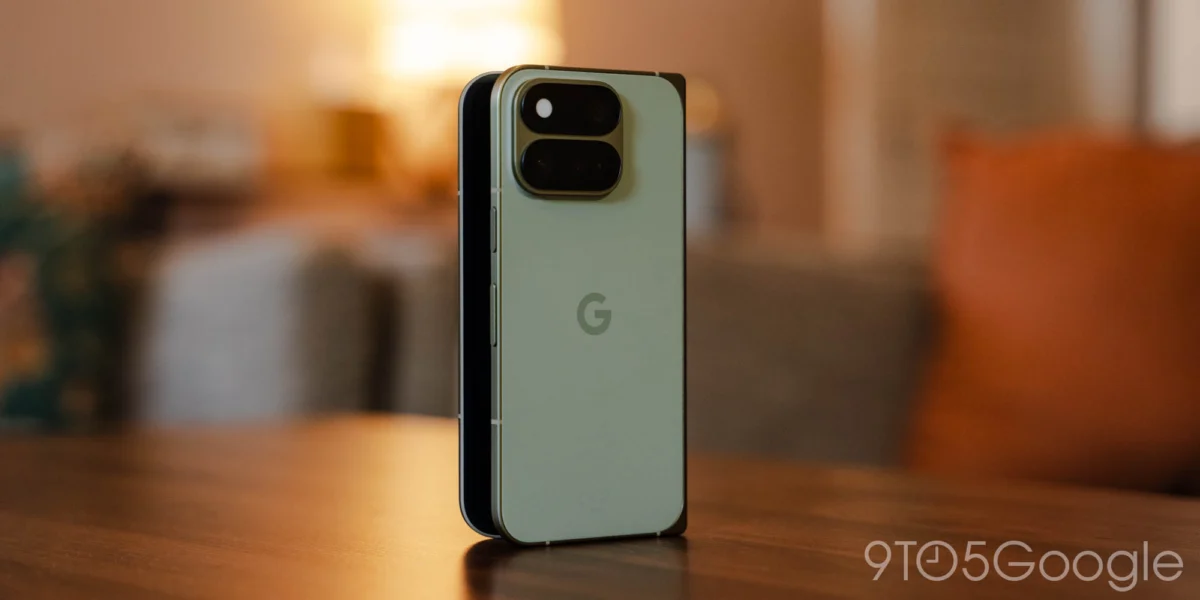
The deployment of Android 17 QPR3 Beta 3 is one of the most expansive in recent history, reflecting the sheer scale of Google’s current hardware lineup. The update encompasses a vast array of devices, including the Pixel 6a, Pixel 7 and 7 Pro, Pixel 7a, the Pixel Tablet, the original Pixel Fold, the Pixel 8 and 8 Pro, the Pixel 8a, the Pixel 9 series (including the 9 Pro, 9 Pro XL, and 9 Pro Fold), the Pixel 9a, the Pixel 10 lineup, and the newly integrated Pixel 11 series including the 11 Pro, 11 Pro XL, and 11 Pro Fold.
This beta release is part of the Quarterly Platform Release (QPR) program, which serves as a testing ground for features that will eventually be packaged into the standard Android security and feature drop updates. For developers and enthusiasts, this cycle is vital as it provides a preview of the refined system architecture that will define the user experience for millions of Pixel owners in the coming months.
Key Functional Restorations and New Features
Beta 3 introduces several notable changes that signal a shift in Google’s UI philosophy for Android 17. Among the most prominent additions is the return of the lockscreen blur effect. This visual element, which provides a sophisticated, frosted-glass appearance when the device is locked, had been previously deprecated in earlier builds due to performance concerns. Its return suggests that Google has optimized the rendering pipeline sufficiently to maintain high frame rates while keeping the aesthetic polish that users have long associated with the Pixel’s design language.

Furthermore, the introduction of a dedicated Camera Quick Settings tile represents a significant quality-of-life improvement. By allowing users to toggle specific camera settings or launch directly into specific modes via the Quick Settings shade, Google is reducing the friction associated with capturing spontaneous moments. This is particularly relevant for the high-end hardware found in the Pixel 11 Pro and 11 Pro Fold, where the advanced camera sensors and computational photography pipelines benefit from faster, more direct access.
Perhaps the most anticipated return is the "App Lock" functionality. Security remains a top priority for the Android ecosystem, and the reintroduction of native app locking allows users to secure individual applications behind biometric authentication or PINs. This feature, which had previously been relegated to third-party tools or device-specific "Secure Folder" implementations, is now being standardized at the OS level, offering a more robust privacy posture for users who share their devices or wish to add an extra layer of protection to sensitive data.
Chronology of the Android 17 Development Cycle
The path to QPR3 Beta 3 has been marked by a rigorous testing schedule. The Android 17 project began with early developer previews aimed at stabilizing the core underlying APIs. As the year progressed, Google moved into the QPR phase to address feedback regarding the initial performance of Android 17 on the Pixel 9 and 10 architectures.
- Initial Beta Phase: Focused on foundational API stability and basic system compatibility.
- QPR1 & QPR2: These cycles were primarily concerned with squashing bugs related to the new Tensor-based hardware integrations and refining the Material You design language.
- QPR3 Beta 1 & 2: Introduced iterative performance patches and initial UI tweaks that laid the groundwork for the more substantial changes seen in the current build.
- Beta 3 Current Status: This release represents the "feature complete" stage of the QPR3 cycle, where the focus shifts entirely to final bug squashing and battery life optimization before the public release.
Technical Implications and System Stability
The architectural complexity of supporting a range of devices from the legacy Pixel 6a to the cutting-edge Pixel 11 Pro Fold cannot be overstated. Each device class operates on different versions of the Tensor processing unit, requiring Google to maintain a highly modular software stack. The bugs addressed in this beta are reportedly centered on memory management and thermal throttling—two areas that have historically been pressure points for the Pixel series.

By utilizing the QPR program, Google is able to harvest telemetry data from a diverse user base, allowing engineers to identify "jank" in the UI and inconsistencies in background task scheduling. For the average user, these under-the-hood improvements translate to smoother scrolling, improved standby battery performance, and fewer instances of background processes being prematurely terminated.
Broader Impact on the Android Ecosystem
The updates provided in Android 17 QPR3 Beta 3 serve as a bellwether for the rest of the Android ecosystem. Manufacturers like Samsung, OnePlus, and Xiaomi often look to Google’s implementation of features like App Lock and system-wide blur effects as a reference for their own custom skins. By standardizing these features within the Android Open Source Project (AOSP) and the Pixel-specific builds, Google is effectively raising the baseline of what consumers should expect from a modern smartphone operating system.
The emphasis on security-centric features like app locking also aligns with broader industry trends toward data sovereignty and user privacy. As smartphones become the primary digital vault for personal and financial information, the OS-level integration of these features is not merely a convenience—it is a competitive necessity.
Official Guidance and User Participation
Google continues to encourage user participation through the Android Beta Feedback app. This feedback loop is essential for the refinement of the QPR3 build. The company has maintained a transparent documentation process, providing a comprehensive guide for users to flash these images onto their devices.

For those considering the transition to the Beta track, it is important to acknowledge that while Beta 3 is significantly more stable than its predecessors, it is still pre-release software. Users may encounter localized issues with specific third-party applications that have not yet been updated to target the final Android 17 APIs. However, for those invested in the Pixel ecosystem, the current build offers the most refined look at the future of the operating system to date.
Conclusion and Future Outlook
Android 17 QPR3 Beta 3 is a testament to the iterative nature of mobile software development. By balancing the restoration of legacy features like lockscreen blur and App Lock with the introduction of functional tools like the Camera Quick Settings tile, Google is demonstrating a commitment to user-driven design.
As the testing period concludes, the industry will watch closely to see how these changes perform on the massive, high-resolution screens of the Pixel 11 Pro Fold and the computational powerhouses that are the Pixel 11 Pro XL models. If the current trajectory holds, the final release of this quarterly update will provide a substantial boost in stability and utility for the entire Pixel family, solidifying Google’s position as a leader in delivering a sophisticated, highly optimized Android experience. Users are encouraged to monitor the official Android developer portals for further updates and final release dates, which are expected to be announced in the coming weeks.