










Amazon has officially unveiled its latest generation of smart home hardware, rolling out an extensive portfolio designed to deepen the integration of artificial intelligence into everyday domestic life. Announced at the close of the fall product cycle—colloquially known in the technology sector as "Techtober"—the new lineup includes four reimagined Echo devices and an entirely new product category: the Alexa Photo Frame. This autumn hardware refresh emphasizes localized AI processing, enhanced audio fidelity, advanced computer vision, and refined ambient computing integration across Amazon’s ecosystem.
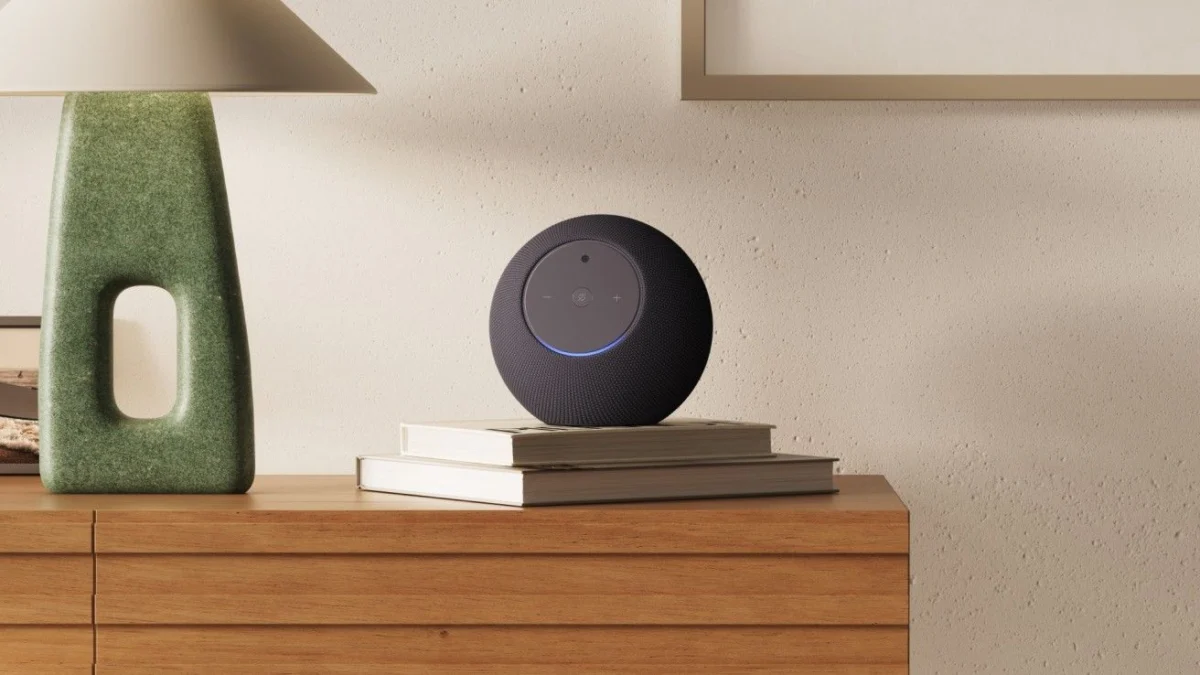
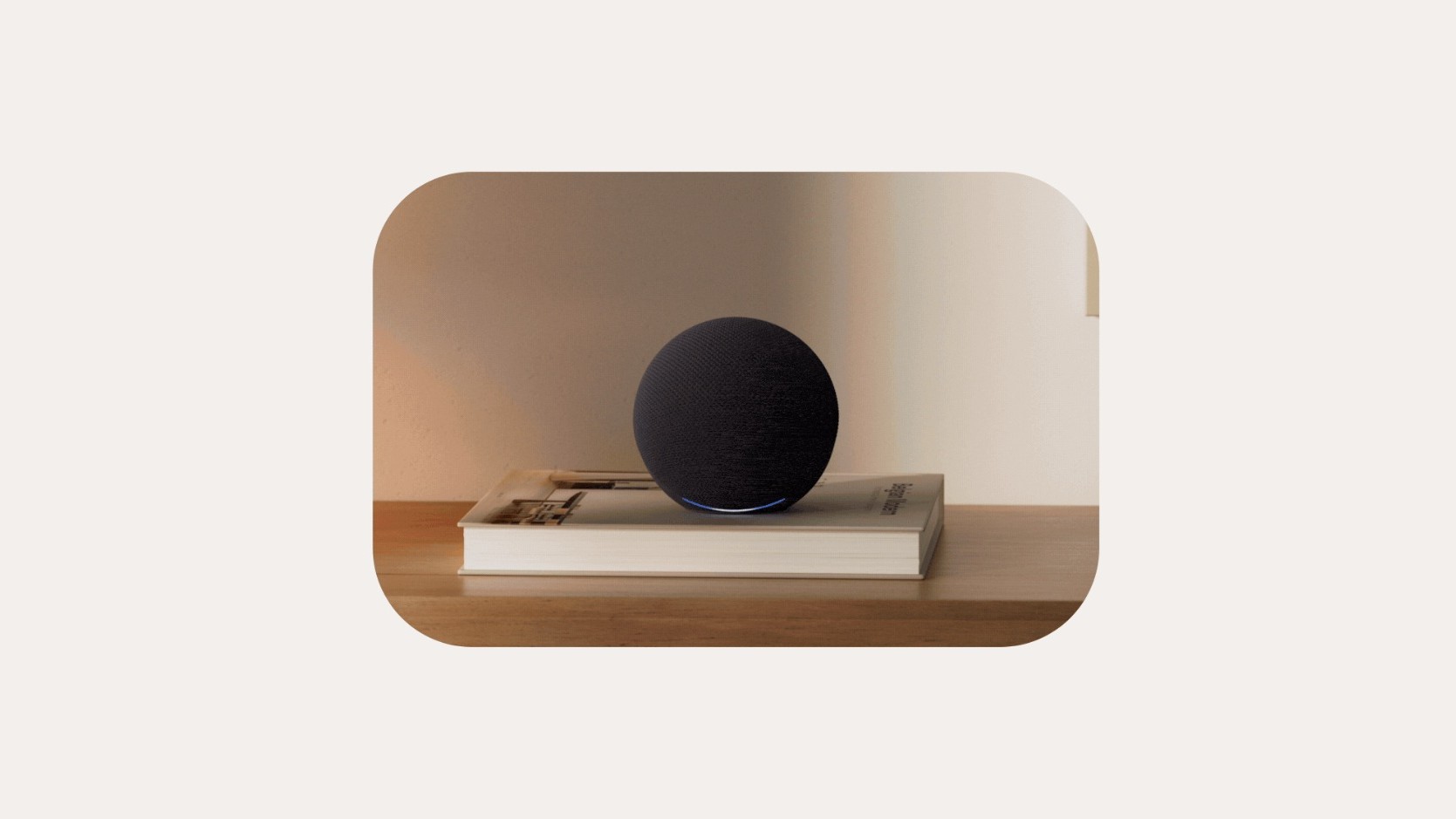
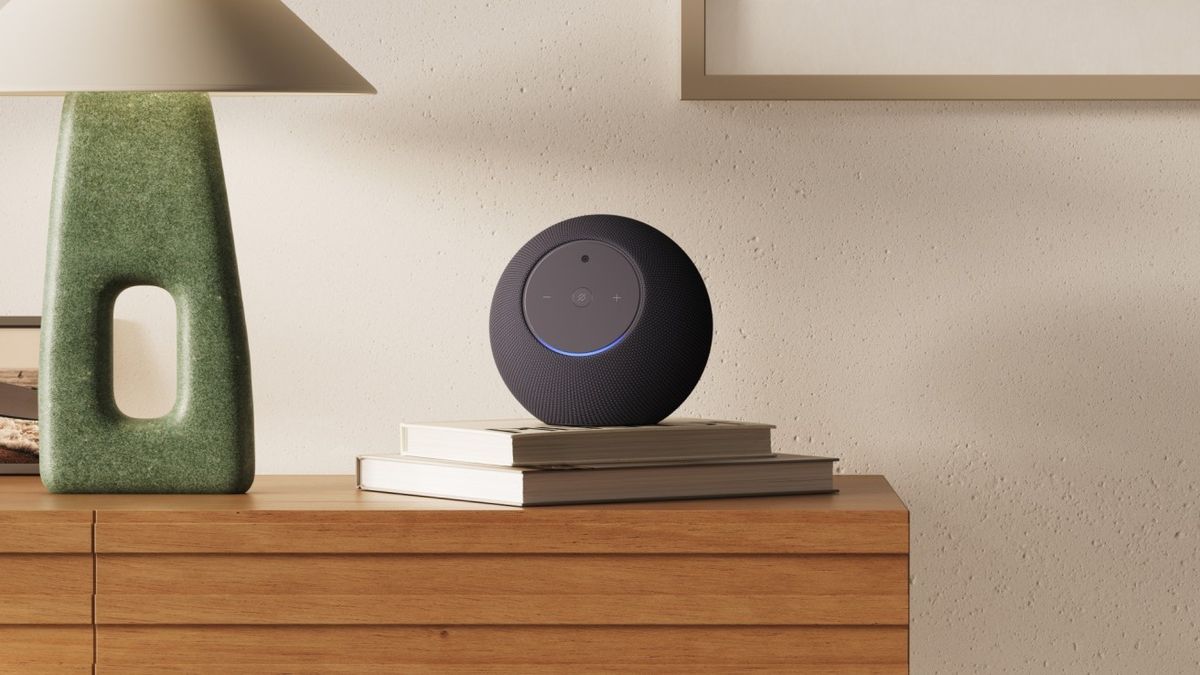
The centerpiece of this year’s announcements is the 2026 iteration of the Echo Dot, a staple of consumer smart speakers that now features a built-in smart home hub for the first time. By embedding the hub directly into the hardware, Amazon aims to streamline the onboarding and management of thousands of compatible third-party devices, ranging from smart locks and lighting systems to environmental sensors. Powered by a newly integrated AI Accelerator, the new Echo Dot promises significantly faster response times and localized processing improvements for Alexa commands. Alongside its computational upgrades, the device has been acoustically re-engineered to deliver 50 percent more bass and crisper vocal clarity, catering to consumers who utilize the smart speaker for music and audiobook playback. The standard Echo Dot is available immediately at a retail price of $99, while the dedicated Kids Echo Dot is priced at $109 and includes a one-year subscription to Amazon Plus.
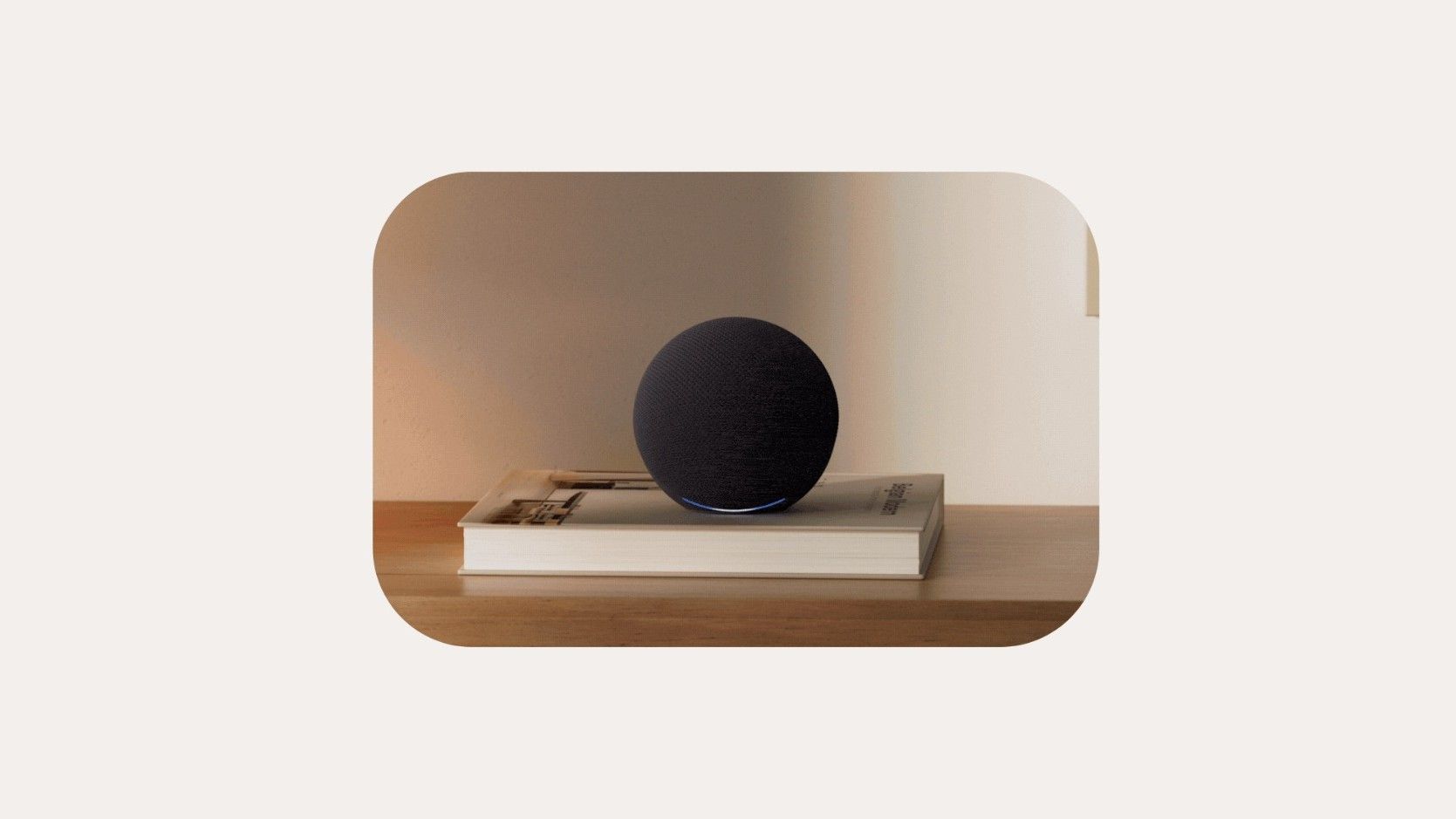
Building upon the audio performance and computational capability of its predecessor, the 2026 Echo Studio introduces significant visual and environmental awareness capabilities. Retaining the cylindrical aesthetic of the 2025 model, the new Echo Studio integrates an onboard "House Camera," granting the device a localized visual field to better interpret domestic activity and enhance Alexa’s contextual awareness. Users can securely check in on their residences remotely through the Echo Studio camera feed. Audiophile specifications remain a primary focus, featuring a high-excursion woofer, Dolby Atmos support, and Advanced Room Adaptation to calibrate sound profiles based on room geometry. Shipping today at a starting price of $249, the Echo Studio is slated to receive a firmware update in the near future that will introduce Fire TV support, enabling direct video calling functionality through the speaker.
The alarm clock category has similarly received a major technological update with the introduction of the new Echo Time, which incorporates Amazon’s proprietary Omnisense sleep-sensing technology. Designed to function as an intelligent bedside companion, the device monitors sleep patterns to detect lighter sleep cycles and dynamically adjust wake-up alarms within a 10-to-60-minute window of the scheduled time. The Echo Time features a customizable digital clock face that supports both classic analog and minimalist modern layouts. The standard Echo Time is priced at $199, with a corresponding Kids Echo Time model available for $209, inclusive of a one-year Kids Plus membership.
At the premium end of the display category, Amazon introduced the Echo Show 16, marketed as the company’s most powerful smart display to date. Approximately 40 percent thinner than previous generations, the device features a expansive 16-inch high-definition screen, with a specialized Nanomatte variant designed to diffuse sunlight and minimize glare. The software interface has been updated with "Screen Styles," transforming the display into a customizable family organizer, meal planner, or digital photo gallery. Furthermore, the Echo Show 16 incorporates the new Alexa Home Map, a visual dashboard that maps connected smart home appliances to a digital layout of the user’s floor plan. Enhanced camera hardware featuring a wider field of view and auto-framing capabilities complements the built-in Fire TV integration. The Echo Show 16 is currently available for pre-order at $499.99 for the standard model and $599 for the Nanomatte version, with promotional introductory discounts of $100 offered during the initial pre-order window.
Venturing beyond traditional smart displays and speakers, Amazon has broadened its lifestyle hardware segment with the introduction of the 10-inch Alexa Photo Frame. Positioned as a digital canvas for domestic memories, the frame integrates Alexa AI to curate and synchronize images directly from a user’s Amazon Photos account. Rather than displaying raw uploads or unintended screenshots, the device utilizes automated curation algorithms to surface images featuring subjects smiling and engaging with one another. The Alexa Photo Frame is available in a standard black finish for $199.99, while premium architectural options featuring genuine Birch and Walnut wood frames start at $229.00.
Industry Background and Strategic Implications
Amazon’s late-October hardware reveal reflects a broader industry trend among major technology conglomerates seeking to solidify their positions within the ambient computing and smart home sectors ahead of the critical year-end holiday shopping season. Over the past decade, the smart home market has evolved from rudimentary voice-activated assistants controlling isolated connected devices into complex, AI-driven ecosystems capable of predictive automation, security monitoring, and localized biometric sensing.
The inclusion of localized AI accelerators across Amazon’s new device lineup points to a strategic shift away from purely cloud-dependent processing toward edge computing. By handling more computational workloads directly on the device—such as faster voice command interpretation and immediate smart home routing—Amazon aims to reduce latency, improve system reliability, and address growing consumer sensitivities regarding data privacy.
Furthermore, the introduction of visual sensors in devices like the Echo Studio and the redesigned Echo Show 16 underscores the convergence of smart speakers, home security cameras, and entertainment hubs. While multi-purpose hardware offers consumers consolidated utility and reduced counter clutter, it also raises important questions regarding domestic privacy, data governance, and the physical security of connected household hardware. As regulatory scrutiny surrounding connected home devices intensifies globally, manufacturers face mounting pressure to ensure robust end-to-end encryption and transparent user controls over camera and microphone feeds.
Market analysts note that Amazon’s aggressive pricing strategy and tiered offerings—ranging from entry-level voice assistants to premium architectural displays—demonstrate an effort to capture market share across diverse demographic segments. By bundling services such as Amazon Plus and Kids Plus with specific hardware tiers, the company continues to leverage its hardware ecosystem as a primary gateway for recurring subscription revenue.
As these devices begin shipping and reaching consumers, their commercial success will likely depend on real-world reliability, the seamless interoperability of the new built-in smart home hubs with third-party ecosystems, and the practical utility of generative and localized AI enhancements in daily routines.