







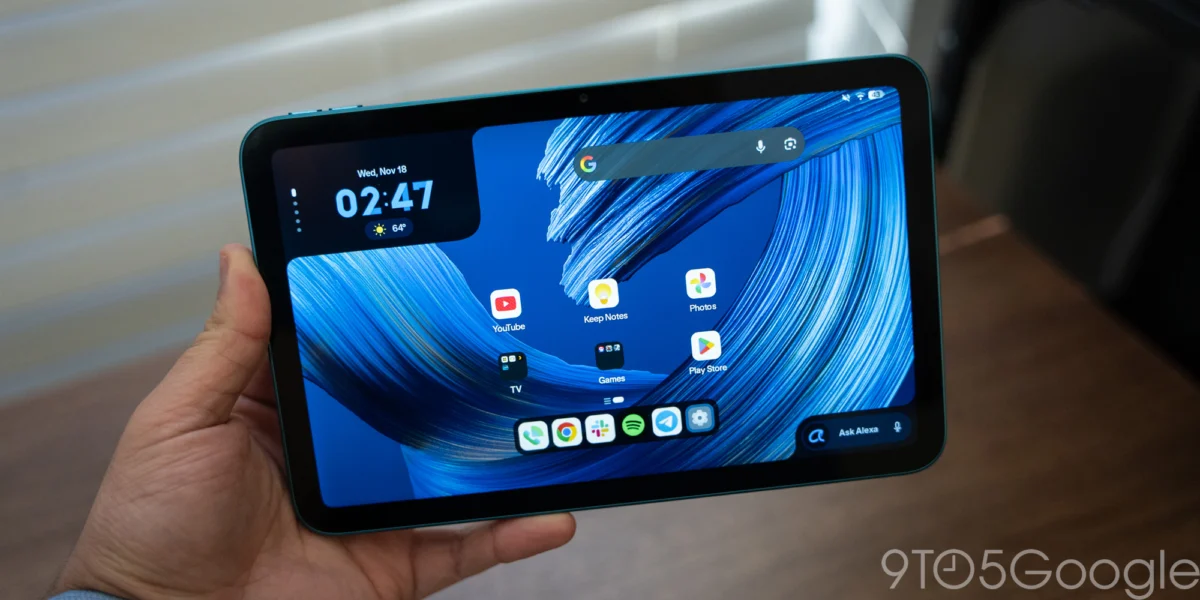
In a significant departure from its historical software strategy, Amazon’s release of the Alexa Tablet 8 in October 2026 marks a watershed moment for the company’s consumer hardware division. By integrating native Google Play Store support directly into its latest tablet lineup, Amazon has effectively dismantled the primary barrier that long separated its Fire Tablet series from the broader Android ecosystem. This strategic pivot, currently highlighted by aggressive Black Friday 2026 pricing of $150 for the entry-level model, signals a fundamental change in how Amazon intends to compete in the saturated low-cost tablet market.

A Chronology of the Shift
For over a decade, Amazon maintained a walled-garden approach with its Fire Tablet series. These devices relied on FireOS, a proprietary, heavily modified fork of Android that restricted users to the Amazon Appstore. This architecture was designed to lock users into Amazon’s ecosystem—Prime Video, Kindle, and Alexa—while keeping hardware prices at record lows through ad-subsidized models and ecosystem tethering.
However, the landscape began to shift in early 2025 when rumors surfaced regarding the decline of the Amazon Appstore. The subsequent official announcement that Amazon would phase out its standalone app marketplace forced a reassessment of the company’s hardware roadmap. By October 2026, the launch of the Alexa Tablet series confirmed that Amazon had abandoned the proprietary fork in favor of a more standardized Android 16 experience, complete with Google Mobile Services (GMS) certification. This transition represents the conclusion of a long-standing tension between Amazon’s hardware affordability and the consumer demand for the versatility of the Google Play Store.

Hardware Specifications and Design Language
The Alexa Tablet 8 is positioned as a utilitarian, entry-level device. It features an aluminum chassis that departs from the plastic-heavy builds of previous generations, offering improved durability and a more premium tactile feel. The device is available in a variety of finishes, including teal, Rosette pink, and the standard graphite.
Technically, the device is built for general consumption rather than high-performance tasks. The base model, which is the focus of current promotional pricing, includes:

- Processor: A custom MediaTek low-power chipset designed for efficiency over raw throughput.
- Memory: 4GB of RAM, which serves as a baseline for multitasking in Android 16.
- Display: An 8-inch panel that prioritizes indoor brightness and battery longevity over high-density pixel counts.
- Storage: Scalable options that support cloud-based media consumption, consistent with Amazon’s service-first philosophy.
The hardware design includes clicky, responsive buttons and an audio system that, while not high-fidelity, is calibrated for casual media consumption. The inclusion of an optional $40 fabric-finish folio cover suggests that Amazon is still seeking to bolster its bottom line through accessory attach rates, despite the reduced profit margins on the core hardware.
The Software Experience: A Near-Stock Android 16
The most profound change is the operating system. Shipping with Android 16, the Alexa Tablet 8 offers a user interface that remains largely faithful to the stock Android aesthetic. The notification shade, quick settings, and the underlying settings menu avoid the heavy, cluttered overlays that defined previous FireOS versions.

Amazon has retained certain proprietary elements, primarily through home screen widgets that facilitate access to Alexa and personalized content feeds. These features are designed to keep the user engaged with Amazon’s services, yet they are significantly less intrusive than previous iterations. Users who prefer a minimalist experience can effectively ignore or customize these elements, a freedom that was previously unavailable to Fire Tablet owners.
Financial Implications and Market Strategy
The $150 price point for the Alexa Tablet 8 during the 2026 holiday season is a calculated move to capture market share from competitors in the budget segment. The base model includes lockscreen advertisements, a strategy that subsidizes the initial purchase cost. Amazon allows users to remove these advertisements for a one-time fee, providing a flexible pricing structure that appeals to both budget-conscious shoppers and those willing to pay a premium for a cleaner interface.

Data indicates that the tablet market has become increasingly bifurcated between high-end productivity devices and low-cost media consumption tools. By integrating the Google Play Store, Amazon has effectively neutralized the "value vs. utility" argument that previously disadvantaged its tablets against third-party Android slates from manufacturers like Lenovo or Samsung.
Industry Impact and Future Outlook
The shift toward Google Play support has been met with broad approval from the developer and user communities. For years, the lack of official Google app support required users to "sideload" services, a process that was often technically cumbersome and prone to security risks. By providing official support, Amazon has standardized the experience, ensuring that apps such as Google Chrome, YouTube, and Gmail function natively and receive regular security updates.

From an institutional standpoint, this move suggests that Amazon is prioritizing hardware ubiquity over ecosystem gatekeeping. By allowing its devices to become open Android portals, Amazon increases the likelihood that its tablets will be purchased as general-purpose household devices rather than niche e-readers.
Broader Implications for the Ecosystem
The decision to embrace the Google Play Store suggests that Amazon has realized its competitive advantage lies not in controlling the software stack, but in the efficiency of its supply chain and the strength of its retail distribution. As the Alexa Tablet series continues to roll out, industry analysts expect to see increased pressure on other low-cost tablet manufacturers to improve software longevity and app compatibility to remain competitive.

In summary, the Alexa Tablet 8 serves as a testament to the evolution of the budget tablet market. It provides a stable, accessible, and fully functional Android experience that benefits from Amazon’s manufacturing scale. While it may not compete with high-end tablets in terms of processing power or display fidelity, its combination of official Google Play access, reliable build quality, and aggressive pricing makes it a highly competitive offering for the average consumer. For a market that has long requested this specific integration, the 2026 release of the Alexa Tablet series is an definitive upgrade, marking the end of a restrictive era and the beginning of a more flexible, user-centric approach from Amazon.