








The Evolution of Dell Branding in 2025
In January 2025, Dell implemented a strategic overhaul of its product naming architecture to simplify consumer choices and clarify product positioning. The legacy identifiers—Inspiron, XPS, Precision, and Latitude—are being phased out in favor of a more unified naming structure. Under the new guidelines, the consumer-grade Inspiron line is now simply categorized as "Dell," while the higher-end XPS series has been rebranded as "Dell Premium." The business-oriented Latitude series has transitioned to "Dell Pro," with three distinct tiers: Pro, Pro Plus, and Pro Premium. Similarly, the workstation-class Precision line is now known as "Dell Pro Max," subdivided into Pro Max, Pro Max Plus, and Pro Max Premium.

This move is widely interpreted as an attempt to reduce market confusion and align Dell’s branding with the premium, tier-based expectations of the modern consumer. Despite the change in nomenclature, the underlying engineering and chassis designs remain consistent with recent iterations, ensuring that users familiar with the previous ecosystem will find the transition intuitive.
Top Performing Models and Market Positioning
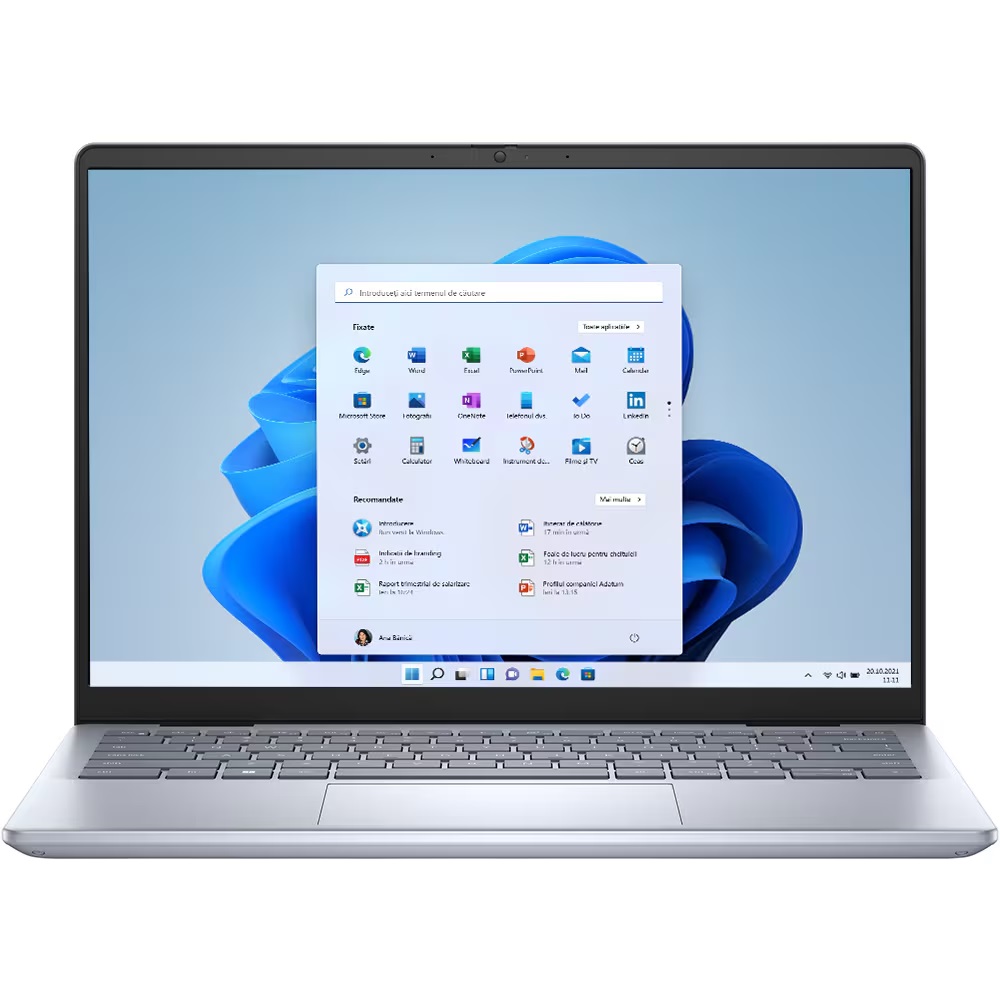
The Versatile Performer: Dell Inspiron 14 Plus (7441)
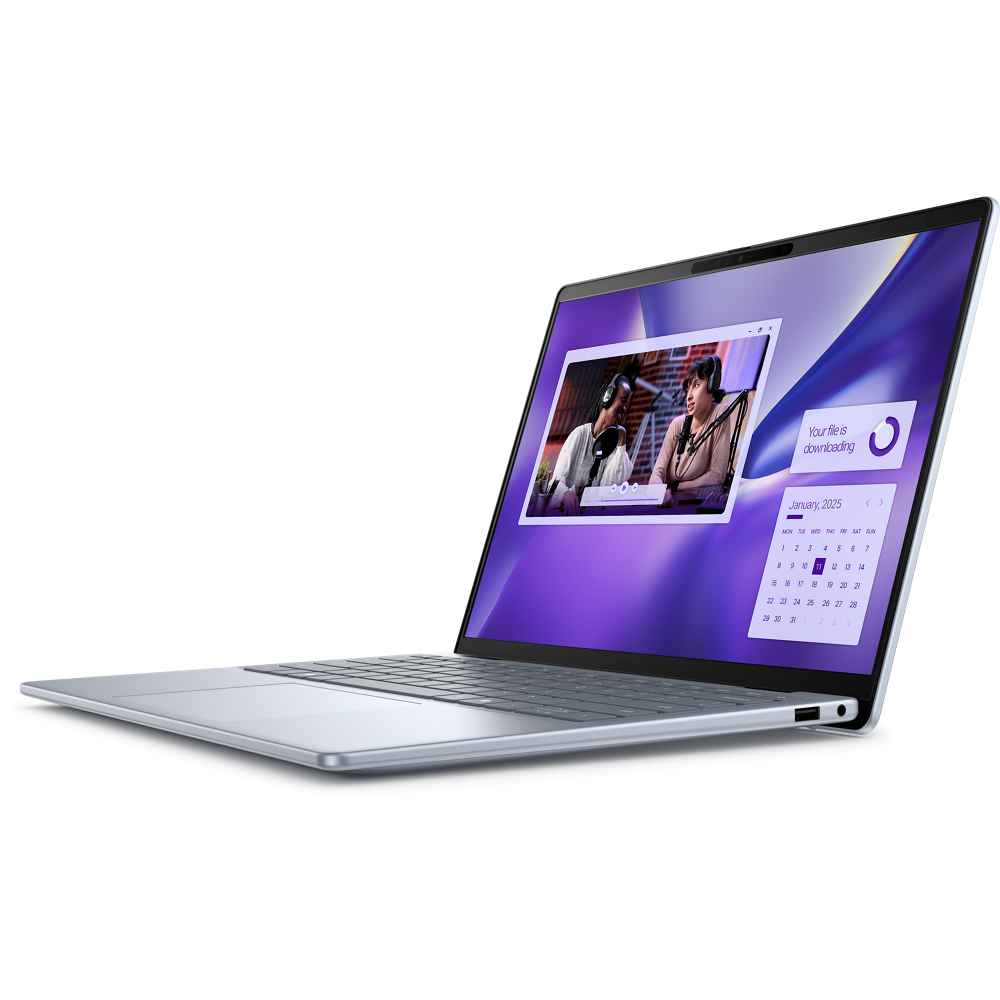
The Inspiron 14 Plus (7441), equipped with the Qualcomm Snapdragon X Plus processor, currently stands as the most balanced option for the average user. Achieving a Geekbench 6 multicore score of 13,281, it outperforms the average premium laptop by approximately 22%. Its primary strength lies in power efficiency; during standardized battery testing, the device provided over 18 hours of continuous operation, effectively decoupling the user from the constant need for a power outlet. However, users requiring color-critical work should exercise caution, as the display’s DCI-P3 gamut coverage at 69.1% falls short of professional standards.
The Budget-Conscious Powerhouse: Inspiron 14 Plus (7440)
For those seeking performance under the $1,000 threshold, the Intel Meteor Lake-powered Inspiron 14 Plus (7440) remains a formidable candidate. It provides a robust alternative to its ARM-based counterpart, specifically for users who rely on legacy x86 applications. With an integrated Intel Arc GPU, it achieves significantly better graphics performance than the Snapdragon model—scoring 8,082 in 3DMark’s Fire Strike test compared to the latter’s 5,965. While it runs warmer than its competitors, often exceeding 100 degrees Fahrenheit under heavy load, its value proposition for students and professionals is underscored by its reliable multitasking capabilities.
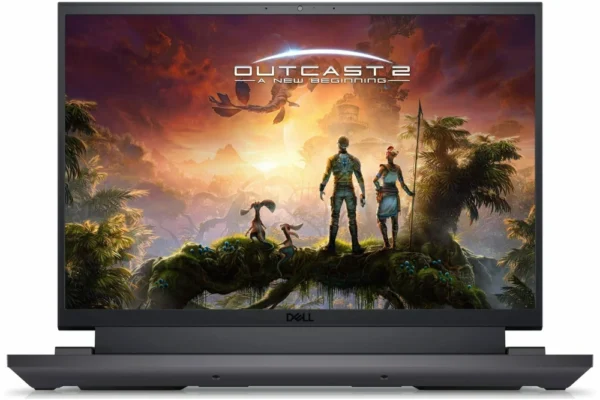
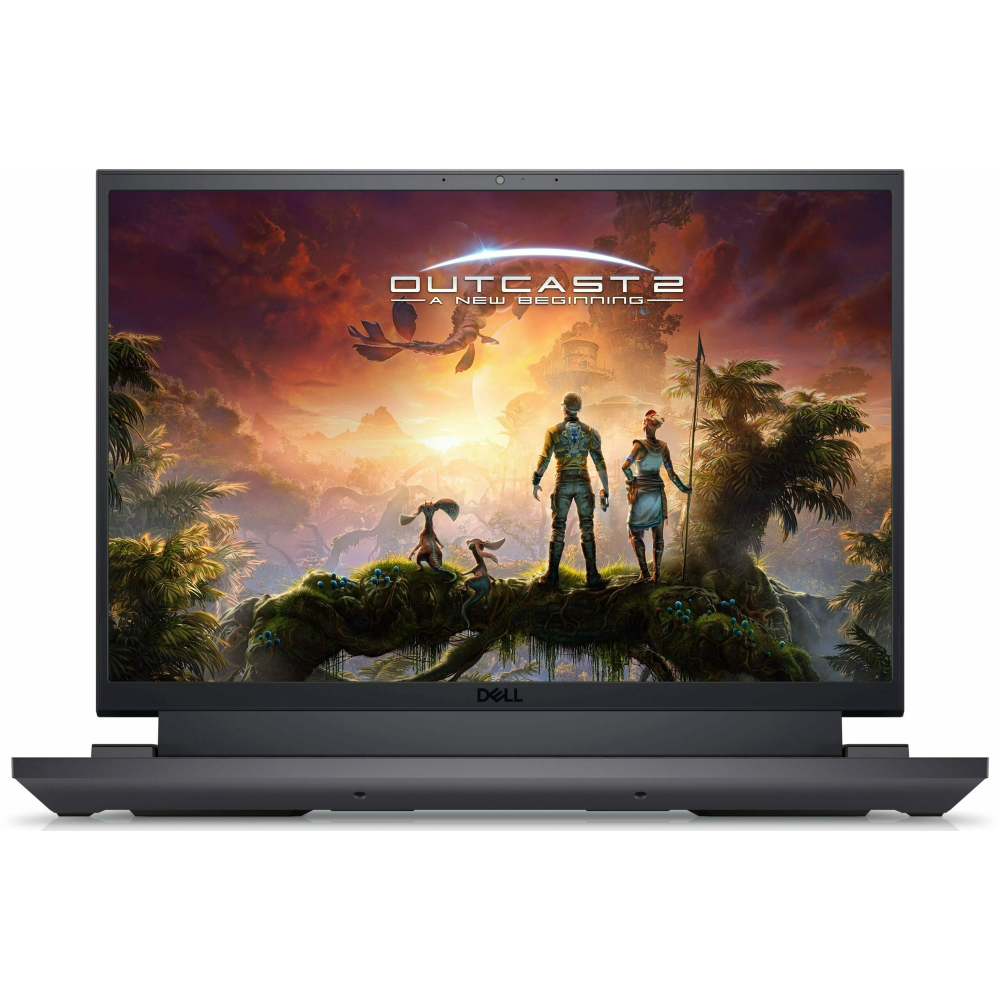
The Gaming Standard: Dell G16 (7630)
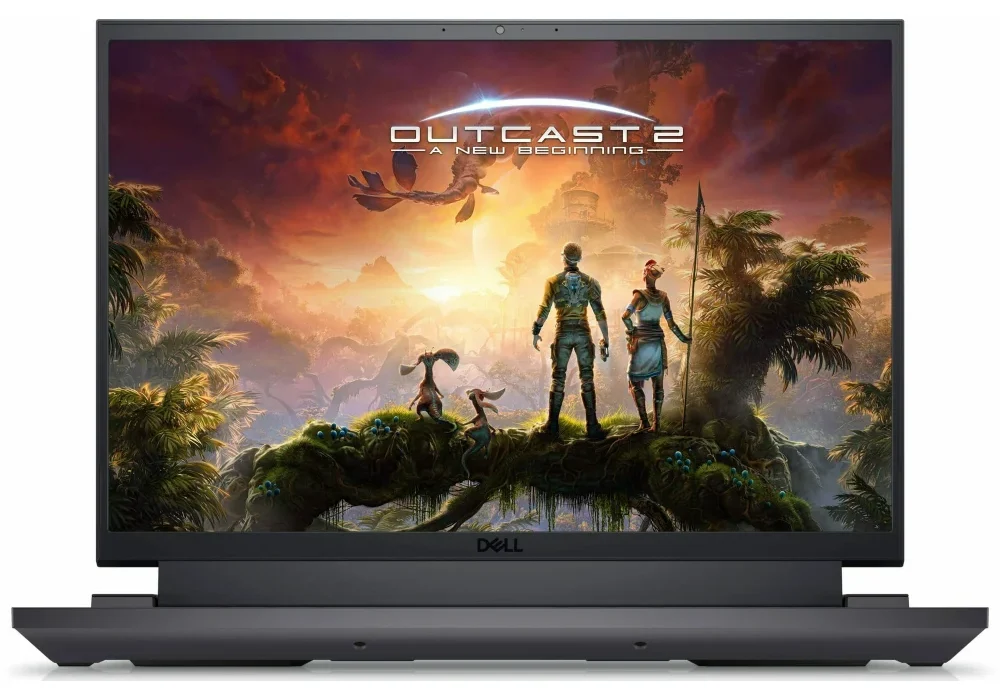
The G16 (7630) occupies a unique space in the market, bridging the gap between entry-level and enthusiast gaming hardware. Priced competitively, it distinguishes itself with a 240Hz refresh rate display and a tactile mechanical keyboard—features rarely found in budget-tier gaming machines. The inclusion of the Nvidia GeForce RTX 4060 allows it to maintain playable frame rates in demanding titles like Cyberpunk 2077 and Assassin’s Creed Mirage. Despite criticisms regarding its small trackpad and hollow audio output, the G16 remains a benchmark for what can be achieved in a sub-$1,000 gaming laptop.
Display Technology and Battery Life Analysis
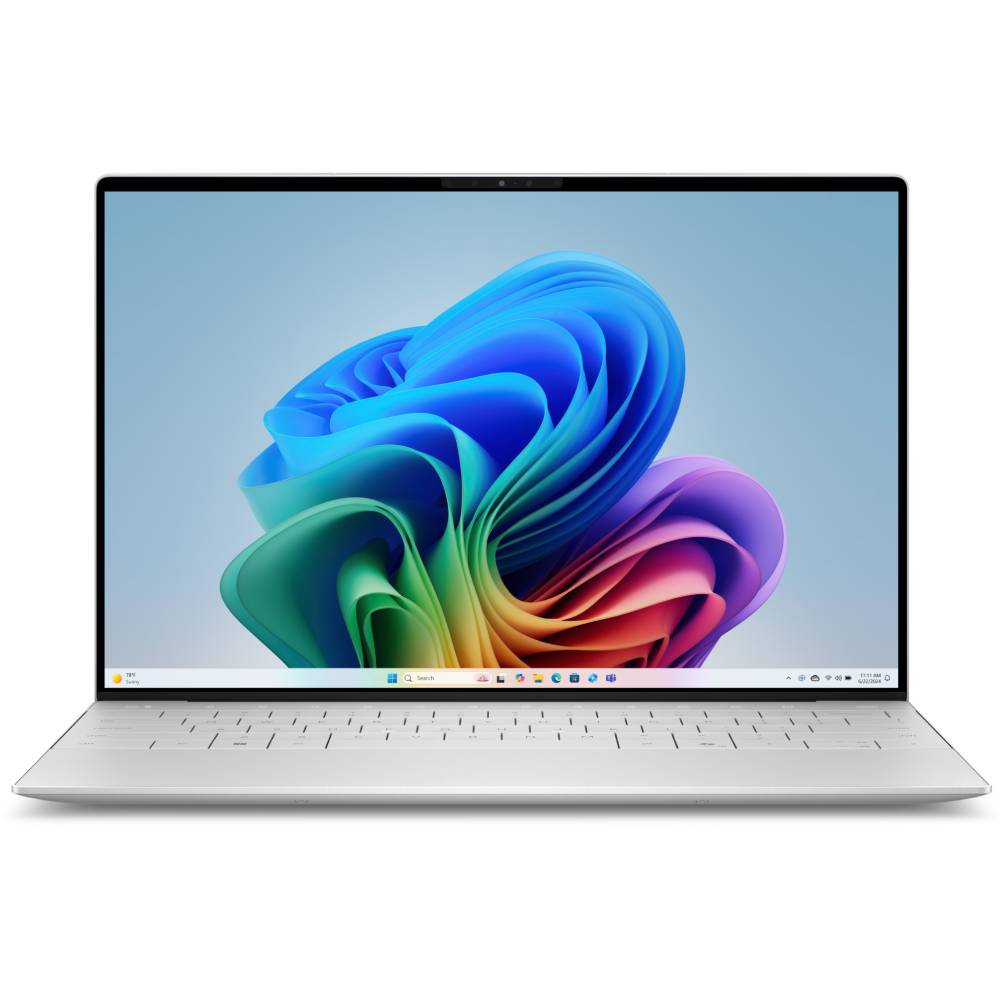
The Dell XPS 13 OLED (9350) represents the current pinnacle of display technology within the Dell catalog. Featuring a tandem OLED panel that covers 144.60% of the DCI-P3 color gamut, it is an essential tool for photographers and video editors. While the vibrant color reproduction is unparalleled, it comes at the cost of power efficiency. The battery life for this model reaches approximately 8 hours and 40 minutes, which is markedly lower than the non-OLED configurations.
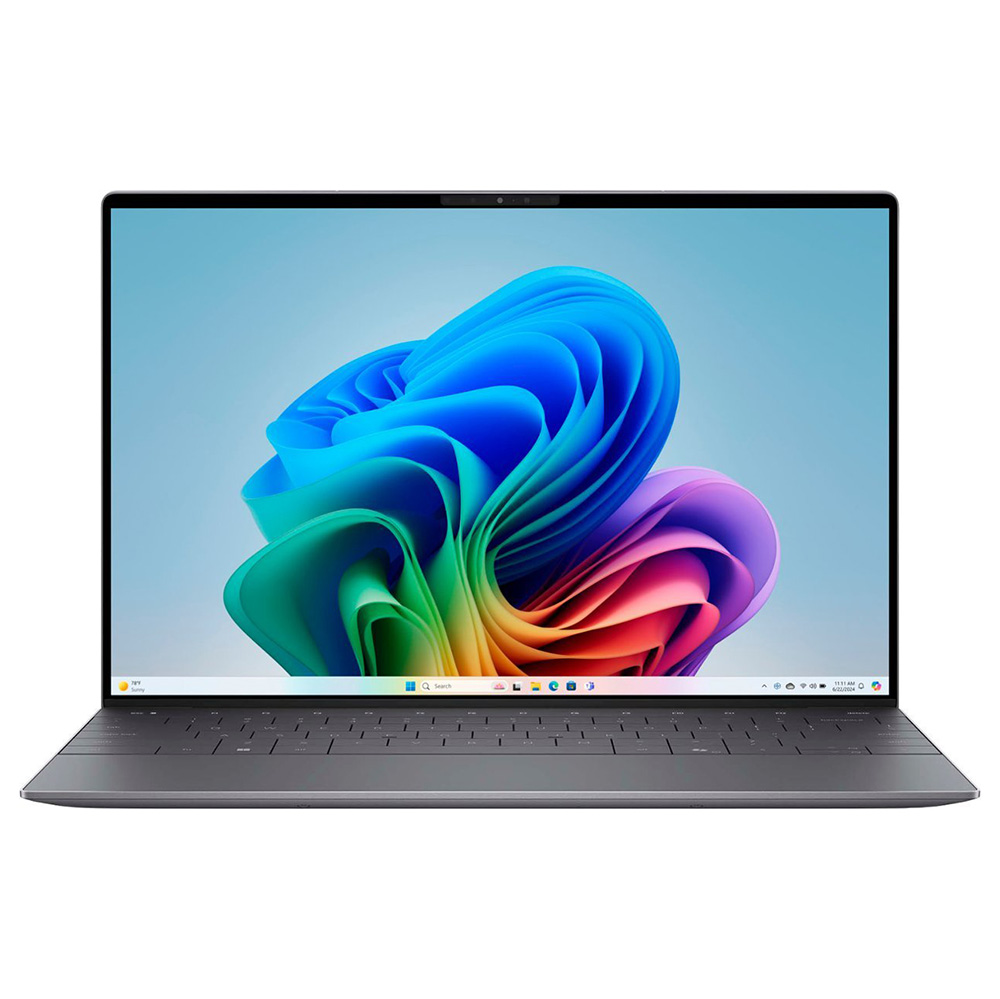
Conversely, the Snapdragon-powered Dell XPS 13 (9345) offers an industry-leading battery endurance. In recent lab testing, this device recorded a runtime of over 20 hours, placing it in direct competition with the most efficient machines on the market, including those from the MacBook Pro ecosystem. This longevity is achieved through the integration of the Snapdragon X Elite processor, which provides high multicore performance—scoring 14,635 on Geekbench 6—without the thermal overhead typically associated with x86 chips.
Rigorous Testing and Quality Assurance
Every laptop evaluated by our team undergoes a strict multi-stage testing process. This includes synthetic benchmarks such as Geekbench 6 and 3DMark, alongside real-world stress tests. We utilize a Klein K10 colorimeter to measure color gamut and brightness, ensuring that manufacturer specifications align with real-world performance. Furthermore, our heat management protocol involves 15-minute high-definition video loops to determine the thermal comfort of the chassis.
Our commitment to independent journalism is supported by our testing laboratory, which has spent three decades analyzing computing hardware. We do not accept pre-release hardware under embargo conditions that restrict our editorial independence, ensuring that every recommendation is based on the objective performance of the consumer-purchased unit.
Broader Implications and Future Outlook
The shift toward ARM-based architectures and the simplification of the naming hierarchy signal a maturation in the laptop industry. Dell’s 2025 lineup reflects a broader trend toward "hybrid" computing, where devices are increasingly expected to handle heavy multitasking, long-distance remote work, and high-fidelity media consumption simultaneously.
The primary implication for consumers is a necessity for diligence when purchasing. While the new naming conventions—such as "Dell Pro Max"—are designed to be descriptive, they also create a tiered pricing structure that requires users to accurately assess their professional or personal needs. A user who performs 4K video rendering will find the "Dell Pro Max Premium" necessary, while a student or office worker will find the base "Dell" or "Dell Plus" models more than sufficient.
As we progress through 2025, we expect to see further integration of AI-accelerated workflows across all tiers of the Dell lineup. The current benchmarks indicate that while Intel and Qualcomm are currently locked in a close race for dominance in the ultralight category, the consumer remains the ultimate beneficiary of this competition. By balancing performance, battery efficiency, and thermal management, Dell has positioned its 2025 portfolio to remain competitive against both the Apple MacBook series and the rising tide of Windows-based competitors.
In summary, the current Dell catalog offers a diverse range of hardware for varied demographics. Whether prioritizing the extreme endurance of the XPS 13 (9345), the color accuracy of the XPS 13 OLED (9350), or the raw value of the Inspiron 14 Plus series, the brand continues to demonstrate its capability to adapt to shifting technological paradigms while maintaining the foundational quality that has sustained its presence for over 35 years.