The stark realities of a warming planet, driven by the invisible forces of greenhouse gases like carbon monoxide, are being powerfully rendered through the lens of photojournalism. As regions worldwide grapple with unprecedented heatwaves, devastating droughts, and raging wildfires, photographers are creating a visual narrative that transcends scientific data, making the abstract threat of climate change an undeniable and tangible presence. This collection of recent impactful photographs showcases the profound effects of a global environmental shift, transforming an invisible cause into a visceral, unforgettable experience.
The escalating frequency and intensity of extreme weather events serve as a constant reminder of the planet’s changing climate. These phenomena, while rooted in complex atmospheric chemistry, manifest in highly visible and often destructive ways. Photojournalists, positioned at the forefront of these unfolding events, are documenting the human and environmental toll with a unique urgency. Their images capture not just the physical destruction, but also the emotional weight and the resilience of communities facing these challenges. The visual language of photography, with its ability to evoke empathy and understanding, is proving to be an indispensable tool in communicating the severity of the climate crisis to a global audience.
Documenting the Melting Frontiers: Greenland’s Vanishing Ice
One particularly striking image, captured by Sean Gallup, offers a profound perspective on the accelerating melt of the Greenland Ice Sheet. The photograph depicts two researchers, Tereza Vosicka and Luko P., traversing a vast expanse of sediment left behind by the receding Isunnguata Sermia glacier near Kangerlussuaq, Greenland. This scene, documented on July 17, 2026, is part of a six-week scientific expedition by Charles University. Their mission involves meticulous analysis of the carbon cycle and organic content within the glacial meltwater.
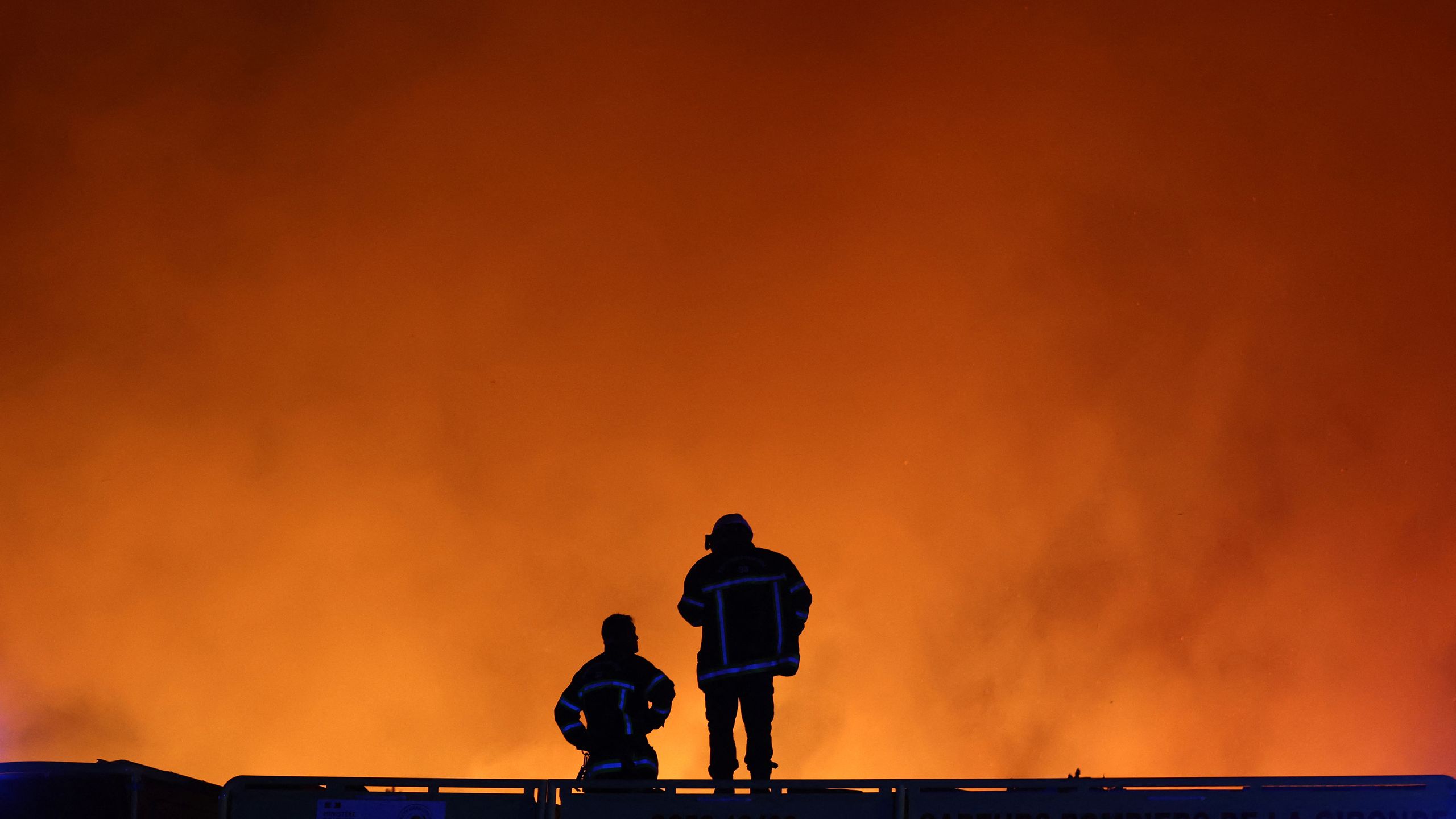
The scientific team’s work is crucial, as it highlights a disturbing feedback loop: bacteria beneath the ice sheet are consuming organic matter, releasing potent greenhouse gases like methane into the atmosphere. This process is directly linked to the accelerated melting of the Greenland Ice Sheet, which has seen a sharp increase in its rate of ice loss in recent decades. According to data from the National Snow and Ice Data Center, Greenland lost an average of 279 billion tons of ice per year between 1993 and 2019, with the rate of loss accelerating significantly in the latter half of that period.
Gallup’s photograph employs powerful compositional elements to convey the magnitude of this environmental change. The low angle emphasizes the stark, sediment-laden landscape, a testament to the glacier’s retreat. The misty backdrop of the glacier itself adds a sense of scale and the ephemeral nature of what remains. Crucially, the inclusion of the two researchers provides a vital human element, grounding the abstract scientific endeavor in a relatable human experience. Their presence underscores the active scientific engagement with this critical issue, highlighting the ongoing efforts to understand and potentially mitigate the impacts of glacial melt.
The Fiery Frontlines: Wildfires and the Exhaustion of Resilience
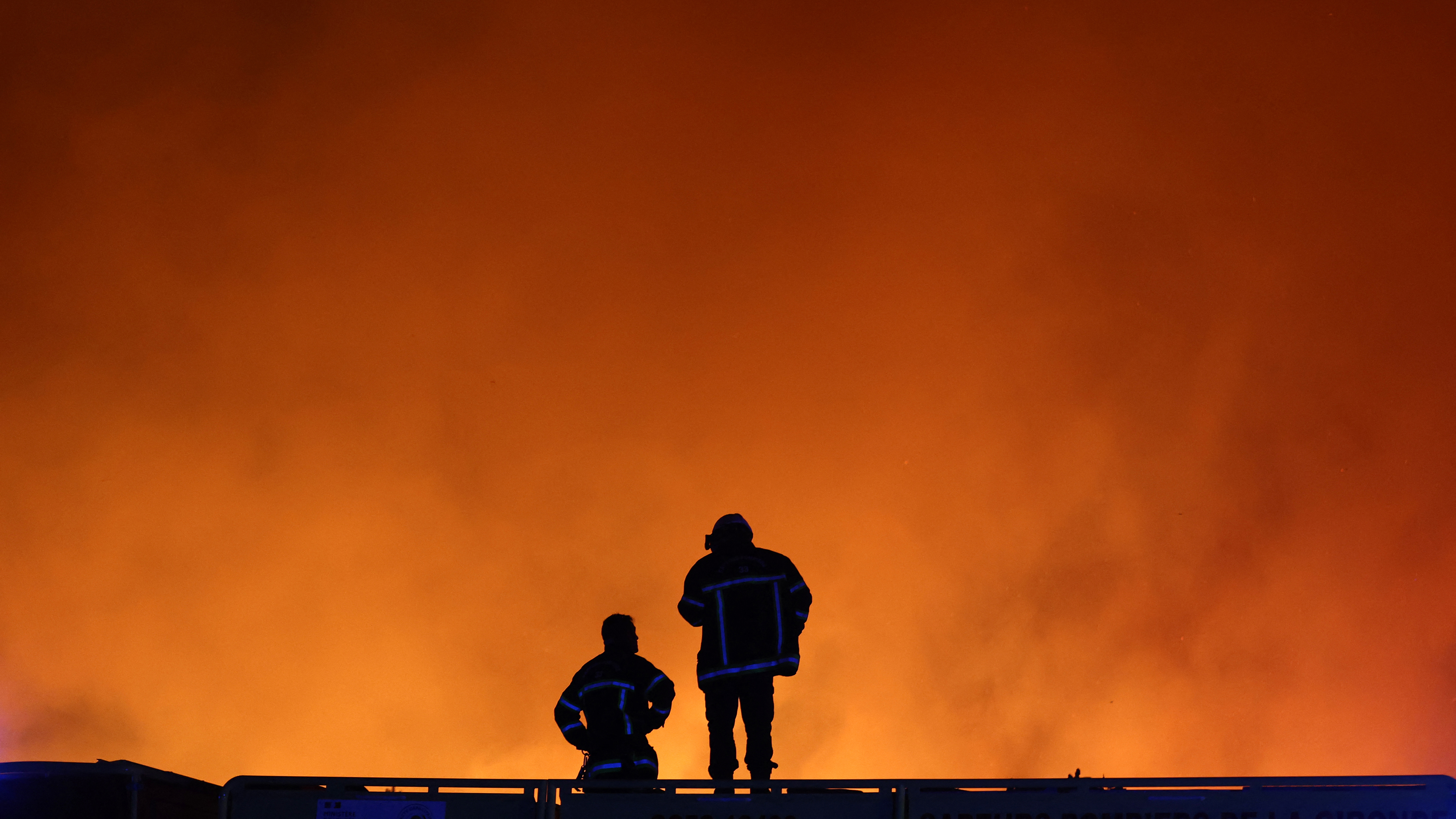
The inferno of wildfires, often ignited or exacerbated by prolonged drought and high temperatures, presents another stark visual testament to a warming planet. A photograph by Romain Perrocheau, taken on July 22, 2026, in Le Porge, southwestern France, powerfully captures the relentless battle against these blazes. The image focuses on a group of firefighters, their figures silhouetted against the intense orange glow of an advancing wildfire.
This particular wildfire had rapidly consumed approximately 900 hectares north of Arcachon Bay, forcing the evacuation of over 4,000 residents and tourists. Firefighting officials described the blaze as "exceptionally intense," noting its sixfold expansion in less than three hours as it tore through dense pine forests, threatening communities like Ares and Lege-Cap-Ferret. This region has a painful history with wildfires, having been devastated by similar events in 2022, underscoring the recurring threat posed by climate-driven fire conditions.
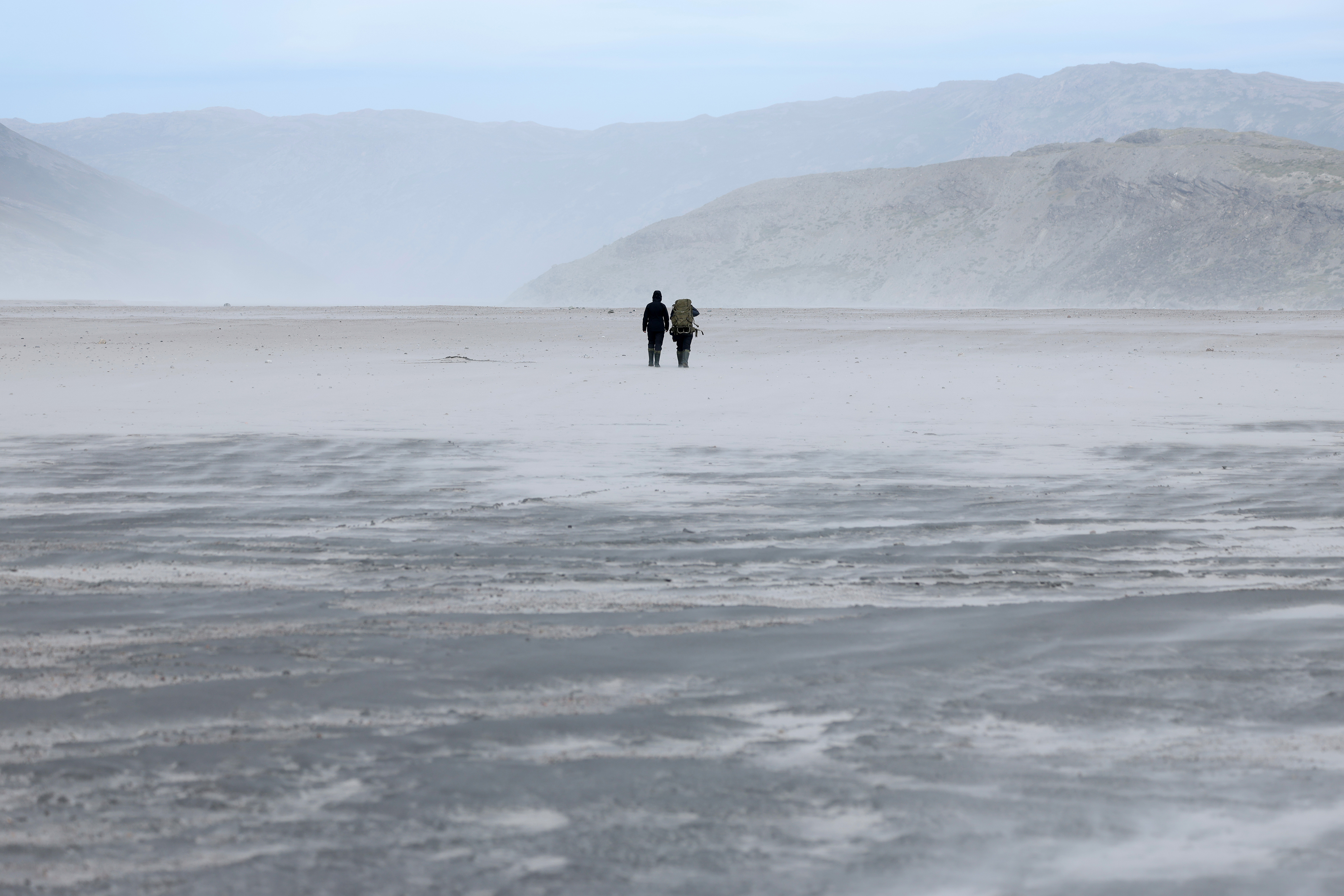
Perrocheau’s photograph is a masterclass in minimalist composition, conveying immense emotional weight through stark imagery. The absence of visible faces on the firefighters amplifies the sense of their collective struggle and exhaustion. Their stances alone radiate a palpable weariness, a testament to the relentless nature of their work. The vibrant, almost abstract pattern of the bright orange smoke immediately identifies the subject matter, while the central placement of the silhouetted figures draws the viewer’s eye to the human element at the heart of the crisis. This image resonates with the broader pattern of wildfire photography, which has increasingly depicted the devastating beauty and terrifying power of these events, often with an apocalyptic feel.
The Ghostly Echoes of Drought: Empty Riverbeds and Stranded Vessels
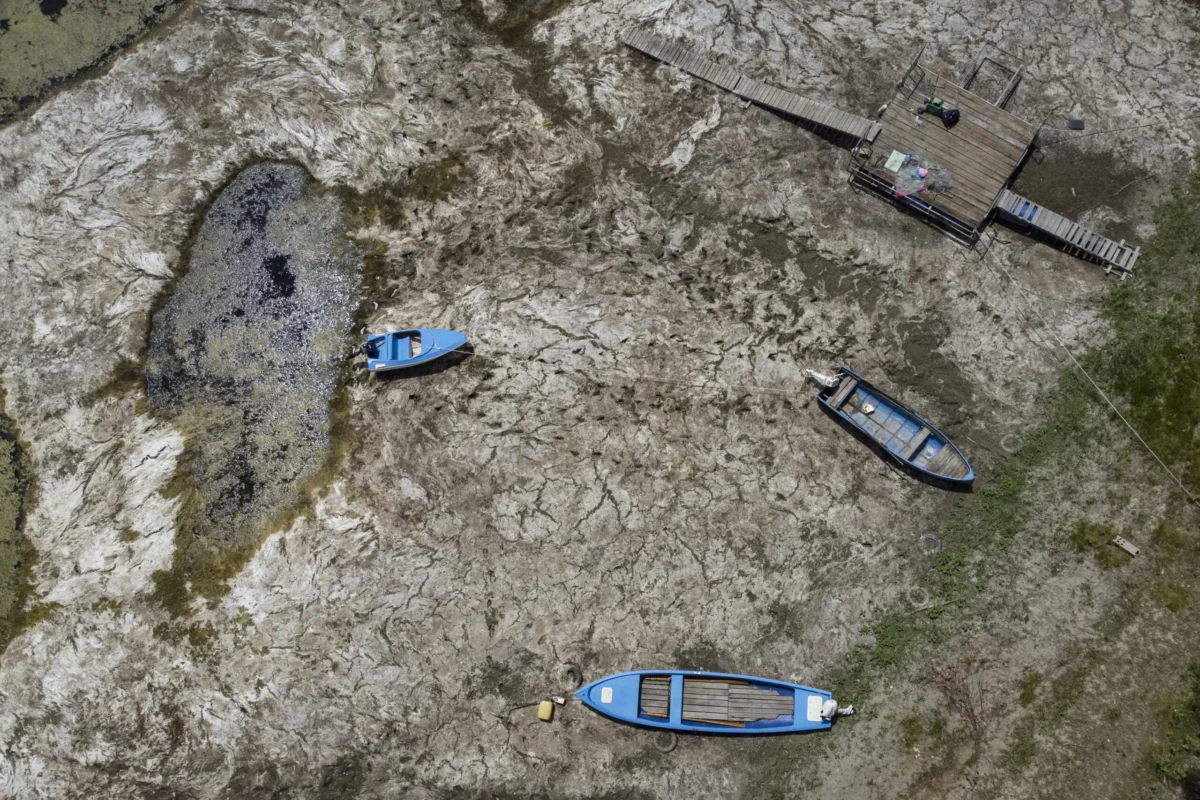
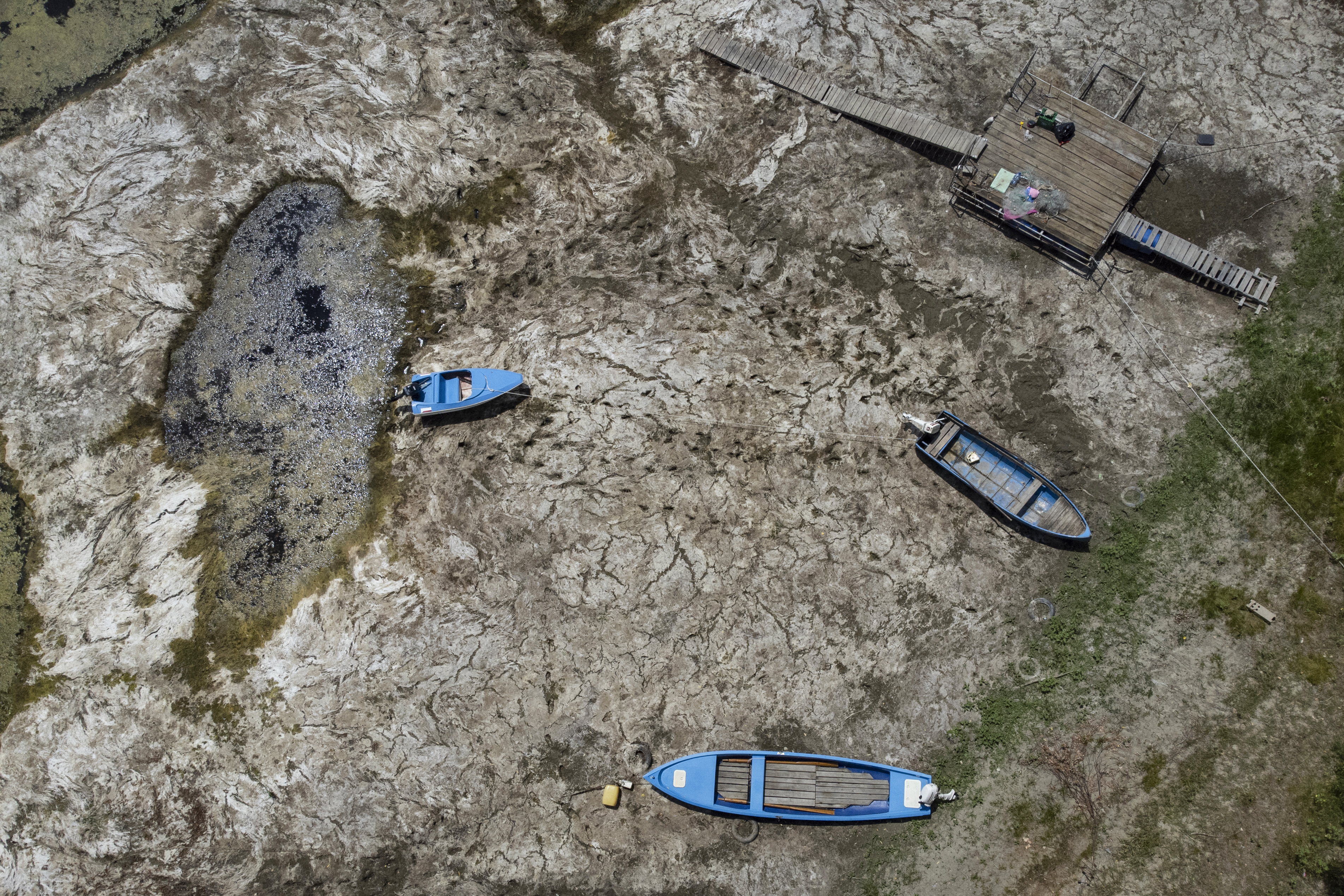
The pervasive impact of drought, a direct consequence of altered precipitation patterns and rising temperatures, is vividly illustrated in a photograph by Nikolay Doychinov. Taken on July 22, 2026, the aerial image reveals the dried-up bed of the Danube River near the Calafat-Vidin bridge, connecting Bulgaria and Romania. Beached boats and exposed river infrastructure lie stranded on the cracked earth, stark symbols of a vital waterway reduced to a trickle.
Prolonged drought and record-breaking heat across Europe have driven water levels along the Danube, one of the continent’s major arteries, to historic seasonal lows. This phenomenon has significant implications for navigation, trade, agriculture, and ecosystems that depend on the river’s flow. The low water levels not only disrupt transportation networks but also contribute to reduced hydropower generation and can lead to increased water temperatures, impacting aquatic life.
Doychinov’s aerial perspective effectively conveys the sheer scale of this environmental crisis. The image highlights the vastness of the exposed riverbed, emphasizing the extent of the water’s retreat. The composition is further strengthened by the strategic use of color. The distinct blue hues of the stranded boats provide a striking contrast against the muted, earthy tones of the parched riverbed, making them stand out as poignant symbols of a lost flow. This visual contrast underscores the dramatic shift in the landscape, transforming a once-navigable river into a desolate expanse.
The Paradox of Water: Flooding in the Urban Landscape
While drought grips many regions, climate change is also intensifying extreme precipitation events, leading to devastating floods. This paradox of water – too much in some places, too little in others – is a defining characteristic of the climate crisis. Photographer Spencer Platt captured a compelling image on July 21, 2026, in New York City, during a period when both New York and New Jersey were under a flood watch. The photograph depicts individuals navigating the rain-slicked streets of the Dumbo neighborhood in Brooklyn.
According to the United Nations, climate change is indeed exacerbating water-related crises, fueling both the severity of droughts and the intensity of rainfall leading to floods. The image, while featuring color, possesses a moody, almost monochromatic quality due to the weather conditions and the exposure. This visual aesthetic enhances the sense of atmospheric unease and the disruptive power of the storm.
Platt’s mastery of composition is evident in this photograph. He employs the classic "frame within a frame" technique, using an archway to direct the viewer’s gaze towards the subjects in the foreground – a couple holding umbrellas. Their presence against the gray, overcast skyline, rather than a darker backdrop, allows them to stand out more effectively. Furthermore, the subtle lines of the Brooklyn Bridge in the background act as leading lines, guiding the eye deeper into the image and adding a sense of depth and urban context. This photograph captures the everyday experience of a city grappling with the increasing unpredictability of weather patterns.
Celestial Fire: Wildfires and the Night Sky
The convergence of natural and human-induced light sources creates a unique visual spectacle, as demonstrated by a striking night photograph by Thibaut Durand of Abaca Press. Taken on July 20, 2026, in the French Alps, the image captures the historic Horloge des Hermes clock tower in L’Argentière-la-Bessée, illuminated by the town’s lights, while a massive wildfire rages across the mountain slopes in the background.
This photograph is a remarkable feat of astrophotography and event documentation. Capturing both the faint light of distant stars and the intense glow of a wildfire, especially in the presence of urban light pollution, is technically challenging. Durand successfully renders the manmade lights of the town, the distant stars, and the fiery inferno, creating a layered and dramatic scene. The sparks emanating from the wildfire appear almost like an extension of the celestial bodies, blurring the lines between earthly and cosmic phenomena.
The extreme heat and prolonged drought that have fueled some of the most severe wildfire events of the summer in France are directly linked to the broader climate crisis. This photograph serves as a powerful reminder that even at night, the impacts of a warming planet are visually present, painting the sky with an unsettling blend of natural beauty and destructive force.
The Enduring Power of Visual Storytelling
These five photographs, each distinct in its subject and composition, collectively underscore the critical role of photojournalism in communicating the tangible impacts of an invisible global crisis. They transform abstract scientific data into relatable human experiences, capturing the raw emotion, resilience, and undeniable evidence of a planet in transition. As the world continues to grapple with the escalating consequences of climate change, these visual narratives serve not only as documentation but also as powerful calls to action, urging a deeper understanding and more decisive response to the challenges ahead. The ability of a single image to convey complex realities and evoke profound emotional responses makes photography an indispensable ally in the fight for a sustainable future.