The rapid commercialization of autonomous driving technology and advanced driver-assistance systems (ADAS) has thrust the automotive and tech industries into uncharted legal territory. As driverless robotaxis proliferate in major metropolitan areas like San Francisco and high-profile accidents involving partial automation systems make international news, the question of legal accountability during system failures has become an urgent public policy debate. A recent survey conducted by industry publication Electrek sheds light on public perception regarding this issue, capturing nearly 3,000 responses from readers deeply engaged in the electric vehicle and sustainable transport sectors. The overwhelming consensus from the survey points toward the developers of artificial intelligence and vehicle manufacturers as the primary responsible parties, challenging traditional frameworks of personal vehicular liability.
Background Context and Recent Industry Developments
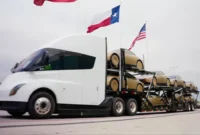
The deployment of autonomous and semi-autonomous vehicles has accelerated significantly over the past several years, accompanied by both technological milestones and regulatory scrutiny. The timing of the Electrek survey coincided with notable developments in the sector, including the re-unveiling of the Tesla Cybercab in Austin, Texas, and the commencement of series production for the long-delayed Tesla Semi at the company’s Nevada factory.
Concurrently, municipal authorities have grappled with the operational realities of autonomous fleets. Companies like Waymo have accumulated thousands of parking and traffic citations in urban environments, highlighting the operational friction between autonomous software and complex city street layouts. Furthermore, a series of fatal accidents involving Tesla vehicles utilizing driver-assist features in mid-2026 renewed intense scrutiny over the safety limits of current consumer-facing autonomous software. These concurrent events created a backdrop of heightened public awareness regarding the reliability and safety of autonomous transportation, prompting the publication to gauge reader sentiment on the fundamental question of liability when AI systems fail.
Survey Findings and Breakdown of Public Sentiment
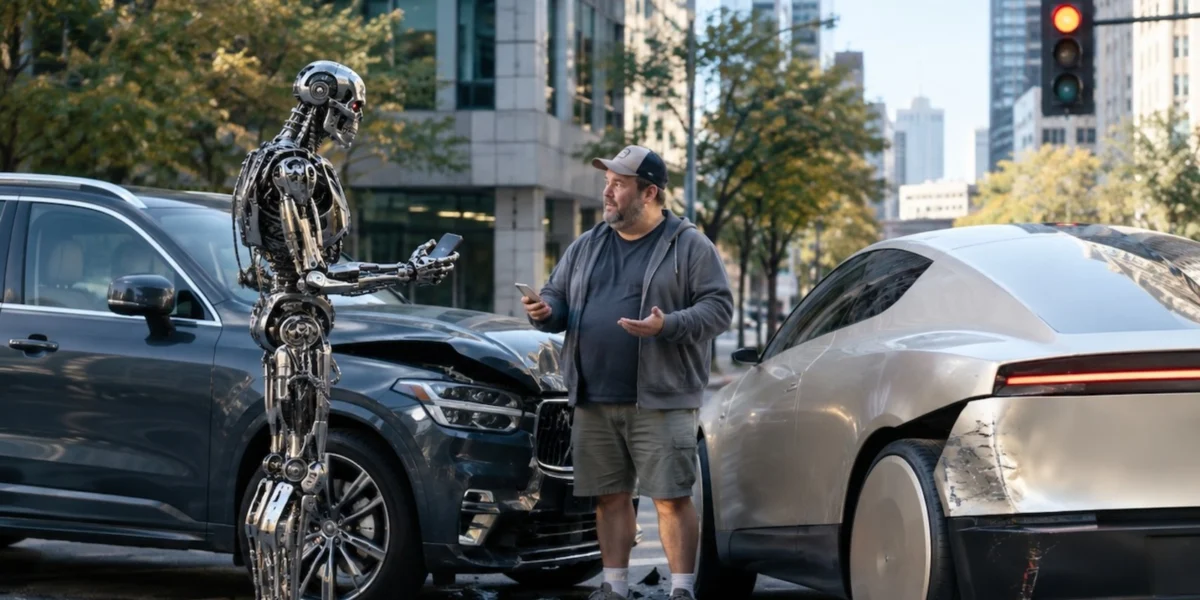
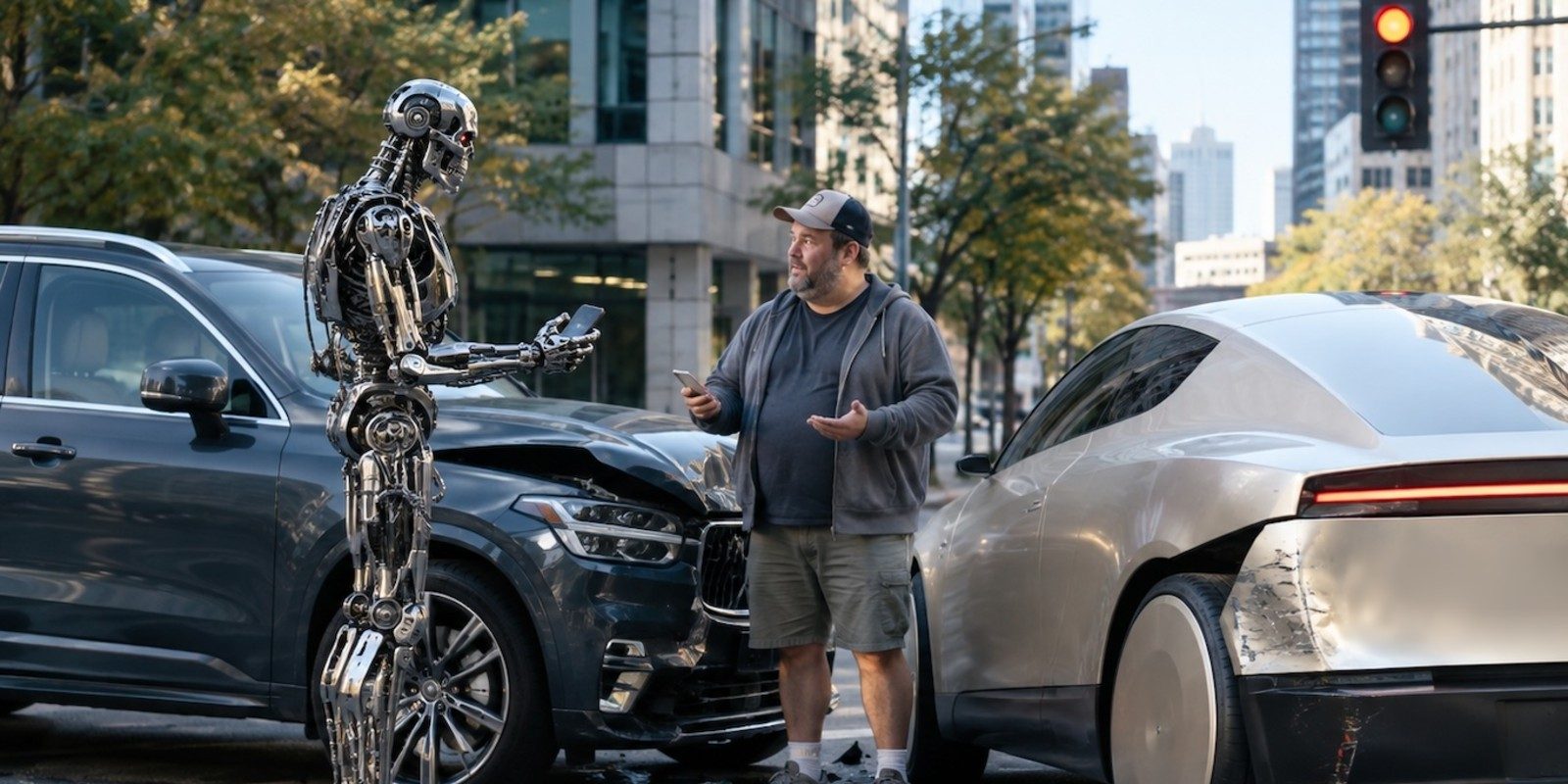
The survey posed a direct and consequential question: When an AI-driven taxi or autonomous vehicle fails and causes harm, who should bear the responsibility? The resulting data revealed stark divisions over traditional versus modern interpretations of liability, though one perspective dominated the responses by a wide margin.
A small fraction of respondents—approximately 3.5%, translating to just 102 votes—favored strict personal accountability for the occupant seated in the driver’s position. Proponents of this view argued that regardless of automation levels, a human occupant acts as the final safety net and must remain vigilant, retaining common-sense liability for intervention when the system falters.
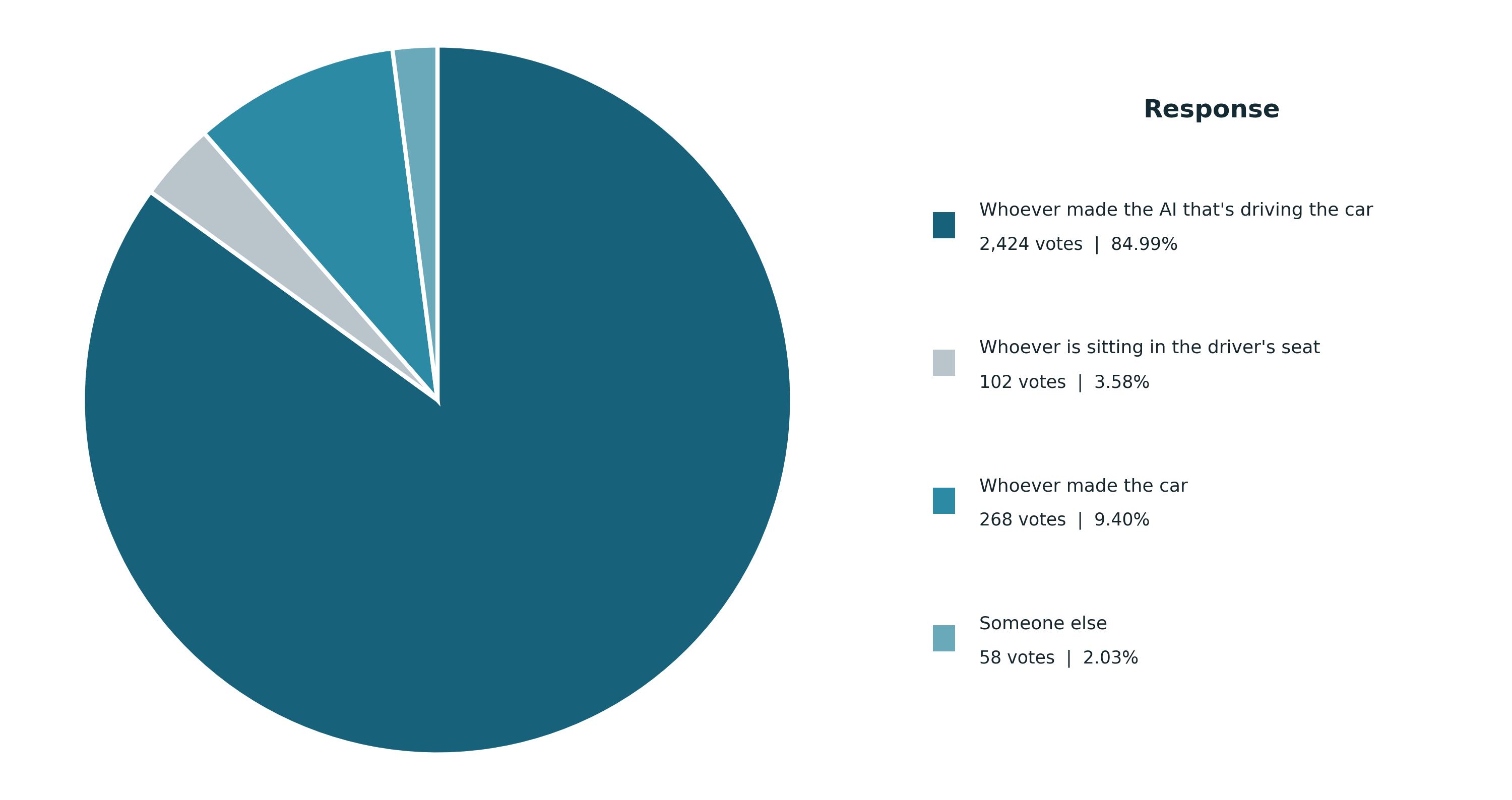
However, nearly 90% of respondents rejected the notion of human driver liability, instead placing the blame squarely on the developers and manufacturers of the artificial intelligence software. This perspective is rooted in the practical limitations placed on vehicle occupants, who often function merely as passengers with zero direct control over the underlying code, sensor processing, or navigation algorithms governing the vehicle’s movement.
Legal Precedents and Competing Arguments on Liability
The debate over autonomous vehicle liability centers on a clash between established tort law and the novel realities of software-driven machinery. Commenters and legal analysts have advanced several competing frameworks to address who should pay when an accident occurs:
The Vehicle Owner Model
Some argue that liability should follow the registered owner of the vehicle, mirroring existing laws governing traditional car rentals and lent vehicles. Under this framework, if an owner places a lawbreaking or malfunctioning vehicle onto public roads, they assume the associated legal and financial risks, much like an individual who lends a car to a reckless driver. Proponents of this view suggest that altering this standard would disrupt established insurance models and accountability structures.

The Manufacturer and Developer Model
Conversely, the majority of survey respondents supported holding AI developers and vehicle manufacturers accountable. Commenters emphasized that modern autonomous systems act as "black boxes" controlled entirely by proprietary software and hardware configurations. Because vehicle occupants and owners are given no actionable means to prevent a sudden software-induced failure—short of refusing to use the technology entirely—holding them liable is viewed as fundamentally unjust. Under this argument, liability rests with the entities that engineered, tested, and commercialized the autonomous system.
Split Liability and Shared Ecosystems
Another prominent perspective suggests that liability cannot be neatly assigned to a single party. Instead, responsibility should be apportioned between the legacy automaker responsible for the physical vehicle platform and the technology firm supplying the artificial intelligence stack. Because these entities increasingly operate in deep collaborative partnerships to bring autonomous systems to market, critics argue that liability frameworks must evolve to reflect shared culpability in complex technological ecosystems.
Broader Implications for the Automotive and Tech Industries
The debate captured by the Electrek survey has profound implications for the future of transportation, insurance, and municipal governance. As regulators in various jurisdictions draft comprehensive rules for driverless commercial fleets and consumer-grade autonomous vehicles, the allocation of liability will dictate the economic viability of the industry.

If liability falls heavily on manufacturers and software developers, companies will face unprecedented insurance and litigation costs, potentially slowing the deployment of autonomous fleets. Conversely, assigning liability to vehicle owners or occupants could suppress consumer adoption, as the risk profile of utilizing autonomous transport would outweigh the convenience.
Ultimately, the transition from human-operated vehicles to artificial intelligence demands a modernization of legal frameworks. Policymakers, insurers, and legal scholars will need to reconcile centuries-old negligence laws with the realities of machine learning, sensor fusion, and distributed software systems to ensure public safety while fostering technological innovation.