The Evolution of a Best-Selling Nameplate
The Tiguan name, a clever portmanteau of the German words "Tiger" and "Leguan" (iguana), has been a cornerstone of the Volkswagen portfolio since its introduction nearly two decades ago. Since its debut in 2007, the Tiguan has achieved global sales exceeding 8.3 million units, establishing itself as the Volkswagen Group’s best-selling product. By migrating this name to its electric portfolio, Volkswagen is aiming to bridge the gap between legacy buyers and the transition to full electrification.
This decision mirrors a broader industry trend where legacy automakers are attempting to make their EV transitions feel more familiar to the average consumer. By aligning the ID.4’s successor with the Tiguan brand, Volkswagen hopes to capitalize on the trust and recognition associated with the name, potentially easing the psychological barrier for customers who have yet to make the switch from internal combustion to battery-electric power. The model will coexist with the conventional ICE Tiguan, ensuring that Volkswagen maintains its market share across both segments during this transitional decade.
Technical Foundations and Platform Divergence
Despite the shared nomenclature, it is critical to distinguish the technical underpinnings of the two vehicles. The ID. Tiguan is engineered on the Modular Electric Drive Matrix (MEB) platform, which is purpose-built for electric propulsion. This architecture prioritizes cabin space, low center of gravity, and optimized battery integration. In contrast, the traditional Tiguan utilizes the MQB platform, a modular transverse matrix designed to accommodate gasoline, diesel, and plug-in hybrid powertrains.
While internal stakeholders have discussed the possibility of merging these two lineages into a single, unified electric platform in the distant future, global market conditions render such a move unlikely in the short term. As electric vehicle adoption rates vary significantly across continents—with Europe pushing aggressive decarbonization targets while North American adoption remains tied to infrastructure growth and fluctuating demand—Volkswagen must maintain a two-pronged strategy. The ID. Tiguan acts as the primary electric representative for this mid-size crossover segment, while the ICE Tiguan continues to serve the markets where electric vehicle infrastructure is still in its infancy.
Design Revisions and Ergonomic Improvements
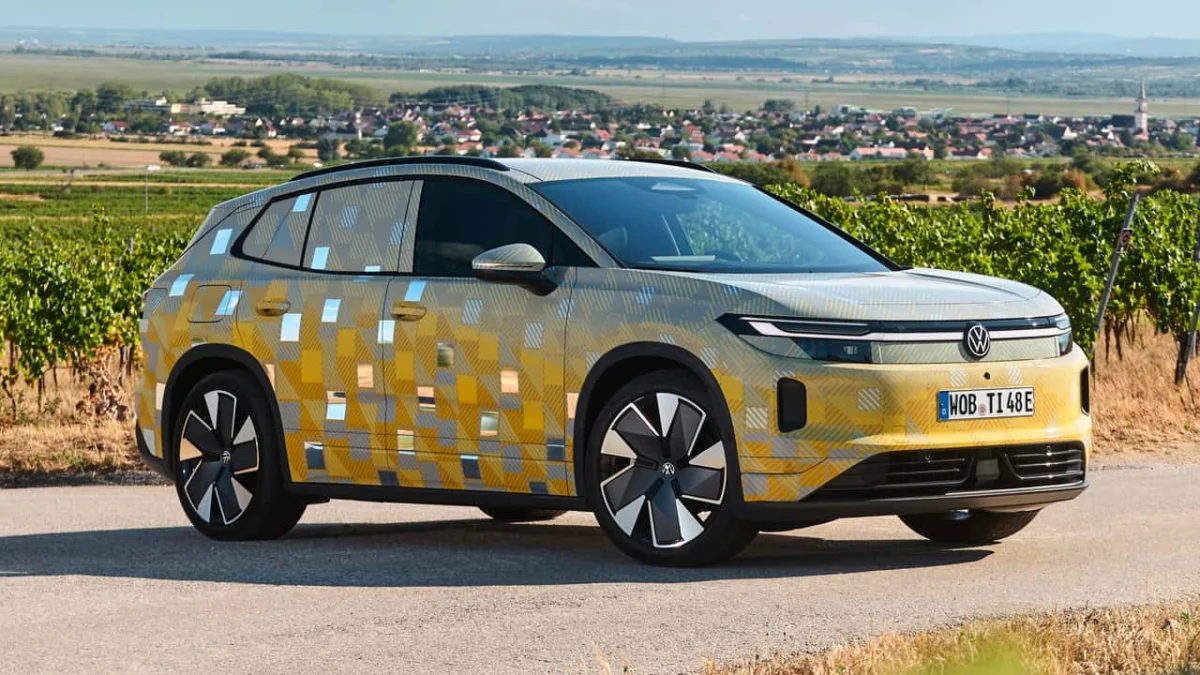
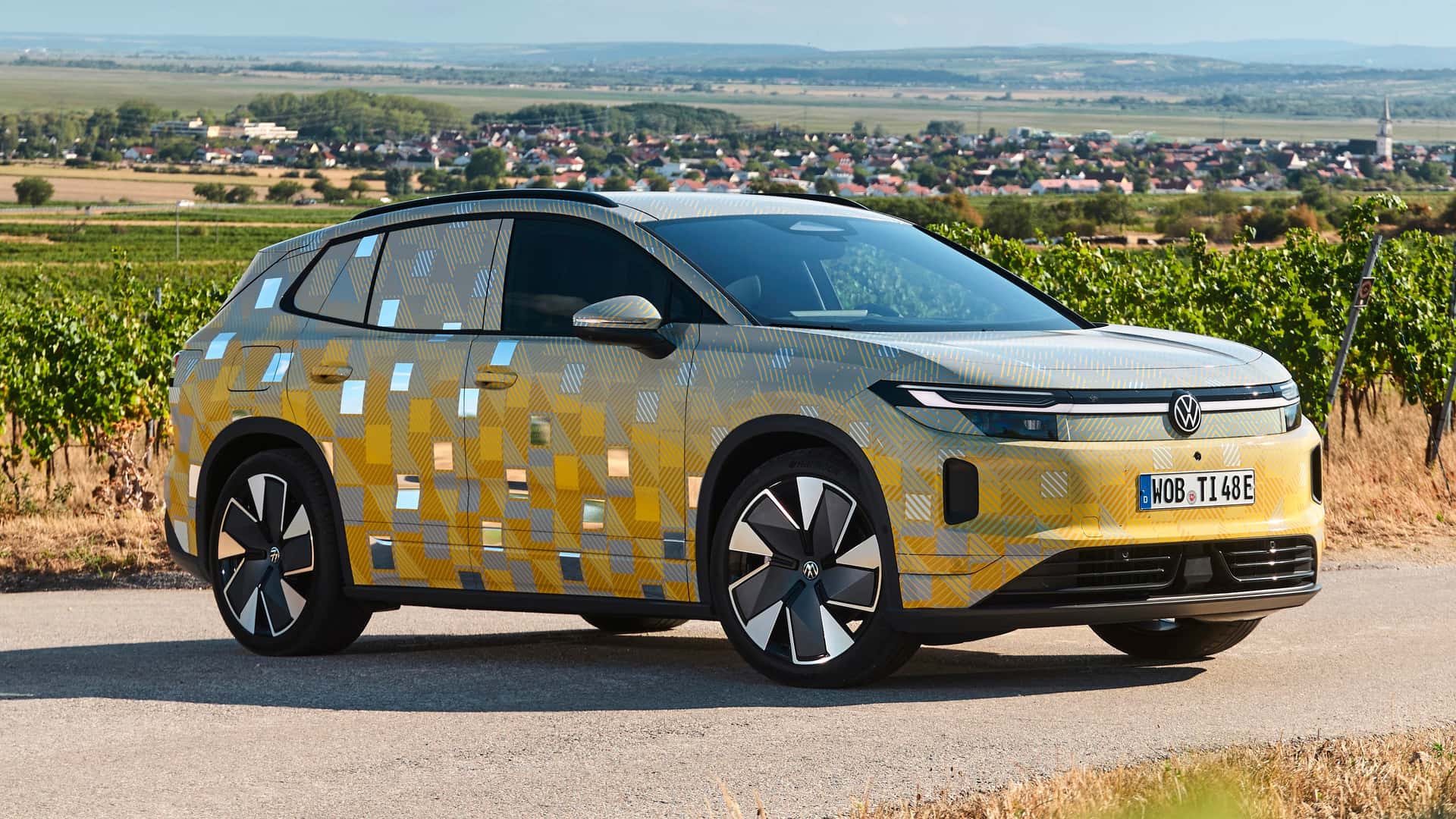
Spy photography of the 2027 ID. Tiguan prototypes indicates that while the overall footprint and silhouette of the vehicle will remain largely consistent with the outgoing ID.4, the exterior will receive a significant aesthetic overhaul. Volkswagen’s design team has implemented new headlight and taillight configurations that mirror the more aggressive, angular styling seen on the latest ID.3 Neo and the ID. Polo. These changes are intended to provide the vehicle with a more athletic, boxy presence, countering the somewhat "bulbous" aesthetic of the current model that drew mixed feedback from automotive critics and owners.
The most substantial changes, however, are reserved for the interior. Responding to widespread criticism regarding the current user interface, Volkswagen is abandoning its reliance on capacitive-touch controls. The new dashboard layout features a more tactile approach, incorporating a row of physical buttons beneath the central touchscreen. This shift is a direct result of extensive customer feedback, which highlighted the frustration caused by the lack of physical feedback in the current generation of ID-branded vehicles. Furthermore, the touch-sensitive sliders for volume and climate control—often cited as a point of contention for users—are being replaced by more traditional, intuitive interfaces.
The cabin will also feature a larger digital instrument cluster, updated steering-wheel-mounted physical controls, and individual window switches for each door, replacing the problematic shared-switch layout of the previous model. A volume knob is expected to be positioned between the front seats, providing a familiar point of interaction for drivers. These modifications, which were first introduced during the ID.3 Neo facelift, signify a broader internal policy shift at Volkswagen to prioritize user experience and ease of operation over minimalist, touch-heavy design.
Market Strategy and North American Transition
Volkswagen has confirmed that the ID. Tiguan will launch in Europe in early 2027, with a subsequent rollout scheduled for the North American market. This timeline is deliberate, as it allows the company to transition its production facilities and supply chain to support the new model. The ID. Tiguan is officially slated to succeed the ID.4 in North America, effectively serving as the next generation of the brand’s electric crossover efforts in that region.
"The ID. Tiguan is planned to succeed the ID.4 in the North American market," a company representative stated. "Following its European launch in early 2027, Volkswagen will share North American timing and additional market-specific details in due course."
This transition marks a critical point in the brand’s "Accelerate" strategy. As the ID.4 reaches the end of its life cycle in its current form, the ID. Tiguan arrives at a time when the market is demanding greater range, faster charging, and more intuitive technology. By leveraging the Tiguan name, Volkswagen is banking on the "Halo Effect"—the idea that the positive reputation of the gasoline-powered Tiguan will rub off on the electric version, providing a sense of security and reliability that early-adopter EV models sometimes struggled to convey to the mainstream buyer.
Implications for the Competitive Landscape
The shift to the ID. Tiguan nameplate is more than a mere marketing exercise; it is an acknowledgment that the "ID." sub-brand has not achieved the same level of household recognition as the core Volkswagen model names. By embedding the ID. vehicles into the established hierarchy of Golf, Polo, and Tiguan, Volkswagen is attempting to simplify its product portfolio for the consumer.
From a manufacturing perspective, the reliance on the MEB platform ensures that the ID. Tiguan will benefit from the economies of scale that Volkswagen has spent billions to establish. By keeping the body dimensions similar to the outgoing ID.4, the company can streamline the transition at its manufacturing hubs, minimizing downtime and retooling costs.
For the automotive industry, the ID. Tiguan represents a pivotal case study in how established manufacturers handle the transition to electrification. The strategy of "electrifying the nameplate" rather than "rebranding the vehicle" allows for a seamless transition for the consumer. As we look toward 2027, the success of the ID. Tiguan will likely hinge on whether these ergonomic and design improvements are sufficient to satisfy the demands of a increasingly sophisticated EV market. With its focus on physical controls, enhanced cabin technology, and a storied name, Volkswagen is making a calculated bet that traditional values, paired with modern electric technology, remain the most effective path toward mass-market adoption.