










Apple has launched a major promotional campaign aimed at expanding its financial services footprint, offering new applicants the opportunity to earn double Daily Cash rewards for their entire first year of card membership. The limited-time offer, which is available exclusively through specific promotional channels and runs through December 10, significantly elevates the value proposition of the company’s flagship credit card by pushing potential cash-back returns as high as six percent on qualifying purchases.
The initiative marks one of the most aggressive promotional pushes Apple has undertaken for the Apple Card since its initial debut. By temporarily doubling the standard cash-back structure, the Cupertino-based technology giant aims to capture consumer attention during the highly competitive holiday shopping season—a critical period for credit card acquisition, retail spending, and financial ecosystem lock-in.
Main Facts of the Promotion
Under the terms of the limited-time promotional structure, new cardholders who successfully apply and are approved for an Apple Card by the December 10 deadline will see their Daily Cash rewards doubled across all standard spending tiers for 365 days from the date of account opening.
For everyday consumers, this translates into an enhanced rewards matrix:
- 6% Cash Back: Applicable on purchases made directly at Apple—including retail stores, the Apple Store app, apple.com, and digital services—as well as select merchant partners when utilizing Apple Pay.
- 4% Cash Back: Applicable on standard purchases made using Apple Pay at participating merchants everywhere else.
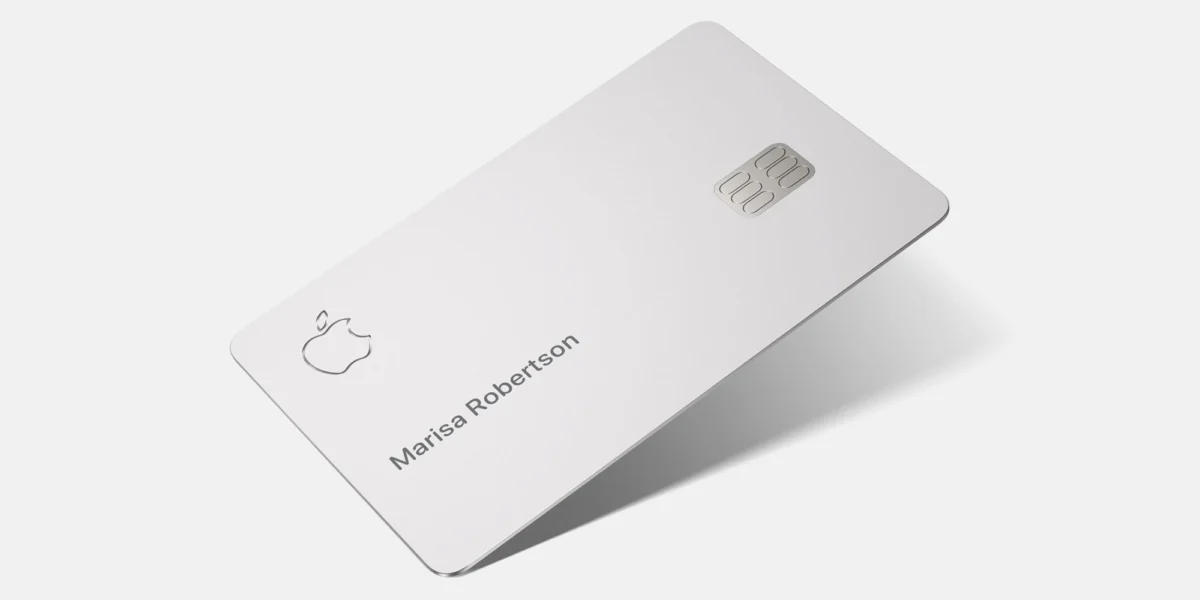
- 2% Cash Back: Applicable on purchases made using the physical titanium Apple Card or the virtual card number for merchants that do not accept contactless Apple Pay transactions.
Unlike traditional credit card reward programs that accumulate points or miles subject to complex redemption rules, blackout dates, or delayed statement credits, Apple’s Daily Cash system deposits the earned percentage directly into the user’s Apple Cash card daily. These funds become immediately available to spend via Apple Pay, transfer to a connected bank account, or deposit into a high-yield Savings account managed by partner bank Goldman Sachs.

However, the promotion does include a strict cap. Apple has placed a ceiling of $1,000 in total additional Bonus Daily Cash that a single account can earn throughout the 12-month promotional window. Once an individual accumulates $1,000 in bonus earnings—which equates to spending varying high-volume amounts depending on the tier—their reward structure automatically reverts to the standard rates of 1%, 2%, and 3% for the remainder of the first-year term. Furthermore, standard terms dictate that merchant offers remain subject to change at any time based on retail partnerships.
Chronology and Background Context
The Apple Card was first unveiled in March 2019 during a special Apple Special Event at the Steve Jobs Theater, before officially launching to the U.S. public in August of that same year. Developed in partnership with investment banking giant Goldman Sachs and payments network Mastercard, the product was designed to integrate deeply with the Apple Wallet app on the iPhone, offering a digital-first credit card experience focused on privacy, zero fees, and transparent rewards.
Over the subsequent years, Apple has gradually iterated on the product to make it more financially appealing and competitive within the crowded fintech and rewards credit card landscape. In 2023, Apple introduced a high-yield Savings account feature for Apple Card users, allowing them to automatically deposit their Daily Cash earnings into an account with a competitive annual percentage yield (APY) with no minimum balance or deposit requirements.
Historically, Apple has relied on targeted introductory bonuses to drive acquisitions, occasionally offering tiered gift cards, limited-time sign-up bonuses through specific retail partners, or temporary bumps in cash back for specific merchant categories. However, an across-the-board doubling of the standard Daily Cash structure for an entire year represents a notably richer incentive than historical sign-up bonuses, which typically offered fixed dollar amounts after a cardholder met a specific minimum spending threshold within their first few months.
By extending the promotional window through December 10, Apple has strategically positioned the offer to capture consumers gearing up for peak holiday shopping. This timing ensures that new applicants can maximize their accelerated rewards on major electronics purchases, holiday gifts, travel bookings, and everyday seasonal expenditures.
Supporting Data and Financial Mechanics
To understand the true financial impact of the promotion, it is necessary to examine consumer spending habits and the baseline mechanics of the Apple Card reward tiers.

In a standard economic climate, the Apple Card offers a competitive, albeit not industry-leading, rewards framework: 3% back at Apple and select retail partners (such as Uber, Walgreens, ExxonMobil, and Nike when using Apple Pay), 2% back on all Apple Pay transactions, and 1% back on physical card swipes. While many travel and rewards cards offer higher baseline percentages or complex point multipliers tied to specific travel portals, the Apple Card’s strength has always resided in its frictionless daily payout and absence of annual, foreign transaction, or late payment fees.
By doubling these figures to 6%, 4%, and 2% respectively, the promotional tier places the Apple Card firmly at the upper echelon of cash-back credit cards on the market. For instance, a consumer who spends $5,000 on Apple Pay transactions over the course of the year would typically earn $100 under the standard 2% structure. Under the current promotion, that same spending yields $200 in Daily Cash.
The $1,000 bonus cap is also a critical data point. To hit the $1,000 bonus threshold entirely through standard Apple Pay transactions (which yield an additional 2% boost during the promo), a cardholder would need to spend $50,000 on qualifying 2% purchases. Alternatively, reaching the cap exclusively through 3% Apple purchases (which yield an additional 3% boost) would require approximately $33,333 in spending. For the vast majority of retail consumers, the $1,000 cap acts as a generous ceiling that will rarely be breached within the first 12 months, though high-volume spenders and small business owners utilizing the card may hit the limit before the year concludes.
Industry Implications and Strategic Analysis
Financial analysts view this aggressive promotional campaign as a calculated move by Apple to deepen its financial services ecosystem and potentially navigate its ongoing institutional partnership transition.
In recent years, reports have circulated regarding Goldman Sachs’ desire to scale back or exit its consumer lending partnerships, including its arrangement with Apple. Despite these institutional shifts, Apple has remained steadfast in expanding its financial offerings, which now include Apple Pay, Apple Pay Later (though subject to periodic restructuring), Apple Cash, and the high-yield Savings account.
Credit card acquisition costs across the financial sector have risen significantly as banks compete for prime and super-prime borrowers with lucrative sign-up bonuses, statement credits, and premium perks. By offering a 6% cash-back ceiling on Apple products and Apple Pay, Apple is effectively subsidizing consumer hardware purchases and digital services consumption. A consumer who buys a new iPhone, Mac, or iPad using the promotional card effectively receives a steep discount via Daily Cash, which can immediately be funneled back into buying more Apple products, applications, or media through the App Store and iTunes.

Furthermore, driving consumers to adopt the Apple Card increases the likelihood of long-term retention. Behavioral economics research within the fintech sector consistently demonstrates that consumers who route their daily transactions through a mobile-integrated wallet experience higher card utilization rates and greater brand loyalty. When rewards are deposited daily rather than monthly or annually, the psychological reinforcement of the reward is immediate, encouraging continued spending on the platform.
Broader Impact on the Consumer Landscape
For everyday consumers navigating an economic environment characterized by persistent cost-of-living concerns and cautious discretionary spending, promotional credit card offers carrying zero annual fees represent an attractive avenue for optimizing personal budgets.
Financial advisors generally caution that promotional reward structures should not encourage unnecessary debt accumulation or overspending merely to chase cash-back percentages. However, for individuals who already plan to make significant technology purchases, holiday gifts, or routine household expenditures, leveraging a 6% or 4% cash-back vehicle provides a tangible financial cushion.
The ability to automatically route these enhanced Daily Cash earnings into a high-yield savings account further compounds the financial benefit, allowing users to earn interest on their cash-back rewards rather than letting them sit idle in a standard checking account.
How to Qualify and Apply
The promotion is subject to standard credit approval criteria. Interested applicants must meet specific financial and credit history requirements determined by Apple and its issuing bank partner.
To take advantage of the double Daily Cash offer, applications must be submitted through the designated promotional landing page before the December 10 cutoff date. Once approved, the virtual card is provisioned instantly to the user’s Apple Wallet, allowing them to begin utilizing the 6%, 4%, and 2% reward tiers immediately via Apple Pay while awaiting the delivery of the physical titanium card.