










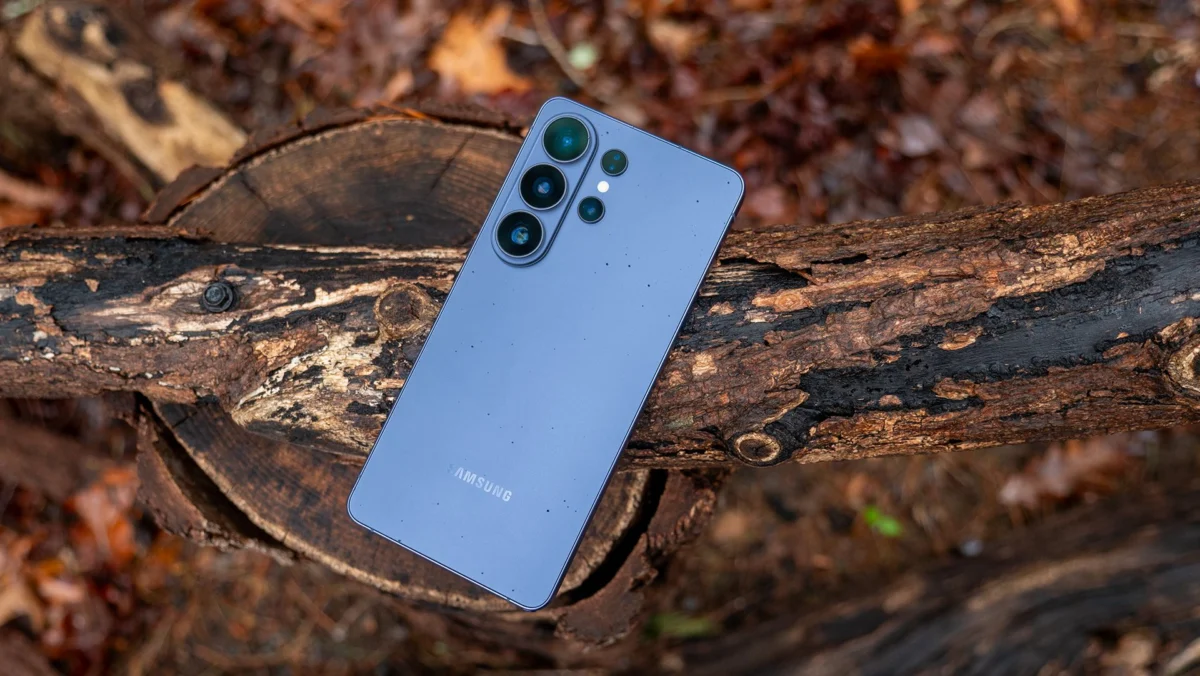
Samsung Electronics is reportedly restructuring its flagship smartphone strategy for the upcoming generation, signaling a decisive pivot toward the ultra-premium sector. According to recent supply chain reports originating from industry trackers in South Korea, the technology conglomerate is preparing to introduce a four-tier Galaxy S27 lineup early next year. Within this expanded ecosystem, the company intends to heavily prioritize its highest-tier offerings, with production allocations for the newly introduced Galaxy S27 Pro and the flagship Galaxy S27 Ultra projected to account for more than 70 percent of the total manufacturing volume.
The anticipated shift underscores a broader industry trend where consumer demand increasingly gravitates toward advanced mobile capabilities, premium materials, and sophisticated artificial intelligence integration, even amid broader economic uncertainties. As smartphone replacement cycles lengthen globally, major manufacturers are finding that high-end devices retain their market value and consumer appeal far better than budget or mid-range alternatives.
The Evolution of the Flagship Lineup: A Four-Tier Ecosystem
For several years, Samsung’s traditional flagship rollout followed a predictable three-tier framework: a standard model designed for mainstream consumers, a larger Plus variant for those seeking extended screen real estate and battery life, and an Ultra edition packed with cutting-edge camera technology and productivity features like the S Pen stylus. However, industry leaks suggest that the upcoming Galaxy S27 series will disrupt this familiar template by introducing the Galaxy S27 Pro.
The addition of the Pro moniker is widely interpreted as an effort to bridge the gap between the Plus and Ultra models, offering consumers high-end specifications without requiring them to purchase the largest and most expensive device in the portfolio. According to reports from ET News, Samsung has set an overall production target of approximately 35 million units across the entire Galaxy S27 family. Within this ambitious blueprint, the production distribution heavily favors the top two tiers.
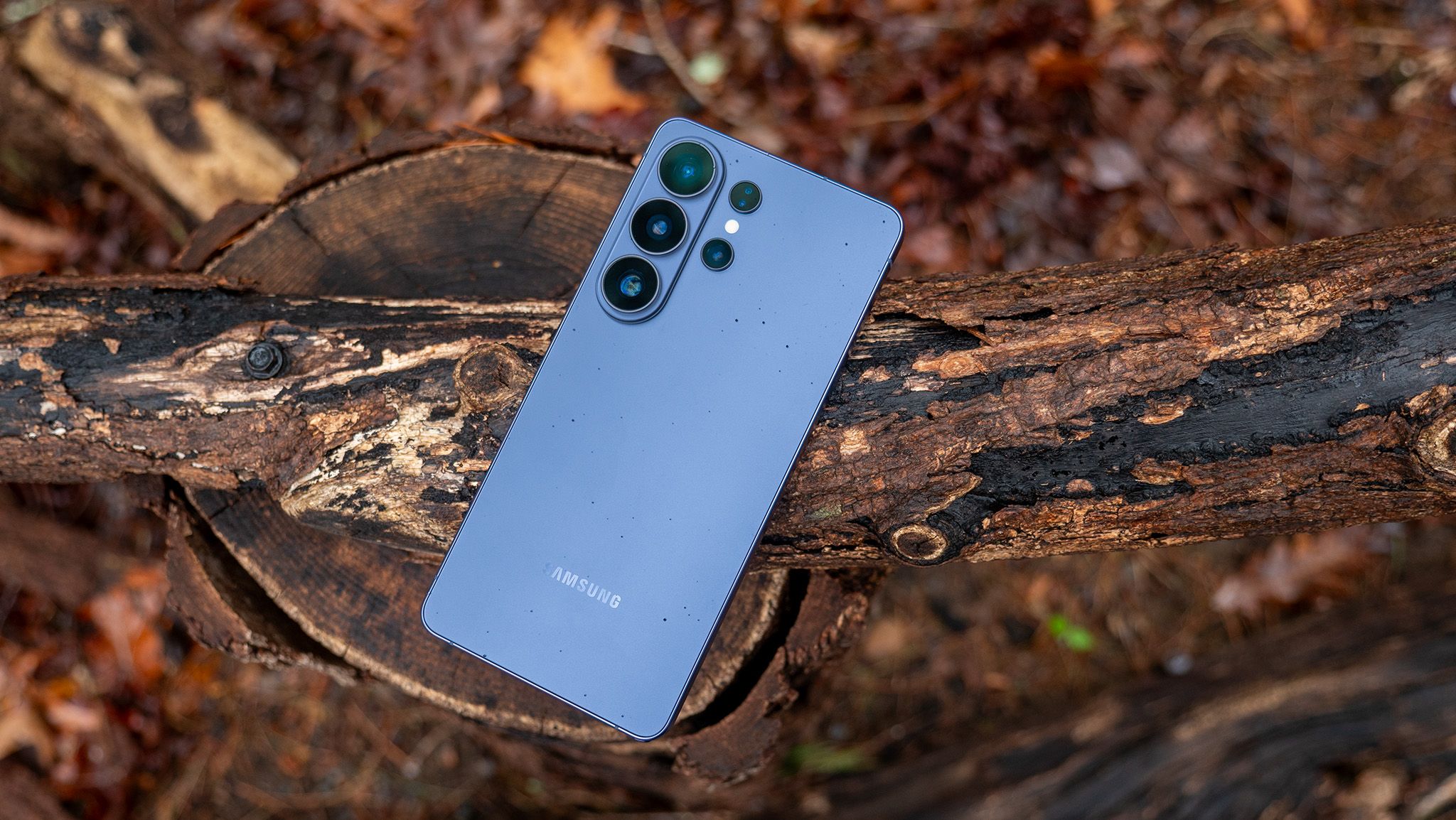
The crown jewel of the lineup, the Galaxy S27 Ultra, is slated for a staggering production run of approximately 18 million units. This massive volume mirrors the manufacturing targets set for its predecessor, the Galaxy S27 Ultra, which accounted for roughly half of the total production volume of the previous generation. Meanwhile, the newly minted Galaxy S27 Pro is expected to account for an estimated 7 to 8 million units. Combined, these two high-end devices represent roughly 25 to 26 million units, leaving the standard Galaxy S27 and Galaxy S27 Plus to share the remaining 9 to 10 million allocated units.
Strategic Implications of the Pro Model
The introduction of the Galaxy S27 Pro is not merely a naming convention change; it represents a calculated maneuver to capture consumers who desire advanced technological features but prefer a more manageable physical form factor.
Previous generation flagships often forced buyers into a binary choice: settle for the standard Plus model with conventional specifications, or upgrade to the Ultra to access innovative hardware enhancements. Industry analysts note that the Galaxy S27 Pro is expected to inherit several flagship capabilities from the Ultra tier—such as advanced display technologies like the Privacy Display—while omitting productivity-centric tools like the dedicated housing for the S Pen. By delivering these high-tier features in a slightly more compact and potentially more accessible package, Samsung aims to entice buyers who might otherwise have bypassed the brand’s top-tier offerings entirely.
This production strategy also reflects a sophisticated understanding of margin optimization. Premium and ultra-premium smartphones inherently yield higher profit margins per unit sold compared to entry-level or mid-range devices. By directing manufacturing capacity toward models with robust price tags, Samsung can help insulate its mobile division against fluctuations in global shipment volumes while maximizing revenue per device.
Historical Context and Market Dynamics
Samsung’s aggressive bet on the high-end sector aligns with its recent performance metrics across other product categories. Over the past year, the company’s foldable device division has experienced significant momentum, with the Galaxy Z Fold 8 reporting robust sales figures that successfully challenged competing high-end ecosystems, including Apple’s prevailing iPhone dual-device strategies.
This resilience in the luxury mobile segment demonstrates that consumers willing to invest in premium technology are largely unfazed by macroeconomic pressures, provided the hardware and software deliver tangible value. Samsung’s ability to maintain strong demand for its Ultra-tier devices year-over-year has emboldened leadership to expand the upper echelon of the Galaxy S ecosystem rather than simply relying on volume sales of lower-priced units.
Furthermore, supply chain adjustments of this magnitude require months of meticulous planning with component manufacturers, display suppliers, and semiconductor foundries. Allocating nearly three-quarters of a major production run to two high-end devices indicates that Samsung has high confidence in its component yield, projected market demand, and the drawing power of its upcoming software ecosystem, particularly as mobile artificial intelligence capabilities continue to mature and demand specialized hardware processing power.
Future Outlook and Consumer Expectations
While the leaked production figures provide a compelling glimpse into Samsung’s internal planning, industry observers emphasize that these targets remain fluid. Official announcements from Samsung regarding the Galaxy S27 series are not expected until early next year, leaving ample room for adjustments based on early component testing, preliminary market feedback, and shifts in global economic conditions.
Nevertheless, the trajectory is clear. As the smartphone market matures, manufacturers are increasingly steering away from commoditized volume plays and toward differentiated, high-value flagships. If the Galaxy S27 Pro successfully captures the intended demographic between the Plus and Ultra models, it could establish a new blueprint for mobile portfolio management, cementing Samsung’s dominance in the global premium smartphone landscape for years to come.