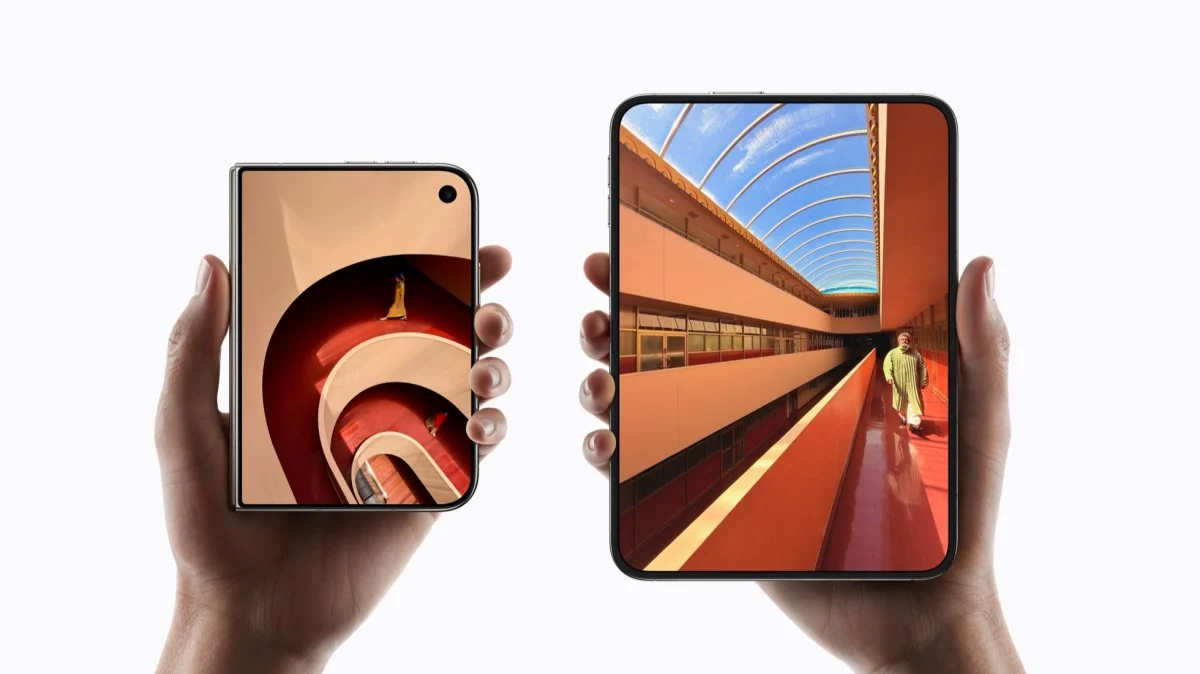
For years, the technology industry and Apple enthusiasts alike speculated that Cupertino’s eventual foray into the foldable smartphone market would adopt the prestigious "Ultra" moniker. However, recent developments confirm that Apple has officially settled on the "iPhone Duo" branding for its foldable lineup. While the change in nomenclature initially surprised market analysts, industry insiders—most notably Bloomberg’s Mark Gurman—have provided compelling context regarding why this specific brand identity was chosen. The decision appears to be rooted in a strategic long-term vision that views the foldable form factor not as a singular luxury experiment, but as a foundational pillar of Apple’s mobile strategy for the next decade.
The Strategic Rationale Behind the Duo Branding
The selection of the "Duo" brand is far from arbitrary. According to analysis provided by Gurman, the term serves a dual purpose: it describes the device’s inherent dual-screen functionality while simultaneously aligning with Apple’s established naming conventions. Apple’s internal marketing teams have historically favored short, punchy, three-letter identifiers that convey utility and power, such as "Pro" and "Air." By adopting "Duo," Apple places the new foldable category on equal footing with its existing premium product tiers.
Furthermore, the naming strategy addresses a significant logistical hurdle for future product expansion. Apple is reportedly developing a comprehensive ecosystem of foldable devices, including a larger "iPhone Duo Max," a more compact "iPhone Duo mini," and an entry-level "iPhone Duo SE." When paired with these suffixes, "Duo" maintains a cohesive and logical linguistic flow. Analysts point out that alternatives like "iPhone Ultra mini" or "iPhone Ultra Max" would have sounded cumbersome and lacked the brand synergy that "Duo" provides. This suggests that Apple is not merely releasing a single flagship, but is preparing to transition its entire mobile portfolio toward foldable screen technology.
A Chronology of Apple’s Foldable Ambitions
The path to the iPhone Duo has been characterized by years of rigorous internal testing, prototyping, and patent filing. Unlike competitors who rushed to market with first-generation foldable devices, Apple maintained a patient, if not cautious, stance.
- 2019–2021: The emergence of early foldables from competitors like Samsung and Huawei prompted Apple to initiate internal research into flexible display materials and hinge durability. During this period, Apple filed dozens of patents regarding "self-healing" screen coatings and complex friction hinges.
- 2022–2024: Rumors intensified regarding an "iPhone Ultra," with many analysts predicting a foldable device by 2025. During this window, Apple reportedly tested various form factors, including "clamshell" designs and larger, book-style folding devices.
- 2025: Apple solidified its supply chain partnerships, focusing on high-durability OLED panels capable of withstanding hundreds of thousands of folds without degradation.
- Late 2026: The official announcement of the iPhone Duo marks a pivotal moment in the company’s history, signaling the transition from rumor to commercial reality.
Market Implications and Industry Disruption
The introduction of the iPhone Duo is expected to have a profound impact on the mobile computing landscape. Gurman’s assessment suggests that by early next year, the iPhone Duo will likely become the "predominant foldable phone on the market," a projection supported by the historical strength of the Apple brand and its unparalleled supply chain execution.
Industry experts anticipate that demand for the initial release will be unprecedented, likely leading to severe supply shortages. Historically, when a flagship Apple product experiences significant scarcity, secondary markets react with volatility. Forecasts indicate that scalpers may drive resale prices to extreme levels on platforms like eBay, as enthusiasts and early adopters compete for limited initial stock. This supply-demand imbalance is common for "category-defining" releases, but the scale of the iPhone Duo launch is expected to be more aggressive than previous iterations, such as the introduction of the Vision Pro or the original Apple Watch.
Comparative Analysis: The Foldable Landscape
The broader impact of the iPhone Duo extends beyond Apple’s quarterly revenue; it represents a validation of the foldable form factor. For years, the foldable market has been categorized as a niche segment occupied by high-end Android devices. Despite improvements in screen technology, many consumers have remained skeptical of the long-term reliability and practical utility of foldable devices.
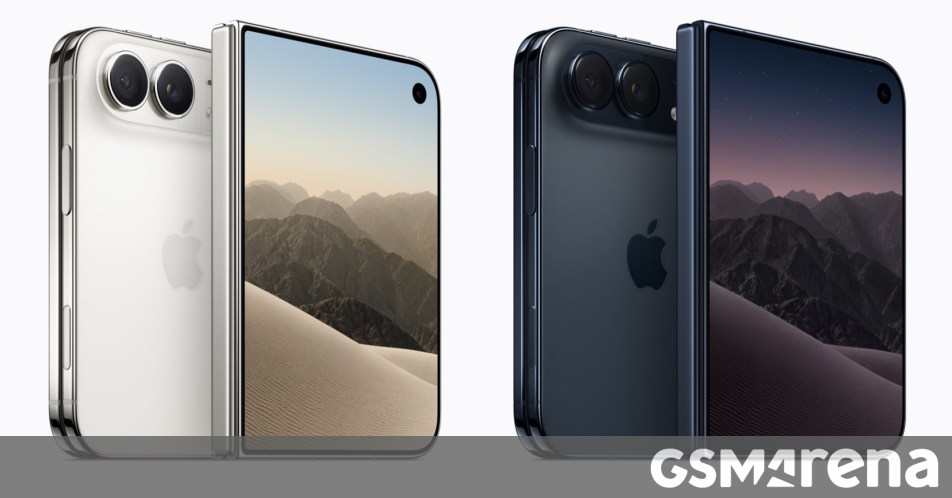
Apple’s entry is expected to "turn foldables into the new normal." By integrating the foldable form factor into the standard iPhone product line, Apple is essentially forcing the rest of the industry to standardize their own foldable technology. Investment in foldable screen research, hinge mechanics, and software optimization is expected to skyrocket across the industry as competitors scramble to keep pace with the quality and software integration standards set by the iPhone Duo.
From a technical standpoint, the success of the Duo will depend on its software ecosystem. Apple’s iOS has long been optimized for standard slate devices. The transition to a folding interface requires a seamless handoff between folded and unfolded states, a challenge that Apple has reportedly spent years addressing through its "continuity" software features. If the software experience remains as intuitive as current iPhone models, the "fad" label often applied to foldables will likely be discarded in favor of a new, more versatile standard for mobile computing.
Official Perspectives and Market Skepticism
While enthusiasm is high, a segment of the tech community remains cautious. The skepticism surrounding foldables usually centers on three pillars: screen durability, battery life, and cost. Foldable devices inherently feature a crease at the folding point, and the complex mechanics of the hinge add significant weight and thickness to the chassis.
Apple has not yet issued a formal statement detailing the specific materials used for the Duo’s display, but industry leaks suggest the use of a proprietary ceramic-infused glass-polymer hybrid designed to minimize the visibility of the crease. Furthermore, Apple’s focus on energy-efficient silicon—the "A-series" chips—will be critical in maintaining the battery life expected of a high-end iPhone, even with the power demands of a larger, foldable display.
There is also the question of competition. Microsoft’s Surface Duo, released several years ago, attempted a similar "dual-screen" approach but ultimately struggled to gain market traction due to software limitations and a lack of ecosystem support. Apple’s advantage, analysts argue, is its vertical integration. Unlike the Surface Duo, which relied on a modified Android OS, the iPhone Duo will benefit from a version of iOS specifically optimized for adaptive screen real estate, ensuring that apps transition fluidly between states.
Looking Toward the Future
As the release date approaches, the technology sector is bracing for a shift in consumer expectations. If the iPhone Duo succeeds as projected, the traditional "slab" smartphone may eventually become a secondary offering, much like the standard iPhone is to the Pro model today.
The strategy of creating a "Duo" line—incorporating SE, Mini, and Max variants—suggests that Apple is not just dipping its toes into the water, but is fully committing to a future where screens are flexible. This transition will likely force developers to rethink mobile app design, shifting toward "responsive" interfaces that can expand or contract based on the user’s current device configuration.
Ultimately, the iPhone Duo is poised to be the most consequential release from Apple in a decade. Whether it truly becomes the "new normal" will be determined by its real-world performance, its ability to withstand daily wear and tear, and the willingness of the average consumer to embrace a higher price point for the luxury of a foldable display. For now, the industry is watching with bated breath as Apple attempts to reshape the mobile landscape once again. As the launch window nears, the question is no longer whether foldables have a place in the market, but how quickly the rest of the world will follow Apple’s lead into this new, flexible era.