The Apple iPhone 18 Pro and iPhone 18 Pro Max have officially entered the global market today, marking a significant milestone in Apple’s mobile hardware trajectory. As consumer demand for the latest flagship devices remains at a seasonal peak, the first comprehensive teardown of the iPhone 18 Pro has surfaced, offering an unprecedented look at the internal architecture that powers Apple’s latest silicon-driven mobile experience. While early adopters rush to retailers, technical analysts are dissecting the device’s structural changes, confirming long-held industry expectations regarding battery capacity, sensor housing, and the refinement of the Dynamic Island interface.
The Anatomy of the iPhone 18 Pro
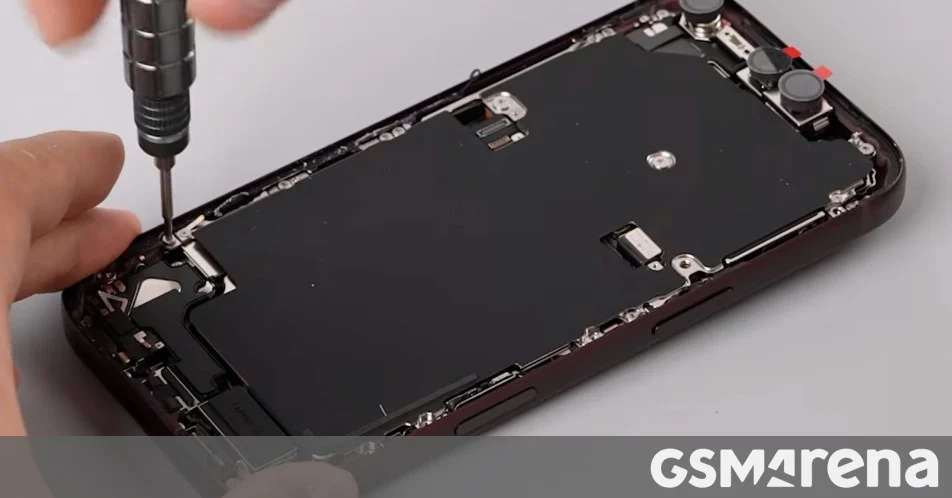
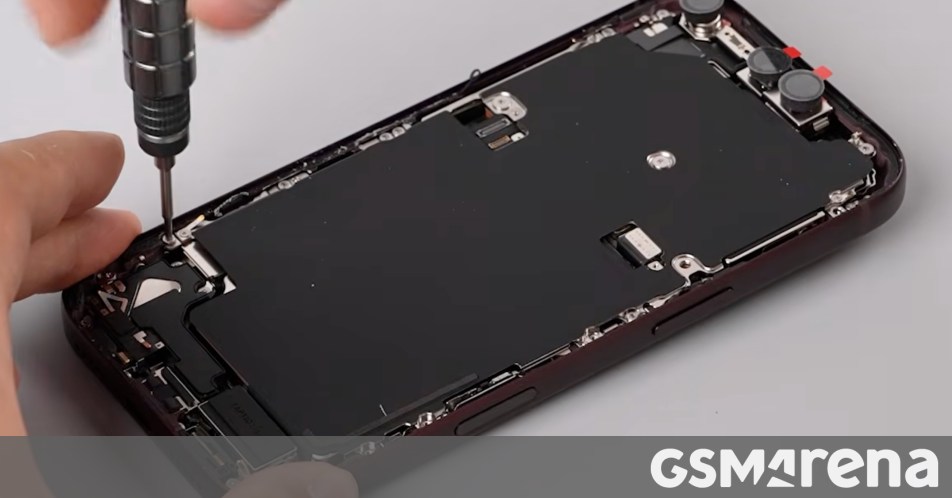
The teardown process, initiated by removing the standard pentalobe screws at the base of the device, requires the application of controlled heat and suction to compromise the water-resistant adhesive seals. Once the display assembly is carefully lifted, the internal layout reveals a meticulous approach to component integration.
One of the most noteworthy design adjustments in the iPhone 18 Pro is the further reduction of the Dynamic Island footprint. By relocating the infrared camera module beneath the display glass, engineers have freed up significant space. The pixels overlying this sensor are uniquely engineered to allow for infrared transparency, representing a sophisticated advancement in display panel manufacturing. This shift not only optimizes screen real estate but also aligns with Apple’s broader strategy of minimizing hardware interference with the user’s visual experience.
Internal Specifications and Battery Capacity
Consistent with recent industry leaks and prior certifications, the teardown confirms that the iPhone 18 Pro houses a 4,056 mAh battery. This capacity is specifically associated with the model featuring a physical SIM slot, catering to markets where cellular flexibility remains a high priority for consumers.
The main camera module has also undergone a noticeable physical expansion. While technical analysis is ongoing to determine whether the underlying image sensor has increased in physical surface area, the external housing is substantially larger than that of the iPhone 17 Pro. Industry experts attribute this enlargement primarily to the integration of a new variable aperture system. This feature, long anticipated in the smartphone market, allows the camera to physically adjust its aperture, providing photographers with greater control over depth-of-field and light intake in varying environmental conditions.
Chronology of the iPhone 18 Series Launch
The release of the iPhone 18 Pro series follows a highly choreographed development and marketing cycle. The timeline of this rollout highlights the intensity of Apple’s current supply chain and retail operations:
- September 2025 (Initial Rumors): Industry analysts began speculating about the integration of a sub-display infrared sensor and a variable aperture camera system.
- Early October 2025: Leak reports confirmed the expected battery capacity for both the Pro and Pro Max variants.
- Launch Event: Apple officially unveiled the hardware during its keynote, emphasizing internal processing gains and the refined display technology.
- Global Availability: Today marks the official store release, with simultaneous worldwide shipping and in-store availability.
Market Positioning and Pricing Strategy
The iPhone 18 Pro and Pro Max enter the market at a critical juncture for the premium smartphone segment. With inflationary pressures affecting global manufacturing costs, Apple has maintained a tiered pricing structure to accommodate various memory configurations.
For the iPhone 18 Pro, the entry-level 256GB model with 12GB of RAM is currently retailing at approximately €1,449.00 in European markets and £1,199.00 in the United Kingdom. Moving up to the 512GB configuration increases the price to €1,699.00 and £1,399.00, respectively. The iPhone 18 Pro Max, which offers a larger form factor and presumably higher performance metrics, commands a premium, starting at €1,599.00/£1,299.00 for the 256GB model, reaching up to €1,849.00/£1,499.00 for the 512GB version. These prices reflect the integration of premium materials and the high cost of the specialized components revealed in the teardown.
Broader Industry Implications
The transition to a variable aperture system and the successful implementation of an under-display infrared sensor signify a shift in the competitive landscape of mobile photography and design. By successfully moving the camera hardware under the display, Apple is effectively closing the gap between the need for high-end biometric security and the demand for a truly edge-to-edge, uninterrupted screen.
Furthermore, the increased camera housing size reflects a broader trend in the smartphone industry where optics are increasingly prioritized over thinness. For manufacturers, the challenge remains balancing these bulky, high-performance sensors with the structural integrity of the phone’s chassis. The iPhone 18 Pro’s teardown suggests that Apple is opting for a more robust frame to protect these delicate components, potentially influencing future manufacturing standards for flagship devices.
Fact-Based Analysis of Performance
While formal performance testing is currently underway, the hardware specs confirmed by the teardown offer a glimpse into the device’s potential. The 12GB of RAM is a significant upgrade from previous generations, intended to support advanced AI-driven features and real-time computational photography.

The inclusion of the variable aperture is perhaps the most significant functional change. In photography, the ability to control aperture is the difference between a flat, digital-looking image and one with a natural, optical bokeh. By introducing this to the iPhone, Apple is attempting to bridge the gap between professional DSLR cameras and mobile photography, a move that will likely pressure competitors to follow suit in their 2026 lineups.
Future Outlook and Consumer Response
The immediate appearance of a teardown video indicates the high level of consumer interest in the mechanical nuances of the iPhone 18 Pro. For Apple, the challenge will be to maintain this momentum as the initial launch excitement subsides. The company’s focus on long-term repairability and the modularity of its internal components remains a subject of ongoing debate among right-to-repair advocates, though the current design appears to favor a cohesive, sealed architecture that prioritizes water and dust resistance.
As users begin to receive their units, the next phase of the product lifecycle will involve real-world testing of the camera system’s variable aperture and the longevity of the 4,056 mAh battery under heavy processing loads. With the iPhone 18 Pro and Pro Max now available, the market is poised to observe whether these incremental hardware refinements translate into a transformative experience for the average user.
In conclusion, the iPhone 18 Pro serves as a testament to the maturation of smartphone hardware. Rather than reinventing the form factor, Apple has focused on the surgical improvement of specific, high-impact areas: the camera’s optical capabilities and the display’s visual purity. While these changes may seem incremental on paper, they represent significant engineering hurdles that, once cleared, set the standard for the next generation of mobile computing. The industry will be watching closely as full performance reviews emerge in the coming weeks, providing a clearer picture of whether these hardware upgrades deliver the anticipated performance dividends in real-world scenarios.