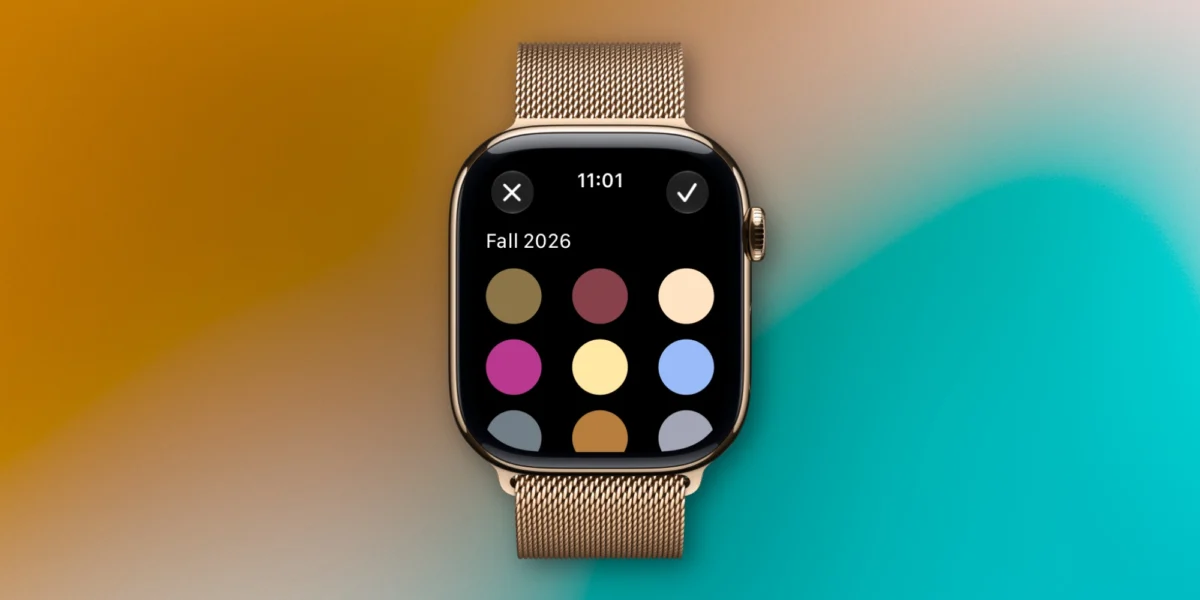
The release of watchOS 27 marks a significant milestone in Apple’s ongoing commitment to personalizing the wearable experience, with the iconic Modular watch face receiving a major aesthetic and functional overhaul. As Apple continues to refine the interface of the Apple Watch, the Modular design remains a cornerstone of the ecosystem, prized by users for its high information density and structural versatility. By introducing 13 new color palettes and integrating advanced health-tracking complications, Apple is effectively extending the lifespan and utility of its flagship wearable series.
Evolution of the Modular Watch Face
Since its inception, the Modular face has been characterized by its grid-based layout, which allows users to display a wide array of complications—small, glanceable data points—within a single screen. This design philosophy directly addresses the primary value proposition of the Apple Watch: providing immediate access to relevant information without the need to navigate through complex application menus.
Over the years, Apple has experimented with several iterations of this concept to cater to different user demographics. The Modular Compact, introduced in earlier versions of watchOS, offered a more condensed aesthetic, while the Modular Ultra, designed specifically for the rugged Apple Watch Ultra line, emphasized durability and high-contrast visibility. The recent introduction of the Siri Modular face, which utilizes machine learning to suggest relevant information based on time and context, represented a shift toward predictive computing. The updates in watchOS 27, however, focus on the original, classic Modular design, reinforcing its status as the most enduring face in the company’s software library.
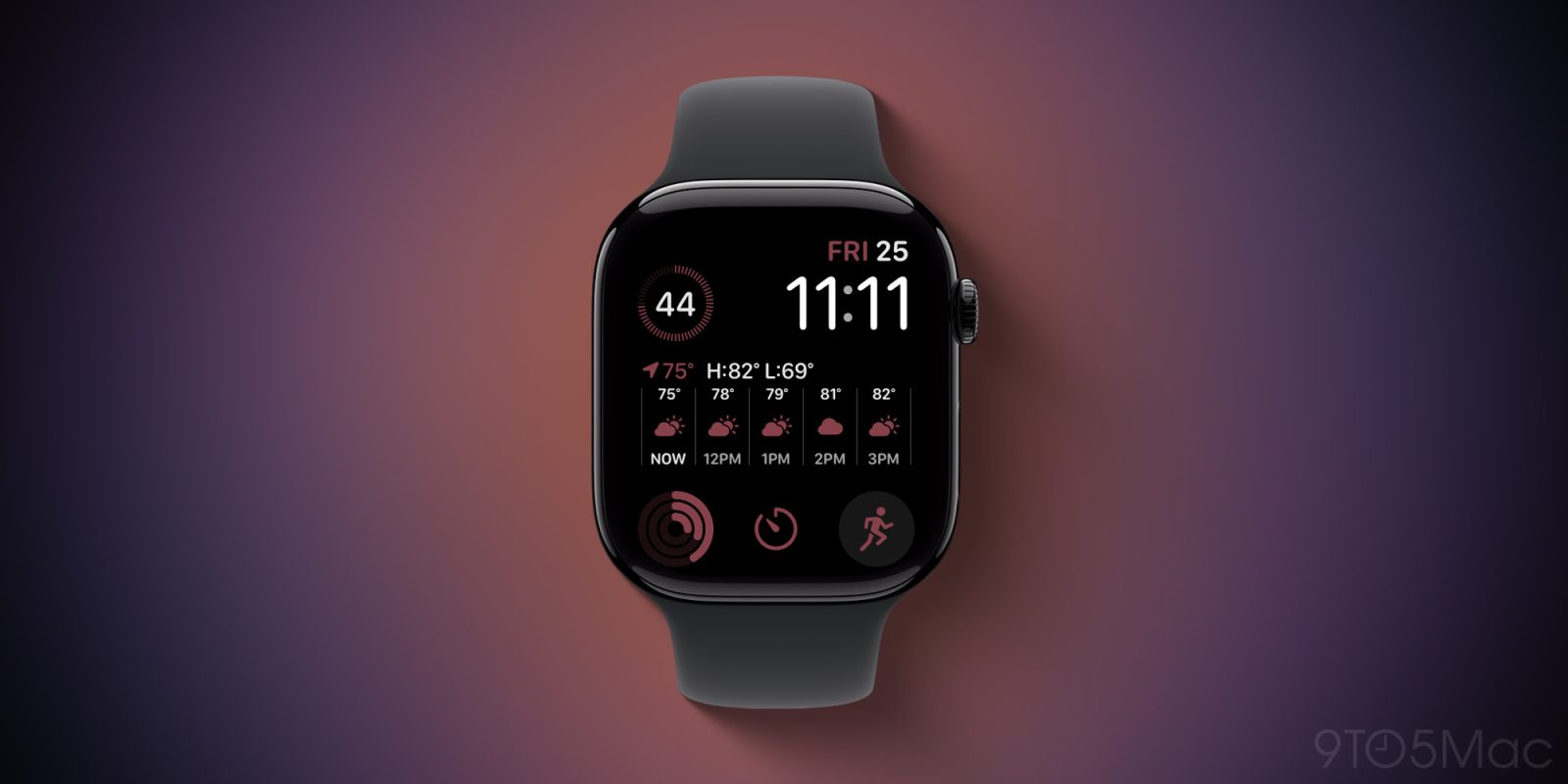
The watchOS 27 Color Expansion
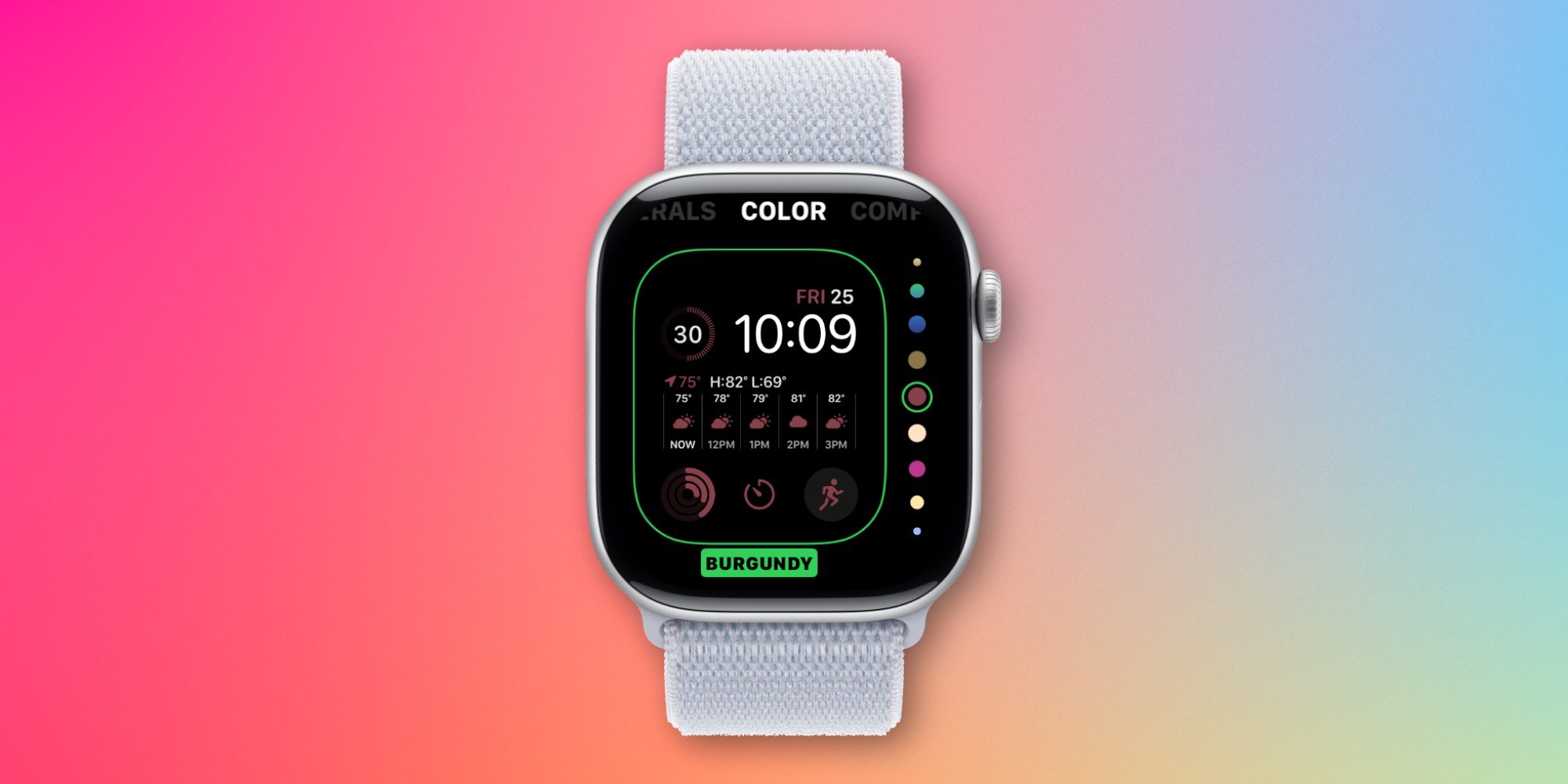
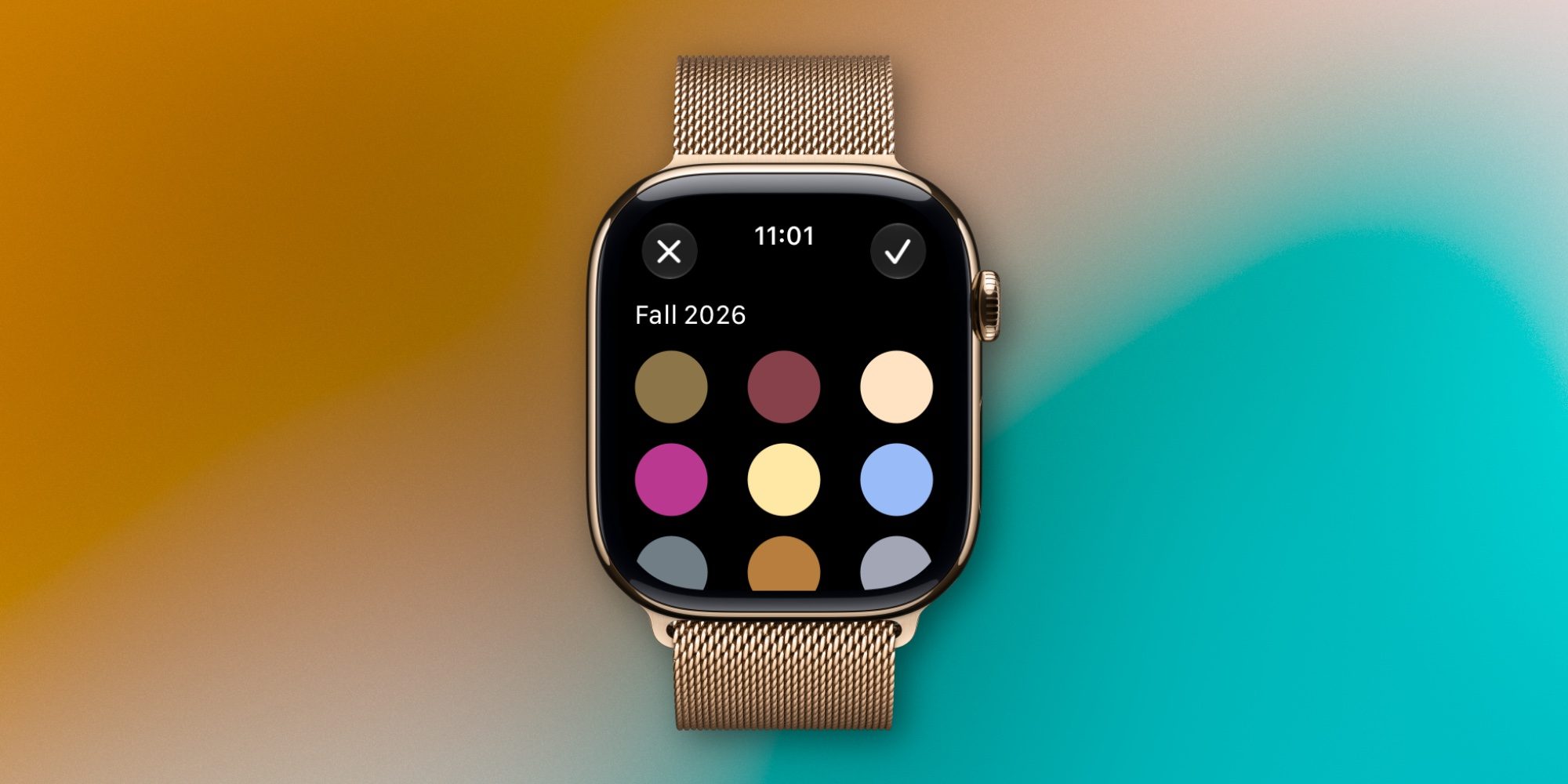
The addition of 13 new color options is more than a simple aesthetic change; it is an acknowledgment of the Apple Watch’s role as both a piece of technology and a fashion accessory. The new color spectrum is designed to complement the updated finishes available on the Series 12 and Apple Watch Ultra 4.
For users who wish to customize their devices, the process remains intuitive. By accessing the watch face gallery on the iPhone or long-pressing on the watch screen itself, users can navigate to the color customization menu. In watchOS 27, the interface has been expanded to accommodate the new palette. Furthermore, Apple has maintained its commitment to historical continuity by allowing users to access legacy color schemes via a "Tap to add more colors" feature, ensuring that users are not forced to abandon their preferred configurations from previous operating systems.
Advanced Complications for Series 12 and Ultra 4
Perhaps the most substantial change under the hood of watchOS 27 is the introduction of advanced, hardware-exclusive complications. These features are specifically optimized for the high-resolution displays of the Series 12 and the latest Ultra model.
The new complications focus on three critical pillars of modern wellness:
- Daily Steps: Leveraging the improved accelerometer and motion-processing capabilities of the latest silicon, this complication provides real-time updates on physical movement with minimal latency.
- Heart Rate: Utilizing the updated biometric sensors, this feature offers more granular data visualization, allowing users to track their cardiovascular performance with increased precision.
- Readiness: A newer metric in the Apple Health ecosystem, the Readiness score provides a synthesized view of the user’s physical state, taking into account sleep quality, recovery time, and physiological stress.
These additions suggest that Apple is moving toward a more holistic health-tracking model, where the watch face acts as a dashboard for daily vitality rather than just a time-telling device.
Context and Chronological Development
The history of watchOS reflects a steady progression from a notification-centric interface to a health-centric one. When the Apple Watch was first introduced in 2015, the Modular face was one of the few options available that prioritized data density. As the hardware evolved, the software followed suit, with watchOS 4, 7, and 10 serving as key turning points for watch face capabilities.
The release of watchOS 27 follows the debut of the Series 12, which featured a notable reduction in bezel size and an increase in peak brightness. This hardware advancement necessitated a software update that could take advantage of the expanded screen real estate. By offering more color depth and more complex, data-rich complications, Apple is ensuring that the software interface remains as sophisticated as the underlying hardware.
Analytical Perspective: Why Modular Matters
From a product design standpoint, the longevity of the Modular face is an anomaly in the fast-paced world of consumer electronics. Most software interfaces are discarded or completely overhauled every few years. However, the Modular design has persisted because it successfully solves the "glanceability" problem.
Industry analysts observe that by keeping the Modular face as a primary option, Apple builds brand loyalty through familiarity. Users who have spent years curating their specific arrangement of complications are unlikely to switch to competing platforms, as the "switching cost" involves losing a personalized data dashboard that they have optimized over half a decade. By iterating on this specific face rather than replacing it, Apple maintains its user base while still providing the "freshness" required to drive hardware upgrade cycles.
Official Stance and User Reception
While Apple rarely comments on individual design choices, spokespeople during the watchOS 27 keynote emphasized that the company’s design language is increasingly focused on "personal agency." By providing more color options and more granular data choices, Apple is effectively handing the design tools to the end-user.
Early feedback from the developer community and beta testers has been largely positive. Many have noted that the new, more vibrant colors interact better with the improved display technology on the newer watches, reducing eye strain in direct sunlight and providing better contrast in low-light environments.
Broader Impact and Future Implications
The update to the Modular face serves as a microcosm for Apple’s broader software strategy: incremental refinement combined with strategic hardware integration. As the Apple Watch continues to penetrate the medical and fitness monitoring markets, the ability to display high-fidelity health metrics directly on the watch face will become increasingly critical.

The shift toward "Readiness" metrics and more precise heart rate tracking indicates that the Apple Watch is trending toward becoming a clinical-grade monitoring device. Future iterations of watchOS will likely see even more specialized complications, potentially including blood pressure monitoring or blood glucose estimation, if the hardware sensors eventually support such functions.
Conclusion
The enhancements brought by watchOS 27 to the Modular watch face are a testament to Apple’s meticulous approach to software design. By balancing the need for aesthetic customization with the demand for functional, data-driven utility, Apple has managed to keep its most popular watch face relevant in an increasingly crowded wearable market. Whether through the 13 new color additions or the integration of sophisticated health-tracking complications, the update provides a compelling reason for existing users to keep their devices updated and encourages new users to engage with the deep customization options that define the Apple Watch experience.
As the industry moves toward more integrated digital health solutions, the humble watch face—once merely a way to check the time—has transformed into a vital, personalized health portal. With watchOS 27, that portal has become more colorful, more informative, and more essential than ever before.