The introduction of these smart glasses follows years of industry speculation regarding "Project Moohan," a collaborative effort between Samsung, Google, and Qualcomm to build a competitive XR (Extended Reality) ecosystem. The resulting products are two distinct styles of eyewear that leverage Google’s Gemini AI and a specialized version of the Android operating system, known as Android XR. This software platform is specifically optimized for heads-up displays and spatial computing, ensuring that the user interface remains intuitive and non-intrusive. Unlike the bulky VR headsets of the past, Samsung’s Intelligent Eyewear is designed to look nearly indistinguishable from traditional prescription glasses or high-end sunglasses, a move intended to overcome the social friction that has historically hampered the adoption of wearable face technology.
Design Philosophy and Aesthetic Diversity
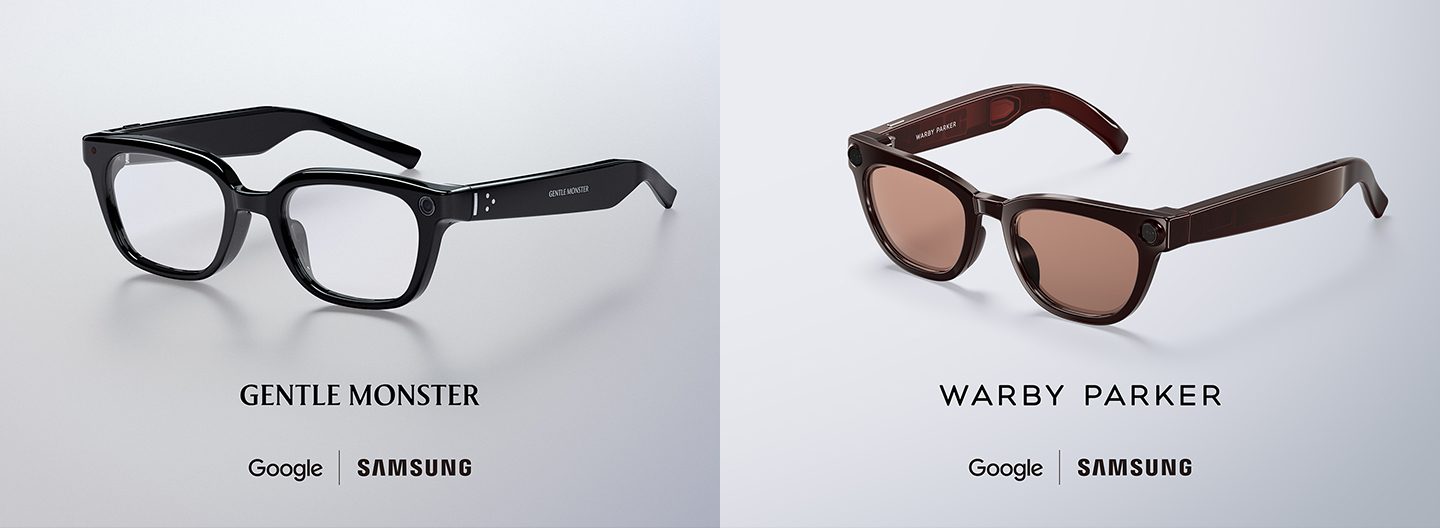
Samsung’s decision to launch with two different design partners highlights a sophisticated understanding of the wearables market. Recognizing that eyewear is a deeply personal choice tied to individual identity, the company avoided a "one size fits all" approach. The Gentle Monster edition caters to the fashion-forward demographic, featuring a slim, avant-garde black frame with a refined, modern silhouette. Gentle Monster, a South Korean brand known for its bold and experimental designs, brings a level of stylistic prestige that appeals to younger, trend-conscious consumers.

In contrast, the Warby Parker model is designed for those who prefer a more classic, understated look. This version features a warm brown finish with a subtly upswept brow line, echoing the timeless "wayfarer" and "clubmaster" aesthetics that have remained popular for decades. By involving Warby Parker, a brand synonymous with affordable, high-quality prescription eyewear, Samsung is also signaling that these glasses are intended for the mass market rather than just early tech adopters. Both models are engineered to be lightweight, ensuring that the integration of batteries, sensors, and processors does not result in a frame that is too heavy for comfortable daily use.
Technical Specifications and the Snapdragon AR1 Gen 1
At the heart of Samsung’s Intelligent Eyewear is the Qualcomm Snapdragon AR1 Gen 1 platform. This chipset was engineered specifically for thin-and-light smart glasses, focusing on power efficiency and high-speed AI processing. The AR1 Gen 1 utilizes a 4nm process, allowing it to handle complex tasks such as real-time language translation and image recognition without generating excessive heat.
Battery life has long been the Achilles’ heel of smart eyewear, but Samsung appears to have made significant strides in this department. The glasses offer up to 9 hours of continuous use on a single charge, which is a notable improvement over many current competitors in the market. To achieve this, Samsung, Google, and Qualcomm reportedly established a dedicated task force known as "Power Camp." This group worked to optimize the interplay between the Android XR software and the Snapdragon hardware, ensuring that background processes are kept to a minimum. Furthermore, the accompanying charging case provides an additional seven full charges, potentially allowing users to go an entire week without needing to plug the case into a wall outlet.
The Role of Google Gemini and Multimodal AI
The primary utility of the glasses stems from their integration with Google’s Gemini AI. Because the glasses are equipped with a high-resolution built-in camera, Gemini can function multimodally—meaning it can "see" what the wearer sees. This allows for a variety of practical applications that redefine the concept of a personal assistant. For instance, a user walking through a foreign city can look at a menu or a street sign and ask for a real-time translation, which is then whispered into their ear via integrated directional speakers or displayed via a subtle heads-up overlay.
The AI capabilities extend into productivity and daily organization. The glasses can summarize long emails or text messages, read information aloud during a commute, and even assist in professional settings. During a meeting, the wearer can capture notes on a whiteboard; the AI then automatically transcribes, organizes, and saves these notes into Samsung Notes. For navigation, the glasses provide turn-by-turn directions that feel more natural than looking down at a phone screen. Additionally, the devices support live point-of-view sharing during video calls, allowing a remote participant to see exactly what the wearer is looking at, a feature with significant implications for remote technical support and collaborative creative work.
Ecosystem Integration and Control Schemes
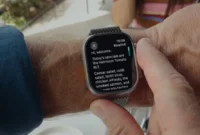
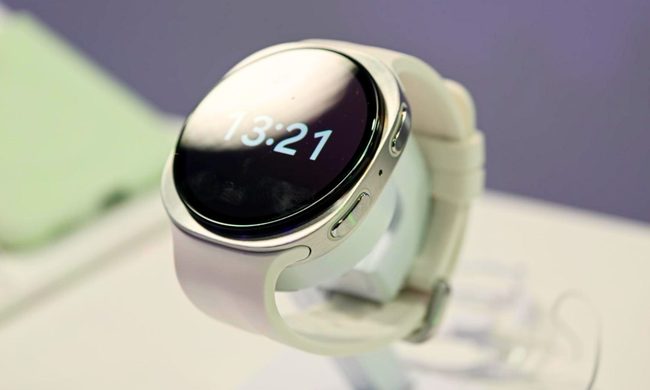
Samsung has designed the Intelligent Eyewear to be a cornerstone of the Galaxy ecosystem. While the glasses can be controlled via voice commands—the primary method of interaction—Samsung has also introduced sophisticated gesture controls for users who also own a Galaxy Watch 9. By using the sensors in the watch to track hand movements, users can navigate menus or dismiss notifications with simple finger taps or wrist flicks, providing a discreet alternative to speaking aloud in public spaces.

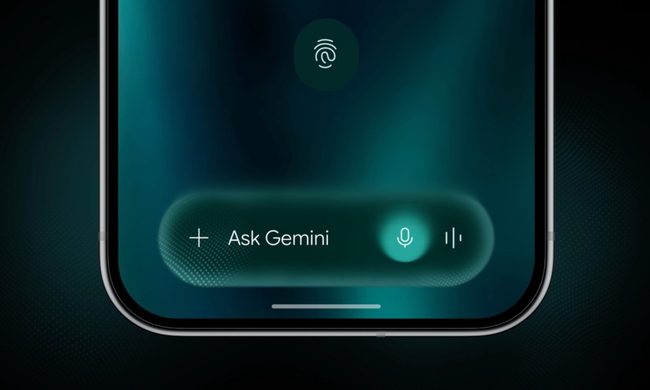
The synergy between the glasses and the newly announced Galaxy Z Fold 8 was also a point of emphasis during the Unpacked event. The Z Fold 8 will be among the first devices to feature "Gemini Intelligence" enhancements that allow for seamless hand-offs between the phone and the eyewear. If a user begins a task on their phone, such as researching a recipe, they can "toss" that information to their glasses to view the instructions hands-free while cooking.
Addressing Privacy and Social Acceptance
The history of smart glasses is littered with failures related to privacy concerns, most notably the "Glasshole" era of Google Glass. Samsung has taken proactive steps to mitigate these issues and avoid the backlash recently faced by other tech giants. To ensure transparency, the glasses feature a prominent LED indicator that glows whenever the camera or microphone is active, alerting those in the vicinity that recording is taking place.
Furthermore, Samsung has implemented "wear detection" technology. If the glasses are removed from the face or if the light sensor is covered, the camera and AI processing are immediately disabled. This hardware-level kill switch is intended to reassure the public that the glasses are not recording surreptitiously. By emphasizing these privacy-first features, Samsung hopes to foster a social environment where wearing smart glasses is viewed with the same normalcy as wearing a smartwatch.
Chronology of Development and Market Context
The journey to the 2026 announcement of the Intelligent Eyewear began in early 2023, when Samsung first officially confirmed it was working on an XR device. In 2024 and 2025, reports emerged of a partnership with Google to develop a specialized version of Android for wearables, which we now know as Android XR. The development process was reportedly delayed several times as Samsung pivoted from a high-end "Apple Vision Pro" competitor to a more wearable, fashion-focused glass format.
This shift in strategy was likely influenced by the surprising success of the Meta Ray-Ban smart glasses, which proved there was a significant appetite for AI-integrated eyewear that looked like normal glasses. Samsung’s entry into the market significantly intensifies the competition. While Meta has a head start in terms of market presence, Samsung brings a more robust hardware ecosystem and the deep integration of Google’s superior AI suite.
Broader Impact and Industry Implications
The launch of Samsung’s Intelligent Eyewear is expected to have a ripple effect across the tech industry. Analysts suggest that this move could signal the beginning of the "post-smartphone" era, where the primary interface for digital interaction shifts from a screen in our pockets to the world around us. By moving the AI interface to the eyes and ears, Samsung is betting on a future where technology is more "ambient"—always available but less distracting than a traditional phone.
Furthermore, the collaboration between Samsung, Google, and Qualcomm creates a formidable "United Front" against Apple’s closed ecosystem. While Apple has focused on the high-end, immersive spatial computing of the Vision Pro, Samsung is targeting a much larger demographic by focusing on portability and style. If successful, this could establish Android XR as the dominant operating system for the next generation of wearable devices, much like Android became the standard for non-Apple smartphones.
Pricing and Availability
While Samsung was transparent about the features and design of the Intelligent Eyewear, the company remained tight-lipped regarding specific pricing. However, industry insiders expect the glasses to be positioned competitively against high-end traditional eyewear and existing smart glasses, with an estimated price range between $499 and $699 depending on the lens configuration (non-prescription vs. prescription).
A firm release date has not been set, but Samsung confirmed that a fall 2026 launch is the current target. This timing would allow the company to capitalize on the holiday shopping season and give developers enough time to optimize their apps for the Android XR platform. As the tech world looks toward the end of 2026, all eyes—quite literally—will be on Samsung to see if they can finally make smart glasses a mainstream reality.