A significant piece of bipartisan legislation designed to curb the influence of Chinese entities in the U.S. automotive market has advanced from the U.S. Senate Commerce Committee. The proposed bill, which aims to prohibit automakers with more than 15% ownership by Chinese entities from selling vehicles in the United States, marks a substantial escalation in legislative efforts to scrutinize foreign investment in the automotive sector. If enacted as written, this legislation could have far-reaching implications, potentially ensnaring established European luxury automakers and reshaping the competitive landscape for U.S. manufacturers.
The core of the proposed legislation shifts the focus from the physical assembly or origin of vehicle components to the ownership structure of automotive companies. This approach is notably more stringent than existing regulations that might target vehicles based on their manufacturing location or the origin of specific parts. The bill specifically targets entities deemed "covered entities," with China being a primary concern. This distinction is crucial, as it directly addresses concerns about control and strategic influence rather than merely the geographical sourcing of materials or manufacturing.
Key Provisions and Potential Impact on Mercedes-Benz
The legislation, officially known as the Connected Vehicle Security Act, proposes to limit the overall ownership stake and the technology supplied by covered entities. While the exact language and potential amendments are still under deliberation, the current draft has raised alarms for some of the world’s most prestigious automotive brands.
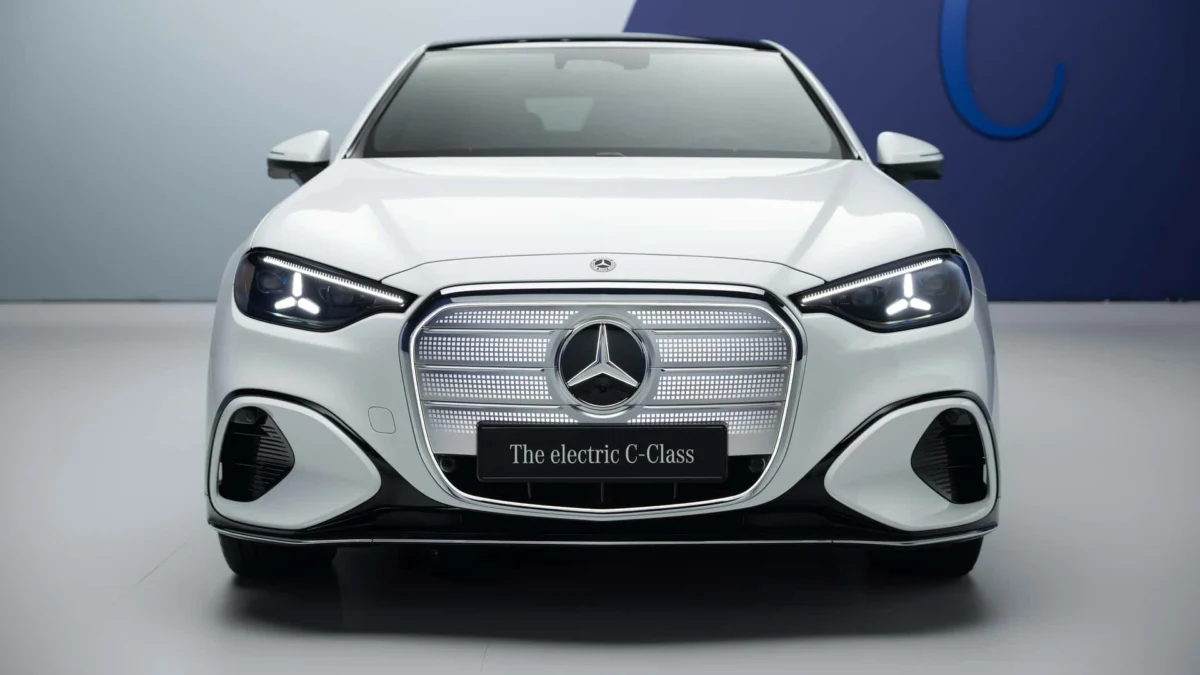
Mercedes-Benz, the renowned German luxury automaker, finds itself in a particularly precarious position due to its ownership structure. According to publicly available information, Chinese entities, including the automotive manufacturer BAIC and the automotive entrepreneur Li Shufu (founder of Geely), each hold a significant stake in Mercedes-Benz, collectively approaching 20%. This level of ownership, if interpreted strictly under the proposed bill, could place Mercedes-Benz in violation of the 15% threshold, thereby barring its vehicles from the U.S. market.
Senator Ted Cruz, the chairman of the Senate Commerce Committee, has publicly acknowledged the potential ramifications of the bill as it currently stands. Reuters reported that Senator Cruz stated the bill, in its present form, would indeed prohibit Mercedes-Benz from selling its cars in the U.S. However, he also emphasized that the bill is subject to change and expressed a personal view that a ban on Mercedes-Benz would be an unlikely outcome, noting that the U.S. "would never consider" such a measure. This suggests a potential avenue for amendments or waivers to address specific cases like Mercedes-Benz, particularly those with deep-rooted ties to the U.S. market and established brand loyalty.
Motivations Behind the Legislation
The push for stricter regulations on foreign automotive ownership and technology is multi-faceted, driven by national security concerns and a desire to bolster the competitiveness of American automakers. Senator Cruz alluded to the possibility that General Motors, a leading American manufacturer, might be advocating for these stringent provisions to gain a competitive advantage, particularly for its Cadillac brand.
A spokesperson for General Motors articulated the company’s stance, stating, "We support policies that protect and strengthen American manufacturing and the global competitiveness of U.S. automakers. We can compete with anyone in the world when we are given a level playing field." This statement underscores the sentiment among some U.S. auto industry leaders that current market conditions, influenced by foreign investment and technological advancements, may not represent a truly equitable competitive environment.
Mercedes-Benz, in response to inquiries from InsideEVs and Reuters, has indicated its commitment to cooperating with legislative efforts aimed at protecting U.S. national security. However, the automaker also conveyed a strong desire to ensure that any enacted legislation does not negatively impact its ongoing operations in the United States. This diplomatic stance reflects the company’s recognition of the geopolitical sensitivities involved while safeguarding its significant business interests in the U.S.

Addressing Concerns and Potential Timelines
The legislation provides a potential grace period for compliance. Senator Bernie Moreno, one of the bill’s original co-sponsors, indicated that automakers like Mercedes-Benz would have until 2030 to either comply with the new ownership restrictions or seek a waiver. This timeline suggests a phased approach, allowing companies time to restructure their ownership or operations to meet the new requirements.
Beyond ownership stakes, the Connected Vehicle Security Act also seeks to address broader concerns about technology and data security originating from China. The bill aims to codify restrictions to prevent technology linked to China from being integrated into vehicles sold in the U.S. Lawmakers have voiced concerns that connected cars, with their extensive data collection capabilities, could pose a national security risk if sensitive information is transmitted outside of U.S. borders.
Expanding Scope: Connected Vehicles and Data Security
The proposed legislation builds upon existing regulations. A current Commerce Department rule, for instance, has already had a significant impact, effectively leading to the cessation of Polestar’s operations in the U.S. market. The Connected Vehicle Security Act would expand these prohibitions to encompass any connected vehicle manufactured, designed, or with an ownership stake associated with "covered entities," which include China, Iran, North Korea, and Russia.
Starting in 2027, the bill proposes to prohibit the import or sale of such vehicles in the U.S. Three years later, in 2030, this prohibition is slated to extend beyond the software used in connected vehicles to encompass the hardware components as well. This comprehensive approach reflects a growing apprehension among U.S. policymakers regarding the potential for foreign adversaries to leverage automotive technology for intelligence gathering or disruptive purposes.
Geopolitical Context and China’s Automotive Ascendancy
The legislative actions in the U.S. Senate are taking place against the backdrop of China’s rapidly expanding and increasingly sophisticated automotive sector. China has become a dominant force in the global electric vehicle (EV) market, with its domestic manufacturers rapidly innovating and expanding their production capabilities. This growth has not only led to increased competition for established automakers but has also heightened concerns among Western governments about China’s strategic ambitions in key technological sectors.
The sheer volume of new car models being introduced by Chinese manufacturers—reportedly hundreds each year—underscores the intensity of competition. While many of these vehicles are currently aimed at domestic and international markets outside of the U.S., the potential for Chinese brands to enter the U.S. market, either directly or through partnerships and acquisitions, remains a significant consideration for U.S. policymakers.
The debate over the Connected Vehicle Security Act highlights a broader trend of geopolitical maneuvering in the automotive industry. As vehicles become increasingly connected and reliant on advanced software and hardware, the battle for technological supremacy and data control intensifies. The U.S. legislative efforts represent a proactive attempt to safeguard its technological infrastructure and economic interests in this evolving landscape. The outcome of this legislation will likely have significant repercussions for global automotive trade, investment flows, and the future of vehicle technology.