The release of iOS 27 marks a significant pivot in Apple’s long-term strategy for the smart home ecosystem, introducing a suite of features designed to leverage the company’s proprietary artificial intelligence framework, Apple Intelligence, while addressing long-standing hardware limitations. As the technology giant prepares for a rumored expansion into first-party home security hardware, the updates to the Home app represent a foundational shift toward a more proactive, high-definition, and context-aware user experience. These updates, ranging from the implementation of 4K video support to advanced notification synthesis, suggest that Apple is positioning itself to compete more aggressively with established players in the home security and automation markets, such as Amazon-owned Ring and Google’s Nest.
The Integration of Apple Intelligence in HomeKit Secure Video
At the forefront of the iOS 27 update is the overhaul of HomeKit Secure Video (HKSV), Apple’s encrypted cloud-based recording service. Since its inception, HKSV has been praised for its privacy-centric approach, utilizing end-to-end encryption and on-device processing via a HomeHub—such as an Apple TV or HomePod—to analyze footage. However, users have frequently requested more robust search capabilities and higher visual fidelity.

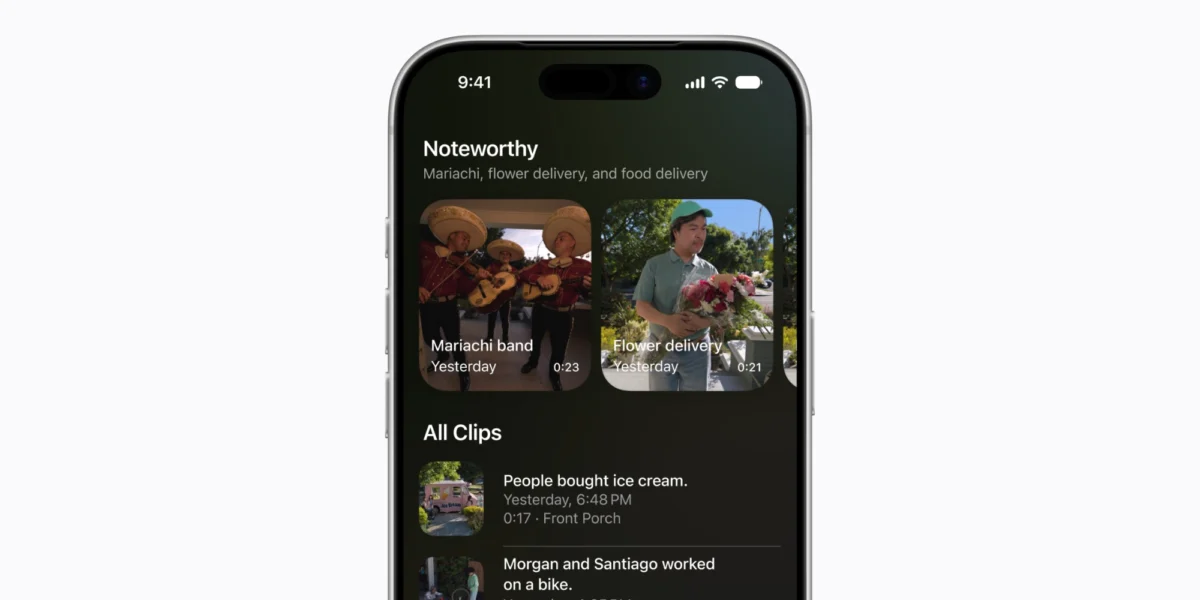
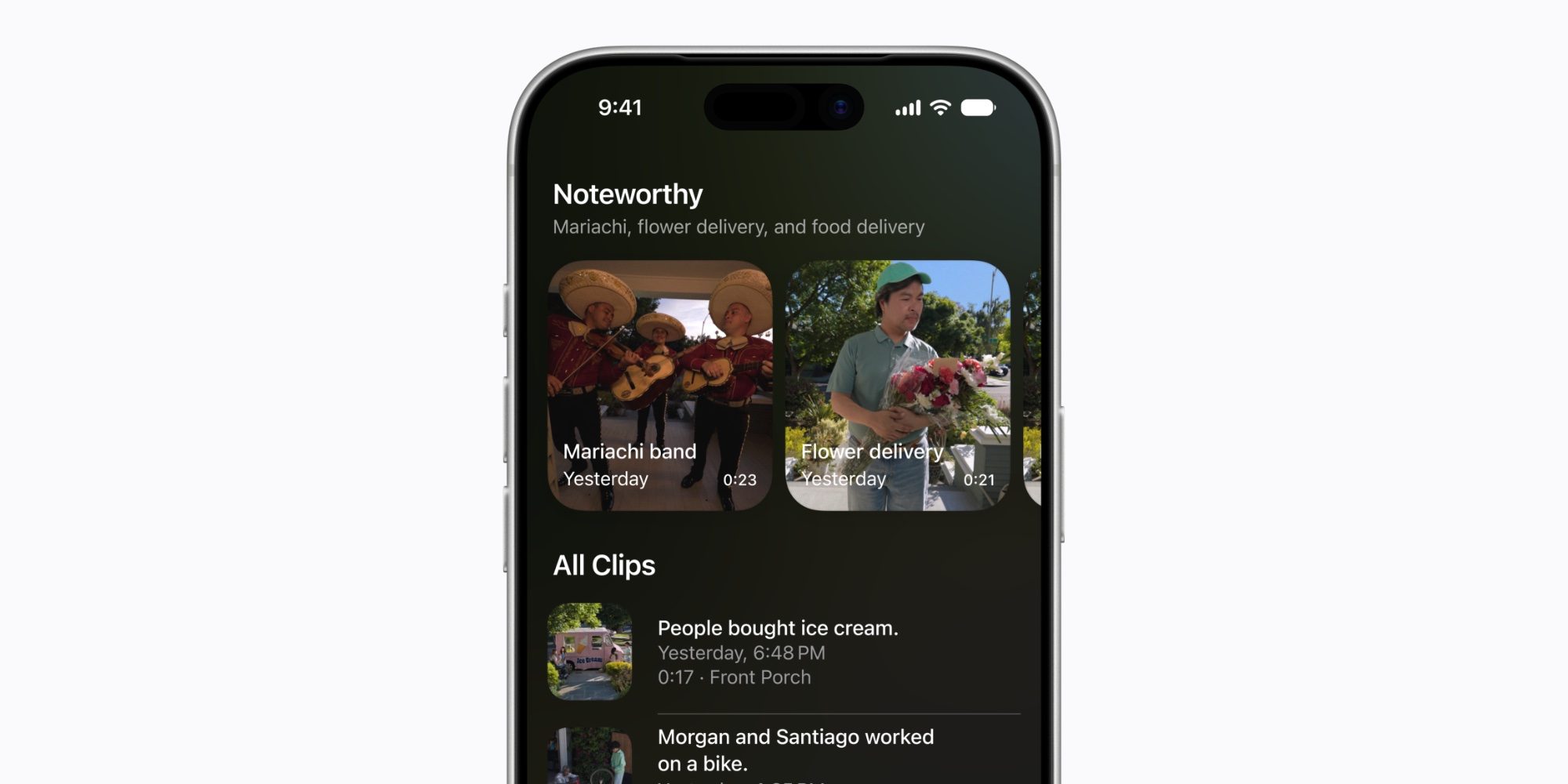
iOS 27 addresses these demands by embedding Apple Intelligence directly into the video analysis pipeline. One of the most transformative features is the introduction of natural language search for video clips. Previously, users were required to manually scroll through timelines or rely on basic motion-type filters (people, pets, or vehicles). With the new update, the Home app can index the content of recorded events, allowing users to execute specific queries such as "find the clip where the delivery driver left a package on the porch" or "show me when the dog was in the garden this morning."
Beyond search, Apple Intelligence now generates concise activity summaries. Rather than presenting a fragmented list of motion events, the Home app can synthesize a day’s worth of activity into a brief, readable digest. This feature is particularly useful for high-traffic areas where constant motion alerts would otherwise become overwhelming. Furthermore, the AI-driven system enhances "Activity Automations," allowing for more nuanced triggers. For example, an automation can now be set to trigger only if a specific recognized person enters a designated "hot zone" within the camera’s field of view, significantly reducing false positives from environmental factors like swaying trees or passing shadows.
The Long-Awaited Transition to 4K Resolution
Perhaps the most significant technical upgrade in iOS 27 is the official support for 4K video streaming and recording within HomeKit Secure Video. Since the launch of HKSV, the service has been capped at 1080p High Definition. While 1080p was sufficient for basic monitoring, the industry standard has steadily shifted toward 4K to allow for digital zooming without significant loss of detail—a crucial requirement for identifying faces or license plates at a distance.
Apple’s move to 4K is not merely a software toggle; it reflects an increase in the processing capabilities of Apple’s silicon-based hubs and a refinement of the HEVC (High-Efficiency Video Coding) protocols used to upload footage to iCloud. To support 4K, users will require compatible third-party cameras, though the industry anticipates that Apple’s rumored upcoming security camera will be the flagship device for this high-resolution tier. This upgrade also has implications for iCloud+ subscribers, as the increased data overhead of 4K video necessitates robust backend infrastructure, which Apple has reportedly been scaling in anticipation of this rollout.
Revolutionizing Notifications with Real-Time Activity Synthesis
In an era of notification fatigue, Apple is utilizing iOS 27 to streamline how users interact with smart home alerts. The new "Reduce Notifications" toggle, located within the Apple Intelligence section of the Home app settings, introduces a concept known as "Live Activity Synthesis."
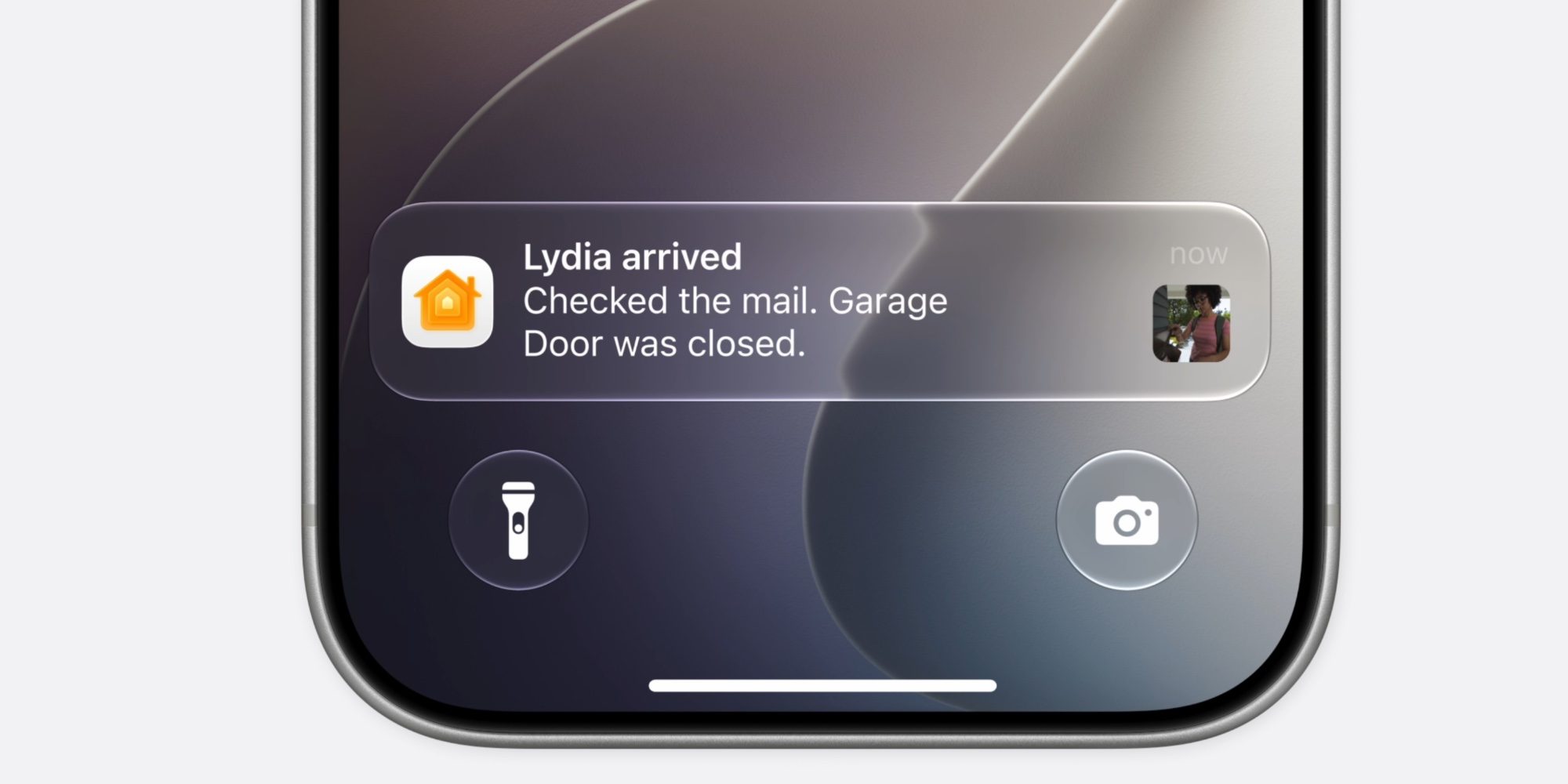
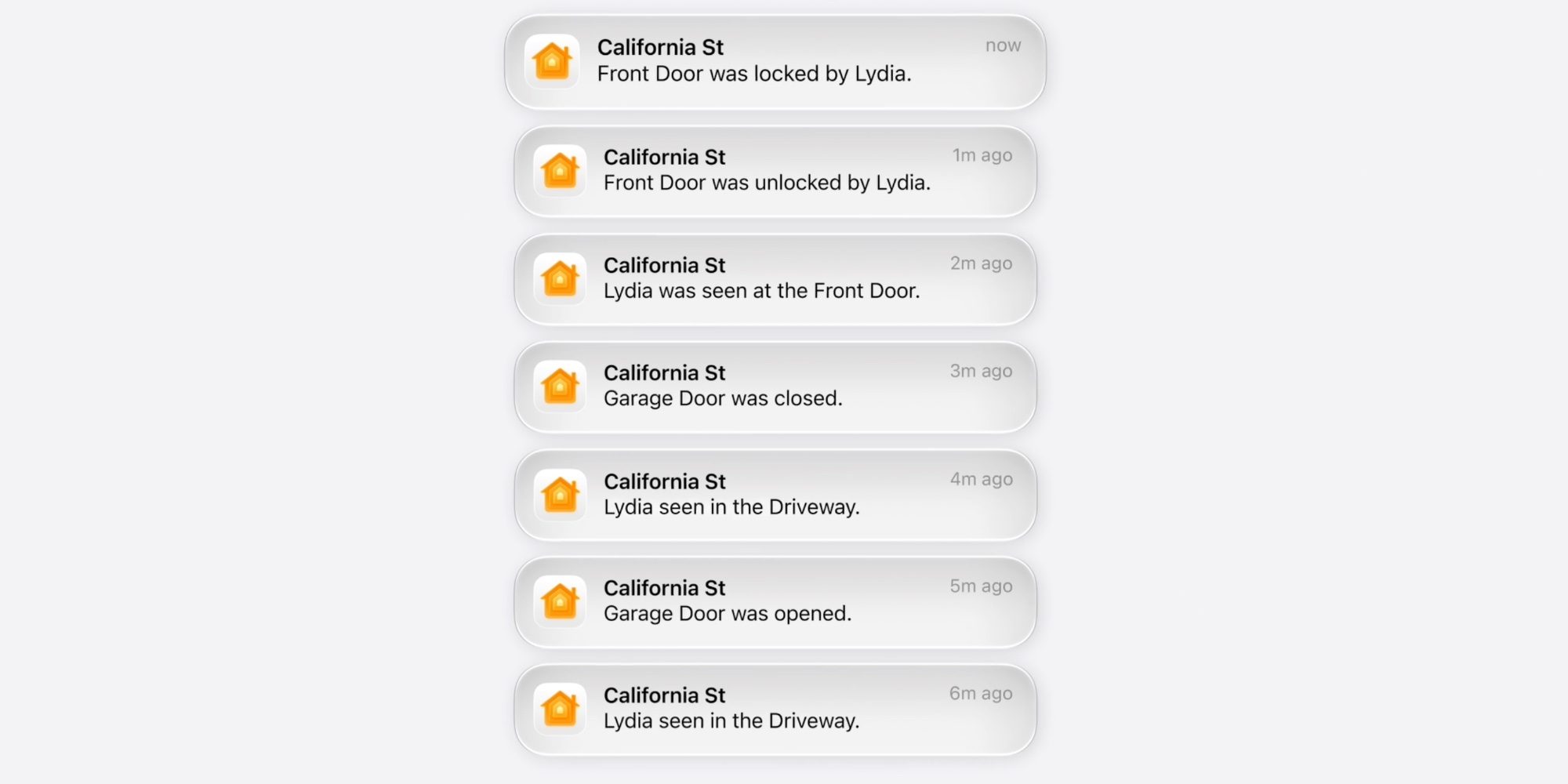
Currently, a single event—such as a family member returning home—can trigger a cascade of individual notifications: a camera detecting motion, a smart lock being engaged, and a garage door closing. iOS 27 replaces this fragmented experience with a single, dynamic notification that updates in real time. As the activity unfolds, the notification text evolves. A user might initially see "Lydia detected at the front door," which then shifts to "Lydia unlocked the front door," and finally settles on a summary: "Lydia arrived and the garage door was closed."
This synthesis is powered by on-device machine learning that understands the relationship between different smart home accessories. By grouping related events into a single "activity thread," Apple reduces the cognitive load on the user while ensuring that the most relevant information remains at the top of the lock screen.
Chronology of Apple’s Smart Home Evolution
The path to iOS 27 has been defined by a decade of incremental steps toward a unified home experience. To understand the significance of the current updates, it is essential to view them through the lens of Apple’s historical trajectory in the space:
- 2014: Apple announces HomeKit at WWDC, providing a framework for developers to integrate smart devices with iOS.
- 2016: The dedicated Home app is launched with iOS 10, giving users a central interface for accessory management.
- 2019: HomeKit Secure Video is introduced, moving video analysis from the cloud to the user’s local HomeHub for increased privacy.
- 2021: Apple opens the HomePod mini to third-party "Hey Siri" integration and introduces Matter support, signaling a move toward industry interoperability.
- 2024-2025: The integration of Apple Intelligence across the OS sets the stage for more complex, language-based interactions with the physical environment.
- 2026 (Projected): The release of iOS 27 and the rumored launch of first-party Apple security cameras and smart displays.
Market Context and Strategic Implications
The decision to enhance the Home app so aggressively comes at a time when the global smart home market is projected to reach a valuation of over $200 billion by 2028. Analysts suggest that Apple’s focus on HKSV and AI is a strategic move to bolster its services revenue. Because HKSV requires an iCloud+ subscription, these software improvements serve as a powerful incentive for users to remain within the Apple ecosystem and maintain a recurring monthly payment.
Furthermore, the shift to 4K and AI-driven search addresses the primary advantages held by competitors. Google Nest and Arlo have long offered high-resolution recording and "intelligent" alerts, but often at the cost of user privacy, as much of their processing occurs on external servers. By bringing these high-end features into an end-to-end encrypted environment, Apple is attempting to capture the "premium privacy" segment of the market.
Industry experts also point to the rumored Apple home security camera as the "missing piece" of the puzzle. By controlling both the software (iOS 27) and the hardware, Apple can ensure a level of vertical integration that third-party manufacturers struggle to match. This could include features like "Instant Setup," where a camera is recognized and configured the moment it is powered on, similar to the pairing process for AirPods.
Infrastructure Requirements and Technical Considerations
While the features of iOS 27 are ambitious, they impose new requirements on the user’s home infrastructure. The transition to 4K video, in particular, will demand higher upload speeds from internet service providers. A standard 1080p HKSV stream typically requires 2-4 Mbps of upload bandwidth; a 4K stream could easily triple that requirement.
Additionally, the heavy lifting of Apple Intelligence requires modern hardware. Users will likely need an Apple TV 4K (3rd Generation or later) or a newer HomePod to act as the HomeHub capable of processing the complex AI models required for natural language video search and notification synthesis. This hardware requirement ensures that the sensitive data—such as the layout of a user’s home and the faces of their family members—never leaves the premises in an unencrypted state.
Broader Impact on the Smart Home Industry
Apple’s advancements in iOS 27 are expected to put pressure on the Connectivity Standards Alliance (CSA) and the Matter protocol. As Apple introduces proprietary AI features that go beyond the current Matter specifications, it creates a "feature gap" between standard Matter devices and those optimized for the Apple ecosystem. This may encourage more manufacturers to seek "Works with Apple Home" certification to take advantage of the new 4K and AI capabilities.
Moreover, the focus on "meaningful" notifications could set a new UX standard for the industry. If Apple successfully solves the problem of notification spam through AI synthesis, competitors will likely be forced to develop similar "activity-based" alerting systems to remain competitive.

Conclusion
iOS 27 represents the most significant update to the Apple Home ecosystem in several years. By combining the visual clarity of 4K video with the analytical power of Apple Intelligence, Apple is transforming the Home app from a simple remote control for lights and locks into a sophisticated home monitoring and intelligence platform. As the company moves toward the potential launch of its own security hardware later this year, these software enhancements provide a clear roadmap for a future where the smart home is not just connected, but truly intelligent and uncompromisingly private. Whether these features will be enough to displace market leaders remains to be seen, but the technical foundation laid in iOS 27 is undeniably formidable.