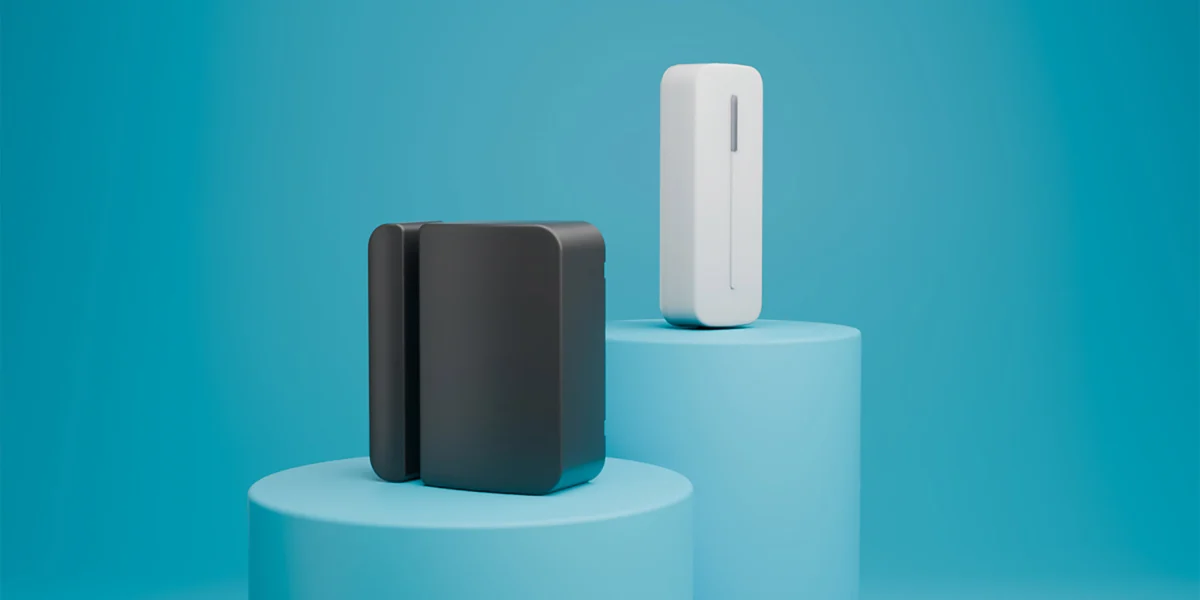
Abode, a prominent player in the DIY smart home security market, has officially expanded its ecosystem with the launch of two specialized sensors: the Garage Tilt Sensor and the Outdoor Contact Sensor. These devices are designed to address a persistent gap in residential security, specifically the monitoring of perimeter entry points that are frequently overlooked by traditional, indoor-focused alarm systems. Both new products feature native Apple Home integration, ensuring they fit seamlessly into the broader Apple smart home experience, while also maintaining cross-platform compatibility with Amazon Alexa and Google Assistant.
The release of these sensors comes at a time when the smart home industry is shifting focus toward holistic, exterior-to-interior security strategies. By integrating these sensors with Abode’s CUE automation engine, homeowners can now create complex, event-driven workflows that go beyond simple notifications. For instance, the system can be programmed to illuminate driveway floodlights the moment an outdoor gate is opened after sunset, or automatically trigger a closure sequence for a garage door if it remains in an open state for more than ten minutes.
The Technical Evolution of Perimeter Monitoring
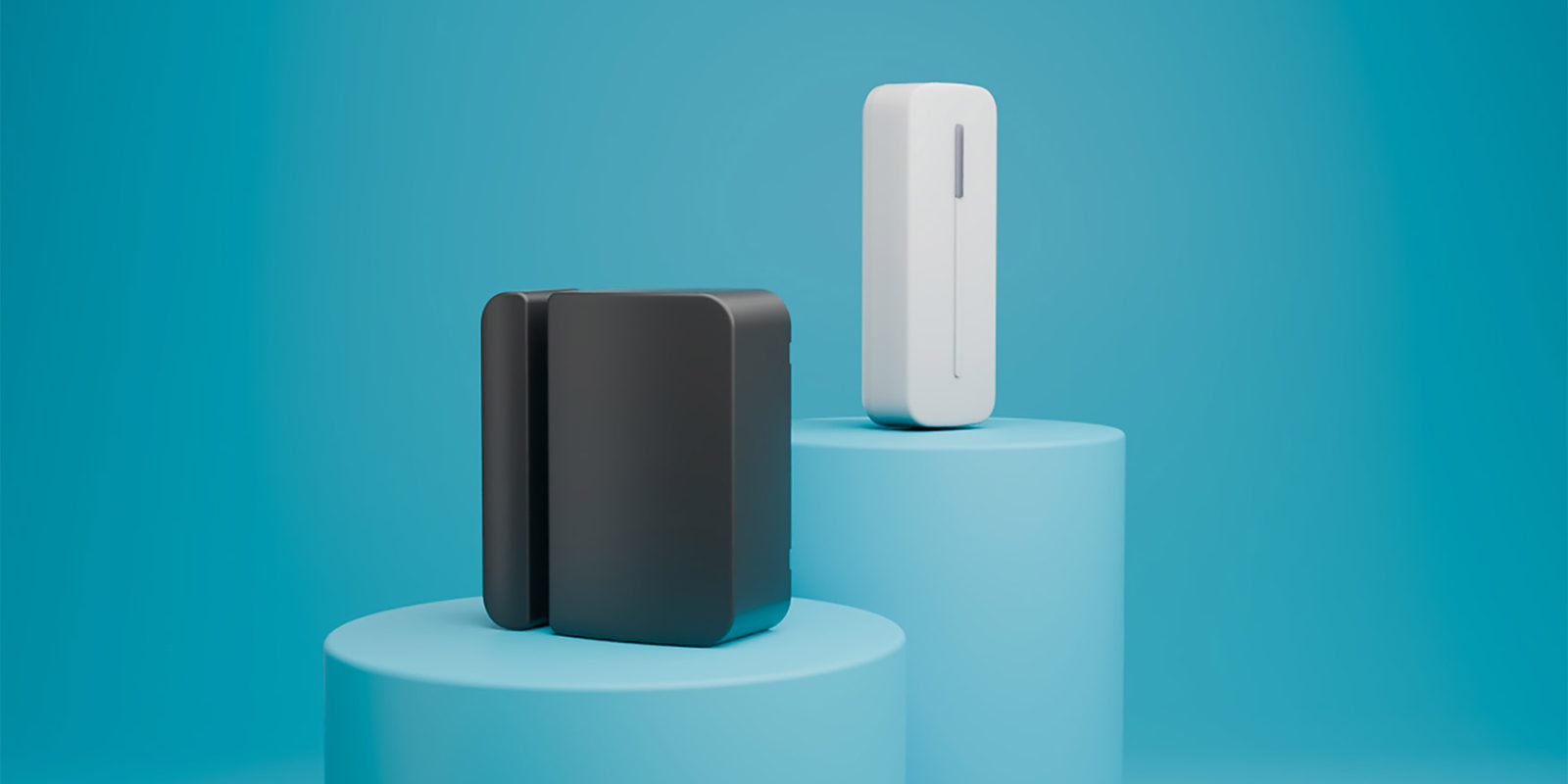
The Garage Tilt Sensor is a wireless device engineered for high durability and long-term utility. According to Abode, the sensor utilizes an internal accelerometer to detect changes in orientation. When a surface moves more than 45 degrees from its resting position, the sensor transmits a signal to the Abode hub. This mechanism makes it highly effective for traditional up-and-over garage doors, as well as tilt-style windows, attic hatches, and hinged panels that rotate rather than slide.
One of the most significant technical specifications for the Garage Tilt Sensor is its battery longevity. Abode claims the unit can operate for up to 10 years on a single battery, effectively removing the maintenance burden that often discourages users from installing sensors in hard-to-reach areas like high garage ceilings or basement window wells.
Complementing this is the Outdoor Contact Sensor, which carries an IP66 rating. This designation indicates that the device is dust-tight and capable of withstanding heavy rainfall and high-pressure water jets, making it suitable for year-round exterior use. While indoor contact sensors often struggle with metal surfaces—which can interfere with magnetic signals—the Outdoor Contact Sensor is built with a reinforced, wider-gap magnet. This design choice is specifically intended to mitigate the "false alarm" syndrome that occurs when sensors are mounted on heavy metal gates, storage sheds, or detached garage doors that may vibrate or shift due to wind and temperature fluctuations.
Chronology of Abode’s Expansion
Abode has been steadily building its reputation as a comprehensive DIY security provider since its inception. Founded in 2014 by former ADT executive Chris Carney, the company has consistently sought to bridge the gap between professional-grade monitoring and consumer-friendly installation.
The timeline of Abode’s development highlights a clear focus on interoperability. In the early years, the company focused on its proprietary hub, which allowed for a mix of Z-Wave, Zigbee, and Wi-Fi devices. The subsequent adoption of Apple HomeKit (now Apple Home) certification marked a significant turning point, allowing Abode users to fold their security devices into the Apple ecosystem alongside smart lighting, climate control, and entertainment systems.
Throughout 2024 and 2025, the company shifted its engineering focus toward "fringe" security—the areas of the home that are technically part of the property but often lack the connectivity or durability required for high-tech monitoring. Today’s announcement of the Garage Tilt and Outdoor Contact sensors serves as the culmination of this recent research and development phase, aimed at addressing customer feedback regarding "dead zones" in perimeter coverage.
Supporting Data and Security Context
Industry data suggests that the "perimeter" of the home is the most common point of unauthorized entry. According to various home security studies, approximately 30% of residential burglaries occur through unlocked or poorly secured windows and garage doors. By moving the security boundary from the front door to the fence line or the driveway, homeowners can gain a critical advantage in reaction time.
The connectivity range of these new devices is a critical factor for rural or sprawling suburban properties. Abode states that both sensors operate with a range of up to 500 feet under optimal conditions. To ensure reliability, the company has implemented a built-in testing protocol within its setup instructions, allowing users to verify signal strength at the specific mounting location before committing to permanent hardware installation. This is a practical acknowledgment of the challenges posed by brick, stucco, and metal structures that typically attenuate wireless signals.
Official Statements and Strategic Vision
Chris Carney, CEO and Founder of Abode, emphasized that the product launch is a reaction to shifting criminal tactics and consumer habits. "Break-ins usually don’t start at the front door," Carney stated in the official announcement. "Unlocked side gates or garages present vulnerable access points often left unmonitored by homeowners. We built these sensors because the perimeter of a home deserves the same protection as the inside of it."
The strategic logic behind this sentiment is twofold. First, from a psychological security standpoint, early detection at a gate or garage door acts as a deterrent. If an alarm system is triggered the moment a side gate is opened, the potential intruder is aware that their presence has been logged, often prompting them to retreat before they reach the main residence. Second, from an automation standpoint, the integration with the CUE engine turns a security sensor into a convenience tool. A sensor that tells a homeowner that their shed door is ajar—or that the gate has been left open—is as much about property management as it is about security.
Analysis: The Implications for the Smart Home Market
The introduction of these sensors is a calculated move to capture a specific segment of the smart home market that is dissatisfied with the limitations of generic, indoor-rated sensors. By focusing on IP66 ratings and specialized magnetic configurations, Abode is effectively positioning itself as a "prosumer" brand—a step above the basic, low-cost sensors found in big-box stores, but still accessible enough for the DIY enthusiast.

Furthermore, the emphasis on Apple Home compatibility is a strategic necessity. With Apple’s continued investment in the Matter standard and the refinement of the Home app, users are increasingly prioritizing devices that can be managed from a single dashboard. By ensuring these sensors work natively with Apple Home, Abode ensures that its hardware remains relevant in an increasingly consolidated market.
The pricing strategy—$34.99 for the Garage Tilt Sensor and $49.99 for the Outdoor Contact Sensor—places these products in the mid-tier price bracket. While this is higher than generic Zigbee or Z-Wave alternatives, the value proposition rests on the brand’s proven software backend, the ease of integration with existing Abode hubs, and the longevity of the hardware itself.
The Path Forward
As the smart home market continues to mature, the focus is moving away from basic "smart bulbs and speakers" toward robust, multi-layered security. For consumers, this means the ability to monitor the entire property footprint—from the perimeter fence to the garage, and finally to the home interior—from a single interface.
The release of these sensors signifies that Abode is not merely content with being an indoor security provider; it is actively looking to define the "connected perimeter." For the average homeowner, this provides a more comprehensive security posture without the need for expensive, professional-grade cabling or complex wiring installations. Whether it is preventing a garage door from being left open by mistake or receiving an early alert when a delivery driver accesses the side gate, the new hardware fills a tangible need in the modern connected household.
The sensors are currently available through Abode’s official digital storefront and are expected to integrate with the existing Abode ecosystem immediately upon installation. For existing users, the setup process is designed to be plug-and-play, utilizing the existing Abode hub infrastructure to maintain consistent, low-latency connectivity across the property. As the company continues to iterate on its CUE automation platform, it is likely that these sensors will become even more capable, perhaps gaining advanced intelligence features that distinguish between a pet brushing against a gate and a human intruder. For now, they represent a solid, reliable, and necessary addition to the DIY security toolkit.