






The recent rollout of Garmin’s flagship Edge 1060 cycling GPS and the accompanying software ecosystem updates have triggered widespread discussion among endurance athletes and tech analysts regarding the lifespan and support of legacy hardware. Historically, the cycling computer market has operated on a strict generational divide: when a manufacturer releases a new flagship device, older models are frequently left behind, receiving only essential bug fixes while advanced software features remain exclusive to the latest hardware. Garmin’s latest software distribution strategy, however, signals a measured shift in this paradigm. While advanced physical capabilities—such as voice control, voice messaging, and intensive mapping rendering—remain bound to newer hardware due to physical constraints like dedicated microphones and upgraded processors, a significant suite of software features is being retroactively deployed to existing device generations.
Feature Distribution and Hardware Compatibility
The comprehensive rollout plan details how Garmin intends to divide software capabilities among its current product ecosystem, spanning the Edge x40 series (Edge 540, 840, 1040, and 1040 Solar), the newer Edge x50 series (Edge 550, 850, and 1050), and specialized variants like the Edge MTB.
Hardware limitations dictate certain exclusions immediately. Voice-activated commands and integrated voice messaging necessitate physical audio components, specifically a microphone, which is entirely absent from the legacy Edge x40 and x50 hardware architectures. Similarly, advanced navigation features tied to Garmin’s overhauled mapping engine—such as the course hazard and closures preview page, advanced route options with consolidated elevation and time estimates, Up Ahead Points of Interest (POI) tracking, FreeFlow Routing designed to minimize stop-and-go traffic, predictive text QWERTY keyboards, redesigned ride readiness checklists, and commute carbon savings calculators—are confined exclusively to the newest generation units. Industry insiders note that these mapping exclusions mirror Garmin’s strategy with the Fenix 9 smartwatch rollout, where enhanced processors and expanded RAM capacity were cited as prerequisites for rendering complex topographical data efficiently.

Despite these boundaries, several high-value performance, connectivity, and customization features are bridging the generational gap via public beta builds and scheduled quarterly deployments.
Phased Rollout Timeline and Key Upgrades
The deployment schedule is divided into immediate public beta testing phases, imminent quarterly releases, and direct Garmin Connect cloud integrations.
Q4 Public Beta Deployments
Cyclists enrolled in Garmin’s public beta program can already test several highly anticipated system enhancements across compatible units:
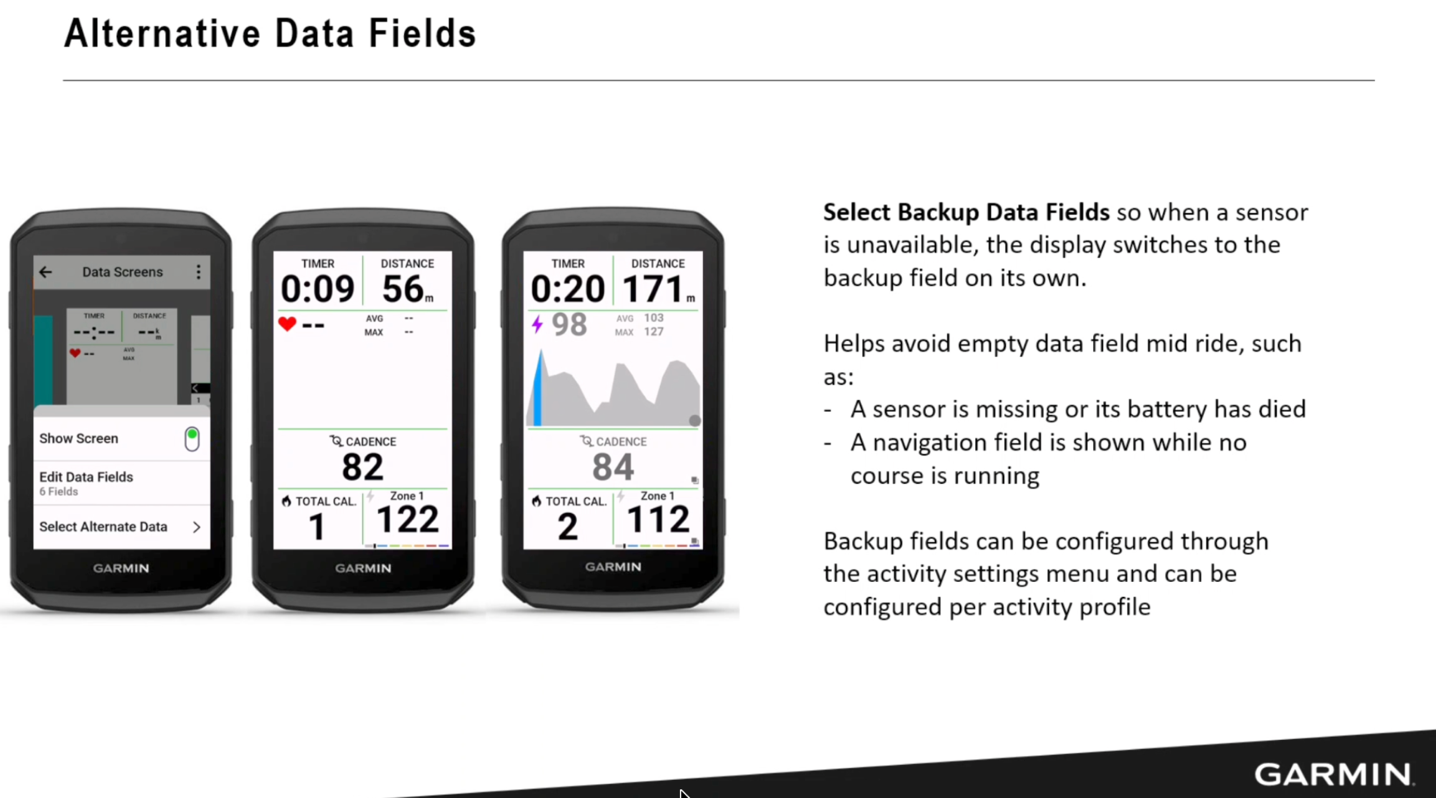
- Alternate Data Fields: Users can now designate secondary or fallback data metrics for sensor-dependent fields. If a cyclist rides a secondary bike without a power meter, for instance, data pages automatically substitute power metrics with alternative metrics like caloric expenditure, preventing blank fields or error prompts. This functionality is rolling out to Edge x50 and Edge MTB units.
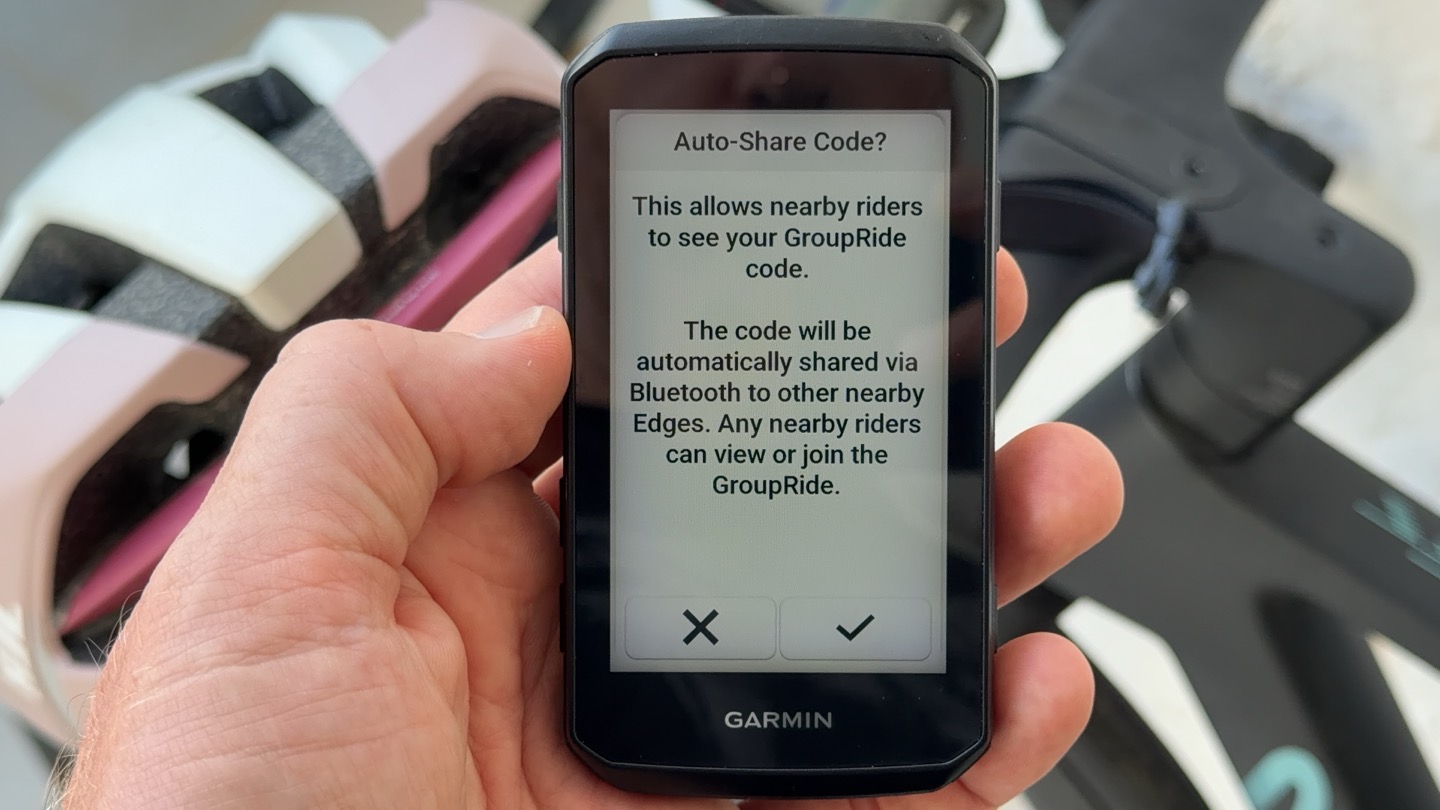
- GroupRide Advertising Capability: Proximity-based pairing has been streamlined to simplify group ride initiation. When the device detects multiple Garmin Edge units in close physical proximity at the start of a session, it prompts users to automatically establish a GroupRide network, eliminating the cumbersome manual configuration steps required in previous firmware iterations. This feature extends to Edge x40, x50, and MTB hardware.
- Garmin Messenger Integration: Selected units gain full visibility of incoming messages originating from the Garmin Messenger ecosystem. Devices equipped with integrated speakers, such as the Edge 850 and 1050, can play back audio messages natively, while all compatible units support quick-text replies and integration with Garmin Locate, a device-tracking utility comparable to consumer find-my-network protocols.
Q1 2027 Deployments
Scheduled for broader release in the first quarter of next year, additional software enhancements will reach wider user bases:
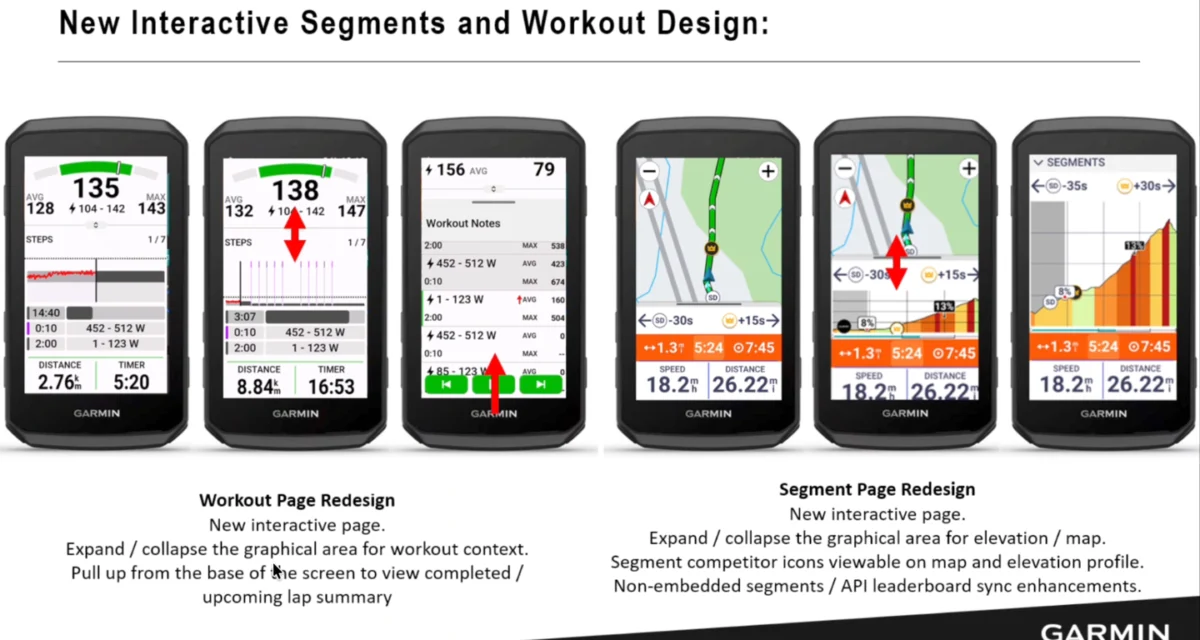
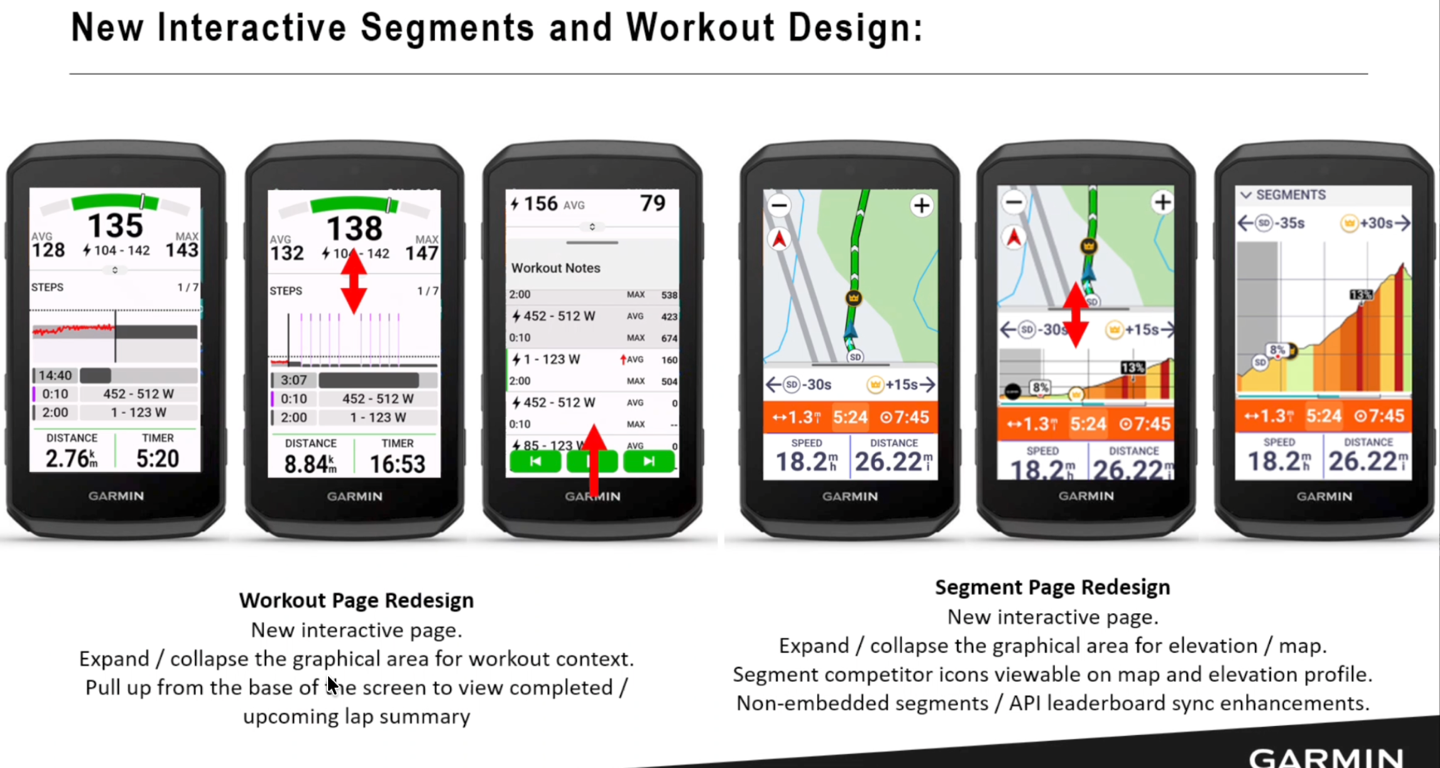
- Strava Live Segment Overhauls: The integration includes three primary updates: collapsible interface sections for segment pages to customize screen real estate, real-time competitor positioning icons mapped directly onto elevation profiles and operational maps, and the ability to execute Strava Live Segments on any custom-routed path rather than being restricted strictly to native Strava routes. These updates target Edge x50 and Edge MTB devices.
- Structured Workout Page Updates: Borrowing interface design elements from the Strava integration, structured workout training pages now feature collapsible modular blocks for improved data legibility during high-intensity intervals.
- Hazards and Road Closures Reporting: Expanding upon existing community-sourced hazard reporting—which allows riders to flag road defects such as potholes—the updated interface now supports comprehensive reporting and real-time visualization of official and community-reported road closures across Edge x40, x50, and MTB platforms.
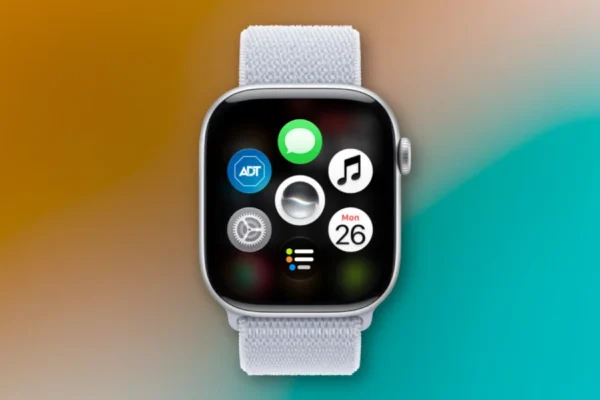
- Garmin Link: Designed to optimize sensor synchronization between Garmin wearables and cycling computers, this feature automates heart rate broadcasting from a paired smartwatch to the Edge unit upon ride initiation. This eliminates the redundancy of dual-recording sessions and the necessity of manually toggling broadcast settings before every ride.
Ecosystem Updates via Garmin Connect
Independent of device firmware updates, Garmin is deploying cloud-based enhancements through the Garmin Connect application, affecting a wide spectrum of legacy users including Edge Explore 3 models:
- Android Google Maps Integration: Android smartphone users can now share location pins directly from Google Maps to their Edge cycling computer via the Garmin Connect application, bridging a functionality gap long enjoyed exclusively by Apple iOS users utilizing Apple Maps.
- Garmin Coaching Challenger Plans: Historically restricted to athletes utilizing dedicated power meters, Garmin’s cycling training plans have been re-engineered to support broader metrics, opening structured coaching pathways to all Edge x40, x50, and MTB users regardless of accessory ecosystem ownership.
Industry Context and Competitive Landscape
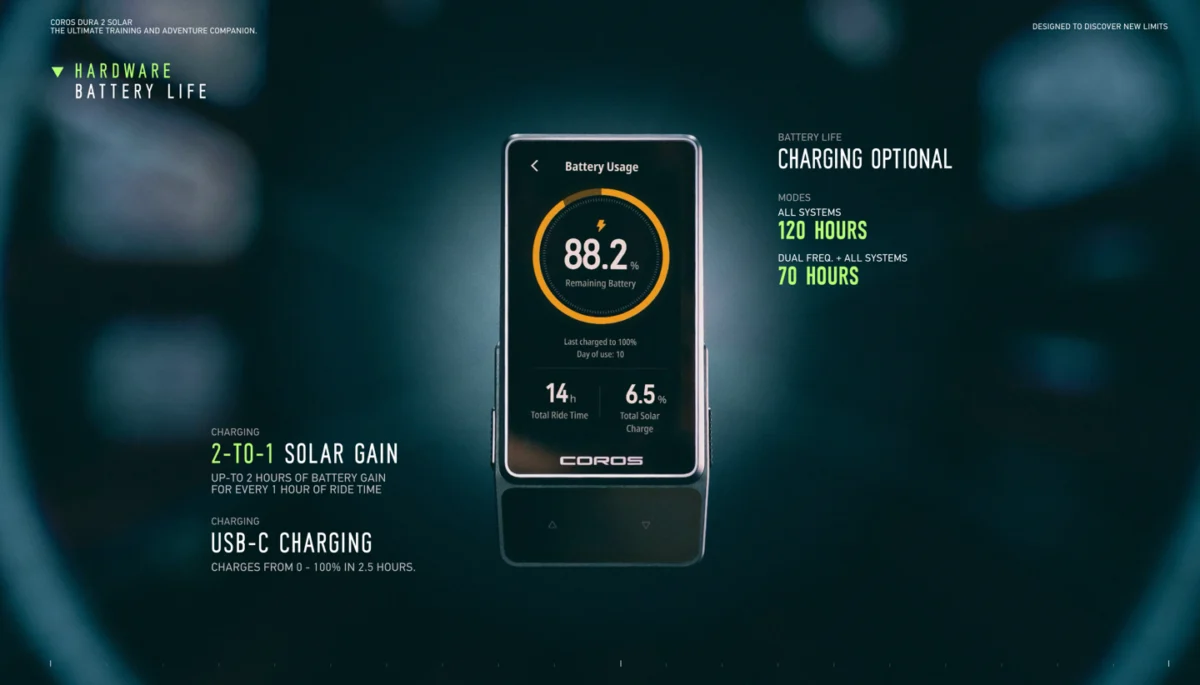
Garmin’s recalibration of its software support lifecycle occurs within a highly competitive cycling technology market. Competitor strategies vary significantly across brands. Wahoo Fitness has traditionally restricted new software architecture advancements primarily to its latest hardware iterations, such as the V3 generation, leaving older hardware tiers with minimal functional updates post-launch. Meanwhile, newer market entrants like COROS, following the introduction of hardware lines such as the Dura 2, face ongoing scrutiny regarding long-term software parity for first-generation devices.
By adopting a hybrid support model—where performance optimizations, connectivity enhancements, and interface refinements are retroactively applied to recent generations while hardware-intensive mapping engines remain exclusive to flagship devices—Garmin is attempting to balance customer retention with the commercial necessity of driving new hardware sales. This measured compromise acknowledges the substantial financial investment consumers make in high-end cycling computers, offering a viable middle ground in an industry traditionally defined by rapid hardware obsolescence.