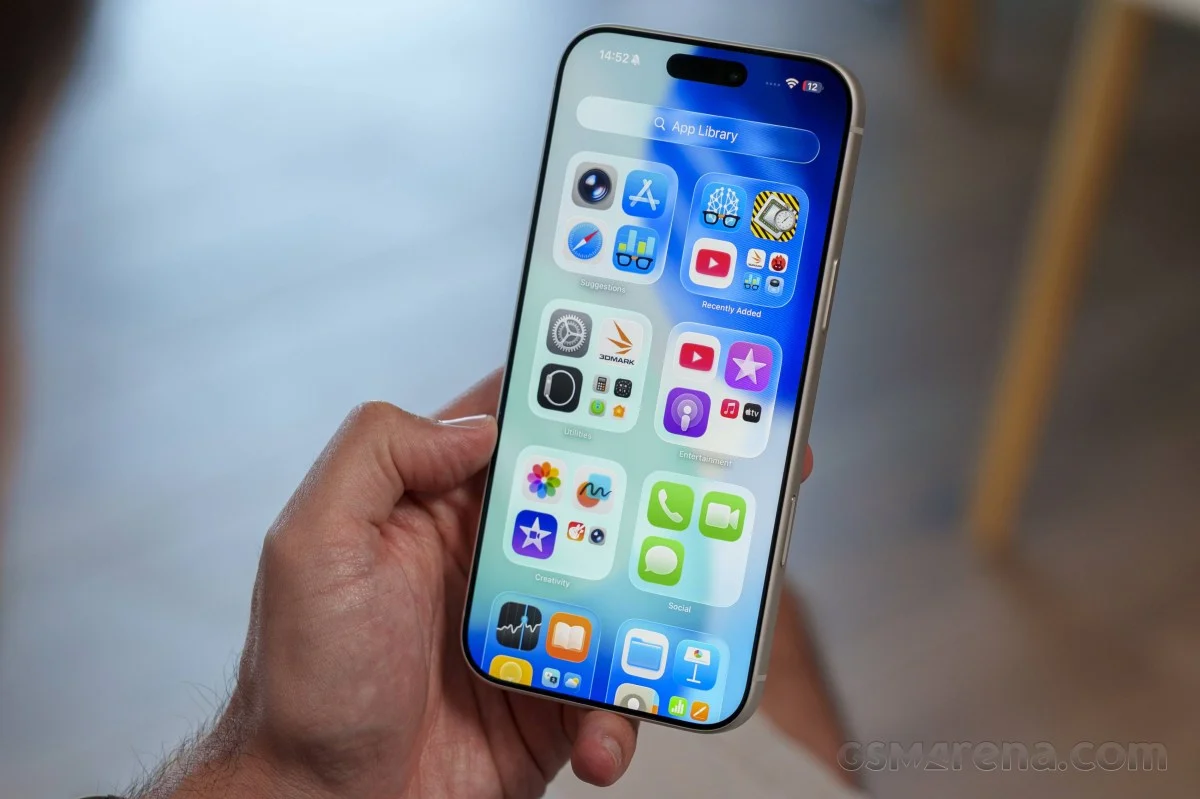
Cupertino, California – Apple Inc. is poised to launch a new device leasing initiative, dubbed "Apple Upgrade," on July 28, a move set to reshape how consumers acquire its high-end electronics. The program, revealed in a report from Bloomberg, signals a significant strategic shift for the tech giant, emphasizing a subscription-like model in collaboration with Swedish financial technology firm Klarna. This new offering will reportedly require a soft credit check and is designed to provide consumers with more flexible payment options for their coveted Apple devices.
The "Apple Upgrade" program is structured around lease terms of varying durations. iPhones and Apple Watches will be available on 24-month lease agreements, while iPads and Mac computers will feature longer 36-month terms. This subscription-style approach allows users to access devices without the hefty upfront cost of a full purchase. A key feature of the program is its flexibility: users will have the option to pay off their device early, upgrade to a newer model ahead of schedule, or at the end of the lease, choose whether to return the device or retain ownership.
Program Mechanics and Key Exclusions
Under the new "Apple Upgrade" umbrella, the process is streamlined for consumers seeking the latest technology. The requirement of a soft credit check indicates a less stringent initial barrier compared to traditional financing, aligning with Klarna’s "buy now, pay later" (BNPL) model ethos. This approach aims to broaden accessibility for a wider demographic of Apple enthusiasts.
However, not all of Apple’s product line will be immediately available through this new leasing program. Notably, several popular and upcoming devices are slated for exclusion. These include the Apple Watch SE, the base model iPad (2025 iteration), the highly anticipated iPhone 16, and the rumored MacBook Neo. The exclusion of these specific models, particularly the entry-level options and the brand-new iPhone 16 and MacBook Neo, suggests a strategic intent by Apple. It could be a mechanism to differentiate the leasing program, potentially encouraging customers towards higher-tier models not excluded, or it might be related to managing initial demand and inventory for brand-new releases. For instance, the iPhone 16, despite its general market availability, will not be part of the initial Apple Upgrade leasing pool, indicating Apple may want to prioritize outright sales or traditional carrier financing for its newest flagship smartphone. The MacBook Neo, with its reported A18 Pro chip and a competitive starting price of $599, also falls into this category of new products reserved from the leasing program.
The Klarna Partnership: A Strategic Alliance
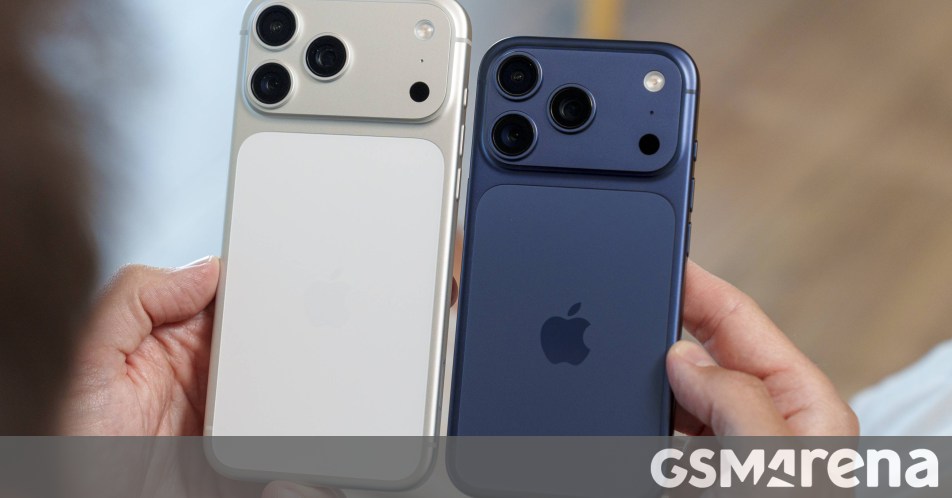
The decision to partner with Klarna, a global leader in the BNPL space, underscores Apple’s commitment to modernizing its payment solutions. Klarna’s platform is renowned for its user-friendly interface and rapid credit assessment, which aligns perfectly with the goal of making device acquisition as seamless as possible. This collaboration marks a significant expansion for Klarna, integrating its payment infrastructure directly into Apple’s ecosystem, a move that could substantially boost Klarna’s reach and market presence.
Klarna’s expertise in handling micro-payments and managing credit risk for shorter-term consumer financing is invaluable for a program of this nature. While the exact financial terms of the partnership remain undisclosed, it is clear that Klarna will play a pivotal role in managing the soft credit checks and the recurring payment infrastructure for the "Apple Upgrade" leases. This partnership also signals Apple’s willingness to leverage third-party financial services to enhance its customer offerings, rather than solely relying on its own Apple Card or Apple Pay Later initiatives.
Phasing Out the iPhone Upgrade Program and the AppleCare Conundrum
A significant detail within the Bloomberg report is Apple’s alleged plan to discontinue its existing iPhone Upgrade Program (iUP) concurrently with the launch of "Apple Upgrade." The iUP, which allowed customers to upgrade to a new iPhone every year after 12 payments, notably included AppleCare+ in its monthly fee. This comprehensive coverage protected devices against accidental damage and provided extended warranty support.
The new "Apple Upgrade" program, however, will reportedly not include AppleCare. This omission represents a notable departure and could have considerable implications for consumers. While the new program offers flexibility in terms of device access and upgrades, the absence of built-in device protection means customers will either need to purchase AppleCare separately or bear the full cost of repairs in case of damage. This shift could impact the perceived value proposition for some users, particularly those who relied on the all-inclusive nature of the iUP for peace of mind. It also presents an additional revenue stream opportunity for Apple through separate AppleCare sales.
Economic Context and Apple’s Strategic Rationale
The introduction of "Apple Upgrade" comes approximately a month after Apple implemented significant price hikes across nearly all of its device categories, with iPhones being a rare exception. These price adjustments, affecting everything from iPads to Macs and accessories, were attributed by analysts to rising production costs, supply chain pressures, and fluctuating global currency exchange rates. In this economic climate, where consumers are increasingly sensitive to discretionary spending, a leasing program offers a compelling alternative to outright purchase.
Analysts suggest that "Apple Upgrade" is a direct response to these market dynamics, designed to mitigate the impact of increased device prices and sustain sales volumes. By offering a lower monthly entry point, Apple aims to make its premium products more accessible and affordable, thereby helping customers continue to acquire its latest wares even in the face of broader economic headwinds. This strategy aligns with a growing industry trend towards "device-as-a-service" (DaaS) models, where hardware is bundled with services and offered on a recurring subscription basis.
Furthermore, this move reinforces Apple’s long-term strategy of diversifying its revenue streams beyond one-off hardware sales. The company has been aggressively expanding its services segment, which includes offerings like Apple Music, iCloud, Apple TV+, Apple Arcade, and the App Store. A device leasing program, generating predictable recurring revenue, fits seamlessly into this broader strategic pivot, fostering greater customer lock-in and enhancing the lifetime value of its user base. This model transforms a capital expenditure for consumers into an operational expense, which can be more palatable, especially for budget-conscious individuals or small businesses.
Implications for Consumers: Access vs. Long-Term Cost
For consumers, "Apple Upgrade" presents a mixed bag of benefits and potential drawbacks. The primary advantage is undoubtedly enhanced affordability and flexibility. Lower monthly payments can make high-end devices like the latest MacBook Pro or a top-tier iPad Pro more attainable, democratizing access to premium technology. The option to upgrade early ensures users can always stay current with Apple’s rapidly evolving product ecosystem, avoiding the obsolescence trap of owning an older model. The choice to return or keep the device at the end of the lease also offers unparalleled flexibility, catering to different user preferences and financial situations.
However, the absence of AppleCare within the program is a significant consideration. While the monthly payments might be lower than the combined cost of the iUP, consumers will need to factor in the additional expense of separate AppleCare coverage if they desire protection against accidental damage. Over the long term, leasing a device might also accumulate to a higher total cost than an outright purchase, especially if a user continuously upgrades without ever fully owning a device. Consumers will need to carefully weigh the convenience of monthly payments and continuous upgrades against the potential for higher aggregate spending over several years compared to buying and holding a device for a longer period.
Impact on Apple’s Business Model and the Competitive Landscape
For Apple, the "Apple Upgrade" program represents a significant evolution in its business model. It shifts a portion of its revenue from transactional hardware sales to a more stable, recurring subscription-like stream. This provides greater financial predictability and can positively impact investor perception, as recurring revenue models are often viewed favorably. It also enhances customer loyalty and retention by creating a continuous engagement loop, making it easier for users to stay within the Apple ecosystem.

The program also places Apple in closer competition with traditional mobile carriers and third-party retailers who have long offered various financing and leasing options for devices. By providing its own direct leasing solution, Apple gains greater control over the customer experience and potentially captures a larger share of the overall device acquisition market. This could put pressure on carriers to sweeten their own deals or risk losing customers who prefer Apple’s direct approach.
Furthermore, the "Apple Upgrade" program, by encouraging more frequent device upgrades, could potentially accelerate the replacement cycle for Apple products. This would lead to a more consistent demand for new hardware, offsetting any potential slowdowns from one-off sales in a mature market. The focus on sustainability will also become more pronounced, as Apple will need robust refurbishment and recycling programs for the returned leased devices.
Broader Industry Trends and Future Outlook
The launch of "Apple Upgrade" is not an isolated event but rather a strong indication of a broader industry shift towards "everything-as-a-service." From software (SaaS) to infrastructure (IaaS) and now increasingly hardware (HaaS or DaaS), companies are moving towards subscription-based models to ensure predictable revenue and deepen customer relationships. For consumers, this trend promises lower initial costs and continuous access to the latest technology.
The partnership with Klarna also highlights the growing importance of fintech companies in enabling these new consumption models. As digital payments and flexible financing options become more ubiquitous, traditional retail models are being disrupted, creating new opportunities for collaboration between tech giants and financial innovators.
As the July 28 launch date approaches, industry observers will be keenly watching the initial uptake and performance of "Apple Upgrade." Its success could pave the way for similar programs from other major tech companies, further solidifying the device-as-a-service model as a dominant force in consumer electronics. The program’s ability to balance affordability for consumers with sustainable revenue growth for Apple, particularly in light of the AppleCare exclusion, will be a critical determinant of its long-term impact on the market.