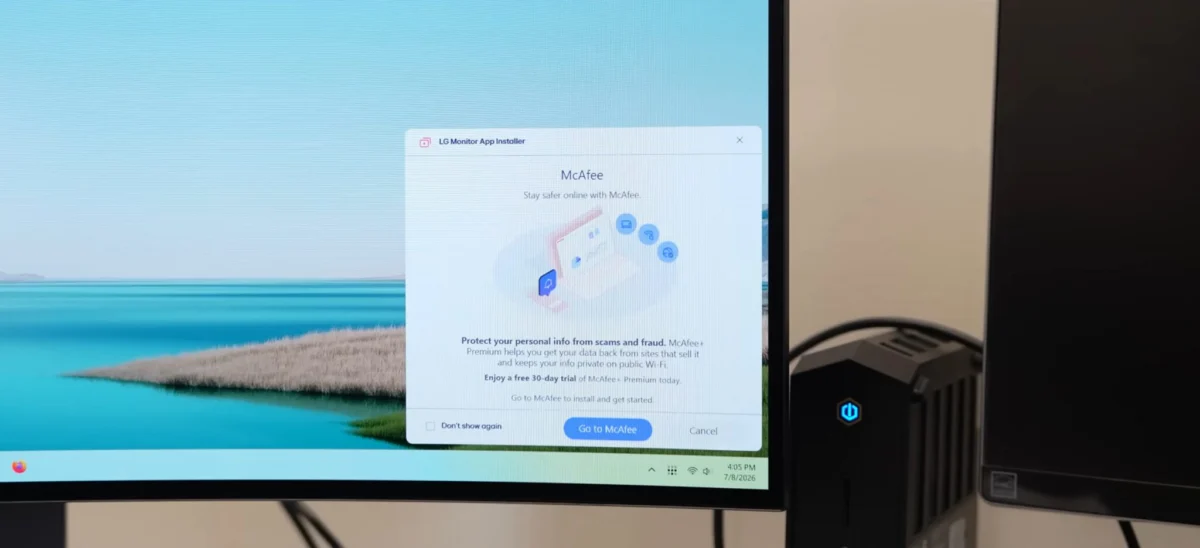
Users across various platforms are reporting the unsolicited installation of the "LG Monitor App Installer" and subsequent display of advertisements on their systems, a practice occurring without explicit prompts or user permissions from LG. This revelation has ignited significant privacy concerns and frustration, particularly given LG’s reputation for producing premium computer monitors, some of which retail for upwards of $1,000. The core issue revolves around an application that not only introduces disruptive ads but also, according to security researcher Burke, technically gains "permission to use all system resources" and "collect geolocation, device data, online activity, contacts, user credentials, transactions, and more" once installed. This extensive data harvesting capability, coupled with the clandestine installation method, presents a troubling scenario for consumers who invest heavily in what they expect to be high-performance, unencumbered hardware.
The controversy gained significant traction following investigations and reports from prominent tech outlets, including Gamers Nexus, which meticulously documented the auto-installation process via Windows Update. The screenshot shared by Gamers Nexus vividly illustrates how LG’s proprietary application infiltrates user systems, bypassing conventional installation protocols that typically require user consent. This method of deployment challenges fundamental expectations of digital privacy and control over one’s computing environment. The fact that this practice has reportedly been ongoing for several years, with Burke noting a recent expansion to monitors purchased as far back as three years ago, underscores a potentially systemic issue rather than an isolated incident. The implications extend beyond mere annoyance, touching upon critical questions regarding data sovereignty, software transparency, and the permissible boundaries for peripheral companion applications within operating systems like Windows.
The Unseen Hand: How the LG App Installs Itself
The primary mechanism behind the "LG Monitor App Installer’s" unsolicited appearance appears to leverage specific functionalities within the Windows ecosystem. While the exact trigger for every installation remains subject to ongoing investigation, reports indicate a strong correlation with Windows Update. This suggests that the application is being delivered and installed as if it were a legitimate system update or driver, blurring the lines between essential operating system components and manufacturer-specific software. For the average user, who implicitly trusts Windows Update to maintain system integrity and security, such an installation is deceptive. They are not presented with a clear dialogue box asking for permission, nor are they informed of the app’s comprehensive data collection capabilities prior to its deployment.
The description of "LG Monitor App Installer" on the Microsoft Store vaguely states its purpose as enabling users to "easily install and use apps supported by your monitor." Disturbingly, it explicitly lists McAfee, a third-party antivirus software, as one of these "supported apps," implying that the LG installer could act as a conduit for further bloatware. This raises immediate red flags, as users purchasing a high-end monitor are unlikely to expect or desire bundled antivirus trials or promotional software automatically installed on their systems, especially when they may already have their preferred security solutions in place. The lack of transparency surrounding which "apps" are truly "supported" and what criteria LG uses to push them further exacerbates user distrust.
Microsoft’s Policy and the UWP Device App Framework
A significant facet of this controversy involves Microsoft’s policies concerning Universal Windows Platform (UWP) device apps. According to a Microsoft support page for Windows developers, UWP device apps are allowed "to automatically install when the user connects their device to the PC" under certain conditions. These conditions include the user not having opted out of "Recommended Settings" during Windows installation and being connected to the Internet and signed into the Microsoft Store. Crucially, the same support page includes a candid warning: "The automatic installation feature does not provide a notification to the user when the app is installed. Some users may find this experience confusing and frustrating and give your app a bad rating."
This policy from Microsoft provides a crucial backdrop, indicating that while the practice is concerning to users, it operates within a framework seemingly permitted by the operating system vendor. However, the intent behind Microsoft’s policy was likely to streamline the setup of essential device functionalities, not to facilitate the covert installation of ad-serving applications with extensive data harvesting permissions. The lack of user notification, as Microsoft itself acknowledges, creates a significant disconnect between user expectation and system behavior. It places the onus on users to meticulously review initial Windows setup options, many of which are often accepted by default for convenience, and to maintain an awareness that connecting a new peripheral could result in the installation of unannounced software. This policy, while designed for ease of use, appears to be exploited by manufacturers, inadvertently enabling practices that undermine user autonomy and privacy.
A Pattern of Peripheral Bloatware: Historical Context
The issue of hardware vendors automatically installing unwanted software, often termed "bloatware," is not new to the tech industry. Over the years, numerous companies have faced criticism for similar practices. Gaming peripheral manufacturers like Razer and Logitech have been called out for installing extensive software suites that sometimes exceed basic driver functionality, often including telemetry or marketing components. Motherboard manufacturers such as Asus and Gigabyte have also faced backlash for bundling unnecessary utilities or, in some cases, installing applications without clear user consent. These historical precedents highlight a broader industry trend where hardware sales are increasingly seen as opportunities to establish a software footprint on user systems, potentially for data collection, advertising, or to push additional services.
What makes the LG Monitor App Installer particularly egregious is the nature of the device itself. Unlike a gaming mouse that might genuinely benefit from a robust software suite for custom macros and lighting, or a motherboard that requires specific utilities for advanced overclocking or fan control, a computer monitor typically functions perfectly well with standard display drivers. Its primary role is to display an image; it rarely requires a "companion app" for core functionality. Given that LG monitors can represent a substantial investment, often exceeding the cost of many other peripherals, the forcible installation of an ad-serving, data-hungry application feels like a significant breach of consumer trust. It suggests that even premium hardware is not immune to the pervasive trend of monetizing user attention and data beyond the initial purchase price.

Deep Dive into Privacy Implications and Data Security Risks
The permissions reportedly sought by the LG Monitor App Installer are alarmingly broad. The ability to collect "geolocation, device data, online activity, contacts, user credentials, transactions, and more" paints a picture of comprehensive digital surveillance.
- Geolocation data could track a user’s physical location, raising concerns about personal privacy and safety.
- Device data can include specifics about the user’s computer hardware, software configurations, and usage patterns, creating a detailed profile.
- Online activity is particularly sensitive, potentially encompassing browsing history, app usage, and interactions across the internet.
- The request for contacts and user credentials is perhaps the most invasive, opening avenues for phishing attempts, identity theft, or unauthorized access to other accounts.
- Transaction data could expose financial information, shopping habits, and other highly sensitive economic activities.
Such extensive data collection, especially without explicit, informed consent, poses significant data security risks. Even if LG claims to anonymize or secure the data, the sheer volume and sensitivity of the information collected create an attractive target for cybercriminals. A data breach at LG or any third-party service provider handling this data could have catastrophic consequences for affected users, leading to financial fraud, identity compromise, and severe privacy violations. Furthermore, these practices raise serious questions about compliance with global data protection regulations like the General Data Protection Regulation (GDPR) in Europe or the California Consumer Privacy Act (CCPA) in the United States, which mandate strict rules around consent, transparency, and data handling. The lack of a clear opt-in mechanism before installation could place LG in violation of these increasingly stringent privacy laws.
Consumer Recourse and the Erosion of Trust
For affected users, the path to recourse is often murky. While the LG Monitor App Installer can likely be uninstalled manually, many users may not even be aware of its presence, let alone its intrusive permissions. Identifying and removing such bloatware requires a certain level of technical acumen that not all consumers possess. The mental burden of constantly scrutinizing every piece of software on one’s system to ensure it aligns with privacy expectations is significant and detracts from the user experience.
The broader impact on consumer confidence is substantial. When users pay a premium for hardware, they expect a certain level of quality, performance, and respect for their privacy. The discovery that a high-value item like an LG monitor is secretly installing ad-serving, data-collecting software erodes trust in the brand and, by extension, in the entire hardware ecosystem. This erosion of trust can lead to brand switching, negative reviews, and a general skepticism towards new technologies and "smart" features that promise convenience but deliver unwanted surveillance.
LG’s Silence and the Call for Transparency
As of the time of publication, LG has remained largely silent on the specifics of the "LG Monitor App Installer" controversy. Ars Technica confirmed that LG acknowledged receipt of their questions regarding the app’s purpose, affected monitors, and privacy concerns but did not provide a substantive response. This lack of transparency from a major electronics manufacturer only deepens the apprehension among consumers and reinforces suspicions that the company may be reluctant to explain or justify its practices. An official statement, whether an apology, a clarification of intent, or a commitment to change, is crucial for restoring public trust. Without it, users are left to infer the worst.
Gamers Nexus, citing user complaints, identified several LG monitor models as being implicated in the auto-installation of the app. While a comprehensive list is difficult to ascertain given the covert nature of the installations, the reported models include a range of popular LG displays. The concern is that, given Microsoft’s permissive policies for UWP device apps, many more LG monitors could be silently installing this bloatware onto user PCs, extending the problem far beyond the initially reported cases.
The Path Forward: Regulation, Transparency, and User Empowerment
The "LG Monitor App Installer" incident serves as a critical reminder of the ongoing tension between hardware manufacturers’ desire to monetize their products beyond the initial sale and consumers’ fundamental right to privacy and control over their devices. This situation highlights the urgent need for greater transparency from hardware vendors regarding pre-installed software, data collection practices, and the clear communication of these policies to users. Regulatory bodies worldwide are increasingly focused on digital privacy, and practices like the unconsented installation of data-harvesting software could draw significant scrutiny.
For users, this incident underscores the importance of exercising vigilance when setting up new devices, reviewing privacy settings, and being aware of the software that automatically gets installed. The collective voice of consumer advocacy groups, tech journalists, and user communities plays a vital role in bringing these issues to light and holding manufacturers accountable. Ultimately, the expectation for premium hardware should be a premium experience, free from unwanted ads and intrusive data collection, ensuring that the investment made by consumers is respected and protected.