









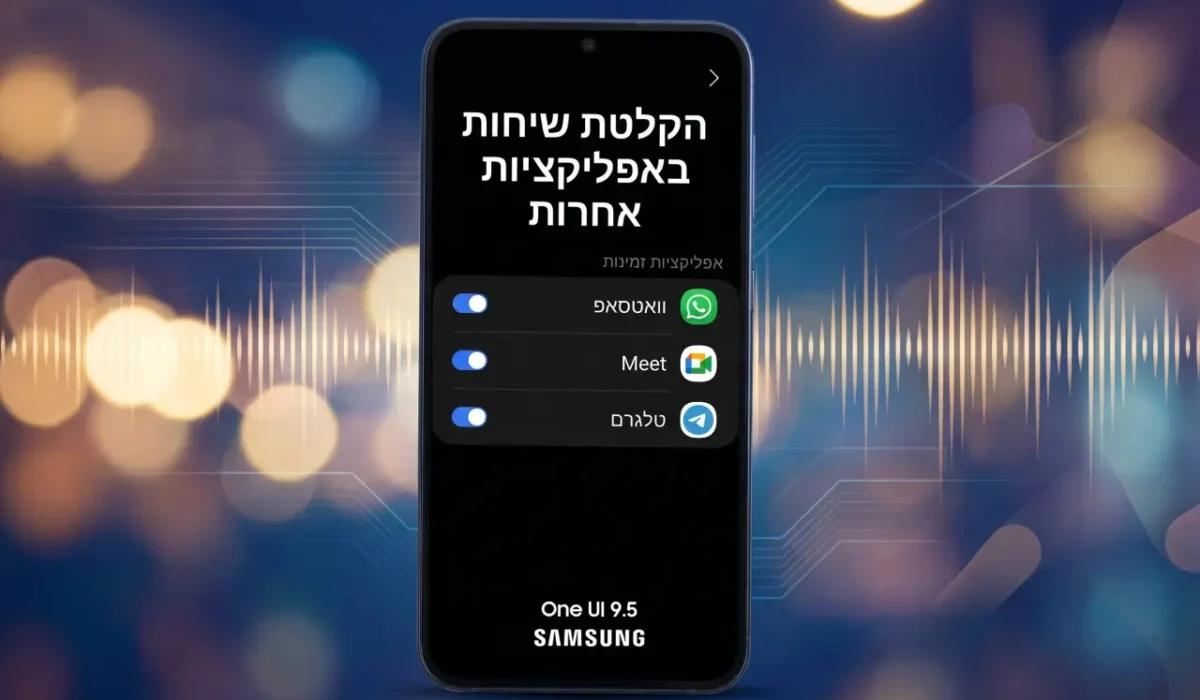
Samsung is reportedly gearing up to introduce one of the most highly anticipated productivity and communication features to its Galaxy ecosystem: native support for recording VoIP and third-party application phone calls. According to industry leaks and reports emerging from tech publication SamMobile, the upcoming One UI 9.5 software update will fundamentally alter how users capture audio during internet-based voice and video conversations. This development marks a significant shift in mobile software engineering, as major smartphone manufacturers have historically restricted native call recording to traditional cellular networks due to a complex web of regional privacy regulations, technical barriers, and platform-specific API limitations.
The upcoming capability is expected to bridge a long-standing functional gap between standard cellular calls and modern internet-based communication tools. While Samsung has long provided robust, built-in call recording capabilities for conventional carrier networks—subject to local legal compliance—users relying on Voice over IP (VoIP) services have frequently been left searching for unreliable third-party workarounds. With One UI 9.5, Samsung aims to integrate this functionality directly into the native operating system architecture, promising a seamless and secure user experience across a diverse array of supported Galaxy smartphones and tablets.
Understanding the Technical Landscape of Mobile Call Recording
To fully grasp the significance of Samsung’s upcoming software enhancement, it is necessary to examine the historical context of call recording technology on modern mobile operating systems. For years, operating system developers, particularly Google and Apple, have tightened restrictions surrounding microphone access and audio routing during active communication sessions. These measures were primarily implemented to protect user privacy, prevent malicious wiretapping, and comply with the highly fragmented global legal landscape governing electronic surveillance and consent.
In many jurisdictions, recording a conversation without the explicit consent of all participating parties is strictly illegal, carrying severe civil and criminal penalties. Consequently, operating system developers built strict sandboxing protocols that severed the audio stream between third-party VoIP applications and the device’s native recording subsystems. Users who required call logs for professional, journalistic, or personal record-keeping were often forced to rely on external hardware, root their devices, or install unverified applications from alternative app stores—methods that frequently compromised device security and data integrity.
Samsung’s strategic approach with One UI 9.5 appears to bypass these cumbersome limitations by leveraging deep system-level integration. By building native hooks into the One UI framework, the company can manage audio routing securely, ensuring that recordings from supported third-party platforms are captured with high fidelity while maintaining compliance with regional software restrictions.
Expanding Horizons: WhatsApp, Telegram, and Google Meet Integration
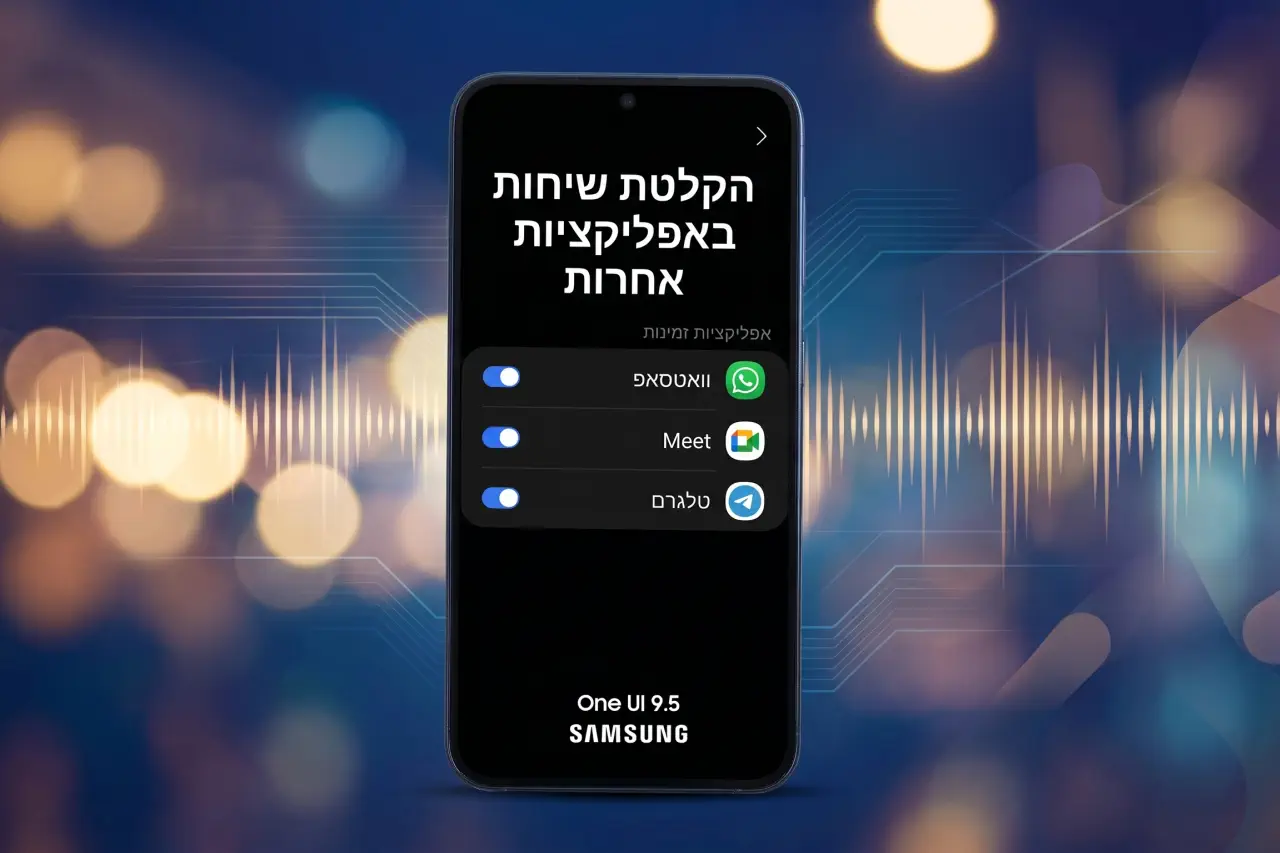
The core revelation from the recent leaks points toward seamless compatibility with the world’s leading communication platforms. Industry insiders indicate that One UI 9.5 will natively support call recording functionalities for applications such as WhatsApp, Telegram, and Google Meet. These platforms account for billions of daily active voice and video interactions globally, making them critical components of modern personal and professional communication.
Historically, attempting to record a WhatsApp or Telegram voice call on an Android device yielded inconsistent results. Users frequently encountered silent audio tracks, distorted sound quality, or complete application crashes due to aggressive battery management and permission protocols. By formally introducing options such as "Record calls in other apps" within the One UI settings menu, Samsung is effectively institutionalizing these workflows.
For professionals who conduct interviews over WhatsApp, remote teams collaborating via Telegram voice chats, or educators utilizing Google Meet, this native integration represents a massive leap forward in operational efficiency. Rather than depending on auxiliary recording equipment or third-party screen-capture tools that capture excessive background noise, users will be able to initiate crystal-clear audio logs directly from the call interface.
The Evolution of One UI: A Chronological Overview of Samsung’s Software Strategy
To understand where One UI 9.5 fits into the broader corporate trajectory, one must review Samsung’s rapid and methodical refinement of its software interface over the past several years. Following the retirement of the older, heavily criticized TouchWiz interface, Samsung launched One UI with a dedicated focus on ergonomics, accessibility, and ecosystem cohesion.
- One UI 1.0 through 4.0: These foundational iterations established the design language centered on reachable touch targets and dark mode implementation, while gradually expanding native utilities like screen recording and basic cellular call recording in permitted regions.
- One UI 5.0 and 6.0: These versions focused heavily on deep customization, security dashboard integration, and artificial intelligence prototyping. Samsung began laying the groundwork for more advanced productivity suites, anticipating the generative AI boom.
- One UI 7.0 and 8.0 Series: Marked by the integration of advanced on-device AI tools under the Galaxy AI banner, these updates prioritized contextual awareness, live translation, and intelligent transcription services.
- One UI 9.5 Horizon: Positioned as a mature ecosystem milestone, this upcoming software cycle focuses heavily on removing friction between native hardware utilities and cloud-based third-party services, culminating in the universal call recording feature currently making headlines.
Broader Industry Implications and Competitor Dynamics
Samsung’s proactive stance on third-party VoIP call recording places pressure on competing original equipment manufacturers (OEMs) and operating system developers alike. Google, as the primary steward of the Android Open Source Project (AOSP), has maintained a notoriously conservative stance on native call recording, frequently disabling or restricting APIs in successive Android releases to align with its internal privacy framework.
By engineering a proprietary solution within the One UI framework, Samsung demonstrates once again its willingness to diverge from stock Android policies to deliver features demanded by its consumer base. This differentiation is a crucial selling point in the fiercely competitive flagship and mid-range smartphone segments, where hardware specifications have largely plateaued, leaving software experience as the primary battleground for consumer loyalty.
Furthermore, enterprise customers and business users are expected to welcome this update enthusiastically. Many corporate environments rely heavily on WhatsApp and Telegram for client communication. The ability to natively log these conversations—provided proper compliance and consent frameworks are observed within the enterprise—simplifies record-keeping, dispute resolution, and administrative documentation.
Privacy, Compliance, and Regional Rollout Considerations
Despite the technological achievement represented by One UI 9.5, the deployment of such a powerful feature inevitably raises critical questions regarding data privacy and regulatory compliance. Call recording laws vary wildly across international markets. In some regions, single-party consent is standard, meaning an individual can legally record a conversation as long as they are a participant. In other territories, all-party consent is mandatory, requiring explicit notification to every individual on the line before recording commences.
Industry analysts anticipate that Samsung will implement robust regional geofencing and compliance checks within One UI 9.5. Much like its existing cellular call recording functionality, the native third-party recording feature may be automatically enabled, disabled, or modified depending on the detected country code, SIM card region, or local firmware restrictions. This ensures that Samsung remains compliant with local telecommunications laws while still delivering advanced utility to users operating in legally permissive environments.
Additionally, privacy advocates will be closely monitoring how audio files generated from VoIP applications are stored and managed. Given Samsung’s heavy emphasis on its Knox security architecture, these audio recordings are expected to be encrypted at rest within secure device storage directories, shielding sensitive conversations from unauthorized access by malicious applications or external actors.
Looking Ahead: Expected Release Timelines and Device Eligibility
As development on One UI 9.5 progresses through internal testing phases, tech enthusiasts and industry watchers are eagerly awaiting official announcements from Samsung regarding rollout schedules and device compatibility lists. Historically, major ".5" point releases debut alongside Samsung’s late-year foldable smartphone lineup or roll out as part of major spring ecosystem updates following the launch of the primary flagship Galaxy S series.
While initial beta testing is expected to commence among internal engineers and select regional pilot groups, a wider public rollout will likely follow a phased deployment strategy. Flagship devices, including the latest Galaxy S-series smartphones and premium Galaxy Z foldable devices, will almost certainly be the primary recipients of the update, with cascading rollouts following for upper-mid-range Galaxy A-series models depending on hardware capabilities and processing requirements.
In conclusion, the impending arrival of native third-party VoIP call recording in Samsung’s One UI 9.5 represents a watershed moment for mobile productivity. By bridging the gap between traditional telecommunication logs and modern internet-based messaging platforms, Samsung continues to refine its software ecosystem to meet the evolving demands of a global consumer base. As further details emerge regarding regional availability, specific user interface implementations, and final release dates, the tech community will be watching closely to see how Samsung balances advanced functionality with uncompromising data security.