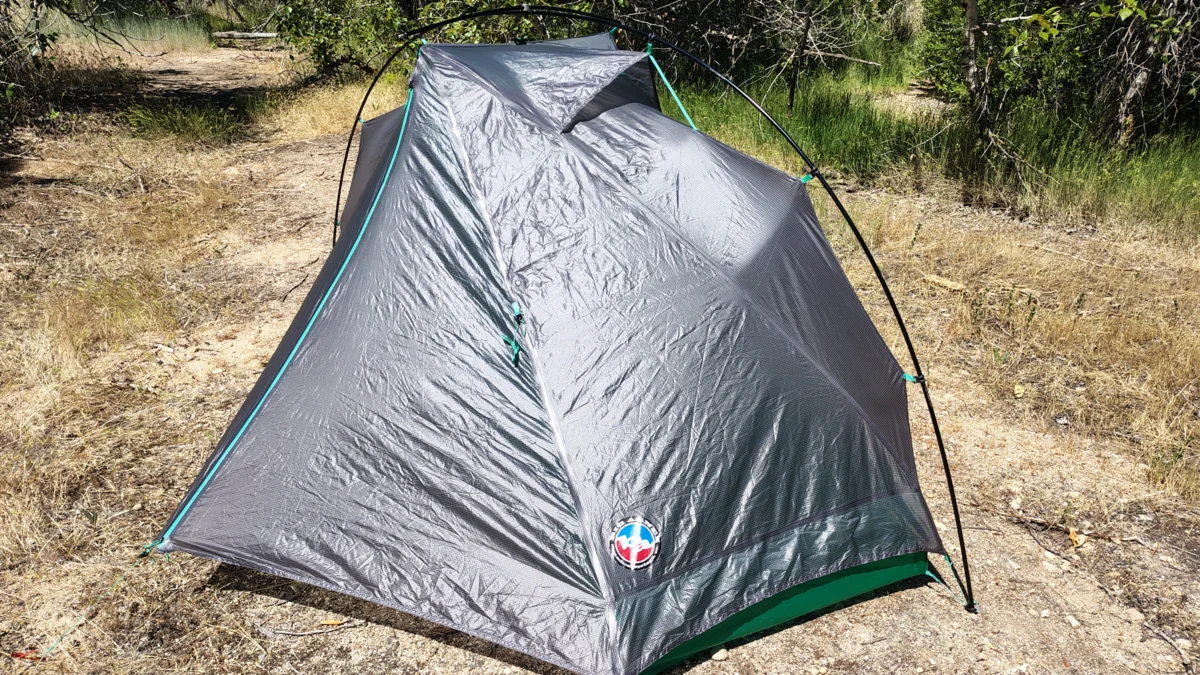









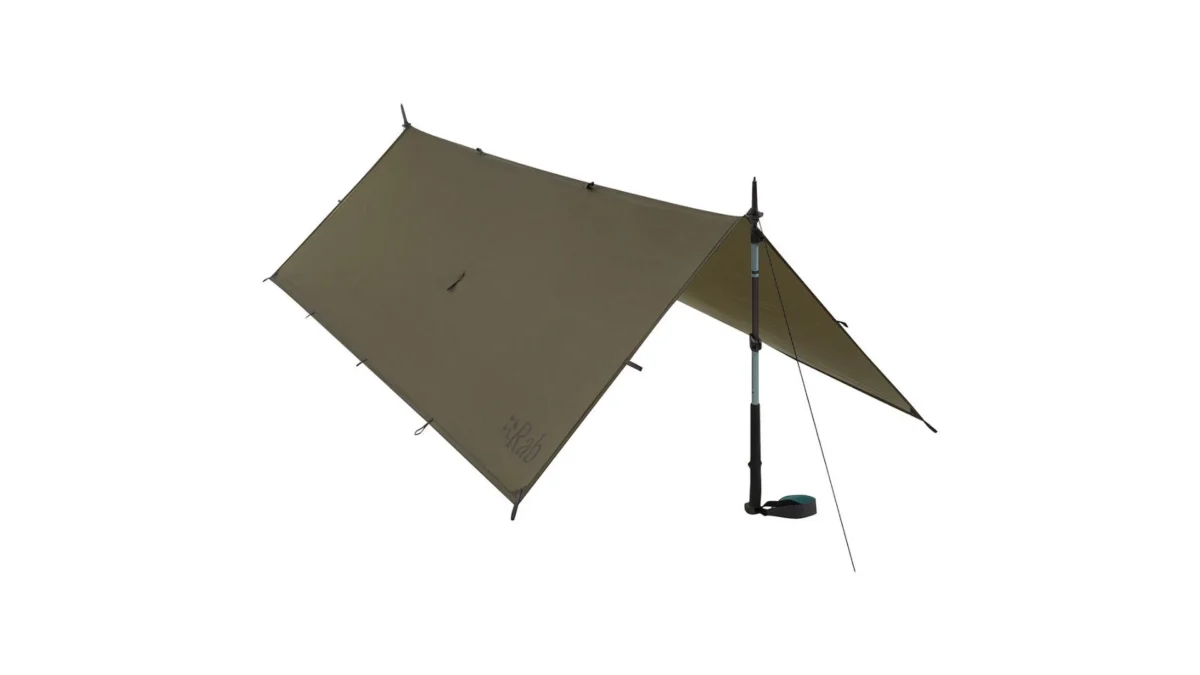
The landscape of backcountry shelter has undergone a profound transformation over the past two decades. Today, a significant majority of contemporary backpackers will never experience pitching a flat tarp, as these minimalist canopies have steadily lost ground to the ubiquity of more secure, freestanding, and user-friendly ultralight tents. Modern manufacturing innovations, the widespread adoption of trekking poles as structural supports, and the mass production of double-walled mesh-and-fabric sanctuaries have made traditional tent camping accessible to novices with virtually zero learning curve. However, for those willing to invest the time and effort required to master the geometry of rigging a flat sheet of waterproof fabric, the rewards remain unmatched. No other category of shelter offers a lighter base weight, a smaller packed size, or a more economical price point. Stepping into this niche, the Rab SilTarp Plus Solo has emerged as a compelling, purpose-built entry-level solo shelter designed specifically to capture the interest of the tarp-curious adventurer. Constructed from a durable 30-denier silnylon body that effectively fends off driving precipitation, and equipped with more than a dozen reinforced guy-out points that allow users to batten down the hatches against severe storms or howling winds, the tarp bridges the gap between ultra-minimalist mountaineering traditions and modern weather-resistance demands.
Main Facts and Product Architecture
The resurgence of interest in minimalist shelters is largely fueled by shifts in gear consumerism, where weight savings and multi-use functionality dictate purchasing decisions. The Rab SilTarp Plus Solo represents a meticulous engineering response to these shifting priorities. Weighing in at a fraction of even the lightest single-wall tents on the market, the shelter relies on high-tenacity siliconized nylon (silnylon) to achieve its waterproof rating without sacrificing tensile strength.
Unlike traditional square or rectangular tarps that require advanced spatial visualization to pitch effectively, the SilTarp Plus Solo features a tailored catenary cut or optimized geometric shaping that aids in achieving a taut, wind-shedding pitch even for those with limited experience. The inclusion of more than a dozen meticulously placed guy-out points is central to its versatility. These attachment loops are reinforced with durable bar-tacking to withstand high-wind loading, enabling users to adapt the shelter to a vast array of micro-environments. Whether configured as a classic, open-air lean-to for stargazing in calm summer weather, or pitched down to the ground like a protective storm pyramid with integrated doors to block blowing snow and rain, the system adapts to the user’s fieldcraft abilities.
Furthermore, the economic appeal of flat tarps cannot be overstated in an era where high-end backpacking tents routinely exceed the five-hundred-dollar threshold. By stripping away complex poles, inner mesh bodies, and proprietary hardware, manufacturers can offer high-performance weather protection at a fraction of the cost, making elite-level weight savings accessible to budget-conscious hikers and thru-hikers alike.
Historical Chronology of Ultralight Shelter Evolution
To understand the current market position of the Rab SilTarp Plus Solo, it is necessary to examine the historical trajectory of backcountry shelter design over the past fifty years.
The Pioneer Era (1970s–1990s)
In the early days of modern backpacking and mountaineering, flat tarps were not a niche preference; they were standard operating procedure for many lightweight pioneers. Utilizing standard painters’ drop cloths, heavy-duty polyurethane plastics, or early-generation coated nylon fabrics, hikers constructed rudimentary shelters using natural anchors like trees, rocks, and wooden staves. The philosophy was rooted in mountaineering minimalism, where speed and lightness were paramount for survival above the tree line.
The Tent Revolution (2000s–2010s)
As synthetic textile manufacturing matured, the backpacking industry experienced a massive pivot toward freestanding and semi-freestanding tents. Brands engineered lightweight aluminum alloy poles, breathable mesh canopies, and factory-taped waterproof floors. This era prioritized comfort, insect protection, and psychological security. For the average consumer, the anxiety of pitching a tarp incorrectly and waking up in a puddle outweighed the marginal weight savings, leading to a near-total eclipse of flat tarps in mainstream retail channels.
The Ultralight Renaissance and Hybrid Designs (2020–Present)
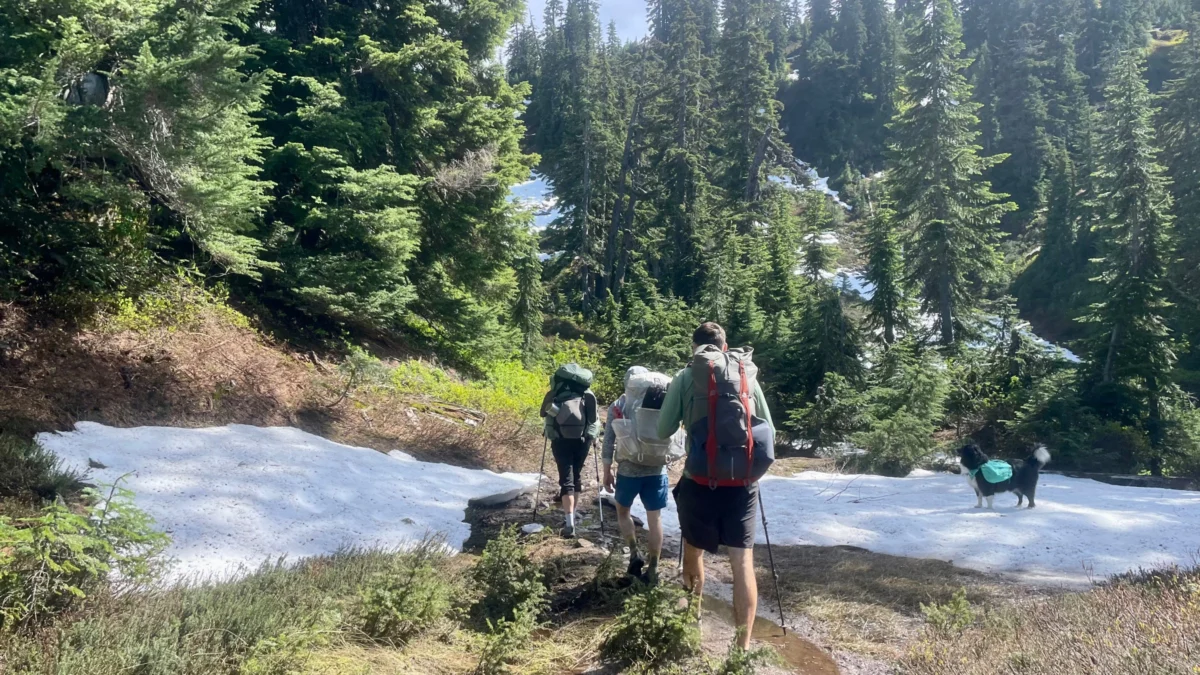
The rise of long-distance thru-hiking—specifically on trails like the Appalachian Trail, Pacific Crest Trail, and Continental Divide Trail—sparked a renewed obsession with base weight reduction. Thru-hikers rediscovered the benefits of eliminating redundant pole weight by utilizing their trekking poles as structural supports. Concurrently, gear manufacturers began integrating advanced materials such as Dyneema Composite Fabric (DCF) alongside high-grade silnylon. The introduction of products like the Rab SilTarp Plus Solo marks the current phase of this evolution: bridging the gap between historical tarpcraft and user-friendly modern design by incorporating advanced guy-out mapping and tear-resistant coatings that lower the barrier to entry for a new generation of backpackers.
Supporting Data and Market Analysis
Recent demographic and retail data from the outdoor recreation sector highlight a distinct bifurcation in consumer buying habits. While the market for luxury, glamping-style car-camping tents has expanded significantly, the ultralight backpacking segment has simultaneously grown at a compound annual growth rate (CAGR) of approximately 6.5% over the past five years. Within this ultralight sector, weight-conscious consumers are increasingly scrutinizing base weights, often setting sub-10-pound base weight goals for multi-day excursions.
| Shelter Category | Average Weight Range | Average Retail Price | Weather Versatility Index | Learning Curve |
|---|---|---|---|---|
| Traditional Double-Wall Tent | 3.5 lbs – 5.5 lbs | $350 – $600 | High | Low (Freestanding) |
| Ultralight Trekking-Pole Tent | 1.5 lbs – 2.5 lbs | $400 – $700 | High | Moderate |
| Premium DCF Flat Tarp | 5 oz – 12 oz | $300 – $550 | Variable | High |
| Silnylon Solo Tarp (e.g., Rab SilTarp Plus Solo) | 10 oz – 18 oz | $150 – $250 | Variable | High |
As illustrated by industry metrics, silnylon tarps occupy a crucial sweet spot in the market. They offer weight savings that rival exotic materials like Dyneema while remaining significantly cheaper. However, industry surveys consistently indicate that the primary deterrent preventing mainstream adoption of tarps is perceived complexity. Over 65% of surveyed novice backpackers cite "fear of inadequate storm protection" and "lack of pitching knowledge" as the primary reasons they opt for conventional tents over flat tarps. This psychological barrier explains why products featuring enhanced attachment architectures—such as the multiple guy-out points on the Rab offering structural guidance—are critical for market expansion.
Industry Perspectives and Expert Reactions
Outdoor gear analysts and veteran outdoor educators have offered nuanced perspectives on the resurgence of tarp camping in an era dominated by plug-and-play shelters.
"We are seeing a generational pendulum swing," notes Marcus Vance, an outdoor gear historian and long-distance backpacking guide. "For a long time, the industry engineered out every bit of friction in the camping experience. Tents became so foolproof that users stopped needing to understand wind direction, micro-topography, or knot-working. While that made the outdoors more accessible, it also created a generation of hikers disconnected from the mechanics of their shelter. Tarps like the SilTarp Plus Solo force the user to re-engage with their environment."
Emergency wilderness response professionals have also weighed in on the implications of minimalist shelter usage. Search and rescue (SAR) coordinators emphasize that while ultralight gear reduces physical fatigue on long treks, it requires a higher baseline of competency to ensure safety during unexpected weather events.
"A tent forgives poor campsite selection," explains Sarah Jenkins, a regional SAR liaison and wilderness survival instructor. "If you pitch a standard double-wall tent in a slight depression, the floor might keep you dry for a few hours. If you make that same mistake with a flat tarp and fail to properly excavate a trench or pitch with adequate storm doors, you are entirely exposed to wind-driven water. Therefore, gear that encourages users to learn proper tarp origami—such as configuring low-slung A-frames or wind-shedding lean-tos—ultimately builds better, safer backcountry travelers."
Broader Impact and Industry Implications
The commercial availability and consumer adoption of entry-level solo tarps carry several broader implications for the outdoor recreation industry, environmental conservation, and outdoor education.
Shift Toward Skill-Based Outdoor Recreation
The popularity of products designed to reintroduce traditional skills signals a broader cultural desire among outdoor enthusiasts for authenticity and mastery. Rather than relying on technological complexity to solve environmental challenges, users are increasingly valuing lightweight simplicity and personal resourcefulness. This trend is pushing outdoor brands to invest more heavily in educational content, digital tutorials, and skills-based marketing rather than mere feature-list escalation.
Environmental and Leave No Trace Considerations
Minimalist shelters inherently align with strict Leave No Trace (LNT) ethics. Because flat tarps leave a minimal physical footprint and encourage the use of natural anchors and non-destructive guyline techniques, they reduce the wear and tear on fragile alpine and sub-alpine soils compared to bulky tent setups that require large, flattened staging areas. Furthermore, the longevity of high-tenacity silnylon, when properly maintained, contributes to a more sustainable product lifecycle, reducing the frequency of gear replacement and subsequent landfill waste.
Economic Accessibility in Backpacker Culture
With inflation and rising manufacturing costs affecting nearly every consumer goods category, the accessibility of lightweight backpacking has become a pressing concern for clubs, youth organizations, and budget-constrained adventurers. By providing a weather-worthy, highly versatile shelter at a price point well below that of complex single-wall and double-wall tents, products like the Rab SilTarp Plus Solo democratize access to ultralight backpacking, proving that shedding pounds from a pack does not necessarily require a prohibitive financial investment.
As the outdoor community continues to balance the demands of comfort against the desire for lightweight efficiency, the humble flat tarp—bolstered by modern engineering and accessible educational resources—is proving that classic designs rarely become obsolete; they merely wait for the next generation to rediscover their value.