







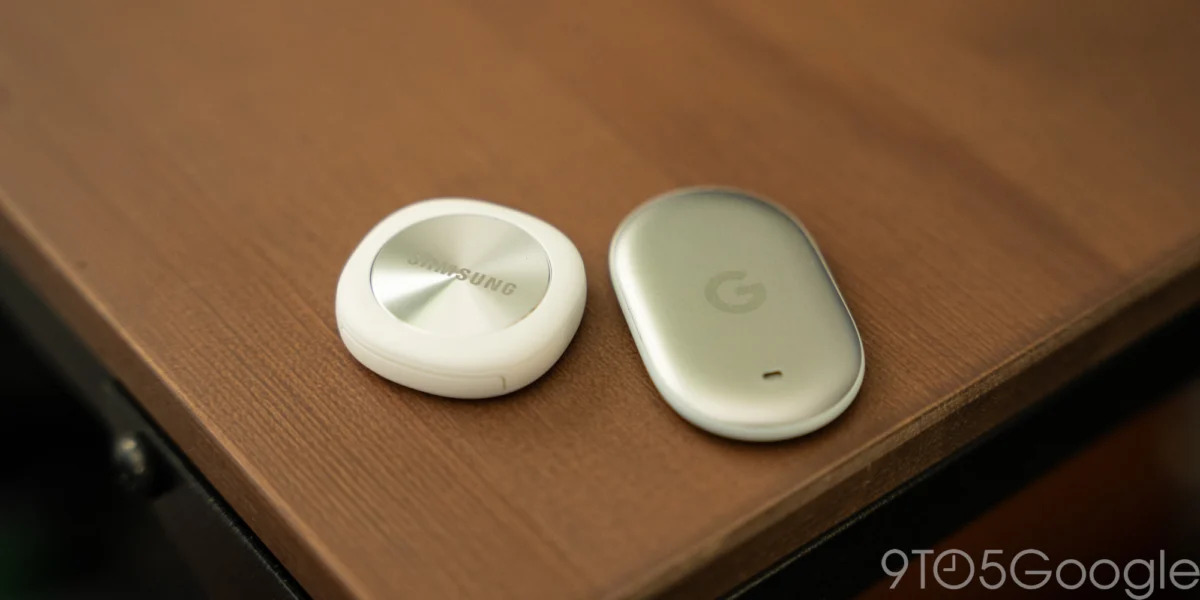
Just one week after its official retail debut, the Samsung Galaxy SmartTag 3 has already entered the promotional cycle, with major retailers offering significant discounts on the new Bluetooth tracker. While the suggested retail price for a single unit remains $29.99, current market movements—specifically through platforms like Woot—have brought the per-unit cost down to as low as $20 when purchased in multi-pack bundles. This rapid price adjustment highlights an increasingly competitive landscape in the personal item tracking market, as Samsung squares off against the recently launched Google Pixel Tag and established players like Apple and Tile.
Chronology of the Galaxy SmartTag 3 Rollout
The trajectory of the Galaxy SmartTag 3 has been marked by a focus on hardware refinement and ecosystem expansion. The product was officially unveiled and made available for purchase on November 6, 2026. This launch followed months of speculation regarding how Samsung would pivot its tracking technology to address concerns about cross-platform compatibility and network reliability.
Historically, Samsung’s SmartThings Find network has been lauded for its density and reliability, particularly in urban environments where the sheer volume of Galaxy devices creates a robust mesh network. When Samsung introduced the SmartTag 2 in 2023, the focus was on durability and battery life. The transition to the third iteration represents a shift toward more compact, feature-rich hardware. The device notably lacks the physical mounting loop seen in previous generations, opting instead for a sleeker profile that some users may find more portable, though others may miss the added utility of the hole for keyrings.
Technical Specifications and Market Positioning
The Galaxy SmartTag 3 arrives with several key upgrades that distinguish it from its predecessors and competitors. Chief among these is the integration of advanced NFC capabilities. This feature allows any individual who finds a lost item to scan the tag with their own smartphone, instantly accessing contact information or a customized message left by the owner. This functionality significantly expands the "Find" capability beyond the limitations of proprietary Bluetooth networks.
Furthermore, Samsung has improved the battery efficiency of the SmartTag 3, allowing for longer intervals between replacements. The device also introduces limited iPhone support—a notable development for a company historically tethered to its own hardware ecosystem. However, it is critical to note that while the tag offers some utility for iOS users, it does not integrate with the Apple Find My network, nor does it function with Google’s Find Hub for Android devices. This fragmentation remains a central point of contention for consumers looking for a universal tracking solution.

Comparative Analysis: Samsung vs. Google
The current rivalry between Samsung’s ecosystem and Google’s burgeoning Find Hub network is defining the current state of consumer tracking technology. Google’s Pixel Tag, launched to widespread anticipation, was designed to act as the standard-bearer for the company’s unified Find My Device network. While the Pixel Tag benefits from deep integration with the Android operating system, early real-world feedback suggests that Google’s network is still in a phase of maturity.
Many users on community forums and tech analytical platforms have observed that the SmartThings Find network, which powers the Galaxy SmartTag 3, currently offers superior detection performance. This is largely attributed to the sheer number of active Galaxy devices globally that continuously ping and report the locations of tags. Google’s network, while growing rapidly, has faced challenges in maintaining the same level of granular precision in sparse areas.
For the average consumer, this presents a strategic choice. Users fully committed to the Samsung ecosystem—owning Galaxy smartphones, tablets, and wearables—will find the SmartTag 3 offers a seamless, high-performance experience. Conversely, users operating within a more diverse or stock-Android environment may find the Pixel Tag more convenient for its native system-level support, despite the current network limitations.
Economic Implications and Pricing Strategy
The aggressive discounting of the Galaxy SmartTag 3 so soon after launch is indicative of the "volume-over-margin" strategy currently favored in the IoT (Internet of Things) accessory market. By offering a 4-pack at $79.99—effectively $20 per unit—Samsung is positioning its hardware as a commodity that users should buy in bulk rather than a premium, singular purchase.
Retailers like Woot are often utilized by manufacturers to move inventory and gain immediate market share during the critical post-launch window. This move also serves to undercut the price point of the Google Pixel Tag, which currently holds a firmer price floor. By making the barrier to entry significantly lower, Samsung is betting that once a user invests in the SmartThings Find ecosystem, the switching costs (both financial and habitual) will keep them tied to the brand for future device purchases.
Ecosystem Limitations and User Considerations
Despite the hardware advancements, potential buyers must remain aware of the platform constraints. The SmartTag 3 is not a "universal" tracker. It is designed explicitly for the Samsung SmartThings environment. If a user moves away from a Samsung smartphone in the future, the utility of the tag is severely diminished.

This brings into focus the broader debate regarding the interoperability of tracking devices. Industry regulators in both the European Union and the United States have begun to scrutinize the proprietary nature of these networks. While companies are moving toward a standard for cross-brand "unwanted tracker alerts" to improve safety and prevent stalking, full network interoperability—where a Samsung tag could be tracked by a Google phone or vice versa—remains an elusive goal.
Broader Impact on the Tracking Industry
The release of the Galaxy SmartTag 3 and its subsequent discount strategy underscores three major trends in the consumer tech sector:
- Hardware Maturation: Bluetooth trackers have reached a point where the physical hardware—battery life, signal strength, and size—is largely commoditized. The real value is now found in the software and the strength of the underlying network.
- Ecosystem Lock-in: Both Samsung and Google are utilizing their tracking hardware as "sticky" features. The more a user relies on a specific tag for their daily security, the less likely they are to switch smartphone brands.
- Pricing Pressure: The market for Bluetooth trackers is becoming increasingly saturated. With players like Tile, Apple, Samsung, and Google all competing for the same consumer dollar, price elasticity is high. Discounts are no longer a sign of a failed product, but a necessary tactic to maintain competitiveness in a crowded retail environment.
Conclusion and Future Outlook
For the consumer, the current discount on the Galaxy SmartTag 3 represents an ideal entry point for those already utilizing Samsung devices. The added NFC capability and refined battery management make it a notable upgrade over the previous generation. However, the decision to purchase should be heavily weighed against the user’s long-term device roadmap.
As the battle for network dominance continues between Google’s Find My Device and Samsung’s SmartThings Find, consumers can likely expect further promotional activity. Whether these networks will eventually coalesce into a more open, interoperable system remains to be seen. For now, the market remains fractured, and the best choice for a consumer is determined primarily by the brand of smartphone in their pocket.
As Samsung continues to refine its software updates to support the new hardware, the performance gap between the SmartTag 3 and its competitors may shift. For now, the rapid transition to discounted pricing suggests that Samsung is keen to establish the SmartTag 3 as the definitive, affordable option for the millions of Galaxy users worldwide. Whether this strategy will successfully blunt the momentum of Google’s new entry into the market will be a key storyline to monitor in the coming fiscal quarters.