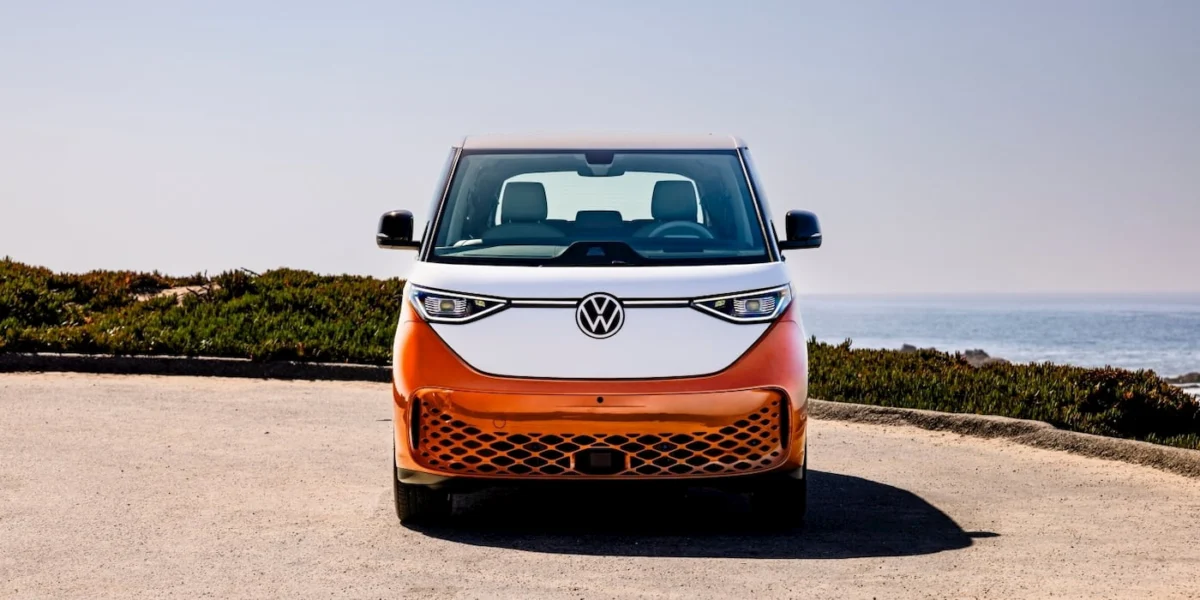
Volkswagen’s ambitious revival of its iconic electric minibus has hit another major speedbump in the United States market. According to recent reports and communications sent to dealerships, the German automaker has officially pushed back the reintroduction of the ID. Buzz, effectively skipping both the 2026 and 2027 model years. Originally expected to make a swift return, the quirky zero-emission van is now slated to reappear as a 2028 model, signaling deeper strategic adjustments for Volkswagen’s American electric vehicle lineup as it grapples with sluggish demand, heavy dealer inventories, and intense competitive pressures.
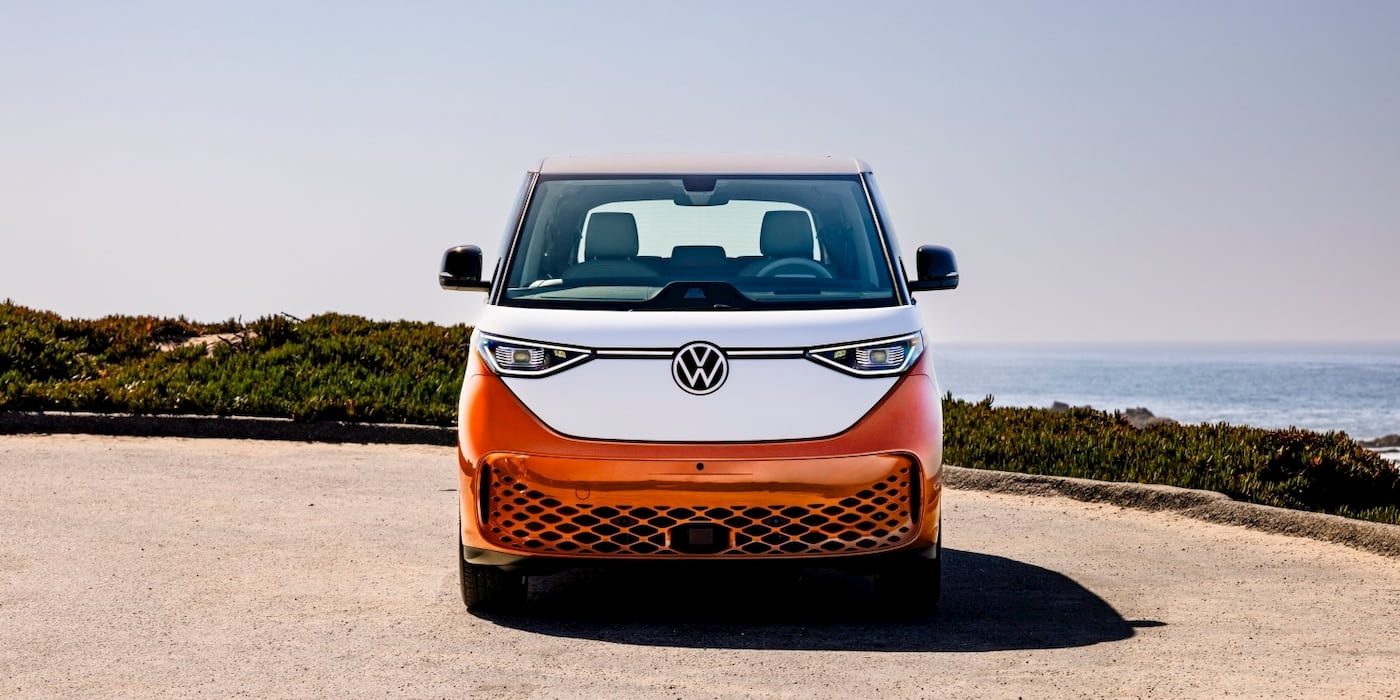
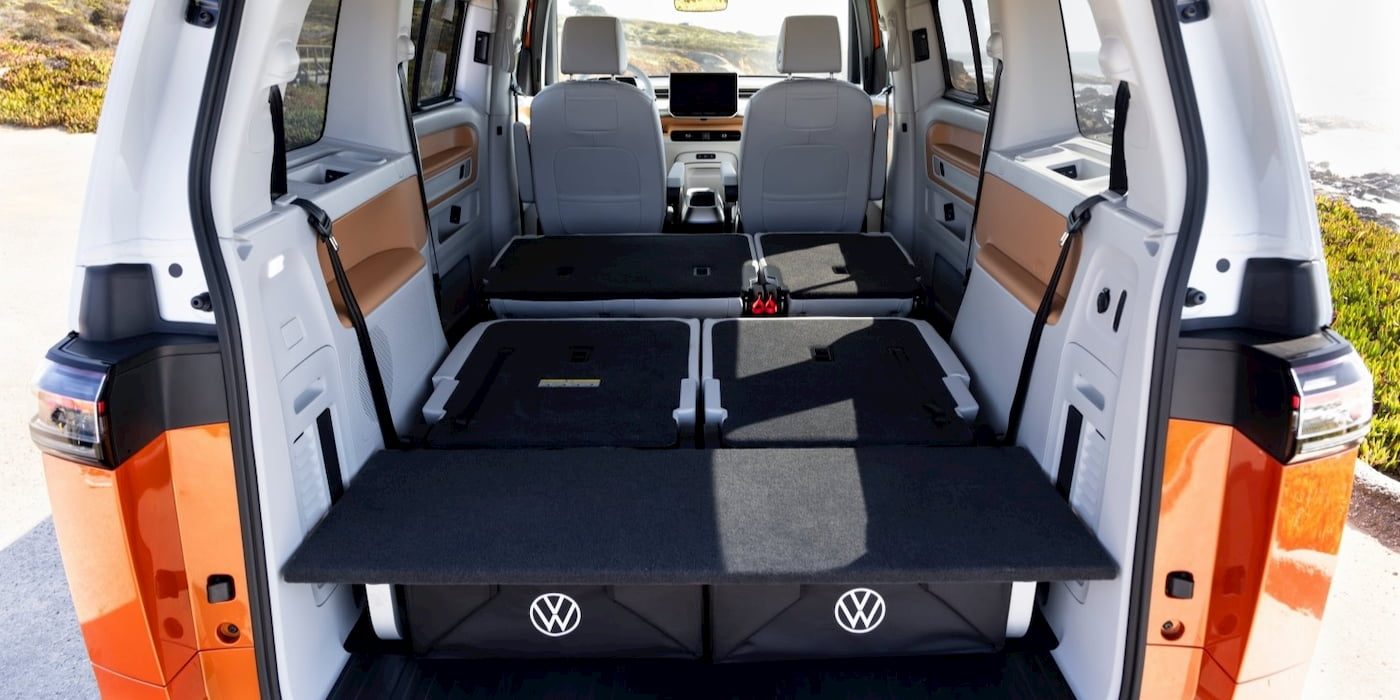
The decision, communicated directly to Volkswagen franchise dealers on September 24, marks a significant retreat from earlier company roadmaps. Earlier this year, Volkswagen executives had outlined a tentative comeback strategy for the 2027 model year, which included tantalizing upgrades such as a specialized "Tourer" trim configured for overnight camping and long-awaited North American Charging Standard (NACS) hardware integration. However, shifting market conditions and lingering supply dynamics have forced the automaker to hit the pause button once more, leaving a multi-year gap in the vehicle’s availability on US showroom floors.
A High-Profile Debut Followed by Fading Nostalgia
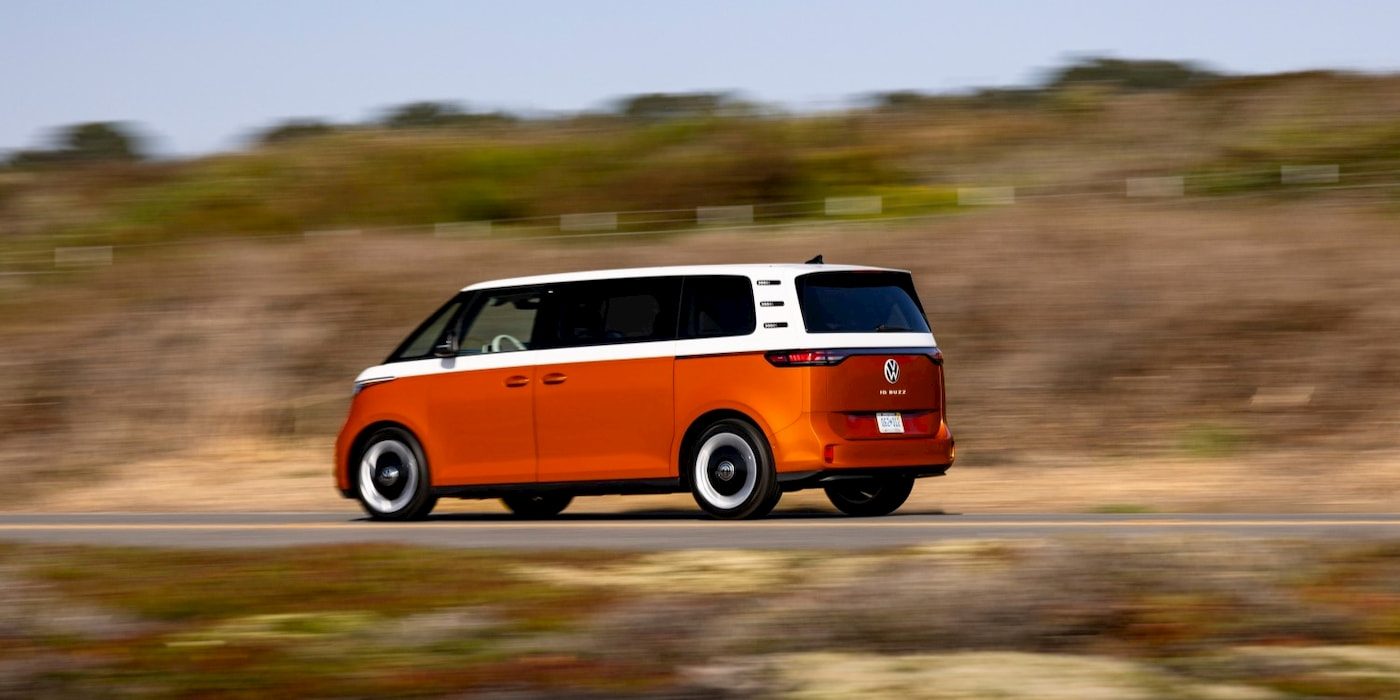
When the Volkswagen ID. Buzz officially arrived in the United States in 2024, it was greeted with an immense wave of public fascination and nostalgia. Serving as an all-electric, spiritually faithful successor to the legendary Type 2 Microbus that defined counterculture movements of the mid-20th century, the vehicle generated substantial headlines and showroom traffic upon its initial release.
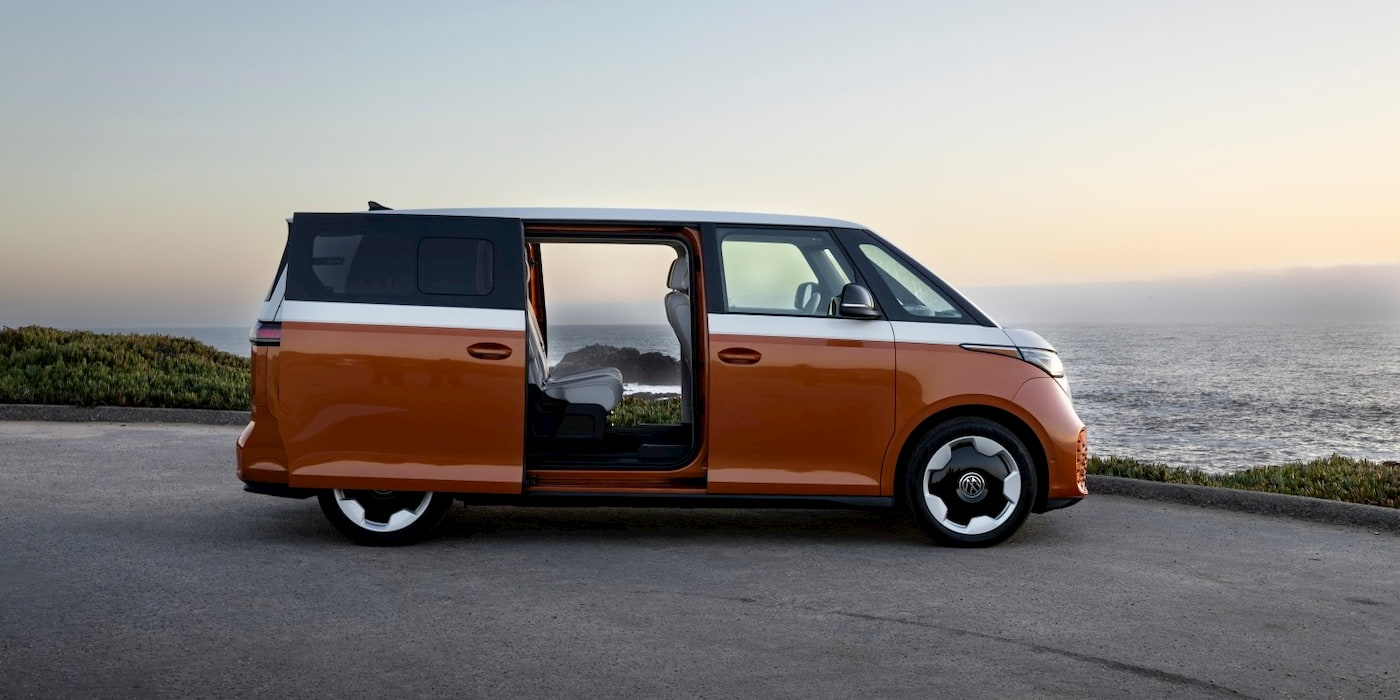
Yet, the initial wave of nostalgic enthusiasm proved insufficient to sustain long-term sales momentum. Industry analysts pointed to several compounding hurdles that stunted the ID. Buzz’s market penetration from the outset. Chief among these was its formidable price tag. With an entry-level price hovering around $60,000, the ID. Buzz positioned itself as a premium lifestyle vehicle rather than an accessible family transporter.
Furthermore, the vehicle’s mechanical specifications struggled to justify the cost for utility-minded consumers. The US-spec ID. Buzz launched with an EPA-estimated range of roughly 234 miles on a single charge. While entirely adequate for daily urban commuting and routine errands, this range profile fell short for families looking to undertake cross-country road trips or weekend excursions—particularly when measured against competing three-row electric SUVs.
The Competitive Landscape and Inventory Backlog
The electric vehicle segment in the United States has evolved at a blistering pace since the conceptualization of the ID. Buzz. By the time the vehicle hit dealerships, it found itself competing against a new generation of highly capable, long-range electric haulers.
Vehicles like the Kia EV9 and the Hyundai IONIQ 9 have successfully captured the family-focused EV market by offering spacious three-row seating configurations paired with driving ranges exceeding 300 miles. For consumers prioritizing practicality, range anxiety mitigation, and value, these mainstream electric SUVs presented more logical alternatives to Volkswagen’s retro-styled van.
Consequently, sales figures failed to meet internal projections. Last year, Volkswagen managed to shift just 6,140 units of the ID. Buzz across the entire United States market. This lower-than-anticipated absorption rate created a cascading effect throughout the dealer network, resulting in an uncomfortable overflow of inventory sitting on lots nationwide. According to recent listings data aggregated by platforms like Cars.com, active inventory for new, unsold model-year units has dwindled to a mere 38 vehicles nationwide, demonstrating just how sharply Volkswagen curtailed shipments to manage the glut.
A Timeline of Delay and Corporate Reassurance
The path toward the current 2028 delay has been marked by a series of incremental scheduling adjustments by Volkswagen leadership:

- 2024: The ID. Buzz officially goes on sale in the United States to high levels of nostalgic fanfare, followed shortly by slower-than-projected sales velocities.
- December 2025: Volkswagen Group of America Vice President and Chief Communications Officer Jeannine Ginivan confirms to automotive media that the ID. Buzz will skip the 2026 model year in the US, reassuring stakeholders that the vehicle is not cancelled and that existing inventory remains sufficient to satisfy current demand.
- May 2026: Volkswagen previews updates for a planned 2027 model-year return, highlighting the introduction of a dedicated Tourer trim for overnight travel and native NACS port integration.
- September 24, 2026: Volkswagen issues an updated notification to US dealerships, officially shelving the 2027 model year timeline and pushing the anticipated return of the ID. Buzz back to the 2028 model year.
Throughout these adjustments, Volkswagen representatives have maintained that the nameplate remains a valued part of the brand’s long-term electrification portfolio in North America. Ginivan previously emphasized that the company was exercising inventory discipline rather than abandoning the vehicle altogether. Nevertheless, consecutive delivery deferrals underscore the delicate balancing act foreign automakers face when trying to monetize niche retro designs against practical utility vehicles in the American market.
Broader Implications for Volkswagen’s US EV Strategy
The ID. Buzz is not the only casualty in Volkswagen’s ongoing reassessment of its North American EV strategy. The automaker’s bread-and-butter electric crossover, the Volkswagen ID.4, is similarly slated to bypass the 2027 model year as the company implements a comprehensive overhaul of its product pipeline and manufacturing priorities.

These coordinated pauses suggest that Volkswagen is actively taking stock of its manufacturing cadence, supply chain efficiencies, and consumer demand curves in an increasingly competitive regulatory and commercial landscape. As the US electric vehicle market transitions from early adopters to pragmatic mainstream buyers, automakers are discovering that emotional branding and nostalgic appeal can only carry a vehicle so far before cold economic and functional metrics take precedence.
For prospective buyers and automotive enthusiasts eagerly waiting to park an electric microbus in their driveways, the wait has grown considerably longer. Whether the additional time in development will allow Volkswagen to re-engineer the ID. Buzz with enhanced battery range, sharper pricing structures, or more compelling features for the 2028 model year remains to be seen. In the interim, Volkswagen dealers will clear out the remaining legacy inventory, closing a rocky first chapter for the modern reincarnation of the classic VW bus.