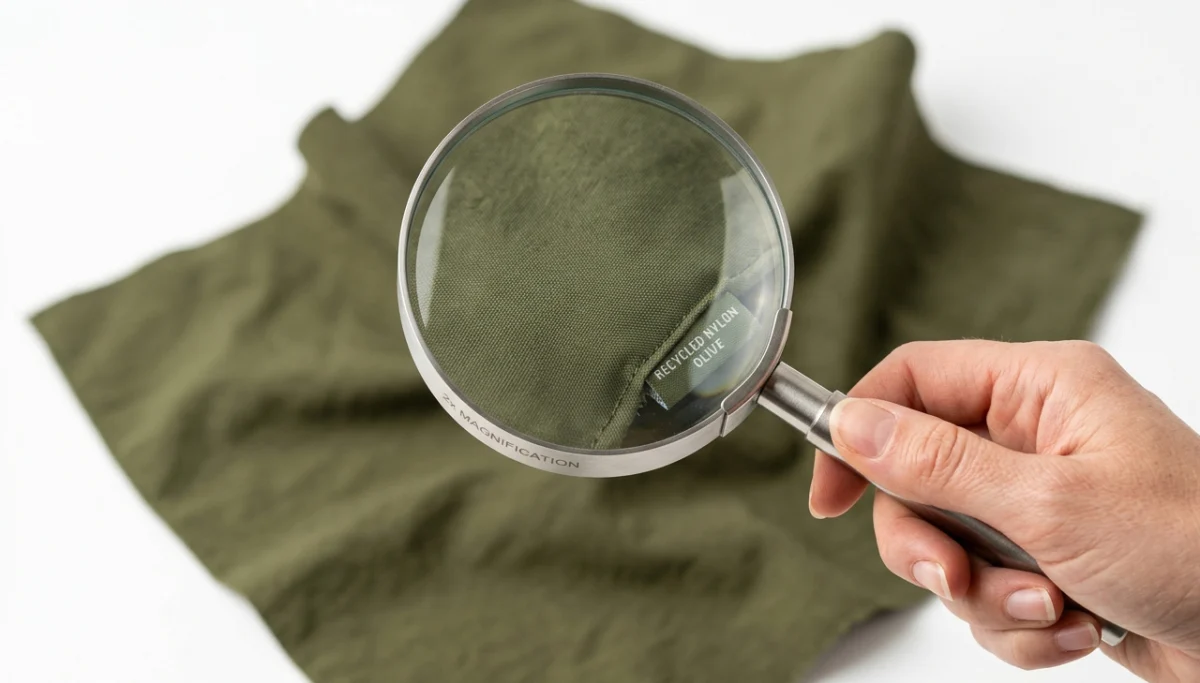
When consumers shop for a new backpack, travel duffel, or everyday carry pouch, specifications often serve as the primary guide for purchasing decisions. Among the most frequently cited metrics in technical softgoods is denier, a measurement that has gained near-mythic status among gear enthusiasts. Marketing campaigns routinely trumpet astronomical numbers—1000D, 1680D, and beyond—implying that a higher number guarantees a superior, virtually indestructible product. However, according to material experts and gear designers, this widespread assumption is a fundamental misconception. In reality, denier is merely a measure of linear mass density, and understanding how to truly read a fabric requires looking far beyond a single metric.
The terminology surrounding technical textiles can be opaque, leaving even seasoned consumers confused about what they are actually purchasing. To address this educational gap in the carry community, industry educators and content platforms have launched targeted instructional series, such as the ongoing "Carry 101" educational initiative. These resources aim to demystify material science, breaking down complex terminology and empowering buyers to evaluate gear based on holistic performance rather than marketing buzzwords.
Decoding the Denier Myth
To understand why a higher denier does not equate to a better fabric, one must first examine what the term actually means. Originating from an old French coin used to measure silk, denier (abbreviated as D) is formally defined as the mass in grams of 9,000 meters of a given yarn or fiber. For example, if 9,000 meters of a specific nylon thread weighs 500 grams, that thread is rated at 500 denier.
Crucially, denier measures weight and thickness, not intrinsic strength, tear resistance, or abrasion durability. A thicker yarn (high denier) results in a heavier, bulkier fabric, while a thinner yarn (low denier) yields a lighter, more pliable material. While it is true that a 1000D nylon yarn is generally thicker and heavier than a 200D nylon yarn, the performance outcomes depend heavily on the specific application, weave density, and—most importantly—the underlying fiber chemistry.
The Evolution of Technical Softgoods Materials
The history of bag manufacturing is defined by a relentless quest for materials that balance weight, volume, and resilience. For decades, natural fibers like canvas and leather dominated the market. While durable and aesthetically timeless, these materials were exceptionally heavy and susceptible to moisture degradation and rot.
The mid-20th century revolution in synthetic chemistry changed the landscape permanently. The invention of nylon by DuPont in the 1930s, followed by the commercialization of high-tenacity industrial nylons and polyesters in the decades that followed, provided designers with unprecedented control over fabric engineering. Manufacturers could finally tailor materials for specific environments—whether that meant resisting UV degradation for mountaineering tents or enduring the brutal abrasion of military deployments.
During the late 20th century, as tactical gear transitioned into the civilian consumer market, high-denier cordura nylons became the industry gold standard for ruggedness. This historical association firmly planted the idea in the consumer psyche that higher numbers equal higher quality. However, modern material science has rendered this rule of thumb obsolete. Advanced weaving techniques, specialized coatings, and revolutionary polymer blends mean that low-denier fabrics can routinely outperform their heavy, high-denier predecessors.
Comparative Data: Fiber Type, Weave, and Real-World Performance
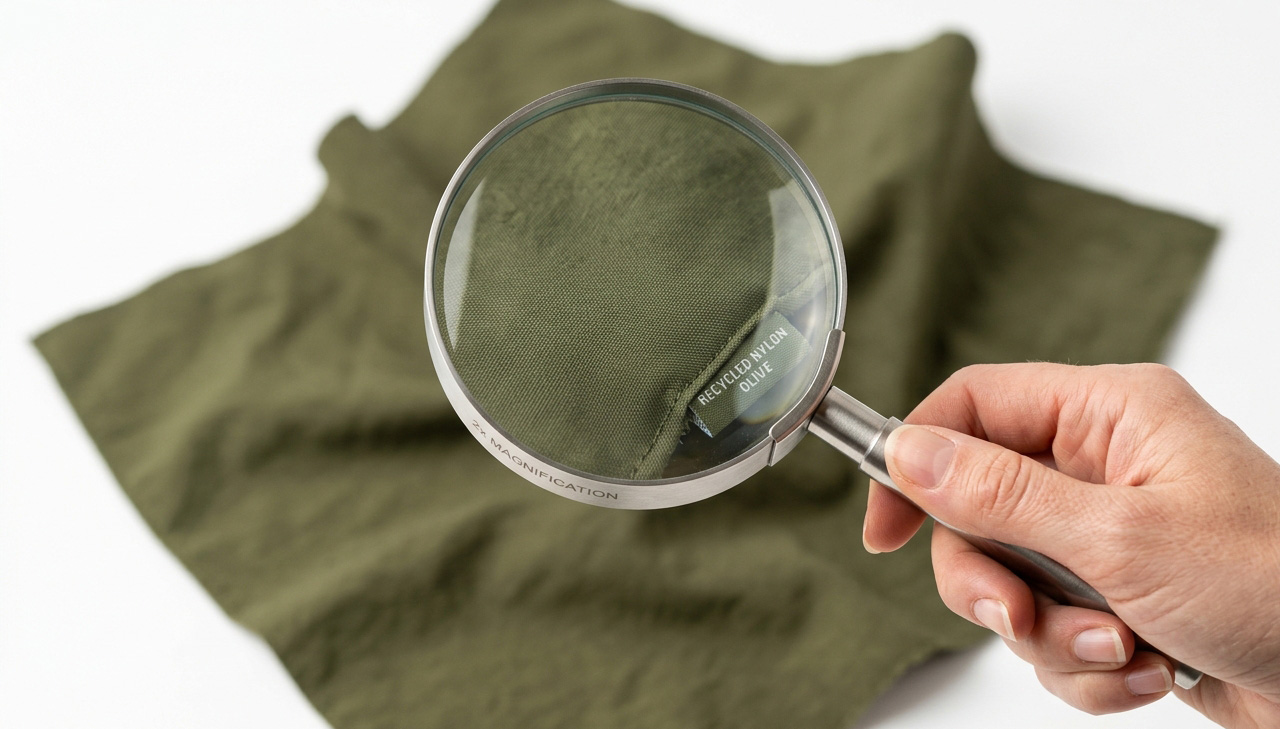
When evaluating technical fabrics, material engineers look at a complex matrix of variables rather than relying on a single data point. The following factors collectively determine how a fabric will perform in the field:
-
Fiber Chemistry: The raw material foundation dictates base properties. High-tenacity nylon (such as 6,6 variants) offers superior tensile strength and abrasion resistance compared to standard polyester of the exact same denier. Meanwhile, ultra-high-molecular-weight polyethylene (UHMWPE) fibers, commercially known as Dyneema or Spectra, possess strength-to-weight ratios up to 15 times greater than steel, routinely outperforming 1000D nylon while maintaining a featherlight denier profile.
-
Weave and Construction: The way yarns are interlaced matters immensely. A tight, balanced plain weave or a ballistic weave provides structural integrity and prevents yarn shifting. Furthermore, the inclusion of ripstop grids—utilizing thicker reinforcement threads woven in a crosshatch pattern at regular intervals—stops minor punctures from propagating into catastrophic tears, regardless of the base fabric’s denier.
-
Coatings and Laminations: Modern technical fabrics are rarely left raw. Polyurethane (PU) coatings, silicone impregnations (silnylon), and thermoplastic laminate films (such as X-Pac or EPX series) provide essential waterproof barriers, UV resistance, and structural hand-feel. A lower-denier fabric paired with an advanced laminate can offer superior weather protection and structural rigidity compared to an uncoated, heavy-denier weave that absorbs water and sags over time.
Industry Perspectives and Expert Analysis
Leading bag designers and material manufacturers have increasingly pushed back against "denier inflation"—the unnecessary scaling up of fabric thickness purely for marketing appeal.
Industry veterans note that while a 1000D Cordura backpack feels reassuringly tough in a retail showroom, it comes with severe penalties in actual daily use. High-denier fabrics add dead weight to a bag, meaning the user expends energy carrying the empty weight of the pack rather than gear. Furthermore, heavy fabrics retain moisture, dry slowly, and add unnecessary bulk to everyday carry items like tech pouches and minimalist daypacks.
Conversely, innovative brands are utilizing high-tenacity 200D to 420D nylon fabrics, strategically reinforcing high-stress points while keeping overall weights remarkably low. According to manufacturing analysts, this shift reflects a broader consumer movement toward ergonomic efficiency, lightweight travel, and technical sophistication. Buyers are increasingly asking nuanced questions about fabric provenance, tear strengths, and chemical treatments rather than defaulting to the highest number on the spec sheet.
Broader Implications for Consumers and the Gear Market
The ongoing education surrounding technical specifications has significant implications for both consumers and manufacturers. For the everyday buyer, recognizing that a lower-denier fabric can significantly outperform a higher one—when deployed in the correct application—opens up a wider world of functional, lightweight gear choices. It prevents consumers from paying a weight penalty for durability they do not actually need.
For manufacturers, the shift demands greater transparency and higher design standards. Relying on sheer material thickness to mask poor construction or inadequate reinforcement is no longer viable in a well-informed marketplace. Brands must invest in advanced engineering, premium hardware, and smart ergonomics to deliver products that justify their positioning.
Ultimately, learning how to read a fabric requires moving past the simplistic metric of denier and embracing a holistic understanding of material science. As digital resources continue to break down these complex manufacturing concepts, consumers are better equipped than ever to make informed, value-driven decisions about the gear they carry into the world.