






The BMW Group, parent company to BMW, Mini, and Rolls-Royce, has released its third-quarter financial results for 2026, revealing a stark contrast in its electrification progress across global markets. While the automaker has successfully integrated all-electric vehicles (BEVs) into one-fifth of its total global sales for the three-month period ending in September, the company faces significant hurdles in balancing regional adoption rates. The data underscores a growing divide between Europe, where electric mobility is rapidly gaining momentum, and the United States, where market penetration for battery-powered vehicles remains considerably lower.
According to the latest earnings report, BEVs accounted for 20% of the BMW Group’s global sales in the third quarter of 2026. When plug-in hybrid electric vehicles (PHEVs) are included in the calculation, the total share of electrified models rises to 27.4%. Looking at the year-to-date performance from January through September, the group reported that BEVs made up 18.4% of total sales, with the inclusion of PHEVs bringing that figure to 26.1%.
The European Lead and Global Regional Disparities
The regional breakdown of these figures highlights a substantial geographic disparity. Europe currently serves as the primary engine for the BMW Group’s electrification strategy. In the European market, BEVs captured a 34.7% share of total sales, while the broader category of electrified vehicles reached a commanding 46.9%. This performance aligns with long-standing European regulatory pressures and consumer sentiment that have consistently favored lower-emission vehicles over the past decade.
In contrast, the United States presents a challenging landscape for the company’s EV ambitions. During the third quarter, BEVs accounted for a mere 4.7% of BMW Group sales in the U.S. Even when factoring in plug-in hybrids, the electrified share of the U.S. market reached only 11.4%. This performance places the United States at the bottom of the group’s regional rankings for electrification. Other regions, including China, recorded a 6.5% share for BEVs, while the combined regions of Asia-Pacific, Eastern Europe, the Middle East, and Africa collectively reported 18% of sales coming from all-electric models.
Navigating Policy Whiplash and Market Readiness
Industry analysts suggest that the sluggish adoption rate in the U.S. is not merely a reflection of product availability but rather a result of what many describe as "policy whiplash." Rapidly shifting legislative landscapes, tax credit eligibility requirements, and fluctuations in public charging infrastructure investment have created a climate of uncertainty for both manufacturers and consumers.
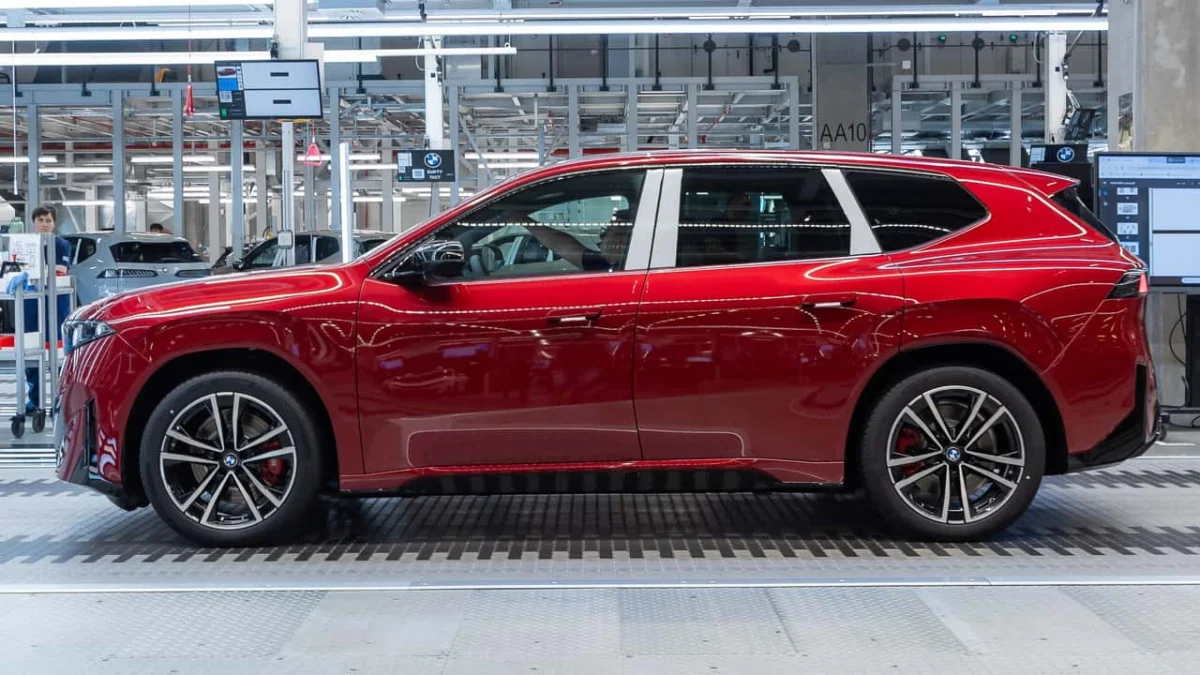
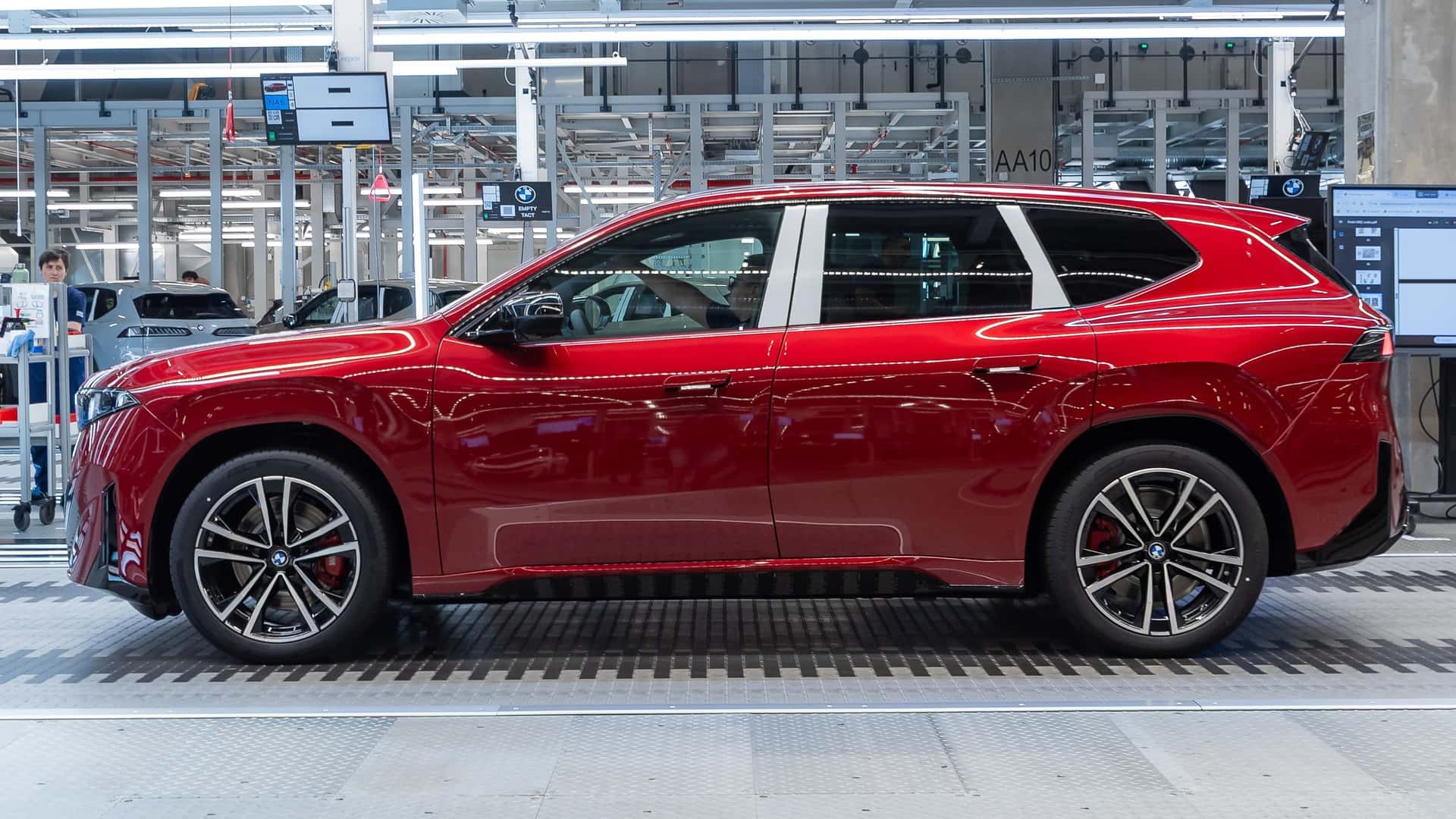
BMW’s product roadmap in the U.S. has also faced logistical constraints. For instance, the company has not introduced the full breadth of its global electric portfolio to American showrooms. European consumers currently have access to the electric iX2, a model that has not yet been prioritized for the North American market. Furthermore, the introduction of the new iX3 and i3 models to U.S. dealerships is only just beginning, meaning their full impact on sales figures has yet to be realized.
While the updated BMW i7 is slated for wider availability, historical trends indicate that this high-end luxury model remains a low-volume vehicle. Consequently, it is unlikely to serve as a volume driver capable of significantly moving the needle on the company’s aggregate U.S. electrification percentages in the short term.
A Year-to-Date Performance Analysis
Despite the positive momentum in the third quarter, the broader fiscal picture for the first nine months of 2026 reflects a slight cooling in demand for electrified vehicles. From January through September, the BMW Group sold 314,552 BEVs and 131,653 PHEVs. Compared to the same period in 2025, this represents a 5.1% decrease in total electrified sales. Specifically, BEV sales saw a marginal decline of 2.7%, while PHEV sales experienced a more pronounced drop of 10.3%.
However, when analyzed as a percentage of the total product portfolio, the trend remains positive. The share of BEV sales within the group’s overall output reached 18.4% for the first three quarters of 2026, marking an increase from the 18% recorded during the same period in the previous year. This suggests that while raw sales numbers have faced downward pressure due to macroeconomic factors and market saturation, the BMW Group is successfully prioritizing its electric transition relative to its internal combustion engine (ICE) business.
Future Outlook and Strategic Implications
The BMW Group’s strategy remains tethered to a "technology-open" approach, which emphasizes the development of both internal combustion and electrified powertrains to meet diverse regional demands. While this strategy offers a hedge against localized market volatility, it also necessitates high levels of capital expenditure.
Looking ahead, the successful rollout of the new iX3 and i3 models on a global scale is critical for the company to hit its year-end targets. The group is banking on these models to appeal to a broader segment of the market than its current, more expensive electric offerings. However, the company must also navigate the reality that in the U.S. market, consumer preference remains heavily skewed toward traditional engines and, increasingly, conventional hybrids, as evidenced by rising interest in electrified options across the automotive sector.
Industry Context: The Electric Transition
The BMW Group is not alone in navigating these turbulent waters. Across the industry, legacy automakers are recalibrating their electric vehicle production schedules to better align with actual consumer demand rather than initial optimistic projections. As charging infrastructure gaps persist and interest rates remain a factor in vehicle affordability, the transition to full electrification is proving to be a non-linear process.
For BMW, the challenge will be to maintain its market share in the premium segment while simultaneously meeting the rigorous emissions mandates required by the European Union and preparing for potential shifts in U.S. environmental policy. The company’s ability to scale its next-generation EV platforms, known as the Neue Klasse, will likely be the definitive factor in whether it can bridge the current performance gap between its European and American operations.
As the automotive sector enters the final quarter of 2026, all eyes will be on whether the late-year influx of new models can reverse the year-to-date decline in total sales. For now, the BMW Group’s data serves as a barometer for the broader industry: a clear reminder that global electrification is not a uniform movement, but a series of distinct regional transitions, each with its own unique set of obstacles and requirements for success.
The company continues to emphasize that it remains committed to its long-term electrification goals, asserting that the long-term shift toward zero-emission mobility remains the cornerstone of its corporate strategy, regardless of the temporary fluctuations in regional demand witnessed throughout 2026.