









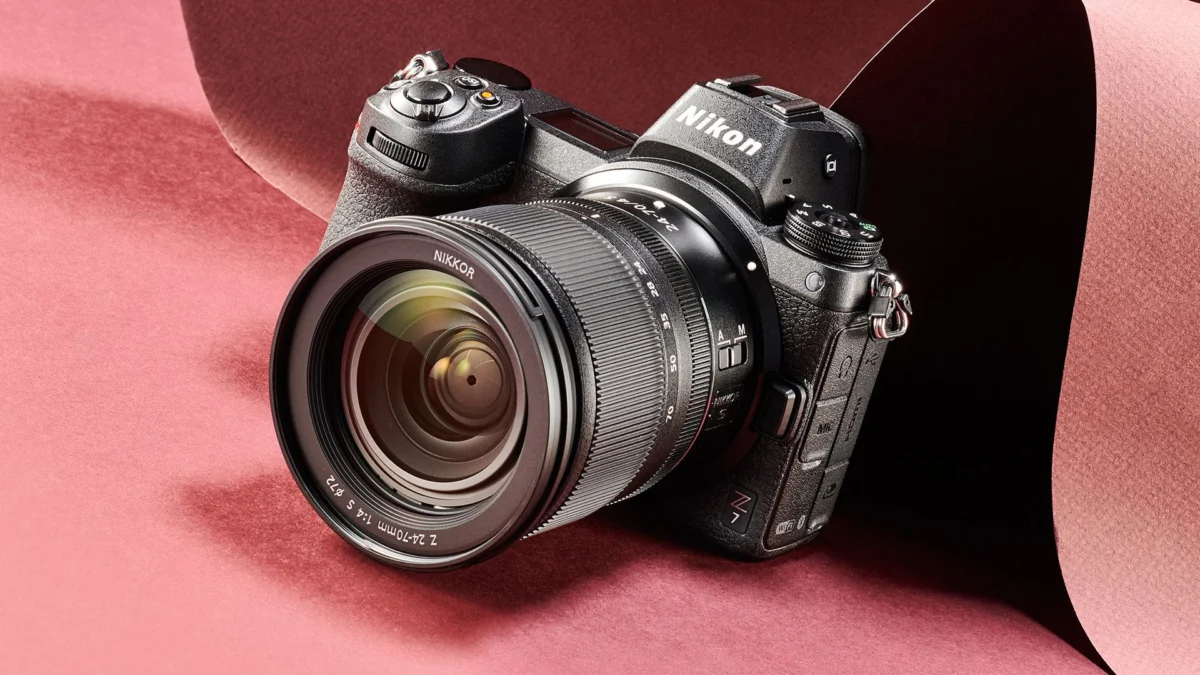
The photography market is experiencing a peculiar phenomenon as the Nikon Z7, a full-frame mirrorless camera originally released in 2018 and long since discontinued by the manufacturer, experiences a massive resurgence in online search trends and used equipment purchases. Released during a pivotal transition period for the historic camera brand, the Z7 debuted alongside its sibling, the Nikon Z6, marking the company’s definitive entry into the full-frame mirrorless sector. At the time of its initial rollout, the camera was positioned as a high-end, ultra-resolution body designed to rival the reigning DSLR champions. However, it was swiftly overshadowed by rapid technological advancements and eventually replaced by the Nikon Z7 II in 2020, a model engineered to correct several prominent hardware limitations of the first-generation device.
Despite being outpaced by subsequent iterations and modern flagships, the original Z7 is drawing renewed interest from budget-conscious enthusiasts and professional photographers alike. This unexpected trend highlights a broader paradigm shift in consumer behavior within the imaging industry, where soaring retail prices for new flagship hardware are driving buyers toward vintage, high-performance digital bodies that still deliver exceptional raw optical results.
A Retrospective Look at the Nikon Z7 Launch and Initial Shortcomings
When Nikon entered the mirrorless arena in September 2018, anticipation was high. The industry was rapidly pivoting away from traditional digital single-lens reflex cameras toward electronic viewfinder systems, and Nikon needed a formidable response to Sony’s established Alpha lineup. The Z7 arrived bearing a high-resolution 45.7-megapixel sensor, robust weather sealing, a durable magnesium alloy chassis, and a distinctive top-plate OLED screen that appealed to traditionalists.
Yet, the pioneering nature of the first-generation Z-Series body meant it was not without its friction points. Professional working photographers, particularly those covering fast-moving events, weddings, and high-stakes commercial assignments, voiced three primary grievances regarding the initial hardware.

First, the autofocus system, while competent for static subjects, lagged behind competitors in complex tracking scenarios and continuous eye-detection performance. Although Nikon subsequently released critical firmware updates that substantially improved tracking algorithms, the physical limitations of the single Expeed 6 image processor constrained how far the technology could evolve via software alone.
Second, the decision to equip the camera with only a single memory card slot—utilizing XQD and later CFexpress Type B media—alienated studio and wedding professionals who relied on dual-card redundancy for instantaneous in-camera data backups. For mission-critical environments where card failure could result in catastrophic data loss, a single slot was viewed as an unacceptable risk.
Third, the original launch ecosystem lacked a dedicated vertical battery grip. While standard battery life was adequate for general shooting, heavy users who preferred the ergonomic balance and extended power capacity of a portrait-orientation grip were forced to look elsewhere. These collective factors led to a relatively short primary market lifespan, prompting Nikon to accelerate the development of the Z7 II, which incorporated dual processors, a second card slot, and native vertical grip support.
The Economics of the Used Market in 2026
The primary catalyst behind the current Z7 renaissance is pricing economics. As the cost of brand-new, cutting-edge mirrorless bodies regularly climbs past the three-thousand-dollar threshold, the secondary market has emerged as a sanctuary for value-seeking photographers. In 2026, certified pre-owned units of the Nikon Z7 on major used equipment platforms such as MPB are trading starting at approximately $854 USD (£699 GBP).
This pricing puts a professional-grade, high-resolution full-frame camera directly in competition with modern entry-level and mid-range crop-sensor cameras, including the Canon EOS R50, Fujifilm X-T30 III, and various compact mirrorless systems. For buyers evaluating cost-per-megapixel, the proposition of acquiring a 45.7-megapixel full-frame sensor for under $900 represents an exceptional value proposition that modern entry-level cameras simply cannot match.

Image Quality That Defies Its Age
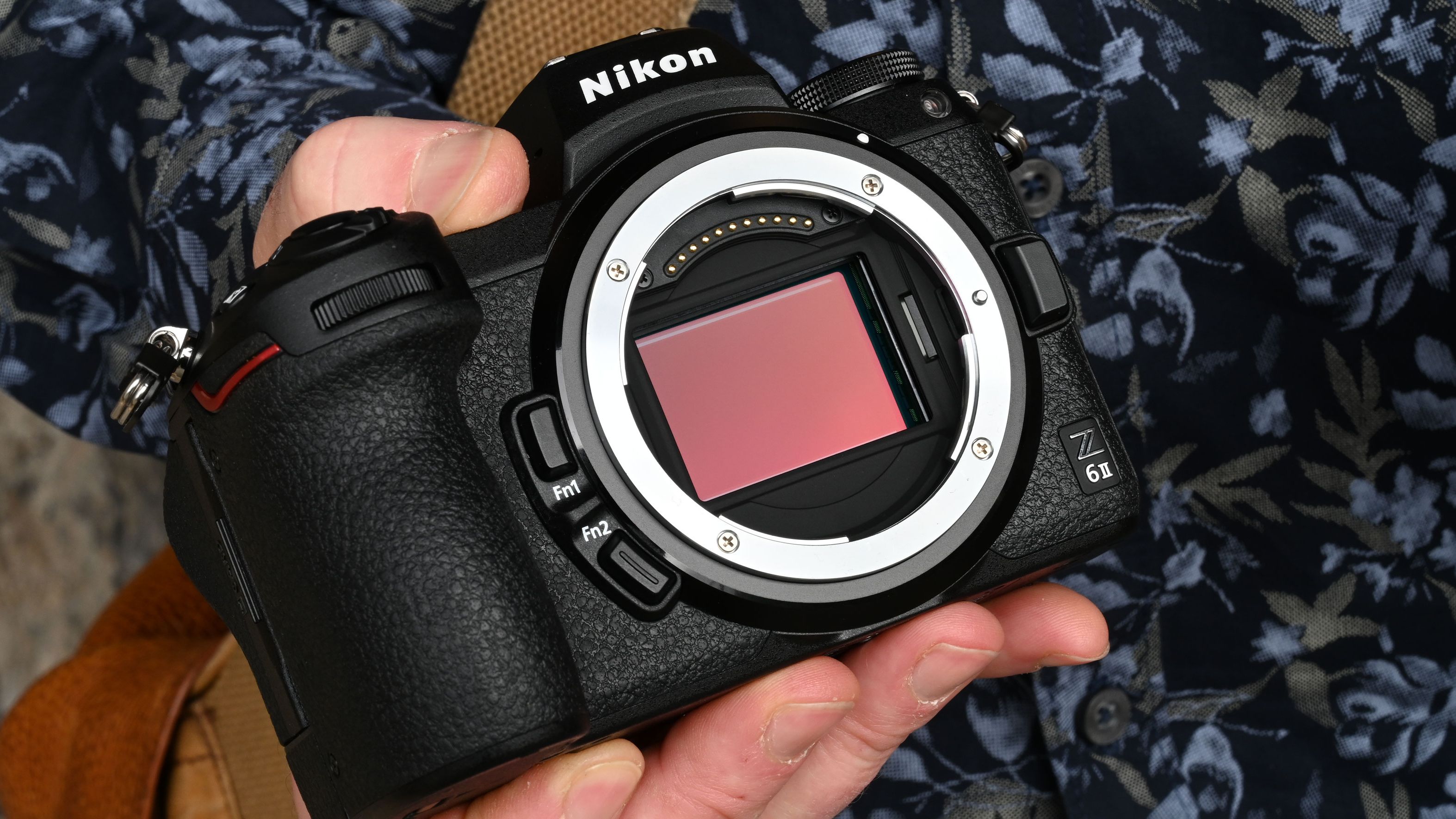
While autofocus speeds and burst rates have advanced exponentially since 2018, fundamental sensor physics have plateaued in terms of core image output quality. The Nikon Z7 houses a 45.7-megapixel back-illuminated (BSI) CMOS sensor—the spiritual successor to the legendary optical architecture found in the Nikon D850 DSLR.
This sensor is celebrated for delivering pristine detail, exceptional tonal gradation, and a wide dynamic range anchored by a low baseline ISO of 64. For disciplines that prioritize ultimate fidelity over frame rates—such as landscape, architectural, still-life, and astrophotography—the Z7 offers output that easily competes with modern cameras costing three times as much. The massive resolution provides ample leeway for aggressive cropping in post-production, allowing photographers to extract multiple framing options from a single high-resolution file without sacrificing printable detail.
Lens Ecosystem and the FTZ Advantage
Another major driver sustaining the longevity of the Nikon Z series is the availability and utility of the Nikon FTZ and FTZ II lens adapters. These mounting adapters allow photographers to seamlessly transition decades of legacy Nikon F-mount DSLR glass onto modern mirrorless bodies.
Crucially, autofocus functionality and optical performance remain exceptionally high when using AF-S Nikkor lenses on the Z7 via the adapter. This compatibility grants modern buyers access to a massive, highly depreciated ecosystem of professional-grade F-mount prime and zoom lenses available on the used market at a fraction of their original retail cost. Furthermore, the Z7’s built-in 5-axis sensor-shift vibration reduction system retroactively stabilizes older, non-stabilized lenses, breathing new life into vintage optical designs.
Industry Implications and Broader Market Trends
The resurgence of the Nikon Z7 reflects a wider behavioral trend within consumer electronics and professional photography. As inflation and supply chain shifts elevate the baseline cost of newly manufactured technology, consumers are increasingly willing to overlook older feature sets—such as single card slots or less advanced autofocus tracking—if the core performance metrics, like resolution and color science, remain world-class.
Industry analysts note that this trend benefits secondary market platforms and fosters a more sustainable circular economy within photography. By recycling high-end legacy hardware rather than discarding it, photographers are lowering their environmental footprint while maximizing capital efficiency.
For specific niches where speed is secondary to resolution, the Nikon Z7 stands as proof that exceptional engineering does not expire simply because a newer model occupies the showroom floor. As long as pre-owned units remain available at competitive price points, first-generation full-frame mirrorless cameras will continue to offer an accessible gateway into professional-grade imaging.