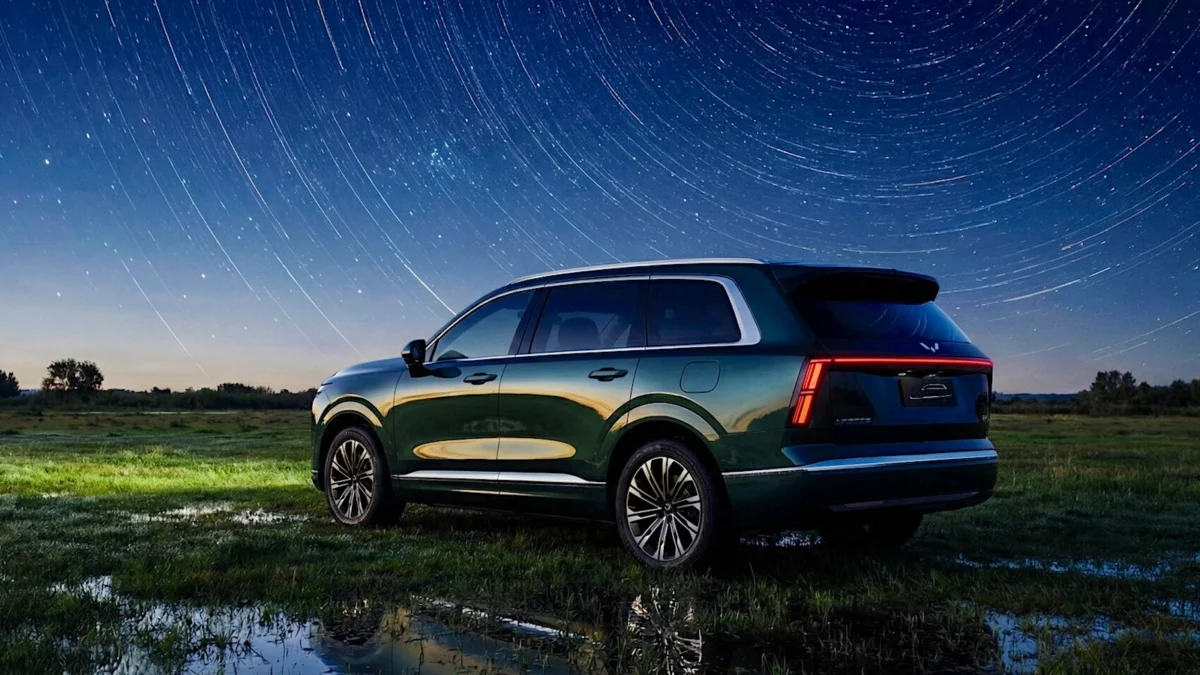
General Motors is reportedly evaluating the potential of its latest plug-in hybrid electric vehicle (PHEV), the Wuling Starlight L, to become a significant contender in the North American market, particularly for its value proposition as a six-seater SUV. With an impressive 260 kilometers (approximately 160 miles) of all-electric range, a spacious interior configuration, and a modern technology suite, all offered at a competitive price point, the Starlight L presents a compelling case for GM’s consideration. This move could be strategically timed, given Canada’s increasingly open stance on Chinese automotive imports and a notable gap in GM’s North American PHEV lineup.
The Wuling Starlight L, the flagship model of the SAIC-GM Wuling joint venture, is designed to offer Chinese consumers an EV-like driving experience complemented by an internal combustion engine (ICE) for extended range. While the market reception in China for this specific type of powertrain is still evolving, the global surge in plug-in hybrid popularity, coupled with Canada’s relaxed import regulations for Chinese electric vehicles, creates a favorable environment for GM to explore this opportunity. The prospect of rebadging and introducing the Starlight L to North America represents a low-risk, potentially high-reward venture for the automotive giant.
Powertrain and Battery Technology: A Game Changer?

At the heart of the Wuling Starlight L’s appeal lies its advanced hybrid system and a substantial battery pack. The vehicle combines a 1.5-liter Atkinson-cycle ICE, producing 106 horsepower, with an electric drive motor that together deliver a robust 170 kW (approximately 230 horsepower). However, the true standout feature is its remarkably large 37.9 kWh lithium iron phosphate (LFP) battery. This capacity is roughly double that found in contemporary PHEVs like the Toyota RAV4 Prime and is comparable to the batteries used in first-generation Nissan LEAF models.
This significant battery capacity translates into an exceptional all-electric driving range of up to 260 kilometers (around 160 miles) on a single charge. This capability allows the Starlight L to function effectively as an EV with a range extender for the vast majority of daily commutes, significantly reducing reliance on the ICE. The critical factor for success in North America will be consumer adoption of plugging in PHEVs, a behavior that has historically varied. A study published in February 2026 highlighted that plug-in hybrids, under certain usage patterns, could consume over 300% more fuel than officially claimed, underscoring the importance of consistent charging.
Design and Practicality: Catering to North American Tastes
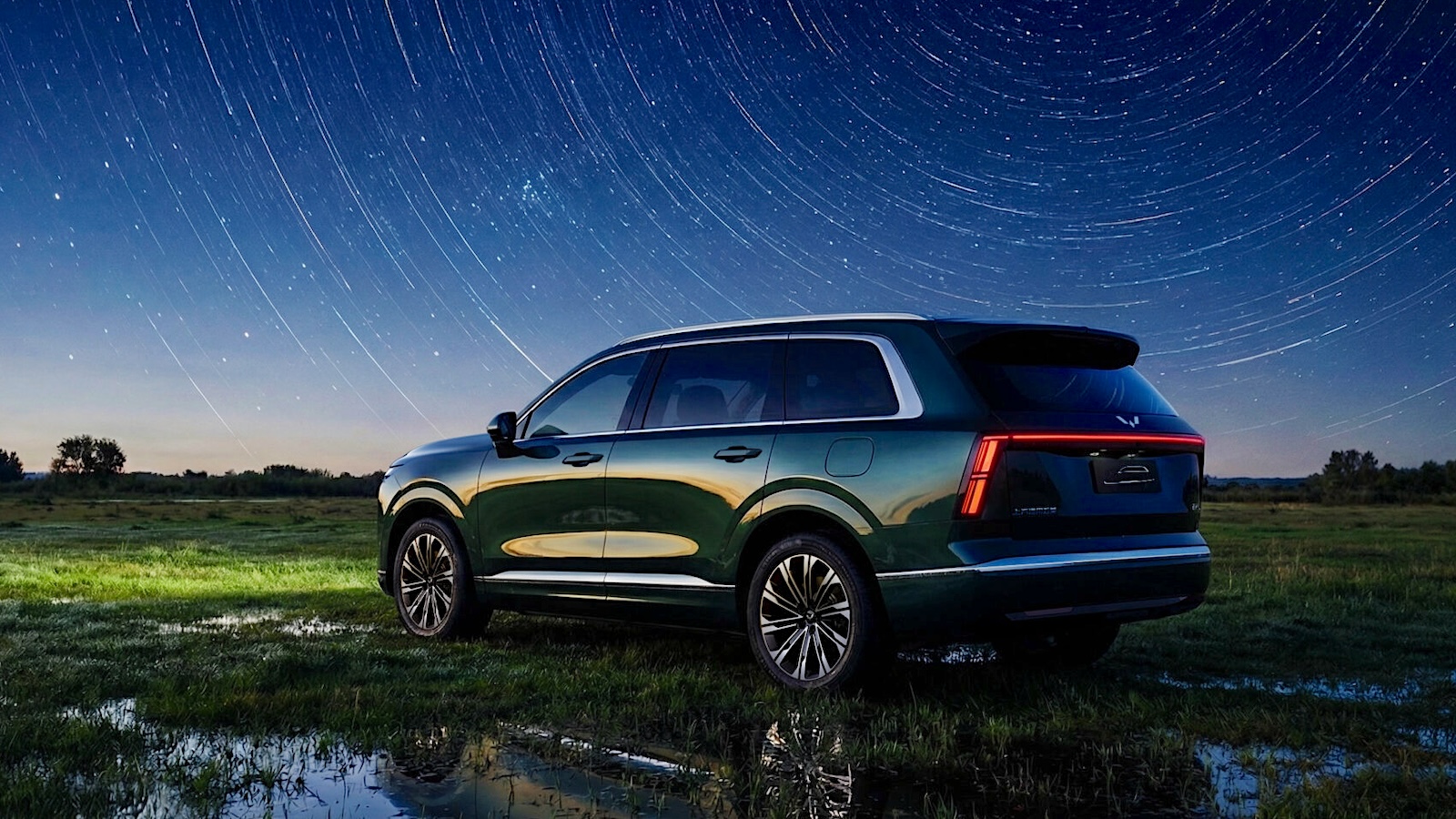
The Wuling Starlight L is configured to accommodate six passengers, featuring two captain’s chairs in the second row, a layout that enhances comfort and accessibility. Its upright and sturdy exterior design is also perceived to align well with established preferences in the North American automotive market. Measuring slightly longer and taller than the Chevrolet Blazer EV, the Starlight L possesses a commanding presence that could easily be adapted to suit brands like Buick with minimal aesthetic alterations.
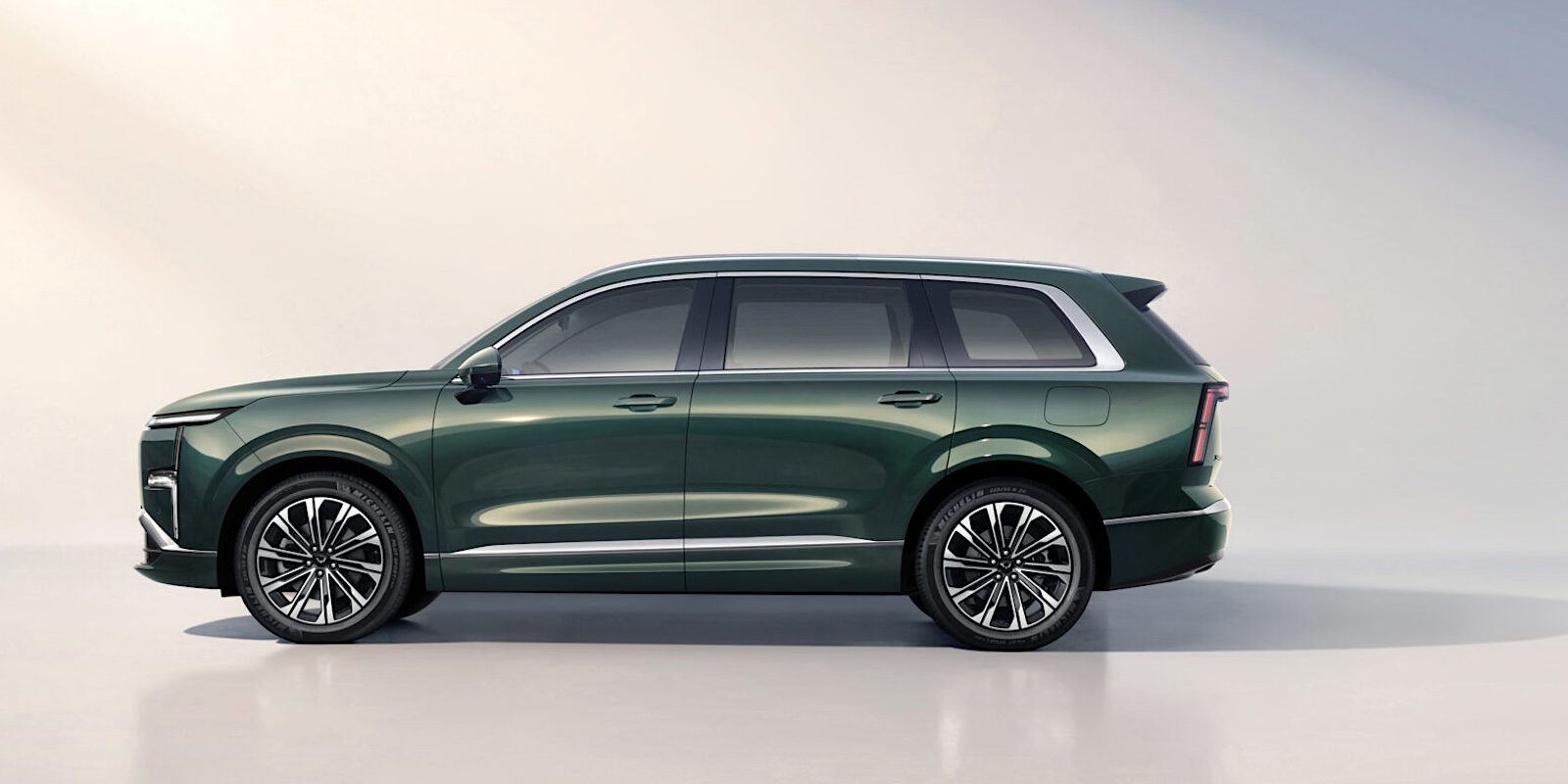
The current pricing for the Wuling Starlight L Flagship in China is 132,800 yuan, which converts to approximately $19,900 USD. This aggressive pricing strategy, if maintained or adjusted reasonably for North American markets, could position the Starlight L as an unparalleled value proposition in the segment. Analysts suggest that a potential 150% price increase for the US market, bringing the sticker price to around $49,990, could still result in a highly competitive offering, potentially making it a "winner" for GM.
The "Canola for Cars" Context: Canada’s Strategic Pivot
The potential arrival of the Wuling Starlight L in North America is further contextualized by recent developments in Sino-Canadian trade relations. In early July 2026, Canada received its first shipment of 18 Lotus Eletre EVs, marking the initial sale of Chinese-manufactured electric vehicles from a Chinese-owned brand in the Canadian market. This is facilitated by an agreement that permits the annual import of up to 49,000 Chinese EVs with reduced tariff rates. This initiative is part of Canada’s broader strategy to diversify its automotive sector and decrease its dependence on US-manufactured vehicles.
This trade arrangement is reportedly linked to Canada’s efforts to persuade China to lower its import duties on key Canadian agricultural products. Currently, China imposes a 100% tariff on Canadian canola oil and a 25% tariff on Canadian pork. Negotiations are ongoing to secure tariff relief on other products such as canola meal, peas, and lobster, with existing tariff exemptions set to expire at the end of the current year.
Wang Yi, China’s Minister of Foreign Affairs, has expressed optimism about the potential for increased bilateral trade, stating, "As long as we keep to the right track, at the right pace, towards the right direction, there will be a lot of potential for us to increase our trade. As long as the two countries uphold the principle of mutual respect, equality, reciprocity, there will be nothing that we cannot resolve." This diplomatic framework suggests a willingness from both nations to foster economic cooperation, creating a more conducive environment for automotive imports.
Implications for the North American Market
The introduction of a vehicle like the Wuling Starlight L by GM could have several significant implications for the North American automotive landscape:
- Increased Competition: A competitively priced, feature-rich PHEV SUV would intensify competition in a segment that is currently dominated by established players.
- Affordability in the SUV Segment: The Starlight L could offer a more accessible entry point into the 6-seater SUV market, appealing to budget-conscious families.
- GM’s Strategic Positioning: For GM, this move could bolster its PHEV offerings, which currently lack a full-sized option on this side of the Pacific, while also leveraging its established manufacturing and distribution networks.
- Consumer Choice: It broadens the range of vehicle choices available to consumers, potentially accelerating the adoption of electrified powertrains.
- Trade Dynamics: The successful integration of Chinese-manufactured vehicles into North America could influence future trade policies and supply chain strategies within the automotive industry.
Internal and External Reactions

While no official statements have been released by GM regarding specific plans for the Wuling Starlight L in North America, the analysis of its specifications and the evolving trade landscape strongly suggests a strategic review is underway. Industry analysts anticipate that GM would likely leverage its existing brands, such as Buick, to market the vehicle, given Buick’s historical association with refined and practical vehicles and its established presence in markets where such a vehicle would be well-received.
Environmental advocacy groups are likely to welcome any move that increases the availability of plug-in hybrid and electric vehicles, provided they meet stringent safety and emissions standards. However, concerns may arise regarding the manufacturing origin and its impact on domestic automotive jobs.
Looking Ahead: A Potential Turning Point
The Wuling Starlight L represents more than just a new vehicle; it embodies a potential shift in global automotive manufacturing and trade. Its combination of affordability, extended electric range, and practical passenger capacity positions it as a disruptive force. If GM decides to proceed with bringing the Starlight L to North America, it could mark a significant moment in the company’s strategy to adapt to the rapidly evolving automotive market and capitalize on new geopolitical and economic opportunities.

The vehicle’s interior, showcasing modern design elements and advanced infotainment systems, further enhances its appeal. Detailed images of the interior reveal a clean dashboard layout, integrated digital displays, and comfortable seating arrangements, all contributing to a premium feel that belies its anticipated price point.
GM’s decision will undoubtedly be influenced by market research, regulatory landscapes, and the ongoing success of similar ventures. However, the fundamental offering of the Wuling Starlight L – a spacious, long-range PHEV SUV at an attractive price – makes it a compelling candidate for a successful North American launch, potentially redefining the value proposition in the hybrid SUV segment. The automotive industry will be closely watching GM’s next steps as this potentially game-changing vehicle moves from the drawing board to the forefront of market consideration.