







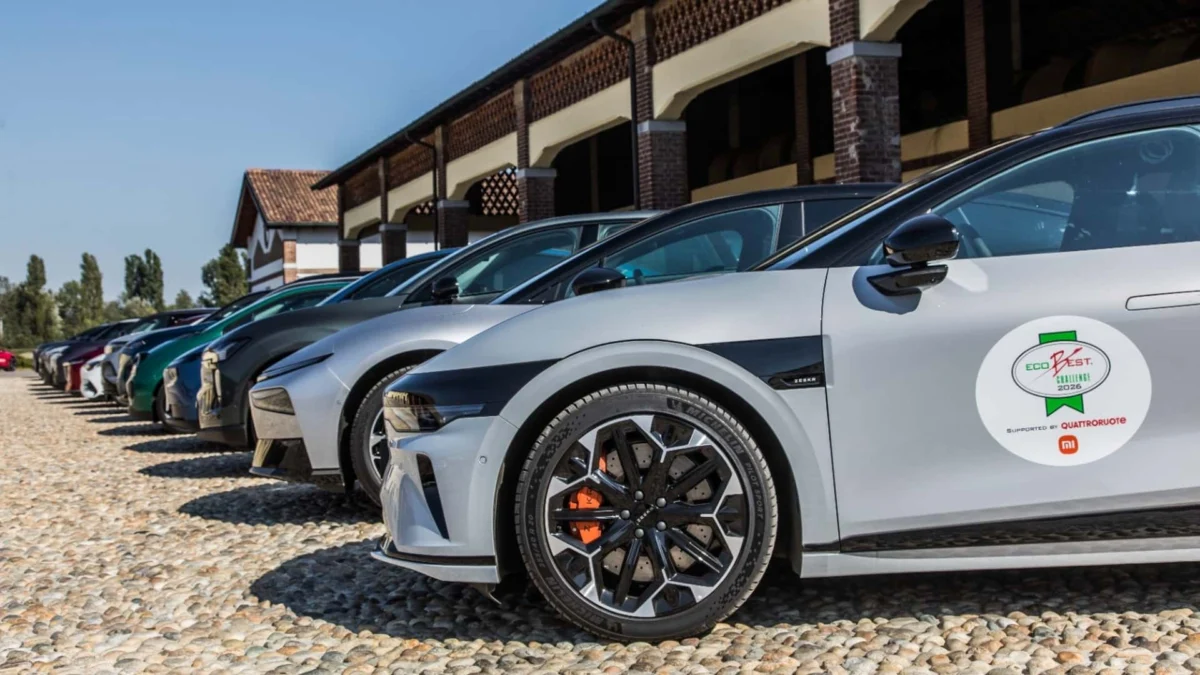
When an electric vehicle’s dashboard flashes a range of zero, most drivers experience an immediate, visceral sense of anxiety. The question of whether a vehicle can reach the nearest charging station becomes a high-stakes gamble against chemical engineering and software calibration. Recent findings from the 2026 AUTOBEST ECOBEST Challenge have quantified this uncertainty, demonstrating that while every modern EV possesses a hidden reserve, the buffer between "empty" and total immobilization varies drastically across manufacturers.
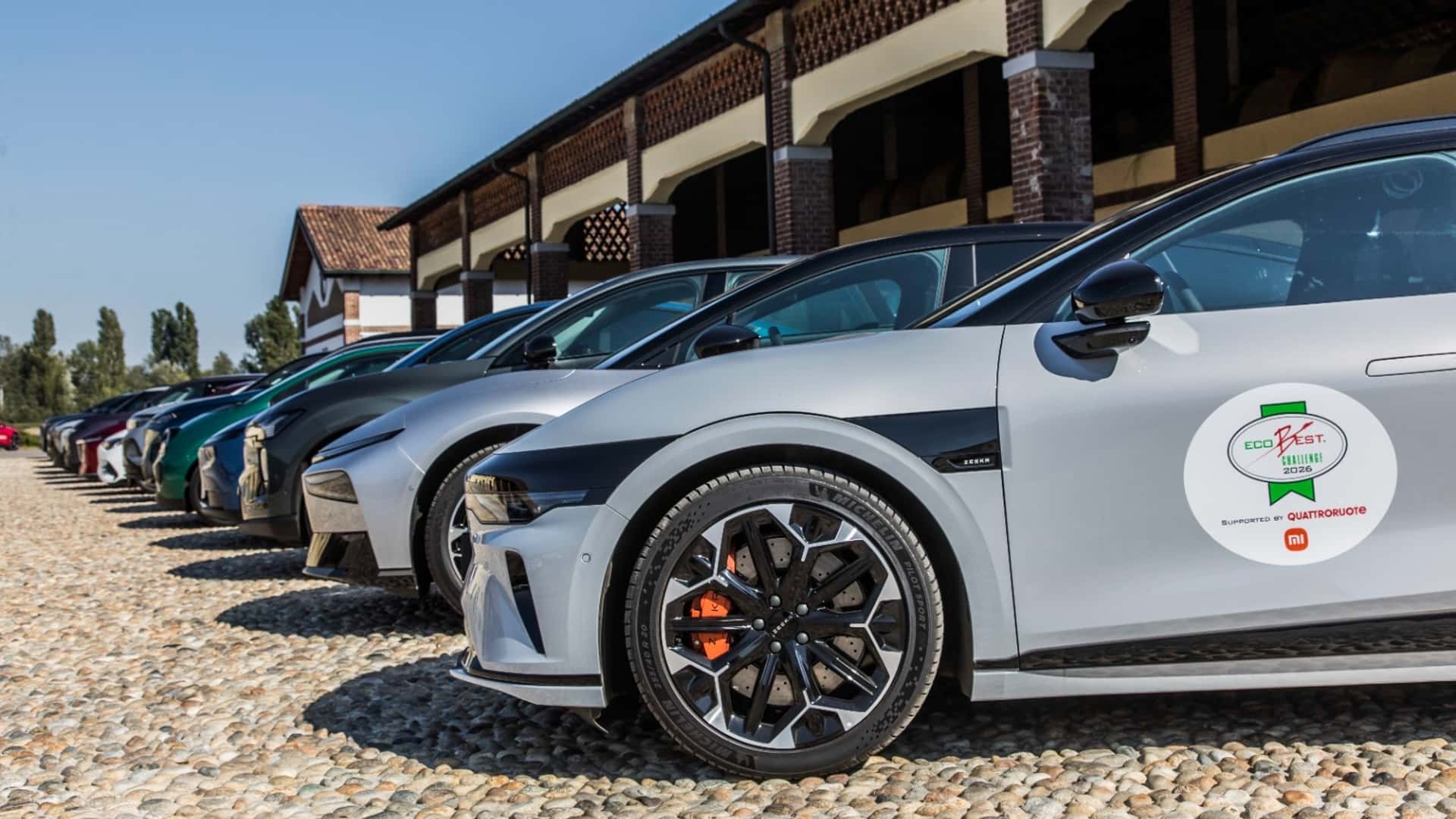
The group test, which evaluated 15 current-production electric vehicles, sought to uncover the "truth" behind range anxiety. The results were stark: while all 15 vehicles continued to operate after their displays indicated zero range, the distance traveled before complete power failure ranged from a mere 0.6 miles to nearly 20 miles. This discrepancy highlights a fundamental lack of industry-wide standardization regarding how manufacturers calculate and communicate remaining energy to the end-user.
Methodology and Testing Protocols
The testing process, conducted in the vicinity of Milan, Italy, was designed to mirror typical consumer driving patterns while minimizing variables that could skew the results. The route comprised a balanced mix of urban environments, winding country roads, and high-speed highway stretches. To ensure consistency, the test organizers implemented a rigid driver rotation schedule—swapping operators every 19 miles (30 km)—to neutralize the impact of individual driving styles, such as acceleration habits and regenerative braking management.
All vehicles were maintained in their standard driving modes, with climate control systems engaged and tire pressures set to manufacturer specifications. With temperatures fluctuating between 68°F and 77°F (20°C–25°C), the ambient conditions were optimal for lithium-ion battery efficiency, stripping away the performance-degrading variables of extreme cold or excessive heat.
The final phase of the assessment occurred at the Vairano proving ground, owned by the Italian publication Quattroruote. Once a vehicle’s dashboard indicated either zero percent battery or zero miles of remaining range, the driver was instructed to continue until the vehicle could no longer move under its own power. This allowed researchers to accurately measure the "hidden" reserve that manufacturers build into their software to prevent catastrophic battery cell damage.
The Performance Gap
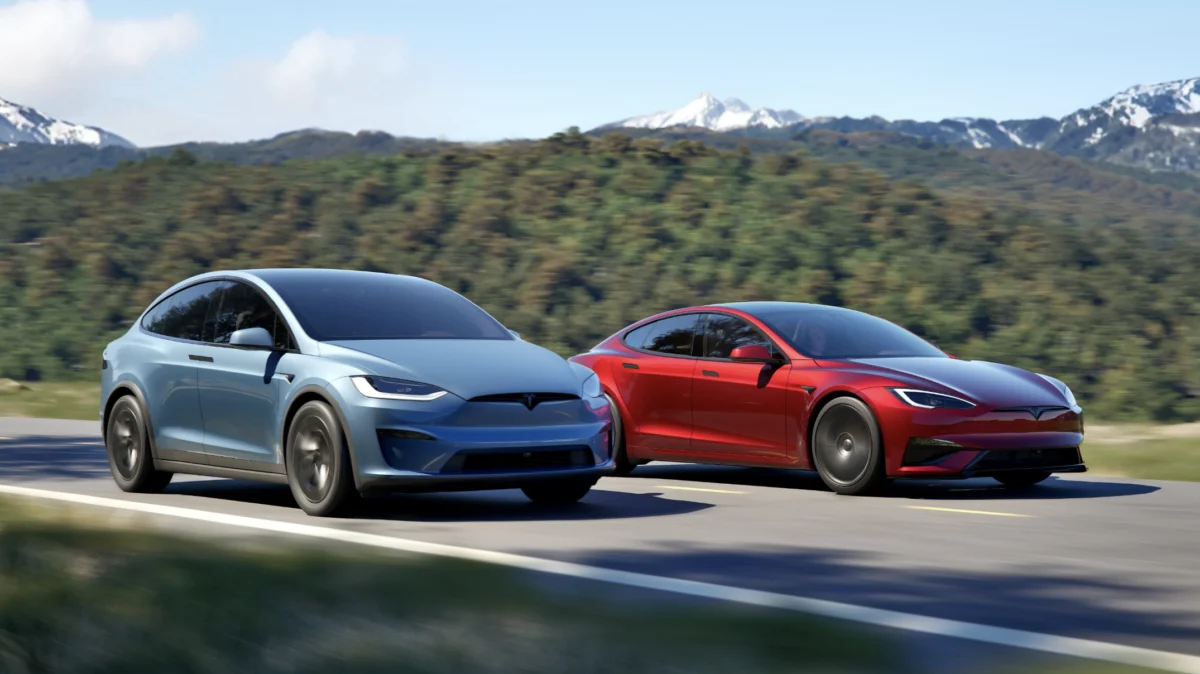
The Leapmotor B10 demonstrated the most generous buffer, traveling 19.9 miles (32 km) past the zero-range warning. It was closely followed by the Tesla Model Y, which provided a similar, albeit slightly shorter, safety margin. These results stand in contrast to the Xpeng P7+, which ceased operation after just 0.6 miles, providing effectively no leeway for a driver attempting to reach a nearby charger.
This data point is significant for fleet managers and individual owners alike. A 20-mile buffer provides a substantial safety net, potentially enough to navigate out of a congested traffic jam or complete a final leg of a journey. Conversely, a sub-one-mile buffer leaves virtually no room for error, placing the driver in a precarious position should the nearest charger be even slightly further than the onboard navigation predicted.
The Science of the Zero-Percent Buffer
To understand why these vehicles continue to function after reporting "empty," it is necessary to examine the battery management system (BMS). When a battery’s state of charge (SoC) approaches zero, the voltage across the cells drops significantly. To prevent permanent chemical damage—such as lithium plating or internal short-circuiting—the BMS is programmed to shut down the propulsion system.
The "zero" displayed on the dashboard is a calculated estimate, not an absolute physical truth. Manufacturers choose to build in varying "buffers" for safety and software conservatism. Some firms prefer to show "zero" early to encourage the driver to seek power, while others lean into a more precise, but riskier, display of remaining energy.
The lack of correlation between a range estimate and actual energy reserve is a persistent issue. For example, previous testing on the 2026 Tesla Model 3 showed that the car still reported two miles of range when the battery hit 0%, only to proceed for another 31 miles. This reveals that "empty" is often a software-defined state intended to manage user behavior rather than a strict reflection of the battery’s physical capacity.
Logistical Innovation: The Support Vehicle
A notable feature of this year’s challenge was the use of the Zeekr 7GT as a support vehicle. Rather than relying on traditional, fossil-fuel-powered recovery trucks, the team utilized the Zeekr’s vehicle-to-load (V2L) capabilities. By plugging the stranded EVs directly into the Zeekr, the team was able to provide enough energy to "jump-start" the depleted vehicles, allowing them to reach a charging station under their own power.
This demonstrates the practical utility of bidirectional charging, a feature that is becoming increasingly common in newer EV platforms. The ability of one EV to rescue another serves as a proof-of-concept for a more resilient, decentralized charging infrastructure. As V2L technology matures, the reliance on external roadside assistance could diminish, shifting the paradigm toward peer-to-peer energy sharing.
Broader Implications and Industry Analysis
The variance in these test results underscores the necessity for more transparent communication from automotive manufacturers. If two vehicles of similar size and efficiency exhibit a 30-fold difference in post-zero performance, the consumer is left with a confusing landscape where "empty" means something entirely different depending on the brand.
From an industry standpoint, the 2026 ECOBEST Challenge highlights that the "Range Anxiety" of the past is slowly being replaced by "Calibration Anxiety." As battery chemistry becomes more standardized, the focus of competition is shifting toward the software that manages energy delivery and informs the driver.
For regulators, the findings raise questions about whether a standardized approach to "reserve energy" reporting is necessary. If a driver assumes they have a buffer, but their vehicle manufacturer has opted for a conservative "zero-means-zero" approach, the risk of stranding increases. Conversely, a generous buffer might lead to over-reliance on the safety margin, potentially causing long-term degradation if drivers consistently push their batteries to the absolute limit.
Future Considerations
As the electric vehicle market matures, transparency in software behavior will be a key differentiator. The 2026 results from the AUTOBEST challenge serve as a reminder that while the hardware—the battery packs and electric motors—is becoming increasingly efficient, the "human-machine interface" remains a work in progress.
Moving forward, the automotive industry may move toward a more unified reporting standard. Until then, the onus remains on the consumer to understand the unique characteristics of their specific vehicle’s BMS. The 15 vehicles tested in Milan serve as a microcosm of the wider market: a collection of diverse engineering philosophies, each balancing the competing interests of performance, safety, and consumer expectation.
The lessons learned at the Vairano proving ground are clear: while the technology exists to prevent a vehicle from being truly stranded, the software that governs that technology is not yet a universal language. Whether it is the 19.9-mile safety net of the Leapmotor or the razor-thin margin of the Xpeng, drivers would be wise to treat their dashboard "zero" as a warning to find a plug, rather than a reliable count of remaining miles.