








Apple is poised to redefine its presence in the domestic technology sector this week as it prepares for a highly anticipated "Welcome Home" event. Scheduled for October 13, the keynote is expected to center on the debut of the "HomeView," a dedicated smart home hub that marks a significant pivot in Apple’s hardware strategy. Industry analysts view this move as a long-awaited consolidation of Apple’s fragmented smart home ecosystem, aiming to challenge the dominance of established players like Amazon and Google in the connected living space.
According to reports from Bloomberg’s Mark Gurman and corroborated by recent trademark filings, the HomeView is designed to serve as the central nervous system for the modern household. While Apple’s HomePod brand has long served as a high-fidelity audio solution, the HomeView is engineered specifically for control, visual interaction, and AI-driven home management. This launch represents a culmination of years of internal development focused on bringing the intelligence of Siri and the fluidity of the Apple ecosystem into a dedicated wall-mounted or tabletop form factor.
A New Design Language for the Smart Home
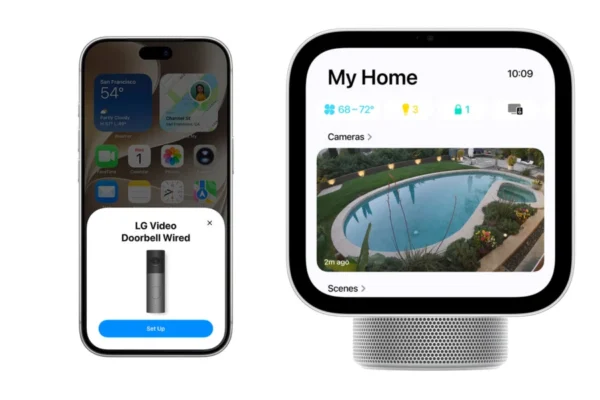
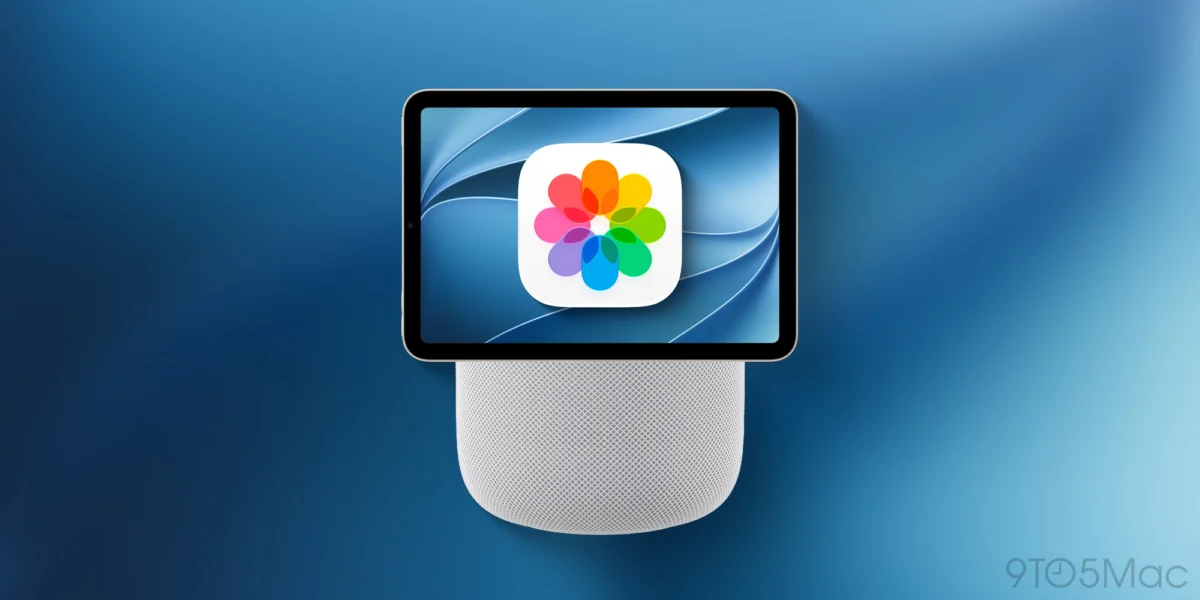
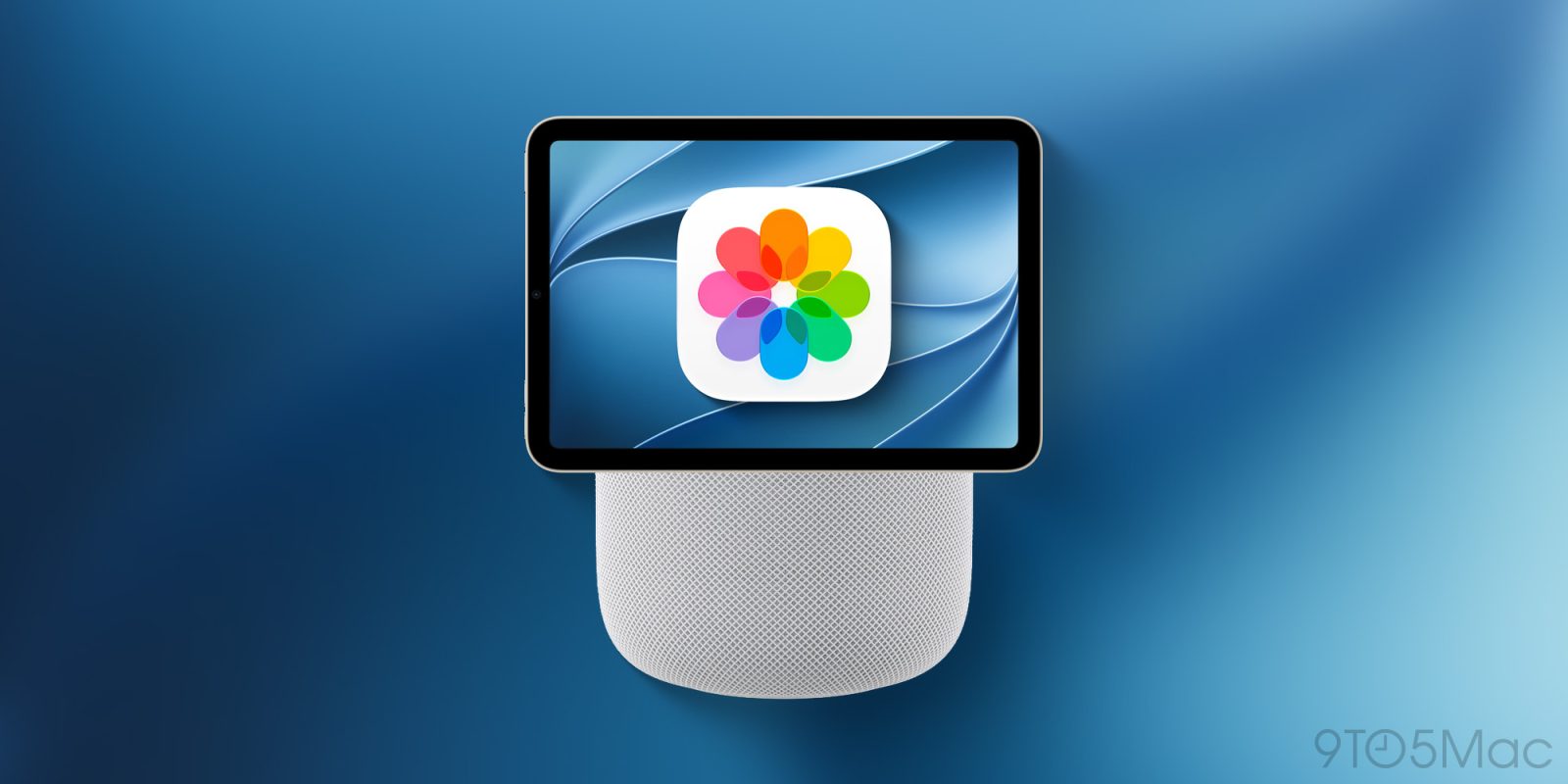
The physical design of the HomeView is expected to draw heavy inspiration from one of Apple’s most iconic legacy products: the iMac G4. Early reports describe a device featuring a floating display mounted atop a robust, circular speaker base. This aesthetic choice is widely seen as an attempt to marry the warmth of home decor with the high-performance expectations of Apple’s hardware portfolio.
The device will launch in two primary configurations. The flagship model will feature the aforementioned speaker base, offering a premium audio-visual experience. This version will be available in four distinct finishes: space gray, silver, starlight, and pink, providing options that cater to varying interior design aesthetics. A secondary, wall-mountable model will also be introduced, optimized for placement in high-traffic areas like kitchens or hallways. This version will feature a more streamlined square base and will be restricted to monochromatic finishes of silver and space gray.
Under the hood, the HomeView is reportedly powered by the A18 chip. This processor, which is also utilized in Apple’s high-end mobile devices, suggests that the hub will be capable of intensive on-device processing, particularly for the localized AI tasks associated with the new "Siri AI" interface. By leveraging the A18, Apple aims to ensure that the device remains responsive and secure, processing voice commands and visual data locally rather than relying exclusively on cloud computing.
The Strategic Shift Toward Voice and Visual AI
The user experience of the HomeView is predicated on a shift toward passive, voice-first interaction. Rather than relying on tactile screen navigation, Apple is emphasizing Siri AI as the centerpiece of the device’s utility. Users will be expected to interact with the hub from across the room, utilizing voice commands to adjust climate controls, manage lighting, and monitor security feeds.
Interestingly, the device will reportedly function without a traditional, native App Store. Instead, the interface will focus on core system applications, with the ability to project widgets from a nearby iPhone or iPad. This tethered approach suggests that Apple intends for the HomeView to be an extension of the existing mobile ecosystem rather than a standalone computing platform. By limiting the device to specific, curated functionalities, Apple is likely attempting to avoid the "feature creep" that often complicates smart displays, focusing instead on reliability and simplicity.
Chronology of the Smart Home Initiative
The journey to the HomeView began years ago with the introduction of the HomeKit framework, which provided developers with a standardized way to integrate their devices into the Apple ecosystem. However, the lack of a dedicated central hub for visualization left many users relying on iPads or third-party tablets for wall-mounted control panels.
- 2014: Apple introduces HomeKit, signaling its entry into the smart home market.
- 2018: The original HomePod is released, focusing on audio quality but lacking a dedicated display.
- 2023–2024: Apple accelerates the development of its "Siri AI" initiative, integrating advanced language models into its operating systems.
- October 2026: Trademark filings for "HomeView" are discovered, confirming the product’s nomenclature.
- October 13, 2026: Official unveiling at the "Welcome Home" event.
- Mid-November 2026: Anticipated commercial retail release.
The staggered release—announcing the hardware in mid-October followed by a mid-November rollout—is a common strategy for Apple, allowing the company to build anticipation while finalizing firmware optimizations for the holiday shopping season.

Ecosystem Integration and External Partnerships
Apple’s strategy for the HomeView extends beyond the device itself. The company is reportedly pursuing a comprehensive smart home initiative that includes refreshing the Apple TV and HomePod mini lines to ensure feature parity across the "Home" suite.
Perhaps most notably, Apple is moving toward deeper hardware partnerships. Reports indicate that the company has collaborated with major appliance manufacturers, such as LG, to integrate Apple-ready smart features directly into refrigerators, ovens, and climate control systems. This move is designed to create a "walled garden" of smart home devices that, while theoretically compatible with open standards like Matter, offer superior functionality when paired with a HomeView hub. By securing these partnerships, Apple aims to mitigate the friction that currently exists when trying to synchronize disparate smart home brands.
Market Analysis and Industry Implications
The smart home market is currently characterized by intense competition. Amazon’s Echo Show and Google’s Nest Hub have established a significant footprint in the consumer space, often at lower price points than what is expected for the HomeView. Apple’s decision to enter this space with a high-end device suggests a focus on the premium segment of the market, targeting existing Apple customers who are already embedded in the ecosystem.
From a privacy standpoint, the HomeView could offer a distinct advantage. Apple has consistently marketed its "privacy-first" approach to data, and by utilizing the A18 chip for on-device processing, the company can argue that personal home data remains local. In an era where consumers are increasingly wary of "always-on" microphones and cameras, this focus on local processing could be a significant differentiator.
However, the lack of a dedicated App Store may be a point of contention for some users. While it reinforces Apple’s commitment to a streamlined experience, it also limits the flexibility of the device. The reliance on iPhone-projected widgets indicates that Apple views the HomeView as a "peripheral" to the iPhone, rather than a competitor to the laptop or desktop. This creates a clear hierarchy in the Apple product lineup: the iPhone remains the primary command center, while the HomeView acts as a dedicated interface for the home environment.

Conclusion and Expectations
As the industry turns its attention to Cupertino on October 13, the expectations for the HomeView are high. If successful, the device could stabilize Apple’s position as a dominant force in the smart home sector, moving beyond software frameworks and into tangible, integrated hardware that bridges the gap between the digital and physical home.
The success of the product will ultimately depend on the intelligence of its Siri implementation and the seamlessness of its integration with third-party appliances. With the smart home market expected to continue its rapid expansion through the end of the decade, the HomeView arrives at a critical juncture. Whether this device becomes the standard for modern connected living will likely be determined by how effectively Apple can prove that its ecosystem is not just a collection of devices, but a cohesive, intelligent environment. For now, consumers and investors alike wait to see if the "Welcome Home" event will provide the vision necessary to turn these ambitions into a market-leading reality.