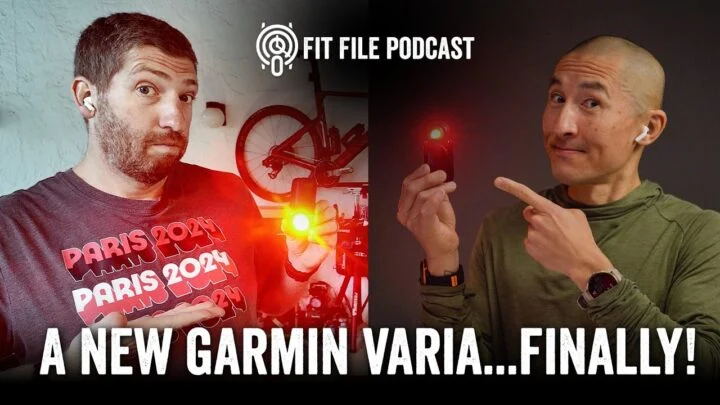
The Varia series, which originated from Garmin’s acquisition of the startup iKubu in 2015, has long been the gold standard for rear-facing cycling radar. However, the RearVue 820 introduces a suite of hardware and software enhancements that push the boundaries of situational awareness. By utilizing high-frequency radar waves to detect approaching vehicles from behind, the device provides both visual and audible alerts to the rider via a head unit or smartphone. The central thesis of recent expert reviews suggests that the 820’s sensitivity and range have reached a threshold where the density of information provided to the cyclist is almost overwhelming, leading to a complex discussion regarding the balance between awareness and cognitive load.
The Evolution of Cycling Radar Technology
The journey toward the Varia RearVue 820 began nearly a decade ago. Before the advent of cycling radar, riders relied almost exclusively on physical mirrors or frequent shoulder checks to monitor traffic. The introduction of the original Varia RTL500 changed this dynamic by offering a digital "sixth sense." Over the years, Garmin refined the form factor and connectivity, leading to the widely popular RTL515 and the camera-integrated RCT715.
The development timeline of Garmin’s radar technology highlights a consistent drive toward miniaturization and increased precision:
- 2015: Launch of the original Varia RTL500, introducing the concept of consumer-grade cycling radar.
- 2018: Release of the RTL510, featuring a sleeker vertical design and improved light visibility.
- 2020: Introduction of the RTL515 and RVR315, adding Bluetooth connectivity for smartphone app integration.
- 2022: Launch of the Varia RCT715, which added a high-definition dashcam to the radar and light assembly.
- Current Period: The emergence of the RearVue 820, focusing on hyper-accurate tracking and multi-target processing.
The RearVue 820 is built upon this legacy but incorporates a more sophisticated processor capable of distinguishing between different types of approaching objects. While previous models were highly effective at identifying cars, the 820 demonstrates an improved ability to filter out "ghost" detections caused by stationary objects while maintaining a lock on multiple fast-approaching vehicles in complex urban environments.
Technical Specifications and Performance Data
The technical prowess of the Varia RearVue 820 is rooted in its upgraded radar transceiver. According to preliminary testing data, the device offers a detection range of up to 190 meters, a significant increase over the 140-meter range of its predecessors. This extra 50 meters of warning time is critical for cyclists traveling at high speeds or on descending roads where the closing speed of a motor vehicle can exceed 100 kilometers per hour.
Key performance metrics of the new unit include:
- Detection Range: 190 meters (approximately 623 feet).
- Field of View: 40 degrees, allowing for detection on curved roads and around slight bends.
- Battery Life: Up to 12 hours in day flash mode and 8 hours in solid mode, despite the increased processing power.
- Connectivity: Simultaneous ANT+ and Bluetooth Smart support, ensuring compatibility with Garmin Edge devices, Wahoo, Hammerhead, and various mobile safety applications.
- Charging: Transition to USB-C, aligning with modern electronic standards and allowing for faster power replenishment.
The "too good" sentiment arises from the device’s ability to track up to 12 individual targets simultaneously. On a busy multi-lane road, the 820 provides a granular look at the traffic flow behind the rider. However, critics argue that such a high level of detail may lead to "alarm fatigue," where a rider becomes desensitized to the constant chirping of the head unit, potentially missing a genuine high-speed threat amidst a sea of standard-speed overtakes.
The "Too Good" Paradox: A Critical Analysis
In the context of the FIT File’s recent evaluation, the notion of a device being "too good" is a nuanced critique of user experience. The Varia RearVue 820 is so sensitive that it can detect a fellow cyclist approaching from behind or a vehicle on a parallel frontage road that poses no actual threat to the rider. This high sensitivity is a double-edged sword; while it ensures that no threat goes unnoticed, it increases the frequency of "false positives" in terms of immediate danger.

The psychological impact of this technology cannot be understated. For many cyclists, the Varia radar has become a "safety blanket." The 820 enhances this feeling, but it also raises questions about over-reliance. If a device is perceived as infallible, a rider might neglect basic safety maneuvers, such as looking before merging. Furthermore, the 820’s advanced software attempts to categorize threats by color-coding them on the display (green for clear, amber for approaching, and red for high-speed "threat" vehicles). The accuracy of these categories is higher than ever, yet the sheer volume of data requires the cyclist to spend more time glancing at their computer screen and less time focusing on the road ahead.
Market Competition and Industry Response
Garmin no longer holds a monopoly on the cycling radar market, and the release of the RearVue 820 is seen by many as a strategic move to maintain dominance against rising competitors. Brands such as Bryton, with their Gardia R300L, and Magene, with the L508, have introduced more affordable alternatives that offer similar basic radar functionality. Additionally, Trek’s CarBack radar recently entered the fray, claiming superior daytime visibility and a compact form factor.
In response to this increased competition, Garmin has leaned into ecosystem integration. The Varia 820 is not just a sensor; it is part of a holistic safety suite. When paired with Garmin’s Edge bike computers, the 820 can trigger automatic recording on paired cameras or adjust the light’s flash pattern based on the proximity of a car to maximize visibility. This "smart" behavior is what separates the 820 from its budget-conscious rivals.
Industry analysts suggest that Garmin’s focus on high-end, data-rich features is a deliberate attempt to cater to the "prosumer" segment of the market—riders who prioritize maximum data and are willing to pay a premium for the most advanced safety tech available. While the competitors are fighting on price, Garmin is fighting on precision.
Broader Impact and Future Implications
The implications of the Garmin Varia RearVue 820 extend beyond individual rider safety. The data collected by these devices, if aggregated, could provide urban planners with invaluable insights into "near-miss" hotspots. By analyzing where radar units frequently trigger high-speed threat alerts, municipalities could identify dangerous stretches of road and implement infrastructure changes before accidents occur.
Furthermore, the 820 represents a stepping stone toward Vehicle-to-Everything (V2X) communication. In the future, the radar technology found in the Varia series could potentially communicate directly with the onboard computers of modern cars. Instead of just alerting the cyclist that a car is approaching, the system could alert the driver that a cyclist is ahead, even if the rider is around a blind corner or obscured by low-light conditions.
The FIT File podcast also highlighted the importance of supporting the broader ecosystem of cycling journalism and technical review, noting that the depth of analysis required for products like the Varia 820 is a "labor of love." The complexity of these devices means that consumers increasingly rely on expert testing to understand the practical differences between models.
Conclusion
The Garmin Varia RearVue 820 stands as a testament to the rapid advancement of wearable and bike-mounted sensor technology. By pushing the limits of range, target tracking, and sensitivity, Garmin has created a device that offers unprecedented levels of protection for cyclists. While the debate over whether the device provides "too much" information will likely continue among enthusiasts, the consensus remains that more data is generally preferable to less when navigating modern traffic.
As the cycling community moves forward, the Varia 820 will likely serve as the benchmark against which all future safety electronics are measured. Its success confirms that cyclists are eager for technology that doesn’t just record their performance, but actively works to ensure they return home safely. Whether through better hardware or smarter software integration with partners like Precision Fuel & Hydration to manage rider fatigue and focus, the goal remains the same: a safer, more informed riding experience for everyone on the road.