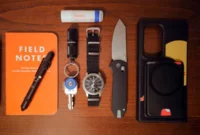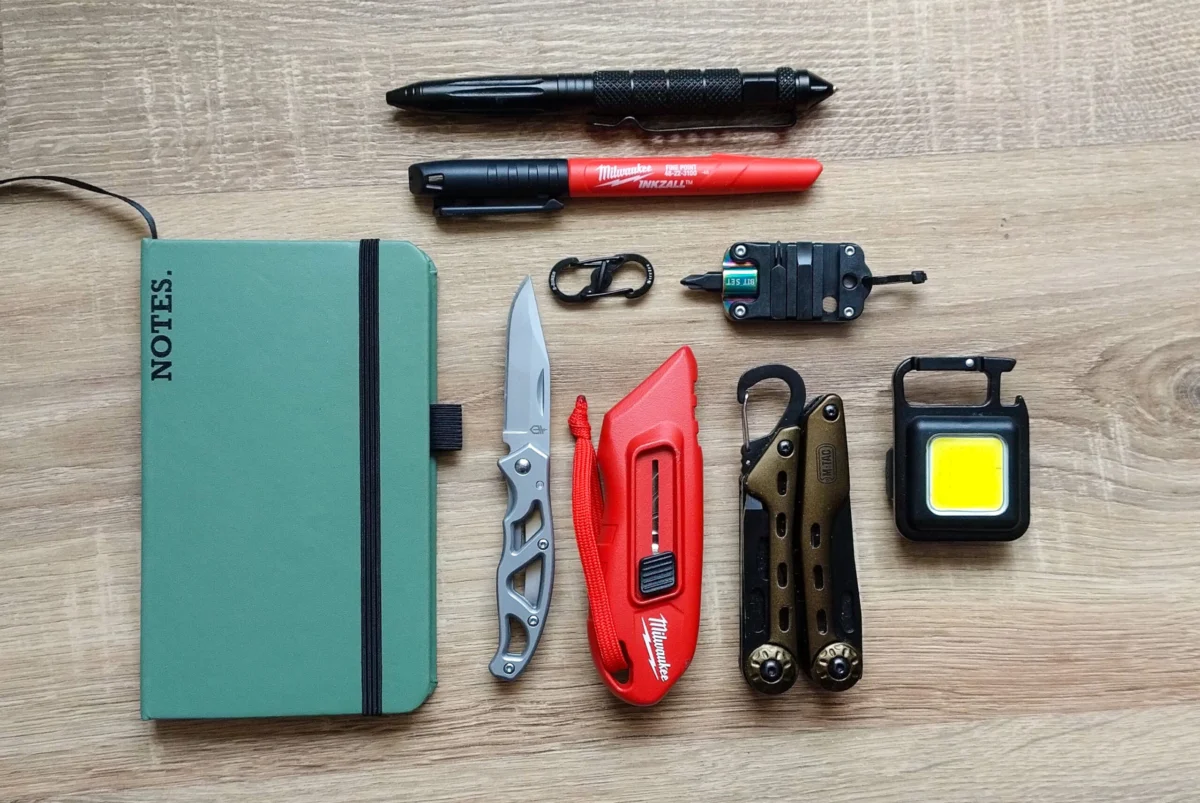
The intersection of professional utility and personal preparedness has reached a new milestone in the European retail sector, as evidenced by the growing "Everyday Carry" (EDC) movement among service industry professionals in Poland. Kinga, a retail associate working in a sports-focused commercial environment, recently detailed a curated selection of tools that emphasizes the shifting priorities of modern workers: a transition from bulky, specialized equipment to multi-functional, high-efficiency gear that balances aesthetics with rugged practicality. This development highlights a broader trend within the global EDC community, where the focus is increasingly shifting toward accessibility, rechargeable technology, and regional brand loyalty.
Central to this specific kit is the integration of compact lighting solutions and multi-purpose tools designed to navigate the daily rigors of a high-traffic retail environment. Kinga’s selection, which features a mix of international value-driven brands and local Polish manufacturing, underscores a significant shift in consumer behavior. Professionals are no longer seeking the most expensive or "tactical" gear; instead, they are prioritizing items that provide high performance-to-cost ratios. This philosophy is epitomized by the inclusion of the MAKDAK COB (Chip on Board) Keychain Work Light, a device that has garnered attention for its high lumen output relative to its diminutive frame.
The Rise of Functional Preparedness in the Retail Sector
The concept of "Everyday Carry" has historically been associated with outdoor enthusiasts, emergency responders, and military personnel. However, the last five years have seen a democratization of the trend. In the context of a sports store employee in Poland, the utility of such a kit is multifaceted. Retail environments often require immediate access to cutting tools for inventory management, illumination for stockroom navigation, and versatile fasteners for equipment assembly.
Kinga’s approach—"I like to have the most necessary tool with me. I like their aesthetics and usefulness"—reflects a growing demographic of users who view their tools as an extension of their professional identity. This "functional minimalism" is a response to the clutter of modern life, seeking to distill one’s pocket contents down to items that offer guaranteed reliability without the burden of excessive weight.
Technical Analysis of Modern EDC Lighting
A standout component in contemporary kits is the COB LED flashlight. Unlike traditional LEDs, which package a single or few diodes per chip, COB technology allows for a much higher density of LED chips on a single module. This results in a "panel" of light rather than a single point source, which is particularly beneficial for work lights.
The MAKDAK COB Keychain Light mentioned in Kinga’s kit represents a breakthrough in the "budget-tier" market. Rated at approximately 500 lumens, these devices provide a floodlight effect that is ideal for illuminating large areas, such as a warehouse aisle or a dark parking lot. The integration of USB-C or Micro-USB recharging capabilities has further disrupted the market, moving the industry away from disposable alkaline batteries. This shift aligns with broader European Union initiatives regarding electronic waste reduction and the promotion of sustainable, rechargeable consumer goods.
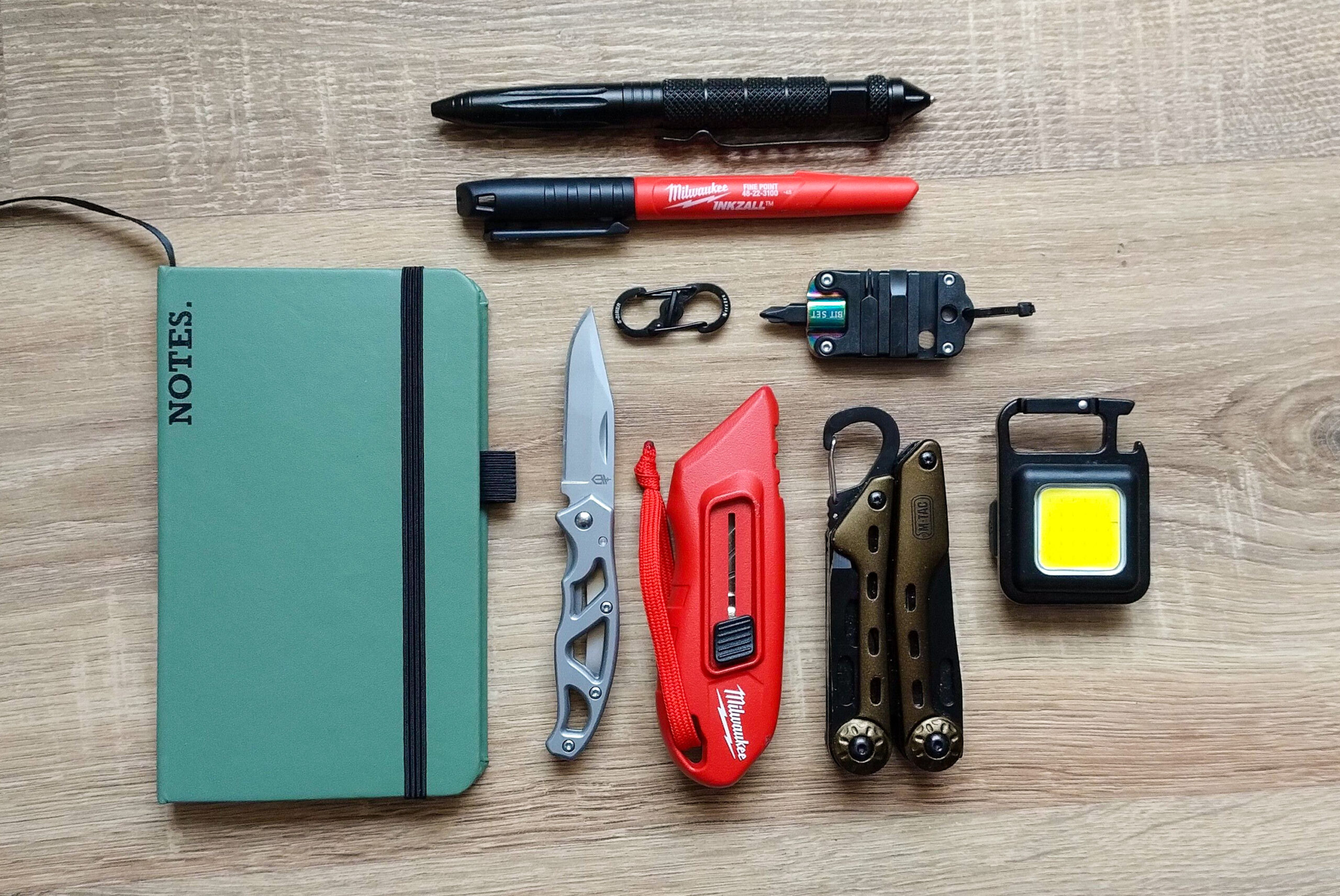
Furthermore, the inclusion of secondary features—such as folding brackets, bottle openers, and magnetic bases—transforms a simple flashlight into a multi-tool. For a sports store worker, a magnetic light can be attached to metal shelving units during inventory audits, providing hands-free illumination that a standard handheld flashlight cannot match.
Chronology of the EDC Trend in Eastern Europe
The evolution of the EDC market in Poland and Eastern Europe has followed a distinct timeline, influenced by both economic factors and the rise of local manufacturing:
- 2000–2010: The Surplus Era: Early preparedness culture in Poland relied heavily on military surplus gear. Tools were often heavy, over-engineered, and lacked the "aesthetic" appeal sought by modern users.
- 2011–2017: The Global Brand Influx: Major American and Swiss brands (such as Leatherman, Victorinox, and Benchmade) became widely available in Polish retail outlets. This period established the "standard" for what a high-quality pocket tool should be.
- 2018–Present: The Rise of Domestic Innovation and "Value EDC": Polish brands like Helikon-Tex and Wisport began gaining international acclaim for their tactical and outdoor gear. Concurrently, the "Value EDC" movement emerged, where users began mixing high-end local goods with inexpensive, high-performance electronics from global manufacturers.
Kinga’s kit represents this current phase: a blend of regional pride and global technological accessibility. The editor’s note accompanying the showcase specifically praised the "local Polish brand representation," which indicates a maturing market where consumers are supporting domestic craftsmanship alongside global electronic innovations.
Supporting Data and Market Projections
The global Everyday Carry market is projected to grow at a compound annual growth rate (CAGR) of approximately 4.5% through 2030. Within this market, the "Pocket Tools" and "Flashlight" segments remain the most dominant. Several factors are driving this growth:
- Urbanization: As more people move into urban environments, the need for "compact" tools that fit in a pocket or on a keychain has surpassed the need for full-sized outdoor equipment.
- The "Prosumer" Effect: Everyday consumers are increasingly demanding "professional-grade" specifications (such as IPX-rated waterproofing and high-lumen output) in their daily tools.
- Social Media Influence: Platforms like Instagram and YouTube have created a visual culture around EDC, where the "flat lay" photography of gear—much like the image provided by Kinga—serves as a primary driver for product discovery.
In Poland, the sports and outdoor retail sector has seen a 12% increase in the sale of "accessory" tools over the last two fiscal years. This suggests that customers are not just buying sports equipment, but are also investing in the maintenance and preparedness tools that go along with an active lifestyle.
Expert Analysis and Industry Response
Industry experts suggest that the "Kinga Model" of carry—inexpensive, functional, and aesthetically pleasing—is the most sustainable path for the EDC industry. Editorial feedback on the kit emphasized that "nothing here is super expensive yet can still get the job done." This sentiment is a direct challenge to the "luxury EDC" market, which often features pocket knives and flashlights costing hundreds of dollars.
"The real value of EDC is not in the price tag, but in the frequency of use," says a market analyst for retail hardware. "When a retail worker in Poland can perform their job more safely and efficiently because of a $15 rechargeable light, that is a more significant technological success than a $500 titanium tool that sits in a collector’s safe."
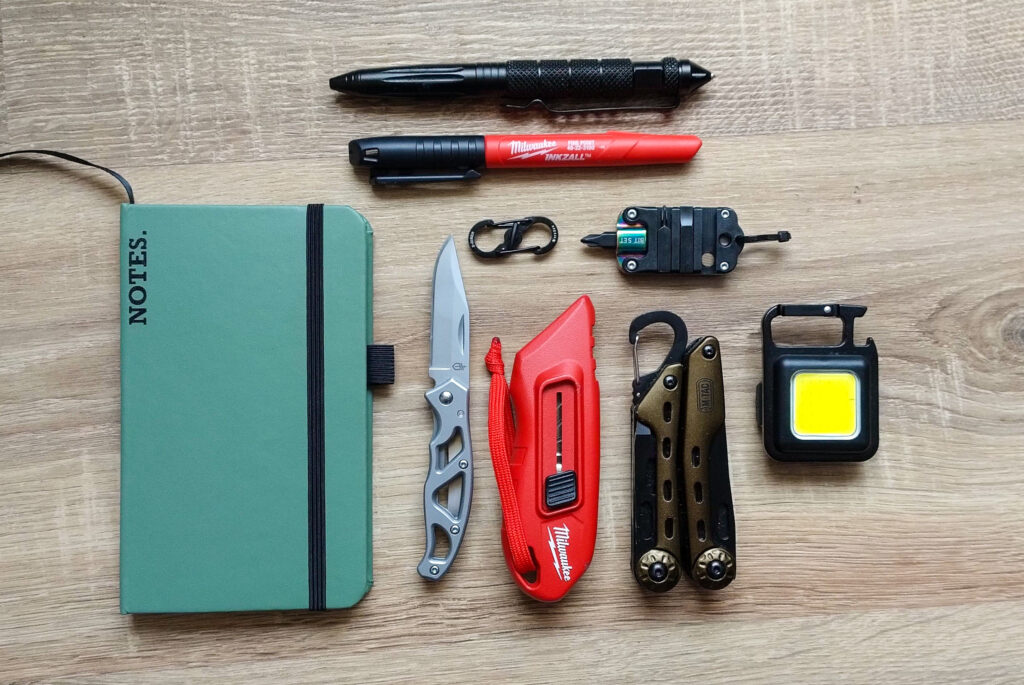
The recommendation of the COB light as a "must-have" tool reflects a broader industry consensus: lumen-for-lumen, the keychain work light is currently the most disruptive product in the lighting category. Its ability to replace full-sized flashlights for 90% of daily tasks makes it a primary entry point for newcomers to the EDC world.
Broader Impact and Implications
The shift toward specialized everyday carry kits among retail professionals has several long-term implications for the workforce and the manufacturing sector:
1. Enhanced Workplace Safety:
By carrying dedicated illumination and cutting tools, employees are better equipped to handle minor emergencies, such as power outages or the need to quickly clear debris. This reduces reliance on shared, often poorly maintained store tools.
2. The "Local First" Consumer Shift:
As noted in the analysis of Kinga’s kit, there is a growing trend of "local Polish brand representation." This suggests that as the EDC movement matures, consumers will increasingly look for gear that reflects their regional identity, potentially boosting domestic manufacturing in Central and Eastern Europe.
3. Technological Convergence:
The "black and yellow square-looking" COB lights represent a convergence of electronics and traditional hardware. We can expect to see more tools that integrate smart technology, such as Bluetooth tracking for lost keys or integrated power banks for emergency phone charging, all within the same compact form factor.
4. Standardization of "Work-Ready" Apparel:
The rise of EDC is also influencing the fashion industry. Workwear and "techwear" brands are increasingly designing clothing with dedicated pockets and attachment points for the types of tools Kinga carries. This "utility-first" design philosophy is becoming a staple in both professional and casual wardrobes.
Conclusion
Kinga’s everyday carry setup is more than a simple collection of tools; it is a microcosm of a global shift toward practical preparedness. By prioritizing items that are "necessary," "aesthetic," and "useful," she exemplifies the modern professional who is ready for the challenges of the retail environment. The endorsement of accessible, high-performance gear like the COB keychain light by industry observers further validates the idea that effective preparedness does not require a significant financial barrier. As the EDC movement continues to evolve in Poland and beyond, the focus will likely remain on the clever integration of technology, regional craftsmanship, and the unwavering pursuit of utility.