The evolution of the knife industry has transitioned from a reliance on anecdotal evidence and brand-driven marketing to a sophisticated, data-centric field governed by materials science. For decades, knife enthusiasts and professional makers relied on manufacturer data sheets that were often incomplete, lacking crucial metrics such as wear resistance or impact toughness. However, recent metallurgical research and independent testing have paved the way for a more transparent understanding of how chemical compositions dictate the real-world performance of a blade. By examining the correlations between elemental makeup and physical properties, it has become possible to estimate edge retention, toughness, and corrosion resistance with a high degree of accuracy, demystifying the "black box" of proprietary steel recipes.
The Historical Context of Knife Steel Evaluation
Historically, the selection of knife steel was an exercise in trial and error. Major steel producers like Crucible Industries, Uddeholm, and Carpenter Technology focused primarily on industrial applications, such as high-speed tooling and heavy machinery. While these companies provided technical data, they rarely offered direct comparisons between their products and those of their competitors. Furthermore, the metrics provided were often tailored to industrial settings rather than the specific geometry and use cases of cutlery.
This lack of third-party data created a vacuum filled by marketing jargon and "super steel" hype. The emergence of independent metallurgical analysis, most notably through researchers like Dr. Larrin Thomas and the "Knife Steel Nerds" project, has shifted the paradigm. By applying rigorous scientific methods—such as CATRA (Cutlery and Allied Trades Research Association) testing for edge retention and Charpy V-notch testing for toughness—researchers have established a baseline of performance that allows for the creation of predictive models. These models suggest that while steel performance is complex, it is largely predictable based on a few key factors: carbon content, alloy volume, and manufacturing methodology.
The Mechanics of Edge Retention and Carbide Volume
Edge retention remains the most sought-after property in the knife community. It is defined as a blade’s ability to resist abrasive wear during cutting tasks. Independent testing has confirmed that the primary driver of edge retention is the presence and volume of carbides—hard particles formed when carbon reacts with alloying elements like chromium, vanadium, tungsten, and molybdenum during the steelmaking process.
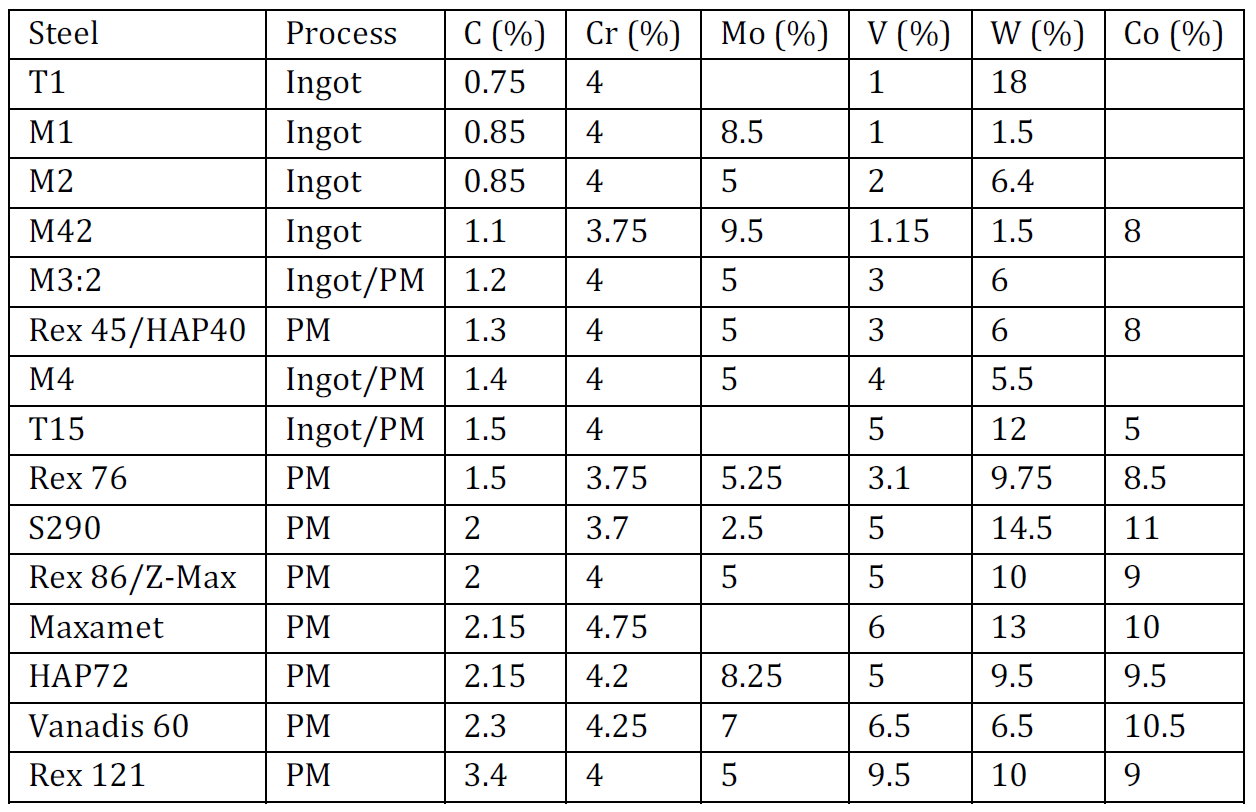
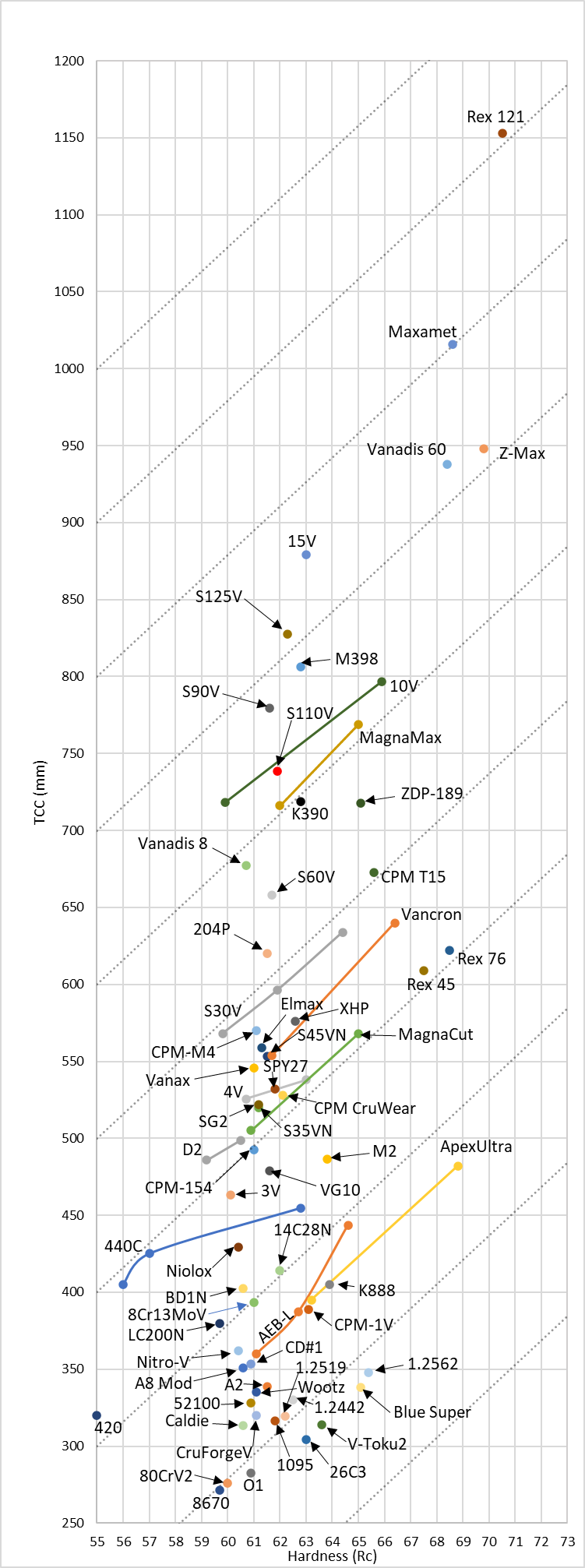
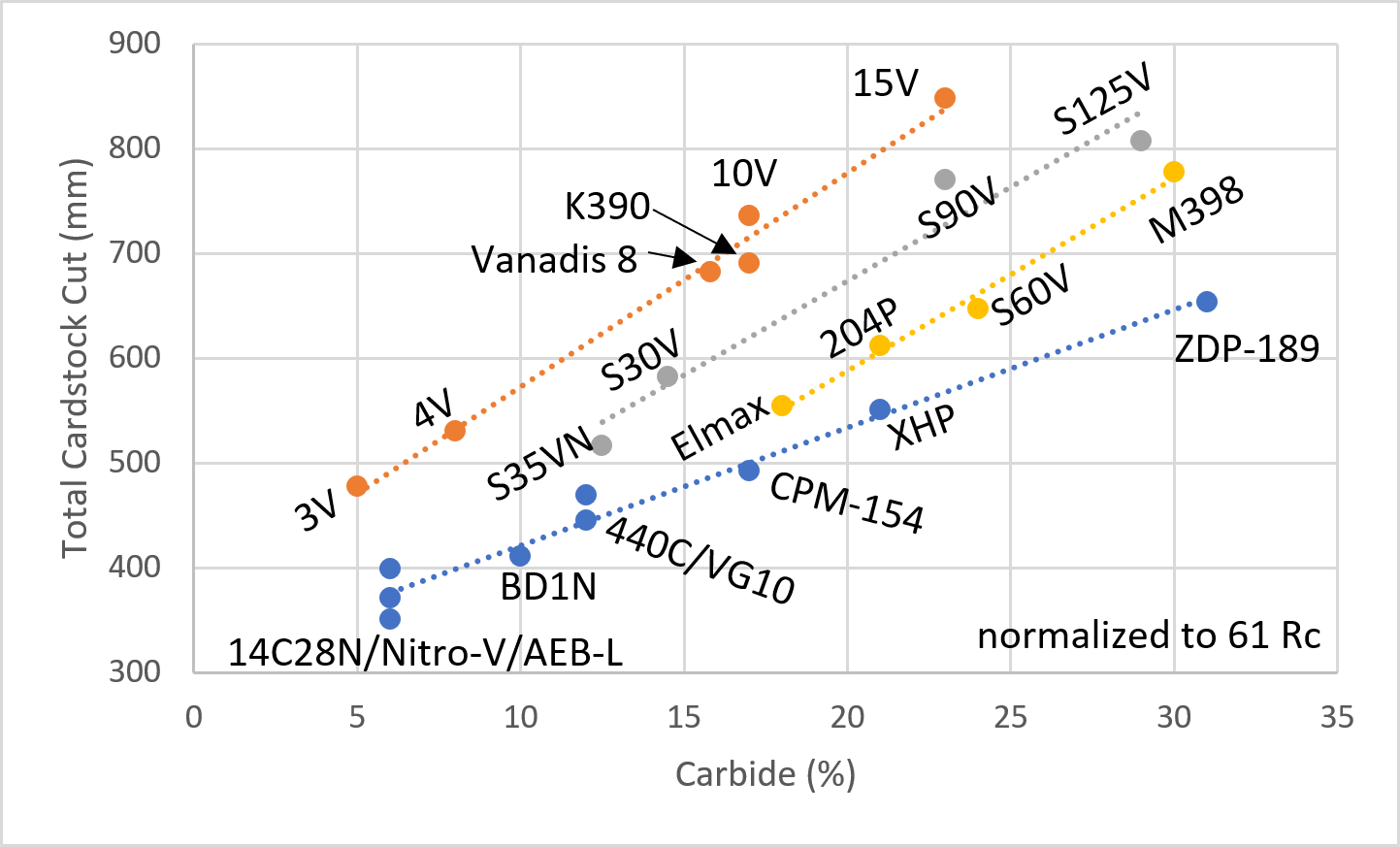
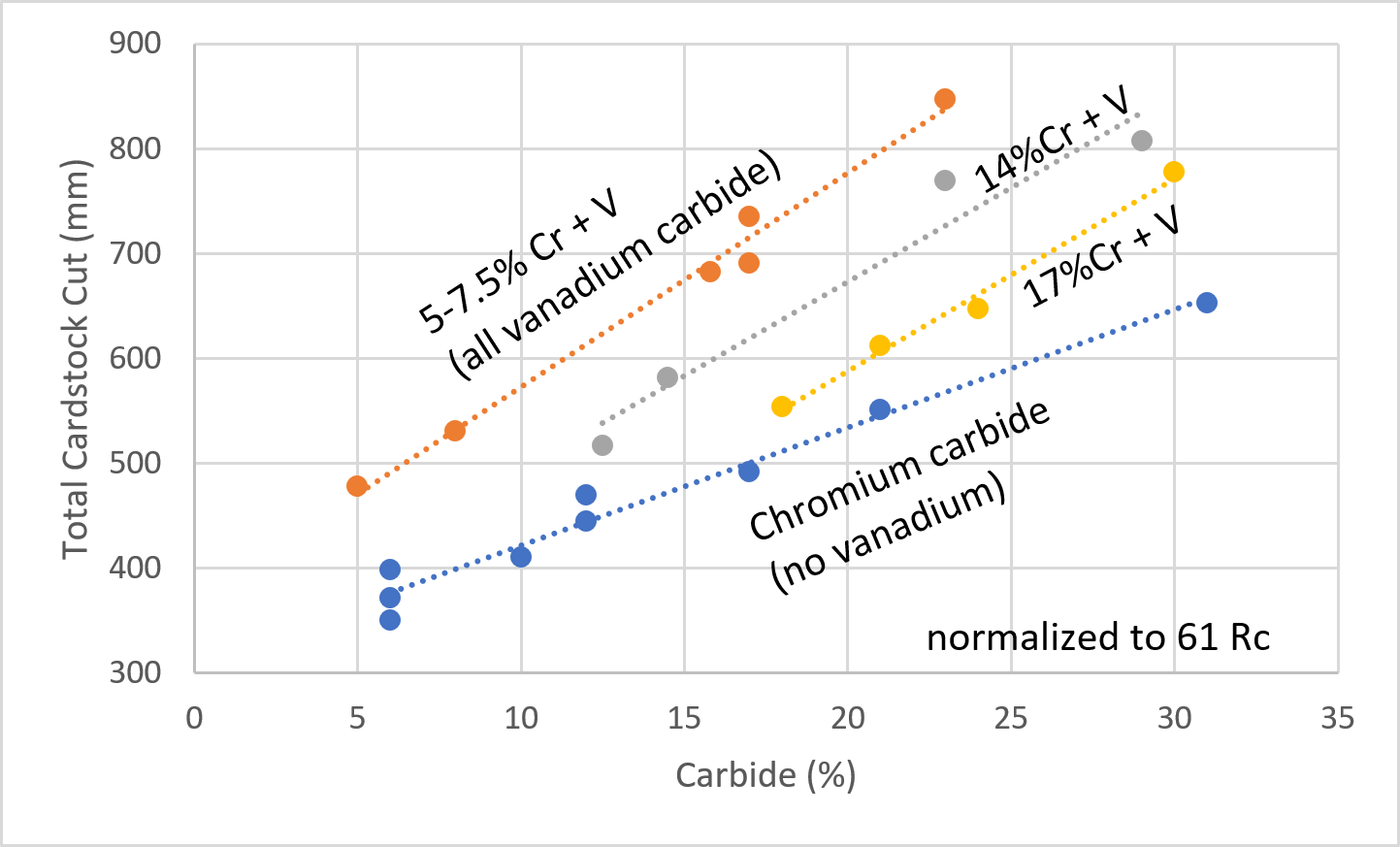
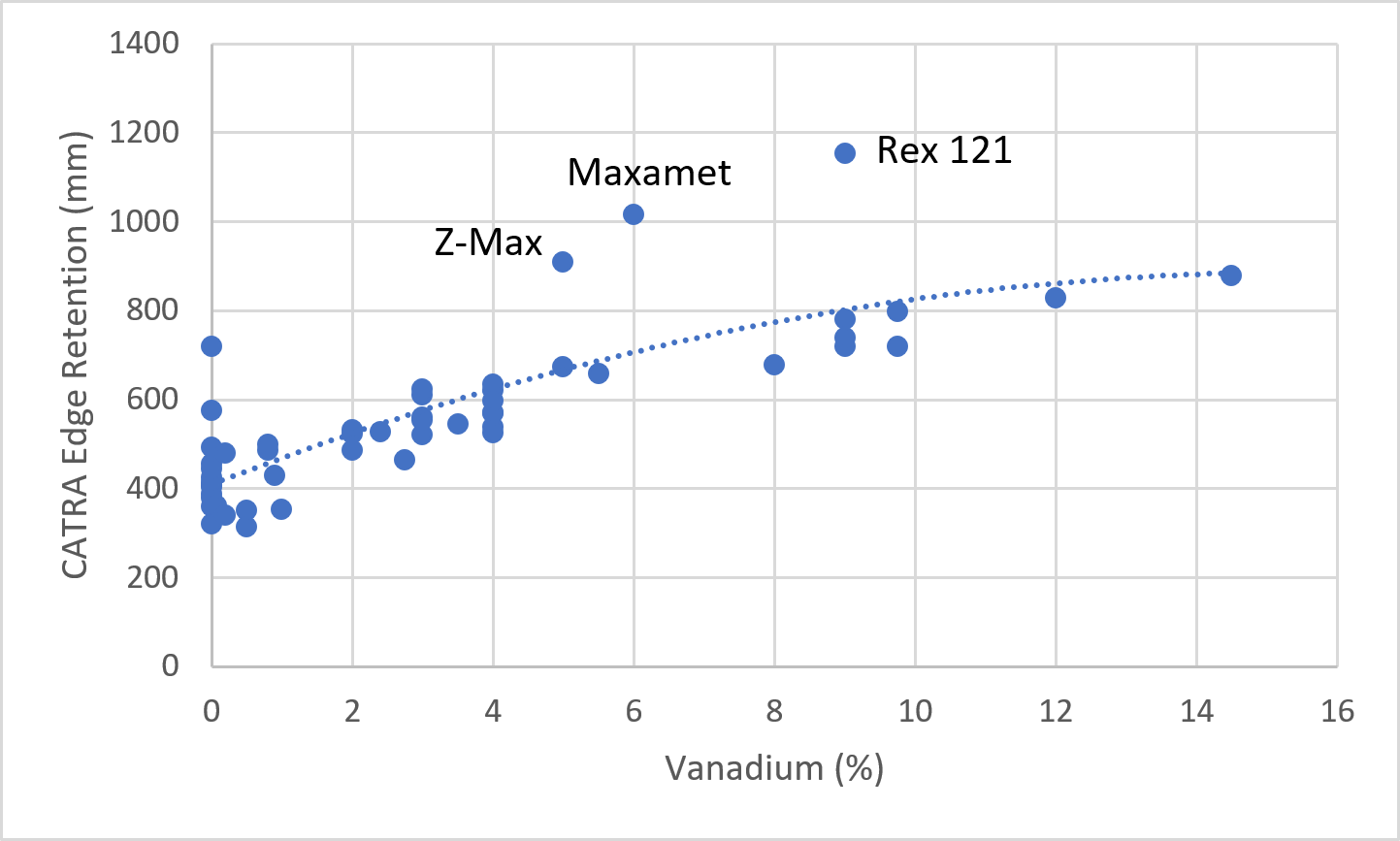
The Cutlery and Allied Trades Research Association (CATRA) test provides a standardized method for measuring this property by using a machine to stroke a blade against abrasive paper infused with silica. The results, measured in millimeters of paper cut, show a direct correlation with the volume of hard carbides in the steel. However, not all carbides are created equal. Vanadium carbides are significantly harder than chromium carbides, meaning that steels with high vanadium content, such as CPM-10V or CPM-15V, exhibit superior edge retention for a given volume of carbide.
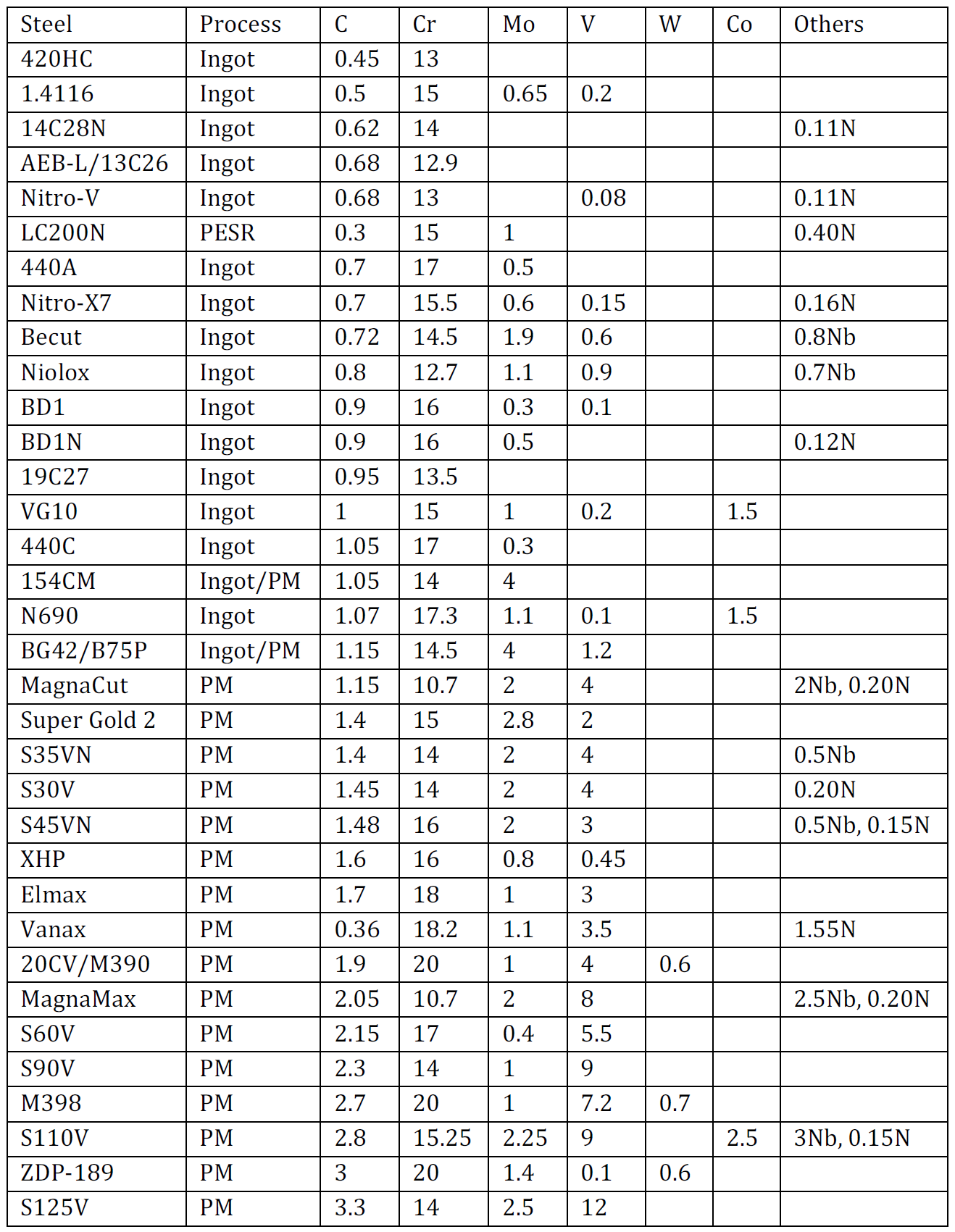
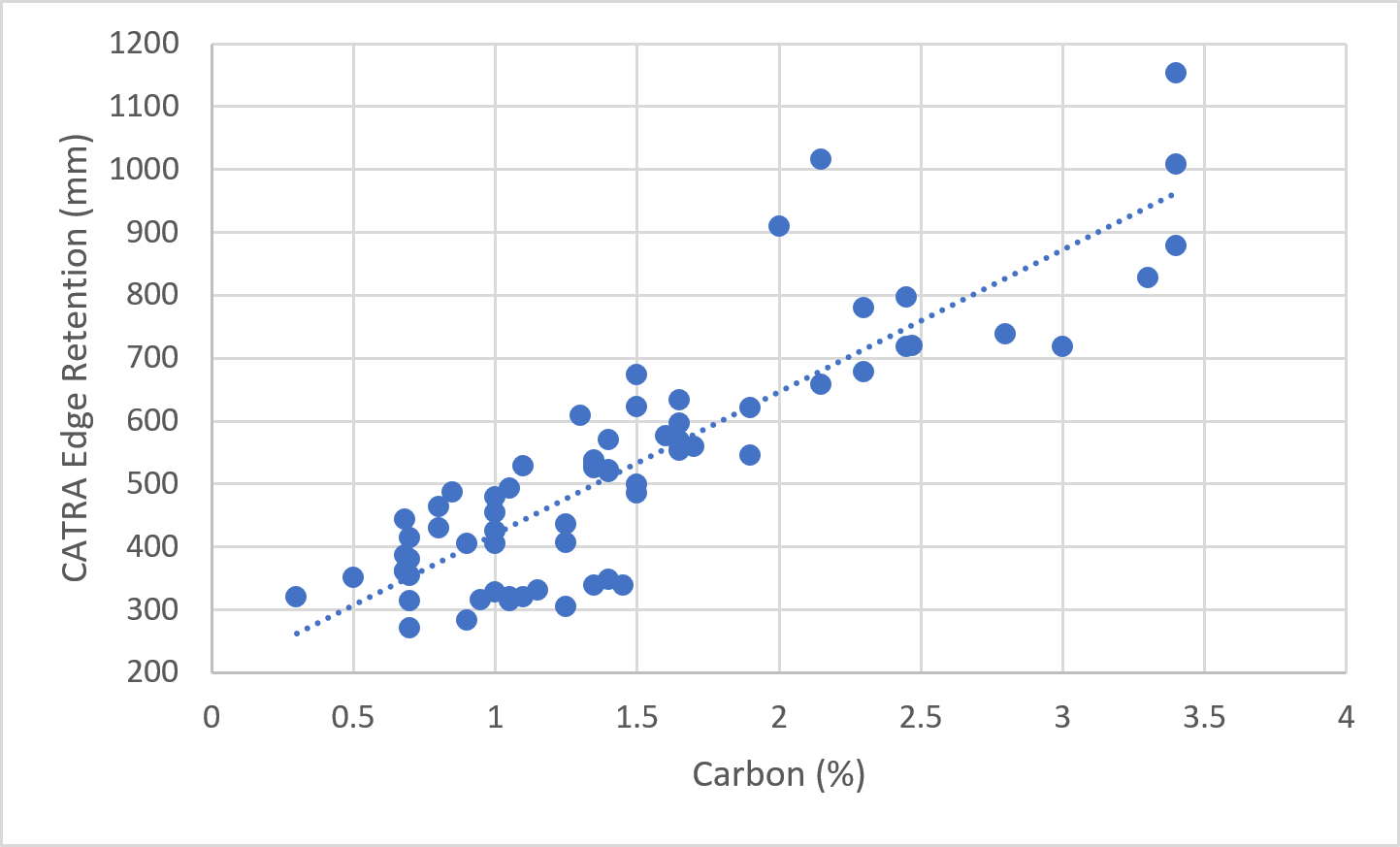
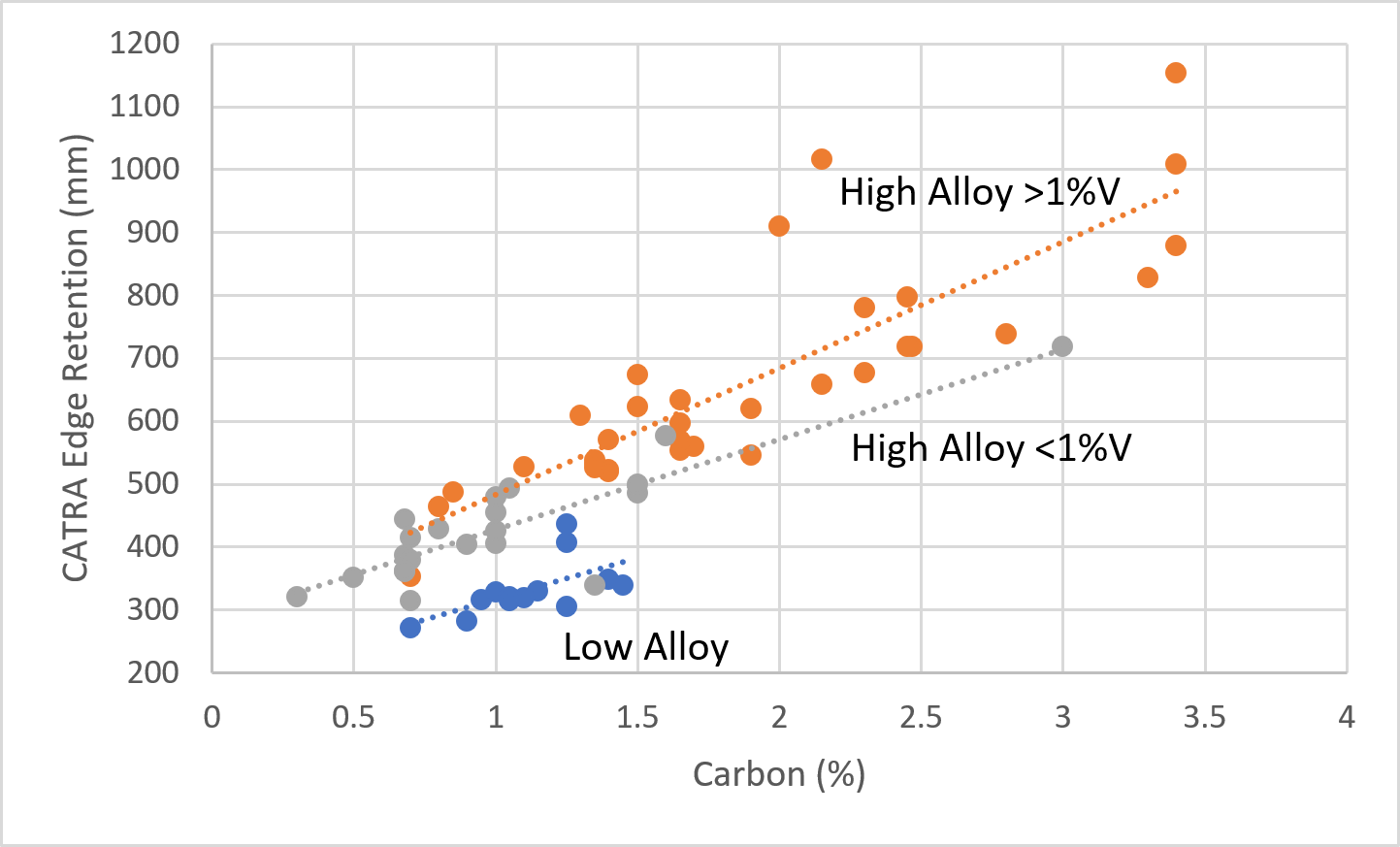
A simplified predictive model for edge retention focuses on carbon content. In high-alloy steels, increasing carbon typically leads to higher carbide volume. When the carbon content is plotted against CATRA results, a clear upward trend emerges. For enthusiasts looking to estimate performance without access to laboratory equipment, a general rule of thumb has been established:
- Identify the carbon and vanadium content.
- Group the steel by alloy type (low alloy vs. high alloy).
- Use carbon as the primary predictor, adjusted for the hardness of the specific carbides formed.
While this model is effective, outliers exist. Steels like Maxamet or Rex 121, which contain high amounts of tungsten and molybdenum, outperform standard carbon-based predictions due to their extreme hardness and the specific nature of their complex carbides.
Understanding Toughness and the Impact of Manufacturing Technology
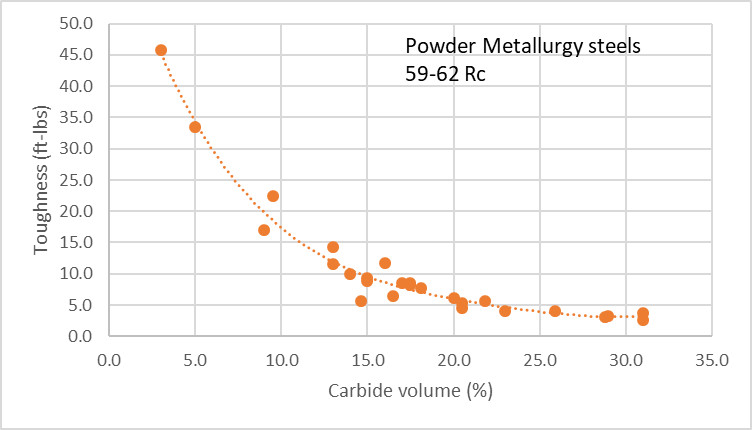
Toughness is the ability of a steel to resist chipping or breaking under impact. Unlike edge retention, which benefits from high carbide volume, toughness is generally inversely proportional to it. Carbides are brittle; they act as initiation sites for cracks. Therefore, as the volume of these hard particles increases to improve wear resistance, the steel’s ability to withstand sudden shocks decreases.
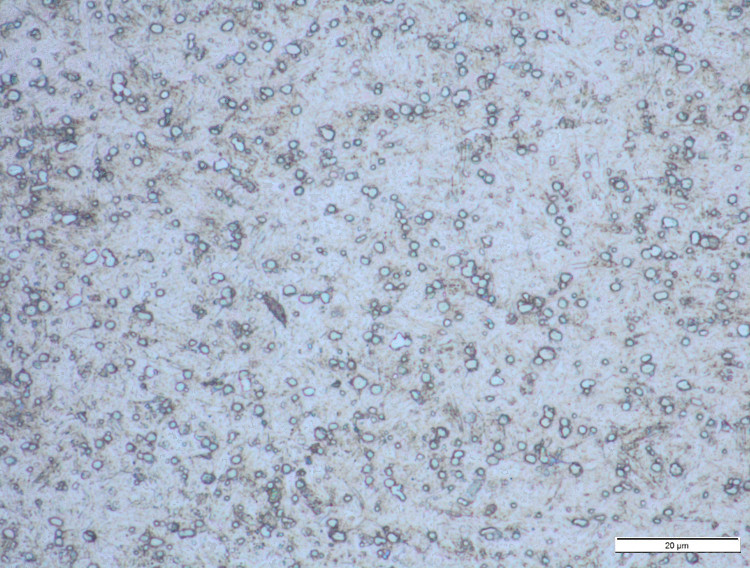
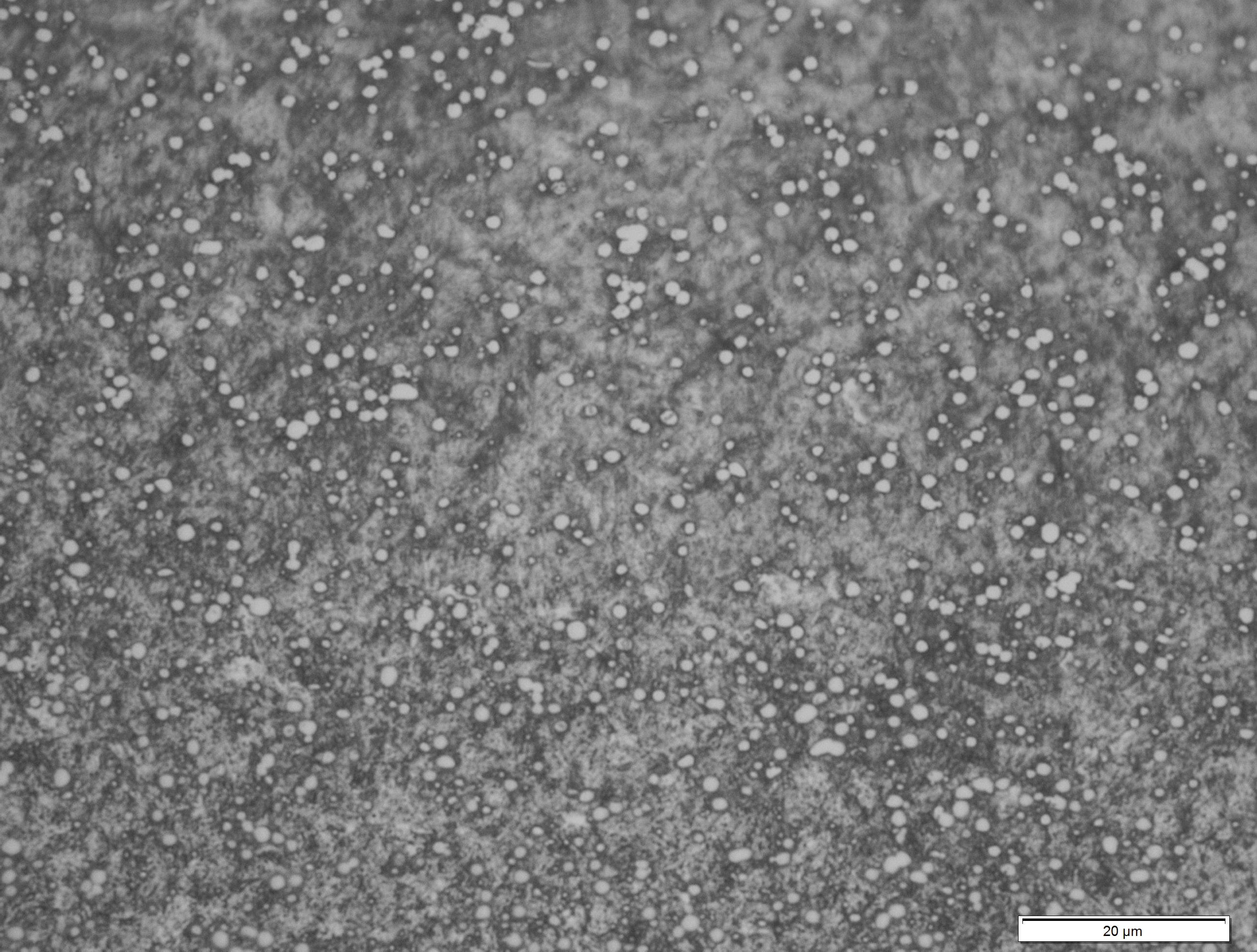
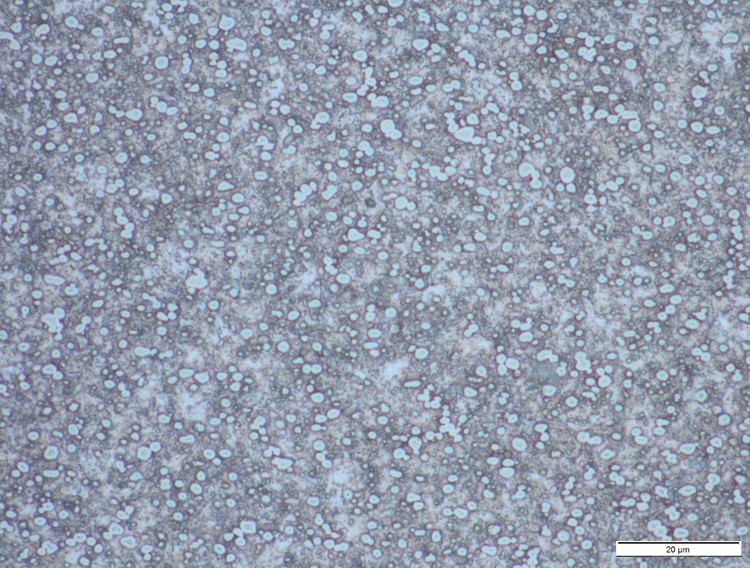
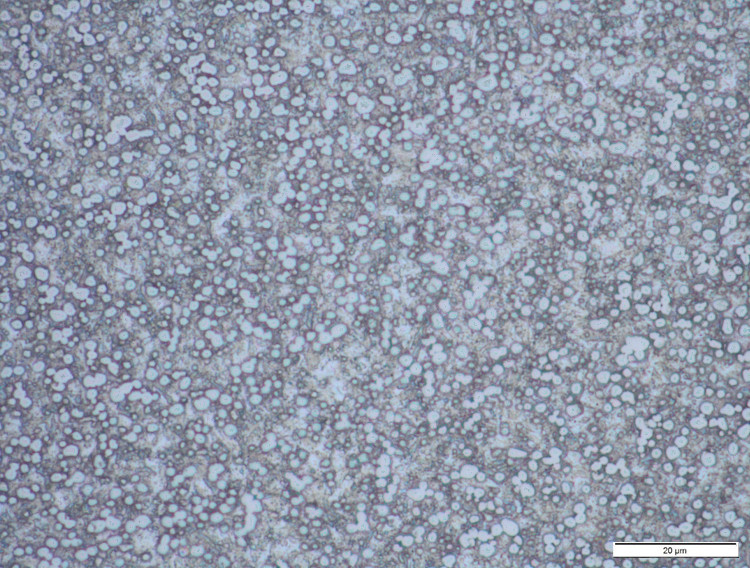
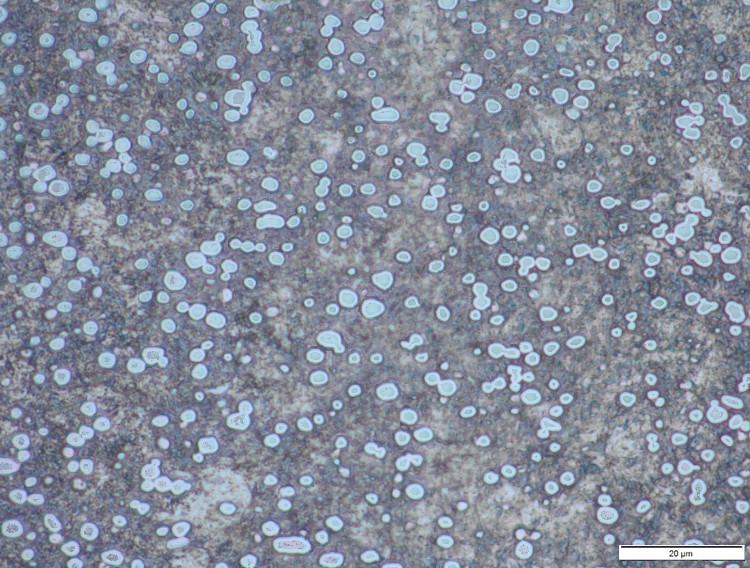
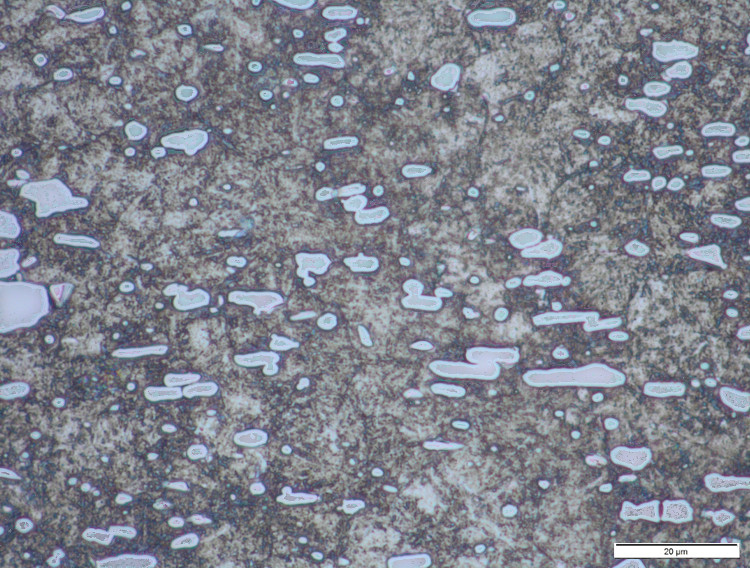
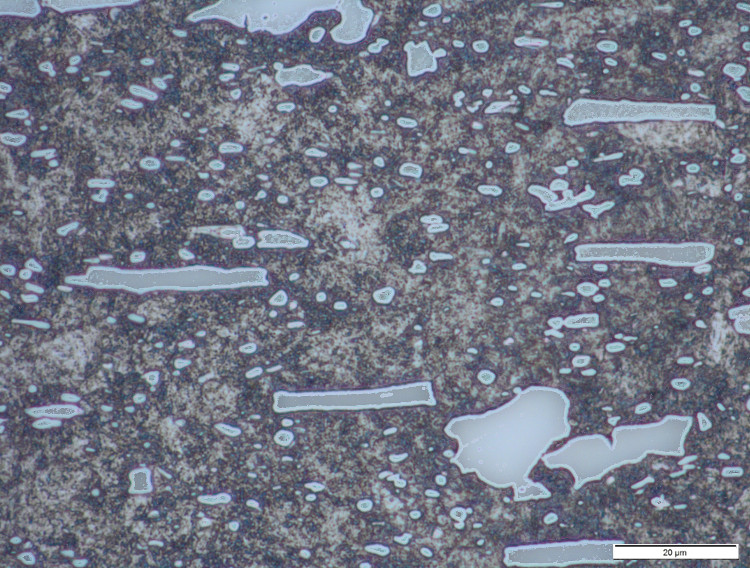
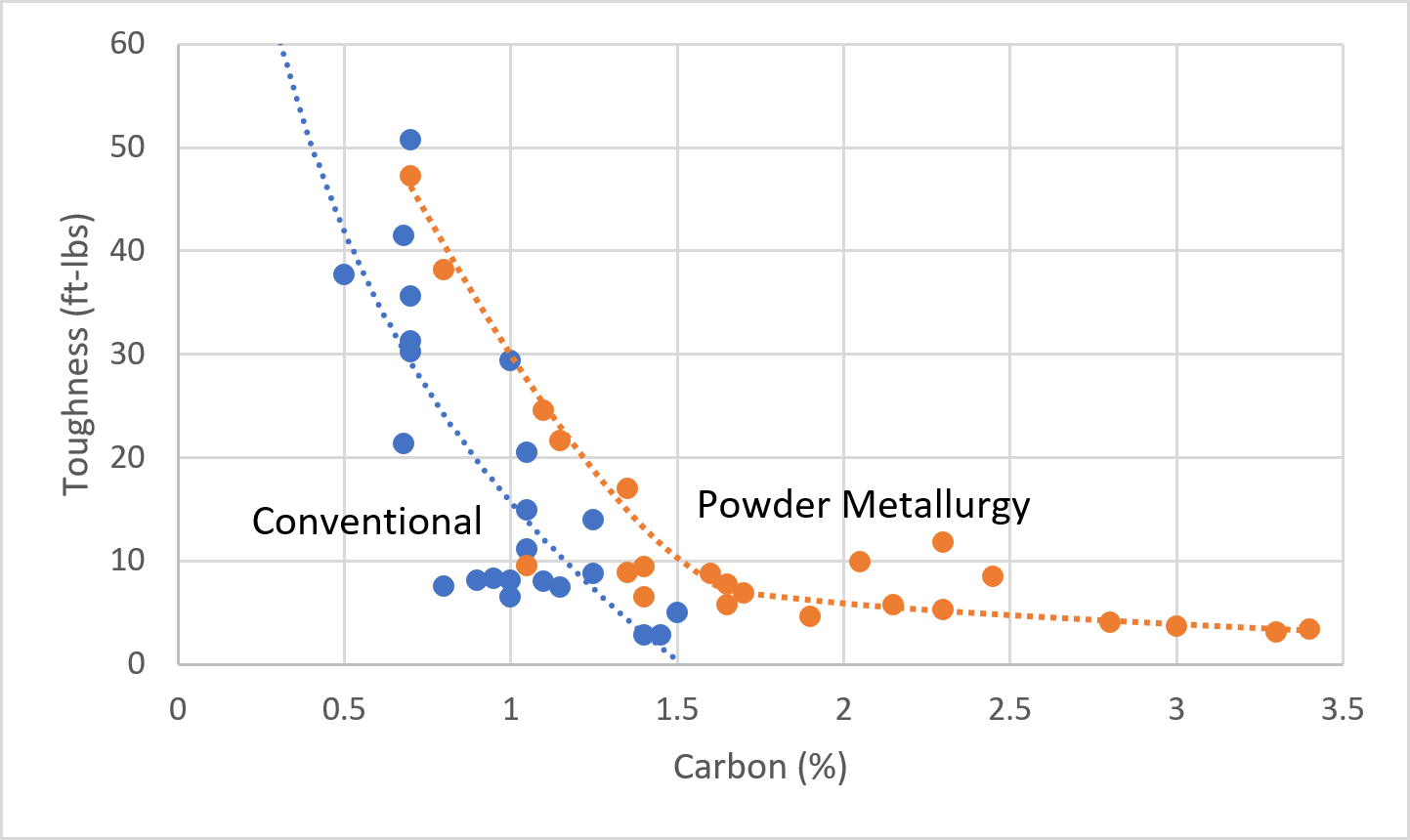
The most significant advancement in managing the trade-off between toughness and edge retention is Powder Metallurgy (PM). Traditional "ingot" steelmaking involves melting the alloy and pouring it into a large mold. As the steel cools slowly, large, uneven carbides form, which can severely compromise toughness. In contrast, the PM process involves atomizing the molten steel into a fine powder, which is then compacted under high pressure and temperature. This results in a much finer and more uniform distribution of carbides.
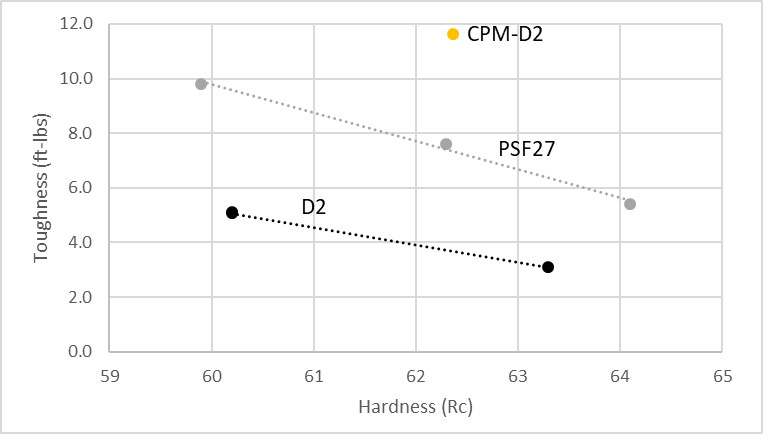
Data comparing CPM-D2 (a powder metallurgy version) to standard D2 steel illustrates this clearly. While both have the same chemical composition, the PM version exhibits significantly higher toughness because the smaller carbides are less likely to facilitate crack propagation.
A critical finding in recent metallurgical studies is that toughness behaves on a logarithmic scale. At low carbon levels (below 0.5%), steels like AEB-L or 8670 exhibit exceptional toughness. However, as carbon exceeds 1.0%, toughness drops precipitously. Interestingly, even low-carbon steels can fail if the processing is poor. For instance, 1.4116 stainless steel, common in kitchen knives, sometimes shows unexpectedly low toughness due to the presence of large "primary" carbides resulting from suboptimal heat treatment or casting.
Corrosion Resistance and the Role of Chromium in Solution
For a steel to be classified as "stainless," it must generally contain at least 10.5% to 12% chromium. However, the presence of chromium on a spec sheet does not guarantee corrosion resistance. The crucial factor is "chromium in solution"—the amount of chromium that remains in the steel’s matrix to form a protective chromium oxide layer on the surface.
If a steel has high carbon and high chromium, the carbon will "rob" the chromium to form chromium carbides. These carbides do not contribute to corrosion resistance; in fact, they can create localized areas of depletion (sensitization) that invite pitting. This explains why D2 steel, which has 12% chromium but high carbon, is often called "semi-stainless."
Modern nitrogen-based steels like Vanax and LC200N have revolutionized this category. By replacing some of the carbon with nitrogen, manufacturers can maintain high hardness without forming chromium carbides. This keeps the chromium in solution, resulting in nearly total immunity to saltwater corrosion.
A predictive metric for corrosion resistance is the Chromium-to-Carbon ratio (Cr/C). A higher ratio generally indicates better stainless properties. However, this model must be adjusted for vanadium content. Vanadium has a higher affinity for carbon than chromium does; therefore, in high-vanadium steels like MagnaCut, the vanadium "ties up" the carbon, allowing the chromium to remain in solution even with lower bulk chromium levels.
The Toughness-Edge Retention Balance
The ultimate goal of modern metallurgy is to optimize the balance between toughness and edge retention. For decades, these two properties were viewed as a zero-sum game. The development of CPM-MagnaCut serves as a primary case study in how predictive modeling can lead to a "breakthrough" steel. By using thermodynamic software to ensure that no chromium carbides were formed during heat treatment, the designers created a steel that offers the toughness of a tool steel with the corrosion resistance of a premium stainless steel and high edge retention.
This balance is the frontier of current research. As consumers become more educated, the demand for steels that occupy the "sweet spot" of the performance graph has increased. No longer are users satisfied with a blade that stays sharp forever but chips upon the first impact, or a blade that is indestructible but cannot hold an edge through a single task.
Broader Implications for the Knife Industry and Consumers
The ability to estimate steel properties through chemical analysis has profound implications for the marketplace. It empowers consumers to see past brand names and marketing gimmicks. If a manufacturer claims a new steel has "revolutionary" edge retention, a quick glance at the carbon and vanadium content can verify or debunk that claim.
Furthermore, this data-driven approach is forcing manufacturers to be more precise in their heat treatment protocols. Because independent testers are now verifying hardness (HRC) and toughness, companies can no longer afford to ship blades with suboptimal "soft" heat treats designed to avoid warranty claims.
The industry is also seeing a shift toward specialized steels. Rather than searching for a single "best" steel, makers are selecting alloys tailored to specific functions: high-toughness steels for outdoor choppers, high-wear steels for specialized cutting tools, and high-corrosion-resistance steels for maritime use.
Conclusion: The Predictable Future of Metallurgy
The research conducted by independent metallurgists has proven that knife steel performance is not a matter of magic, but of chemistry and physics. While outliers and counter-examples will always exist due to the nuances of heat treatment and manufacturing defects, the core properties of edge retention, toughness, and corrosion resistance are fundamentally linked to the elemental composition.
By understanding the relationship between carbon, chromium, and vanadium, and the structural advantages of powder metallurgy, both makers and collectors can make more informed decisions. As predictive modeling continues to advance, fueled by artificial intelligence and more granular experimental data, the next generation of knife steels will likely be designed with even greater precision, pushing the boundaries of what is possible in the science of the edge. This era of transparency ensures that the "nerds" of the knife world are no longer just hobbyists—they are the architects of a more informed and capable industry.