







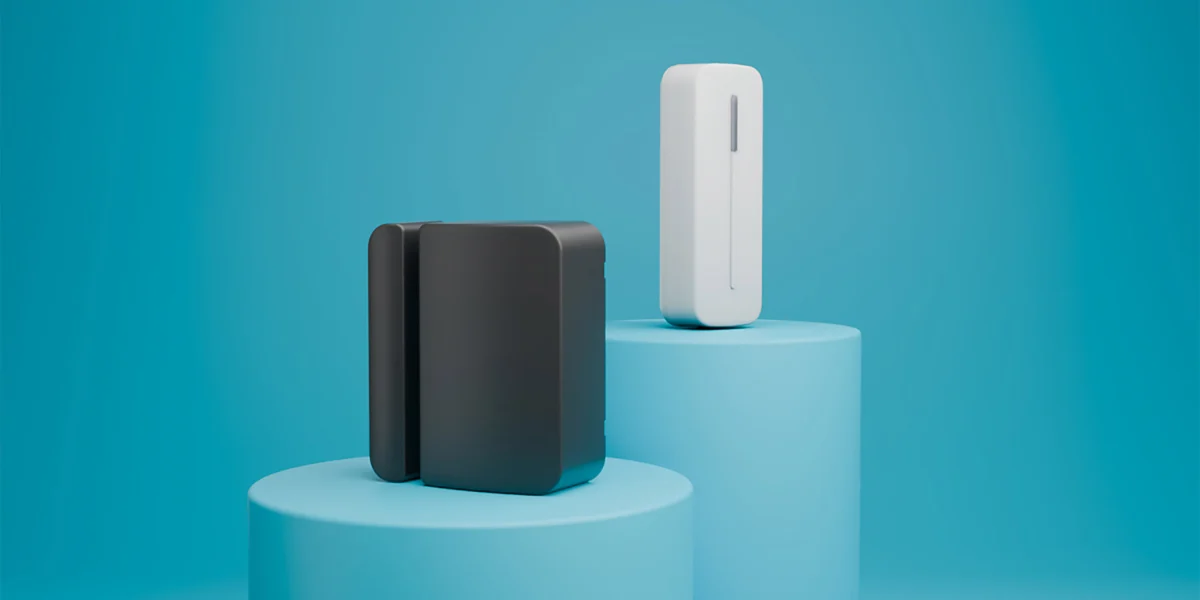
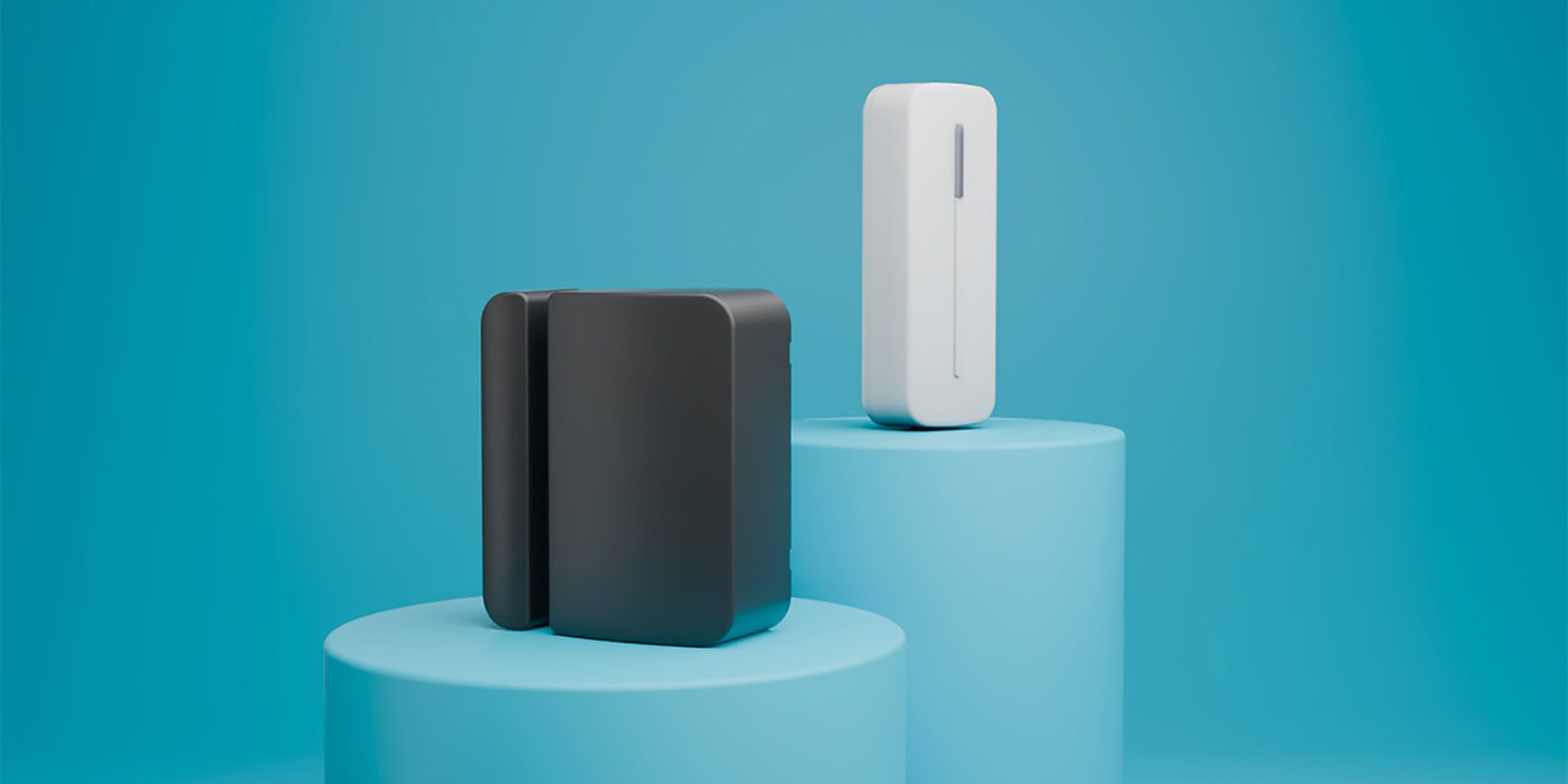
DIY smart home security provider Abode has officially expanded its product portfolio with the introduction of two specialized sensors designed to secure often-overlooked entry points: the Garage Tilt Sensor and the Outdoor Contact Sensor. These devices are engineered to integrate seamlessly with the Apple Home ecosystem, while maintaining interoperability with Amazon Alexa and Google Assistant, marking a strategic shift toward comprehensive, perimeter-focused home monitoring.
The launch addresses a common vulnerability in residential security architectures: the focus on primary entry points at the expense of detached or secondary structures. By leveraging Abode’s proprietary CUE automation engine, the company aims to move beyond simple notification-based security, enabling sophisticated, context-aware responses that can proactively secure a home.
Strategic Expansion into Perimeter Security
The introduction of these sensors follows a period of rapid development within the DIY home security sector. As consumers increasingly adopt smart home technology, the demand for devices that can withstand environmental variables—such as temperature fluctuations, humidity, and physical interference—has grown significantly. Abode’s new hardware is specifically designed to meet these challenges.
The Garage Tilt Sensor is a hardware solution tailored for non-standard entry points. Utilizing internal orientation-detection technology, it triggers an alert when a surface shifts by more than 45 degrees from its resting position. This capability is not limited to traditional garage doors; it extends to attic hatch doors, basement tilt windows, and various hinged panels. The sensor boasts a battery life of up to 10 years, a significant advancement in maintenance-free security hardware, ensuring that homeowners do not need to frequently access high-mounted or difficult-to-reach locations.
Parallel to this, the Outdoor Contact Sensor is built to IP66 standards, signifying high resistance to dust and heavy rain. Unlike indoor sensors, which often struggle with interference when mounted on metal surfaces or subjected to exterior elements, this sensor features a high-powered magnet and a wider activation gap. These features are specifically designed to minimize false alarms on outdoor gates, detached sheds, and external storage units—environments that typically present high rates of sensor malfunction due to vibrations or metal-on-metal interference.
Chronology of Development and Market Integration
Abode’s trajectory over the last decade has been characterized by a steady evolution from a basic security alarm provider to a comprehensive smart home hub. Founded in 2014, the company was acquired by Nice, a global leader in home management solutions, in 2019. This acquisition provided Abode with the engineering resources necessary to iterate on its hardware faster and integrate more deeply with broader smart home ecosystems, including Apple Home, which requires stringent certification processes.
The development of the current sensor lineup began as part of a broader effort to unify home perimeter protection. By early 2025, market research indicated that homeowners were increasingly concerned with security breaches originating from secondary structures rather than the main house. Following this trend, Abode moved into the testing phase for weather-resistant hardware in late 2025. The official release of the Garage Tilt and Outdoor Contact sensors marks the culmination of these internal initiatives to provide a "360-degree" protective perimeter.
Supporting Data and Technical Specifications
The effectiveness of these sensors is supported by their communication range. Under optimal conditions, both devices can maintain connectivity with the central hub at distances of up to 500 feet. This range is critical for users living on larger properties or those with detached garages that might otherwise fall outside the effective reach of standard Zigbee or Z-Wave-based security systems.
The following table summarizes the technical capabilities of the new hardware:
| Feature | Garage Tilt Sensor | Outdoor Contact Sensor |
|---|---|---|
| Connectivity Range | Up to 500 ft (optimal) | Up to 500 ft (optimal) |
| Ingress Protection | Indoor/Sheltered | IP66 (Weatherproof) |
| Battery Life | Up to 10 years | User-replaceable |
| Trigger Mechanism | 45° Orientation Shift | Magnetic Gap Activation |
| Ecosystem Support | Apple Home, Alexa, Google | Apple Home, Alexa, Google |
The inclusion of the CUE automation engine is a central component of this rollout. Unlike basic security systems that merely trigger an alarm, Abode’s engine allows for "If-This-Then-That" (IFTTT) style logic. For instance, a user can program their home to automatically activate exterior floodlights when the Outdoor Contact Sensor detects an opening after sunset. Alternatively, the Garage Tilt Sensor can be linked to a timer, so that if the door remains open for more than 10 minutes, the user receives an immediate push notification or the system initiates a pre-programmed closing sequence.
Official Perspectives on Residential Vulnerability
Chris Carney, CEO and Founder of Abode, emphasized that the release is a response to evolving criminal tactics. "Break-ins usually don’t start at the front door," Carney stated in the launch briefing. "Unlocked side gates or garages present vulnerable access points often left unmonitored by homeowners. We built these sensors because the perimeter of a home deserves the same protection as the inside of it."
Industry analysts suggest that this perspective is well-founded. According to data from various crime prevention bureaus, residential burglaries are statistically more likely to occur through secondary entry points, such as garages or rear doors, which are often concealed from street view and lack the high-traffic visibility of a front entrance. By focusing on these areas, Abode is attempting to capture a segment of the security market that has been underserved by traditional, interior-focused alarm systems.
Broader Impact and Security Implications
The entry of these sensors into the Apple Home ecosystem is particularly significant for privacy-conscious users. Apple’s certification process for smart home devices, known as HomeKit (and more recently, Matter-compatible integrations), requires that data processing remain largely localized and encrypted. By ensuring these sensors communicate effectively within this framework, Abode is aligning itself with the privacy standards expected by high-end smart home consumers.

From a practical standpoint, the integration of these sensors into the broader smart home ecosystem has implications for insurance and liability. Many homeowners’ insurance providers offer discounts for monitored security systems that cover all entry points. The ability to verify the status of a garage or shed in real-time through an app, and to have that status recorded in an activity log, provides a digital trail that can be useful for both insurance claims and incident response.
Furthermore, the "DIY" nature of these products reflects a broader trend toward the democratization of high-end security. Historically, perimeter protection required professional installation, hardwiring, and expensive subscription-based monitoring contracts. By offering these devices at a price point of $34.99 for the Garage Tilt Sensor and $49.99 for the Outdoor Contact Sensor, Abode is significantly lowering the barrier to entry for robust, exterior-grade home security.
Analysis of Future Directions
Looking forward, the success of these sensors will likely depend on their reliability in varying climates and their ease of installation for non-technical users. Abode has explicitly noted that their installation guides include steps for range-testing before final mounting, a critical detail that helps prevent the frustration of "dead zones" in larger properties.
As the smart home market matures, the differentiation between "security" and "automation" is increasingly blurring. The ability to link a simple contact sensor to a complex set of lighting, camera, and locking automations is what modern consumers are seeking. Abode’s strategy of building a unified, multi-platform ecosystem suggests that they are positioning themselves not just as a security company, but as a holistic home management provider.
In conclusion, the launch of the Garage Tilt Sensor and the Outdoor Contact Sensor represents a calculated move to secure the perimeter of the modern home. By combining long-range connectivity, weather-resistant hardware, and deep integration with the Apple Home ecosystem, Abode is providing a necessary update to the DIY security toolkit. As urban and suburban residential environments face new challenges, the ability to monitor the "outer rim" of the home will become an essential component of the modern connected residence.