










The landscape of smartphone engineering is poised for a significant transformation as fresh supply chain intelligence emerges regarding Apple’s next iteration of its ultra-slim handset line, the iPhone Air 2. According to detailed reports originating from the influential Chinese social media platform Weibo—specifically attributed to the industry analyst Digital Chat Station—Apple is currently finalizing the specifications for a device that pushes the boundaries of physical dimensions. Scheduled for a launch window in early 2025, the iPhone Air 2 is expected to measure an unprecedented 5.2mm in thickness. This represents a reduction of 0.4mm from the previous generation’s 5.6mm profile, signaling a continued commitment by Apple to thin-film integration and advanced component miniaturization.
The Evolution of the iPhone Air Series
The conceptual origins of the "Air" branding within the iPhone ecosystem suggest a strategic pivot by Apple toward a premium, lightweight alternative to the standard Pro and Max models. While the primary iPhone lineup has historically prioritized high-performance internal hardware, often at the expense of a bulkier chassis, the Air series serves as a deliberate experiment in ergonomic design.
Historically, Apple has utilized the "Air" moniker to denote a thinner, lighter iteration of its existing product categories, most notably with the MacBook Air and iPad Air. Bringing this design philosophy to the smartphone market requires solving a complex engineering trilemma: maintaining structural integrity while reducing volume, managing heat dissipation in a constrained thermal envelope, and ensuring battery capacity remains competitive. The transition from the 5.6mm profile of the original device to the 5.2mm architecture of the upcoming model underscores Apple’s investment in material science, specifically regarding the utilization of reinforced titanium alloys and high-density logic boards.
Advancements in Photographic Capabilities
One of the most significant upgrades reported involves the device’s imaging suite. The original model was criticized by some segments of the market for its reliance on a single rear camera lens, which, while capable, failed to provide the versatility expected of a modern flagship. The iPhone Air 2 seeks to address these concerns by adopting a sophisticated dual-lens rear camera array.
According to the leaks, the primary sensor will be a 48MP unit, likely utilizing pixel-binning technology to improve low-light performance. This is to be paired with a secondary 48MP ultrawide sensor, providing users with a comprehensive focal range without the need for a bulky triple-camera bump. Furthermore, the front-facing optics are slated for a notable upgrade. While the report mentions an "18-inch sensor," this terminology likely refers to the optical format size rather than physical dimensions, which would suggest a significant increase in light-gathering surface area. This shift aims to optimize the fidelity of video conferencing and high-definition social media content creation, positioning the iPhone Air 2 as a preferred device for professional mobile creators.
Battery Technology and Energy Density
Perhaps the most daunting challenge for any manufacturer attempting to slim down a device is the integration of a battery capable of powering modern high-performance hardware. The iPhone Air 2 is rumored to house a 3,500 mAh battery, a substantial jump from the 3,149 mAh capacity of its predecessor. To reconcile this increase in capacity with a decrease in internal volume, industry analysts believe Apple is turning to silicon-carbon battery technology.
Silicon-carbon anodes offer significantly higher energy density compared to traditional graphite-based lithium-ion cells. By increasing the silicon content in the battery anode, Apple can store more lithium ions, thereby extending the battery’s lifespan without requiring a larger physical footprint. This implementation is critical; as the device becomes thinner, the surface area for heat dissipation decreases. Consequently, the power management integrated circuits (PMICs) and the battery chemistry must be optimized to ensure that the device does not reach thermal throttling thresholds during heavy usage.
Processing Power: The A20 Pro and 2nm Fabrication
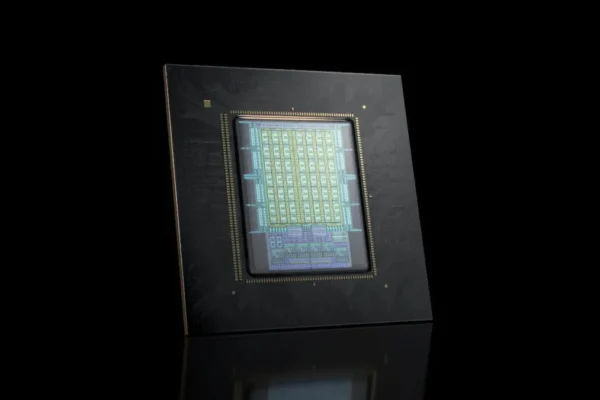
At the heart of the iPhone Air 2 will be the A20 Pro chip, a silicon marvel expected to be manufactured on an advanced 2-nanometer process node. The move to a 2nm process is a monumental step for the semiconductor industry, enabling higher transistor density, lower power consumption, and increased clock speeds compared to the 3nm architecture found in the current A18 series.

The A20 Pro is expected to leverage a highly efficient neural engine, catering to the increasing demand for on-device artificial intelligence tasks. By moving to a 2nm process, Apple effectively offsets the increased power demands of more sophisticated AI models, ensuring that the device remains performant throughout its operational lifespan. The display remains a focal point as well, with a 6.55-inch OLED panel featuring ProMotion technology, allowing for an adaptive 120Hz refresh rate. This technology ensures that while the device is exceptionally thin, the user experience remains fluid and responsive, maintaining parity with the more robust iPhone Pro lineup.
Industry Implications and Market Analysis
The potential launch of the iPhone Air 2 reflects a broader shift in the smartphone industry. As the market reaches a state of relative saturation, hardware manufacturers are seeking to differentiate their offerings through extreme form factors and specialized use cases. Apple’s decision to prioritize thinness over the raw, bulky power of the Pro Max series suggests that there is a segment of the market—perhaps business professionals or aesthetic-focused consumers—who prioritize portability above all else.
However, the strategy is not without its risks. The transition to a thinner chassis necessitates a departure from some standard hardware implementations. For instance, the ongoing debate regarding stereo sound remains a point of contention. The original iPhone Air was limited to a mono speaker setup due to space constraints, and it remains to be seen if the internal redesign of the iPhone Air 2 will allow for a balanced stereo output. While mono audio is acceptable for basic tasks, it is a significant drawback for a device marketed at a premium price point.
Furthermore, the integration of 2nm chips and silicon-carbon batteries will likely result in a higher bill of materials (BOM). Market analysts suggest that the iPhone Air 2 could command a premium price tag, potentially positioning it alongside, or even above, the current iPhone Pro models. Whether consumers are willing to pay a premium for a "slimmer" experience over the functional benefits of a larger battery or a telephoto lens remains the central question for Apple’s retail strategy.
Chronology and Expected Availability
The leak cycle for the iPhone Air 2 is following a trajectory similar to previous Apple product launches. With initial supply chain whispers emerging in late 2024, the validation phase is expected to occur throughout the first quarter of 2025. Typically, Apple performs internal testing and production validation (PVT) in the months leading up to a mass-market release.
If the current rumors hold true, the announcement of the iPhone Air 2 will likely align with an early-year media event, distinct from the traditional September iPhone launch cycle. This would allow Apple to capture market interest during the spring, a period where hardware sales traditionally plateau.
As of this writing, Apple has maintained its standard policy of silence regarding unannounced products. No official press releases or statements have been issued. However, the accuracy of previous leaks from sources like Digital Chat Station suggests that the information provided carries significant weight within the industry. As the launch window approaches, further details regarding regional availability, specific pricing tiers, and the final list of features are expected to materialize through regulatory filings and further supply chain disclosures.
The iPhone Air 2 represents a convergence of cutting-edge material science, semiconductor miniaturization, and a bold aesthetic vision. By balancing the limitations of an ultra-slim chassis with the performance requirements of a modern flagship, Apple is once again attempting to redefine the parameters of what a smartphone can be. The success of the project will ultimately depend on whether these engineering feats translate into a tangible, high-quality user experience that justifies the anticipated premium cost. As the industry watches closely, the iPhone Air 2 stands as a testament to the ongoing evolution of mobile technology, proving that even in a mature market, there is still room for significant innovation.