

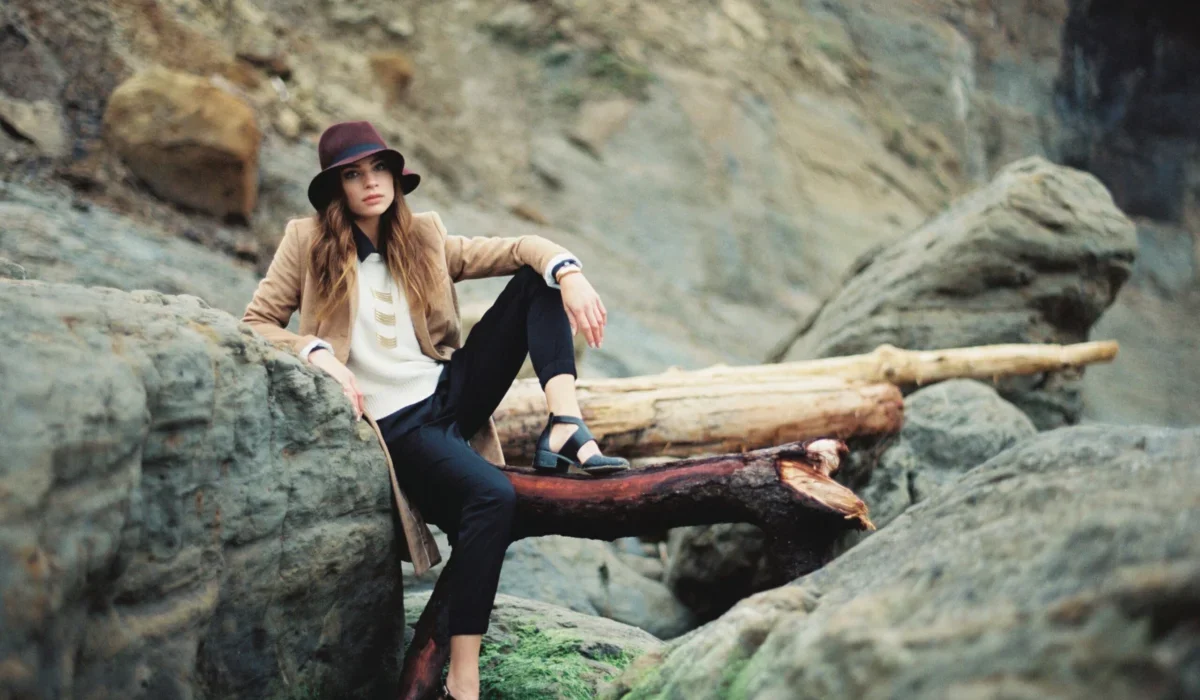
The revival of analog photography has seen a significant surge in popularity over the last decade, transitioning from a niche hobbyist pursuit to a deliberate artistic choice for wedding, portrait, and fine art photographers. As digital saturation reaches a plateau, the tactile nature of film—the grain structure, the dynamic range, and the anticipation of the development process—has captivated a new generation of creators. However, with the decline of local retail drugstores providing in-house development services, photographers are increasingly reliant on professional mail-order film laboratories. Selecting the right partner for film processing is no longer merely a convenience; it is a critical component of the professional photographer’s workflow and brand consistency.
The Evolution of Film Processing Infrastructure
The history of film processing is defined by a rapid contraction followed by a specialized resurgence. During the mid-20th century, photofinishing was a ubiquitous service provided by local pharmacies and dedicated storefronts. Following the digital transition in the early 2000s, thousands of labs closed as demand plummeted. By 2010, the industry hit a nadir, leaving only a handful of specialized facilities equipped with high-end chemical processors and precision scanners.
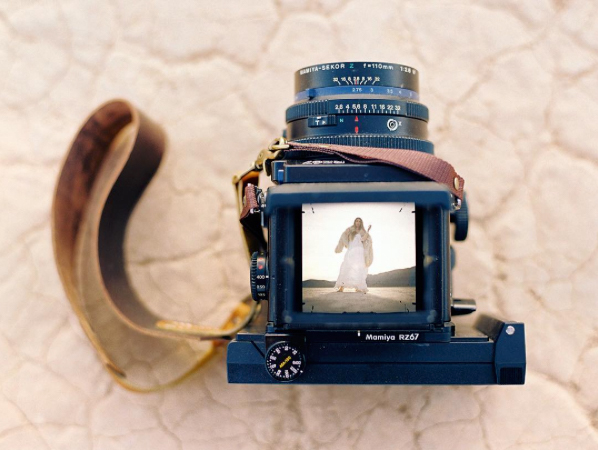
Today, the market has stabilized into a boutique service model. Modern labs cater to a clientele that demands high-resolution scanning and color-science accuracy that exceeds the capabilities of standard consumer-grade scanners. Unlike the automated processes of the past, contemporary professional labs operate as extensions of the photographer’s creative team, utilizing sophisticated software to bridge the gap between analog negatives and digital delivery.
Criteria for Laboratory Selection: Technical and Professional Standards
When evaluating a film laboratory, professionals look beyond the basic capability of chemical development. The process involves a complex chain of variables: temperature control, chemical replenishment rates, and scanning calibration.
Dedicated Scanning and Workflow Integration
The most critical factor in choosing a lab is the quality and consistency of the scanning process. In modern professional labs, "dedicated scanning" refers to assigning a specific technician to a client’s account. This continuity ensures that the scanner operator becomes intimately familiar with the photographer’s preferred aesthetic—specifically their tolerance for contrast, grain, and color temperature. A lab that utilizes a rotating pool of technicians for a single order often produces inconsistent results, forcing the photographer to spend excessive hours in post-production software like Adobe Lightroom or Capture One to achieve uniformity across a single shoot.

The Role of Custom Profiles
High-end laboratories offer the creation of custom scanning profiles. This process involves the photographer submitting test rolls alongside edited digital references. By analyzing the delta between the lab’s raw scan and the photographer’s desired output, technicians can adjust the software’s algorithms to match that specific aesthetic. This investment of time—often involving direct communication between the client and the lead technician—is the standard for wedding and commercial photographers who require a signature "look" that remains consistent across varying lighting conditions and film stocks.
Chronology of the Modern Lab Relationship
The transition from a new client to an established partnership typically follows a structured timeline:
- Initial Consultation: The photographer reaches out to the lab to discuss specific needs, such as film formats (35mm, 120, or large format), preferred turnaround times, and file delivery formats (TIFF vs. JPEG).
- Test Roll Phase: The photographer sends "test rolls" that include a variety of lighting scenarios—backlit, indoor, and natural light—to assess the lab’s baseline performance.
- Feedback Loop: Upon receiving the initial scans, the photographer identifies discrepancies in color balance or contrast. Professional labs prioritize this dialogue, viewing it as a necessary step in the calibration process.
- Profile Finalization: Once the lab has calibrated its scanners to the photographer’s preference, these settings are saved as a permanent profile for that specific client account.
- Operational Maturity: After the initial setup, the photographer can transition to a "set it and forget it" workflow, trusting that the lab will apply the established parameters consistently to every subsequent batch of film.
Economic and Practical Implications for the Industry
The shift toward mail-order professional labs has altered the economics of film photography. While the per-roll cost of professional processing is significantly higher than drugstore development—often ranging from $15 to $30 per roll depending on the level of scanning—it serves as a form of insurance. For a wedding photographer, the cost of a failed roll is not just the price of the film, but the loss of unrepeatable moments. Therefore, the decision to use a premium lab is an investment in risk mitigation.

Furthermore, the environmental impact of chemical processing is a point of concern for modern labs. Leading facilities have invested heavily in chemical recovery systems, silver retrieval, and water filtration, adhering to strict environmental regulations that were often ignored by the defunct, high-volume labs of the previous century.
Professional Feedback and Industry Standards
Industry leaders, such as those at Utah-based FINDLab, emphasize that the relationship between the photographer and the lab is symbiotic. When interviewed on the subject, laboratory managers often stress that they are not mere service providers, but rather technical consultants. "We are in the business of preserving vision," noted a representative from a leading West Coast processing facility. "When a photographer treats the lab as a partner rather than a vendor, the quality of the final product improves exponentially."
This sentiment is echoed by successful practitioners who note that the "magic" of film is not solely in the exposure, but in the collaborative effort of the development and scanning process. The lab’s ability to interpret the photographer’s intent—whether that is a high-key, airy aesthetic or a dark, moody, and contrast-heavy look—is what defines the professional standard.

Broader Impact: The Future of Analog Archiving
As digital storage becomes increasingly prone to data degradation and format obsolescence, film negatives remain one of the most reliable long-term archival formats. By choosing labs that prioritize archival-quality processing and high-resolution scanning, photographers are effectively securing their work for decades to come.
The decision to outsource film processing is a strategic move that allows the photographer to focus on the creative act of image-making rather than the technical minutiae of chemical handling. As the industry continues to refine its digital-analog hybrid workflows, the role of the professional lab will remain the bedrock upon which the resurgence of film photography is built. For the modern photographer, the choice of a laboratory is not just about where to send film; it is about selecting the hands that will finalize their creative legacy.