









The recent workforce reduction at Bit Reactor marks a sobering chapter for the studio, which had only recently celebrated the commercial success of its flagship tactical title, Star Wars: Zero Company. The layoffs, which were confirmed by multiple affected staff members via professional social networks on Friday, November 6, come as a significant blow to the team that had been navigating a tumultuous fiscal environment since the late summer of 2024. While Bit Reactor management has not disclosed the specific headcount affected by this latest downsizing, the event underscores the persistent volatility currently facing mid-sized independent studios in the modern games industry.
A Chronology of Financial Instability
The challenges at Bit Reactor can be traced back to the critical weeks preceding the launch of Star Wars: Zero Company. In August 2024, mere days before the game was scheduled to hit digital storefronts, the studio took the drastic measure of furloughing approximately 80 percent of its workforce. Industry analysts noted at the time that this move was highly irregular for a project so close to completion, suggesting that the studio had exhausted its capital reserves while navigating the final stages of production and quality assurance.
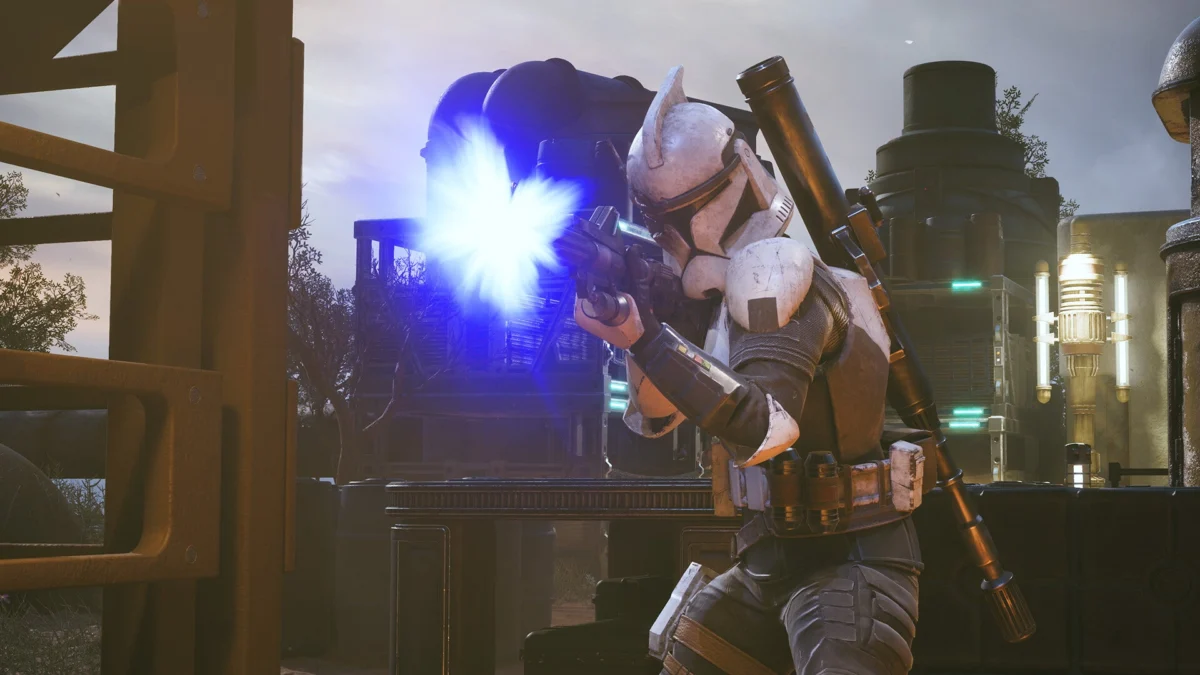
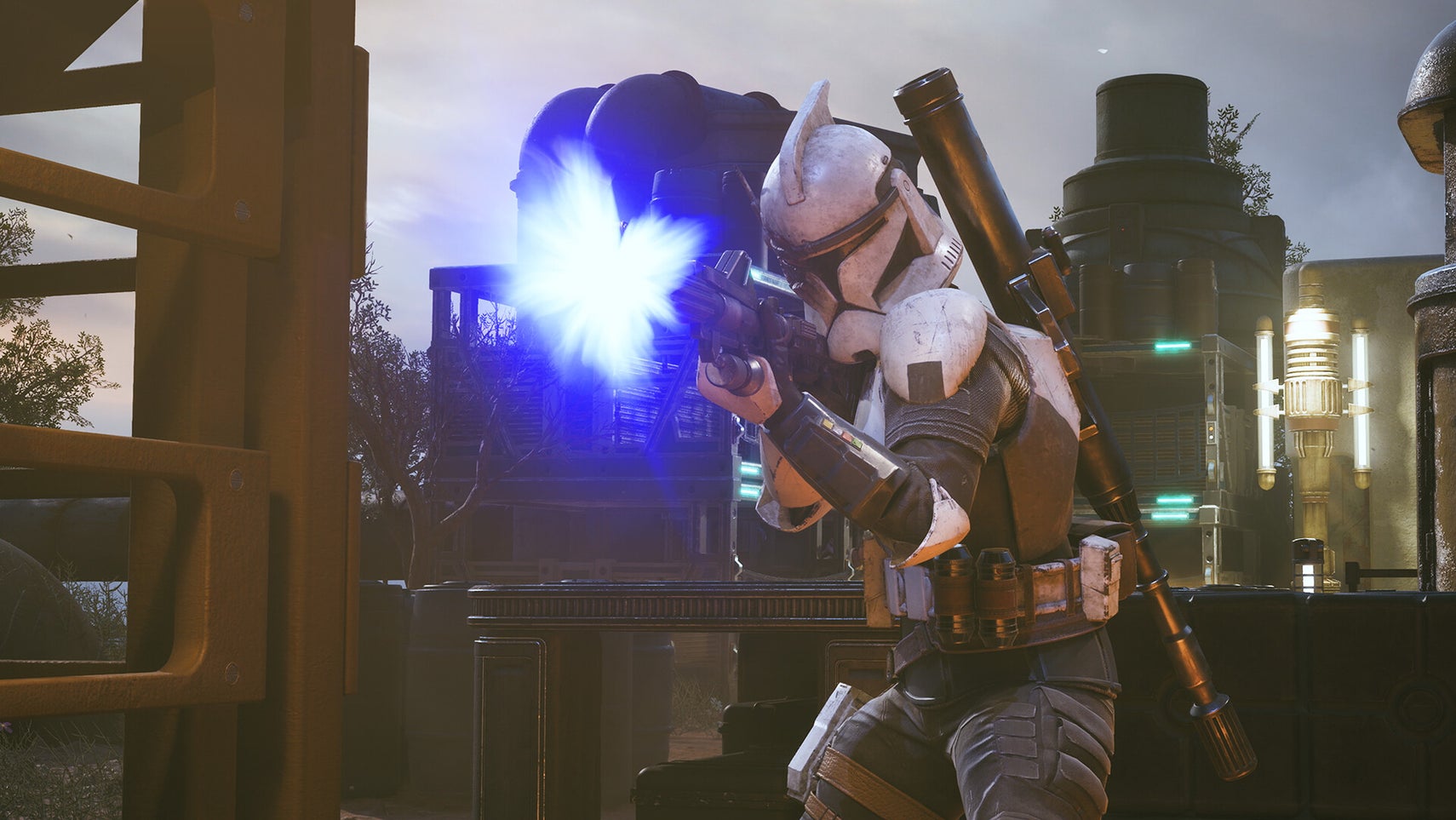
Despite the internal turmoil, the game launched on August 27 to generally positive reception. The title, which was praised for its strategic depth and effective utilization of the Star Wars intellectual property, found a receptive audience. By the end of September, reports indicated that the game had surpassed one million units sold, a figure that typically signifies a significant commercial win for a studio of Bit Reactor’s size.
Following this sales milestone, CEO Greg Foertsch issued a statement on October 7 via the social platform Bluesky, expressing optimism regarding the studio’s recovery. Foertsch confirmed that the company had begun the process of recalling furloughed staff, citing that the decision to pause operations before launch was a "necessary" step to ensure the long-term survival of the team. However, the subsequent layoffs in November suggest that this recovery phase was either insufficient or that the financial runway provided by the game’s initial sales was shorter than projected.
The Human Cost and Professional Impact
The human toll of the restructuring has been highlighted by several prominent departures. Senior environment artist Ryan Lopez, who played a pivotal role in the game’s development from its earliest pre-production phases through to its final release, was among those let go. His departure followed a three-month period of being on furlough, illustrating the prolonged uncertainty that many employees have faced throughout the latter half of the year.
Other notable staff affected by the layoffs include UI engineer Tyler Eichten, who was instrumental in designing the tactical mission interface, and various members of the quality assurance team. These departures represent a loss of institutional knowledge that could prove difficult for the studio to replace should it look to develop future content or patches for the game.
The public reaction from the developers has been characterized by a blend of professional pride and evident frustration. In his statement regarding the layoff, Lopez noted, "While it stings, I’m really proud of what we built together." This sentiment reflects a broader trend in the video game industry, where developers often express a deep attachment to their creative output even as they face institutional instability.
Industry Context and Economic Implications
The situation at Bit Reactor is not an isolated incident but rather symptomatic of a broader trend within the gaming sector. Throughout 2023 and 2024, the industry has seen a massive wave of consolidation and workforce reductions, affecting both AAA conglomerates and smaller independent studios. Rising development costs, extended production cycles, and the pressure to maintain profitability in a highly competitive market have left many studios with little room for error.
For Bit Reactor, the primary issue appears to be a misalignment between project costs and the initial funding structure. Developing a high-fidelity title based on a major licensed property like Star Wars requires significant capital, often involving external publishers or venture funding. When such projects face delays or budget overruns, the developer is often left to bear the brunt of the financial shortfall.
The fact that the studio was forced to furlough staff shortly before launch, and then reduce headcount again after a successful million-unit sales performance, raises questions about the profitability margins of modern tactical strategy games. While one million copies sold is a success by many metrics, the revenue generated from these sales must cover the costs of development, marketing, platform fees, and potential royalties for the Star Wars license. If the initial budget was predicated on a specific sales velocity that was not achieved, or if the studio was undercapitalized from the start, the current layoffs may be a reactionary measure to prevent total insolvency.
Market Performance and Critical Reception
Eurogamer’s review of Star Wars: Zero Company awarded the game a four-out-of-five-star rating, characterizing it as a "heartfelt, smart and slightly ramshackle turn-based tactics gem." This critical success is a vital component of the studio’s narrative, as it demonstrates that the quality of the work produced by the team was not the cause of their current difficulties.

In many cases, high-quality games fail to secure long-term stability for their developers due to the "feast or famine" nature of the industry. Without a recurring revenue model or a massive, long-term publishing contract, even a "hit" game can leave a developer in a precarious position once the initial launch window concludes. The reliance on individual product launches makes studios like Bit Reactor uniquely vulnerable to market fluctuations.
Looking Ahead: The Future of the Studio
As of this writing, Bit Reactor has not provided an updated roadmap for future support of Star Wars: Zero Company. The loss of key UI and environment staff raises concerns among the player base regarding the potential for post-launch updates, expansions, or technical support.
For the broader industry, the Bit Reactor situation serves as a cautionary tale regarding the sustainability of mid-sized development models. The move from full-time employment to furlough, followed by a partial return and a subsequent round of layoffs, has damaged the company’s internal morale and professional reputation. Whether the studio can stabilize its operations and move into a new development cycle remains to be seen.
In the immediate future, the focus remains on the displaced staff. The industry is currently witnessing a high level of talent mobility, and the professionals departing Bit Reactor bring with them the pedigree of having shipped a successful, well-reviewed title in a difficult, high-pressure environment. However, the recurring nature of these layoffs across the industry continues to place significant stress on the labor market, making it increasingly difficult for developers to find long-term security.
Ultimately, the Bit Reactor story highlights the friction between the creative achievements of development teams and the cold mathematics of modern game publishing. While the studio has successfully delivered a product that resonates with fans, the economic framework surrounding that product has failed to protect the livelihoods of the very people who built it. As the industry continues to evolve, the demand for more sustainable financial models that protect human capital during the gap between major releases will likely become a central point of discussion among labor advocates and studio leadership alike.