
Panasonic has rolled out a comprehensive package of firmware updates targeting several core models within its prominent Lumix digital camera lineup, addressing critical performance requests from the professional and content-creating communities. The latest software distributions, deployed across the Lumix S1II, S1RII, S1IIE, and the compact S9, focus primarily on videography enhancements, external flash latency mitigations, and companion application integration. However, the release has also reignited discussions among users regarding missing features, particularly the absence of advanced autofocus algorithms on smaller-form-factor devices.
The continuous firmware rollout underscores Panasonic’s ongoing strategy of maintaining product competitiveness long after initial commercial release cycles. While industry analysts generally praise the manufacturer for its high level of post-purchase software support—often contrasting it favorably with legacy competitors—gaps in feature parity across different tiers of hardware continue to draw scrutiny from active users and digital creators.

Core Enhancements in the Lumix S9 Firmware Version 2.1
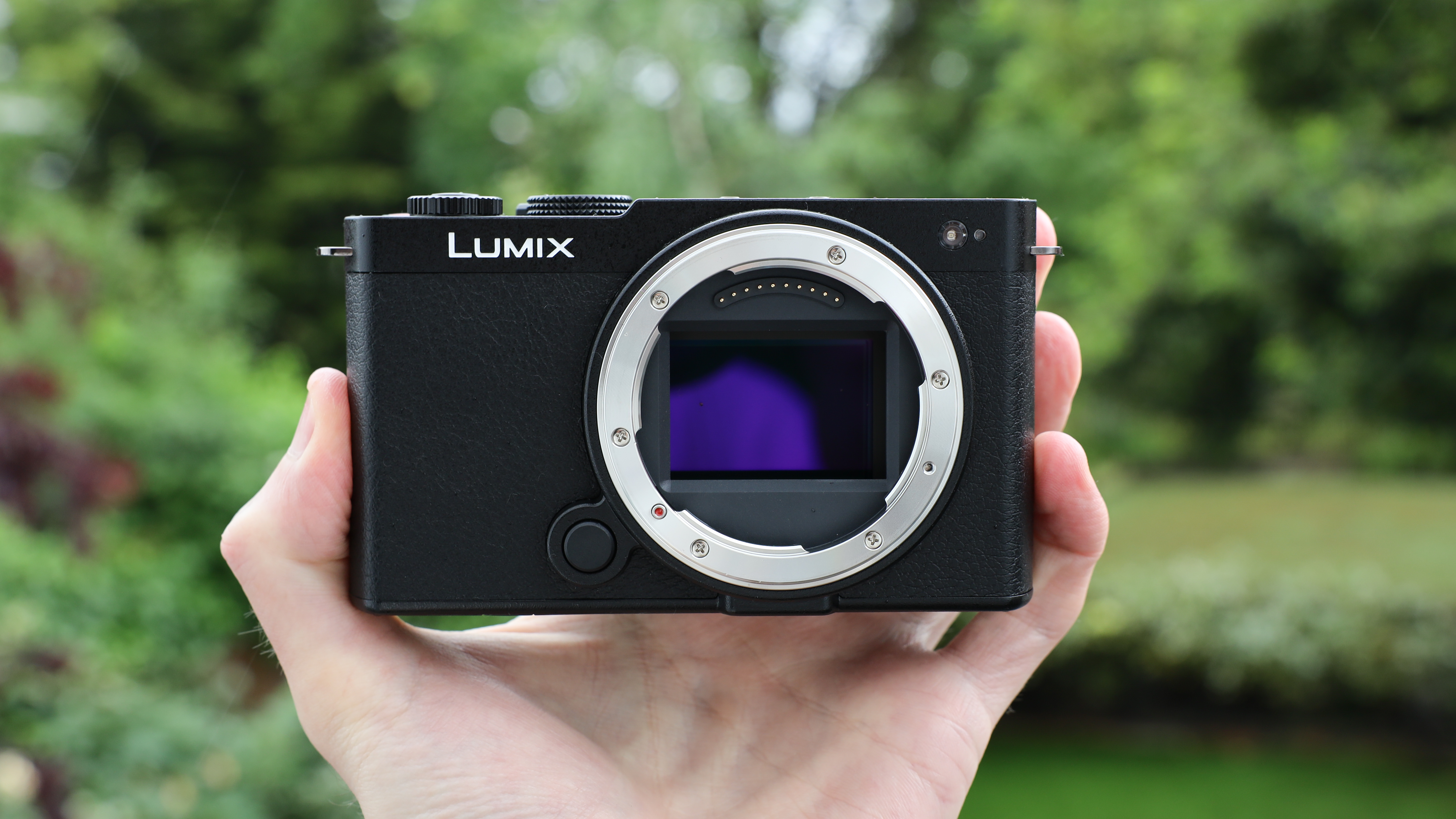
The compact and lightweight Panasonic Lumix S9, aimed heavily at social media creators and mobile-first videographers, receives a notable operational upgrade under version 2.1. The update introduces expanded shooting modes tailored specifically to the MP4 (Lite) codec format. This compression format has gained substantial traction among digital creators seeking manageable file sizes without sacrificing the essential dynamic range required for quick turnaround editing workflows.
In addition to codec optimizations, the S9 firmware update establishes official compatibility with the newly updated Lumix Flow application. This integration streamlines wireless asset transfer, remote camera operation, and metadata management. Furthermore, Panasonic has expanded the customization parameters for lens control rings and assignable function buttons, allowing videographers to map frequently used settings directly to manual glass without navigating deep on-screen menus.
Despite these additions, user feedback highlights a persistent omission. The specialized Urban Sports autofocus algorithm—which debuted in May 2025 to critical acclaim for its ability to track rapid, erratic motion—remains absent from the S9 system architecture. Photographers utilizing the S9 for fast-paced action disciplines, such as skateboarding and street sports, have expressed disappointment that the compact body has yet to inherit the sophisticated tracking capabilities found in higher-tier bodies. Industry observers note that while hardware limitations occasionally dictate software deployment, the omission of advanced tracking modes on newer models creates a fractured user experience within a unified ecosystem.

Addressing Professional Flash Latency in the Lumix S1II Series
For professional photographers and hybrid shooters operating within the Lumix S1II, S1RII, and S1IIE ecosystem, the latest firmware targets a critical operational bottleneck. Working professionals utilizing these full-frame bodies for commercial assignments, weddings, and studio portraiture frequently rely on complex off-camera lighting setups governed by TTL (Through-The-Lens) metering.
Prior to this update, certain users reported noticeable latency issues during high-speed burst shooting when paired with specific external flash units. In high-stakes commercial environments where precise timing dictates frame capture success, even millisecond delays in shutter release responsiveness can result in missed moments.
The newly released firmware explicitly targets this vulnerability by optimizing internal data processing pathways between the camera body and external flash transceivers. According to official release documentation from Panasonic, the update improves overall shutter release responsiveness and stabilizes burst shooting performance during continuous strobe activation. Additionally, the update implements general system stability enhancements designed to mitigate unexpected software halts during prolonged tethered or high-data-rate shooting sessions.
Ecosystem Integration via Lumix Lab Version 3.1.1
Complementing the camera-specific firmware upgrades, Panasonic has simultaneously released version 3.1.1 of the Lumix Lab software ecosystem. This companion platform serves as a central hub for color grading, Lookup Table (LUT) management, and quick-edit exports.
Historically, navigating the vast libraries of user-generated and creator-curated LUTs within mobile and desktop environments proved cumbersome, often requiring manual searching and individual downloads. The updated version 3.1.1 introduces advanced filtering tools and batch-download capabilities, allowing creators to import entire style collections simultaneously. This improvement directly supports the S9’s color-profile-centric marketing strategy, making it significantly easier for users to apply, modify, and share custom cinematic looks on the fly.
Industry Implications and Market Position
Panasonic’s ongoing commitment to firmware-driven feature expansion highlights a broader industry shift. Modern digital cameras are increasingly treated as computational platforms rather than static hardware tools. By continuously refining autofocus behavior, expanding codec support, and improving third-party accessory compatibility via software, manufacturers aim to extend product lifecycles and build brand loyalty.

However, the selective distribution of high-performance features—such as advanced sports autofocus algorithms—illustrates the ongoing challenge manufacturers face when balancing product differentiation with consumer expectations. While high-end flagship bodies justify their price points through exclusive hardware and processing power, consumer-grade models often bear the brunt of feature rationing, leading to vocal community feedback.
As digital content creation demands higher efficiency and faster deployment times, manufacturers will likely face increasing pressure to unify their firmware architectures across entire lineups. For Panasonic, the current update successfully resolves pressing professional flash issues and enhances creator workflows, yet it also serves as a reminder that consumer expectations for feature parity remain exceptionally high in a competitive mirrorless market.