The debate surrounding the impact of telephoto lenses on photographic technique has long been a point of discussion among both professional and amateur photographers. While these powerful tools offer unparalleled reach and the ability to isolate subjects from a distance, some seasoned professionals argue that their very convenience can inadvertently lead to a decline in creative exploration and a reliance on technical proficiency over artistic vision. This perspective is articulated by Sebastian Oakley, a photographer with extensive experience in sports and equestrian journalism, who contends that telephoto lenses, despite their undeniable utility, can foster a sense of complacency that hinders photographic growth.
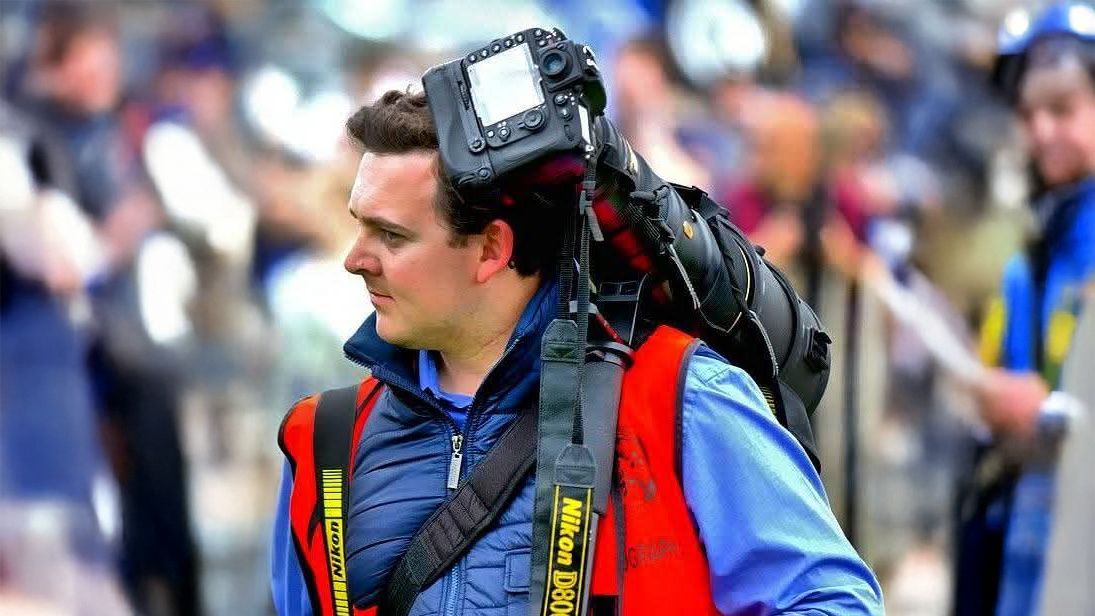
Oakley’s reflections stem from his own career, where he utilized high-end telephoto lenses such as a 600mm f/4 and a 200mm f/2. He readily acknowledges the exceptional optical quality of these lenses, noting their speed, sharpness, and their capacity to produce images with remarkable clarity and subject separation, qualities often unattainable with less sophisticated equipment. In the high-stakes environment of professional sports photography, where delivering specific shots under tight deadlines is paramount, these lenses proved indispensable. They provided the necessary reach to capture action from afar, ensuring crucial moments were documented reliably.
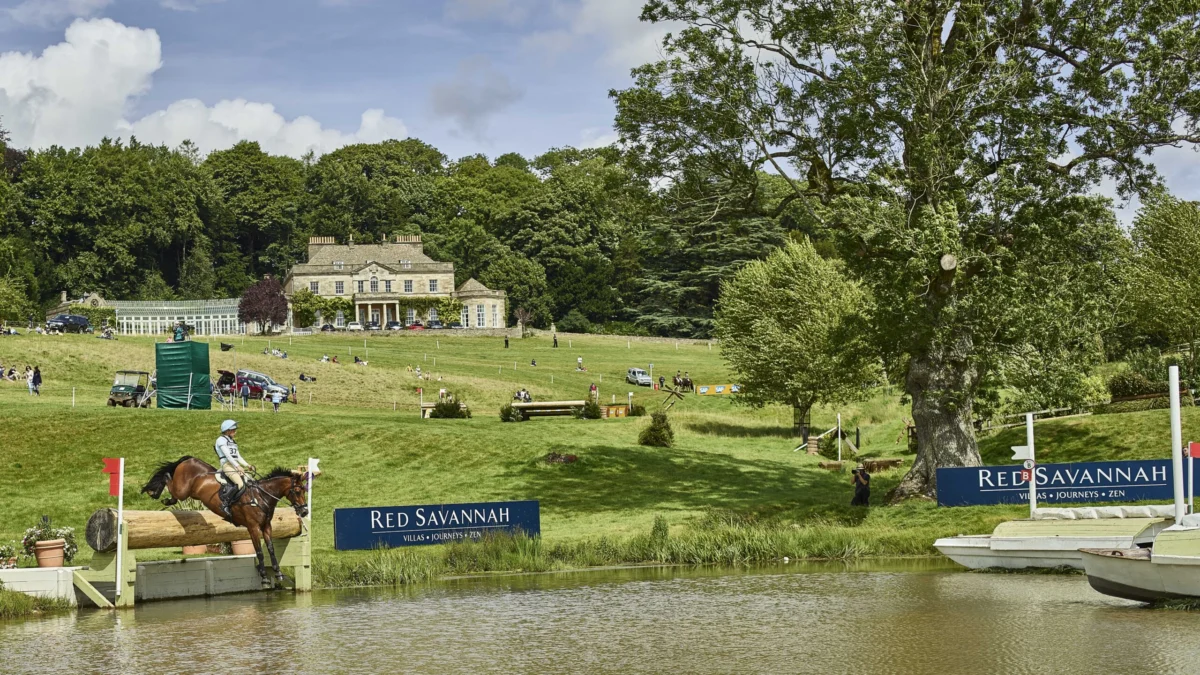
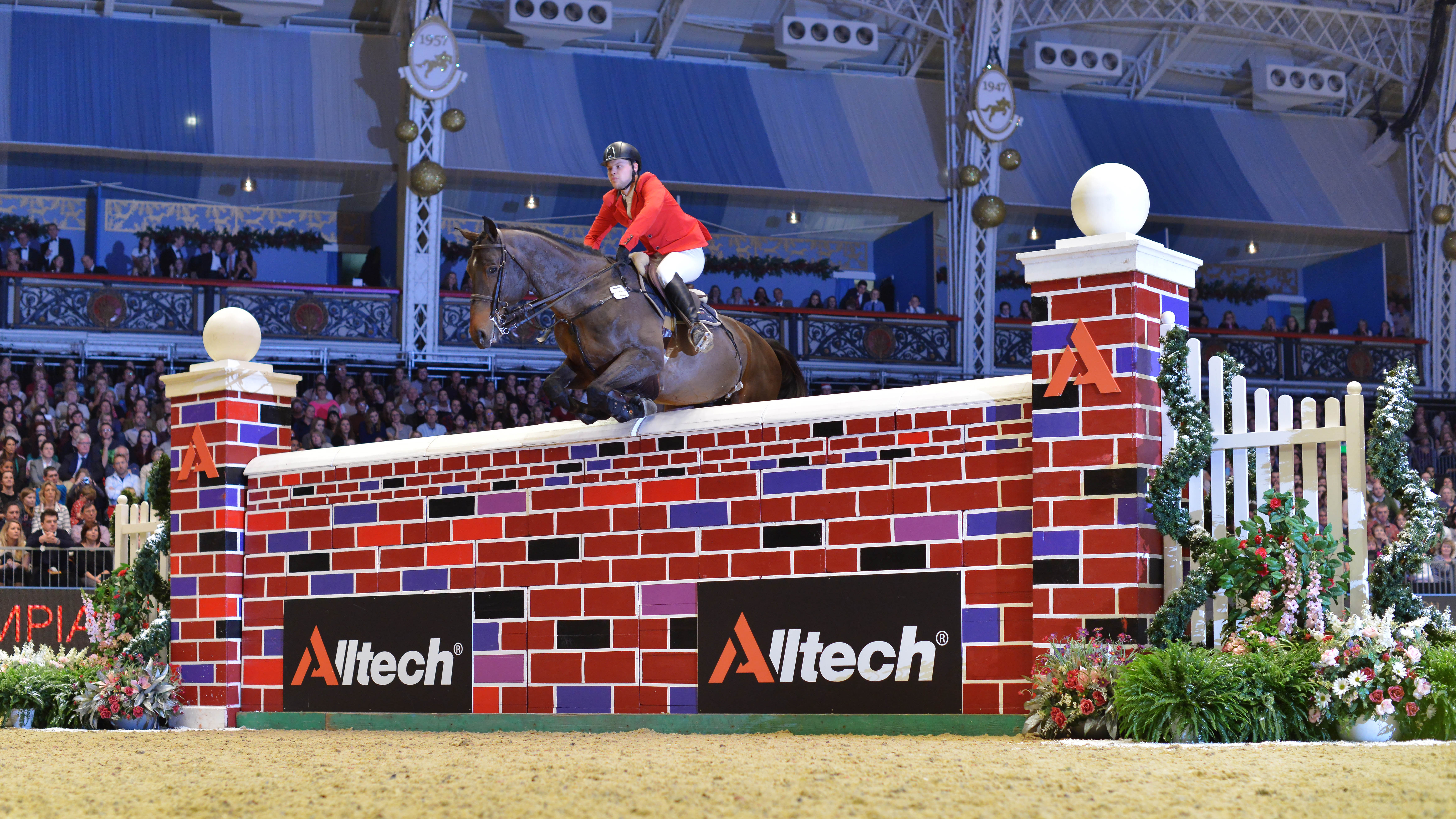
However, Oakley posits a nuanced critique: "What those lenses offered in optical quality, I sometimes felt they took away from my imagination." This sentiment encapsulates the core of his argument. The ability of a 600mm lens, for instance, to bring distant action into sharp focus from a single vantage point can, paradoxically, reduce the photographer’s incentive to explore the environment. Oakley recounts how, during show jumping competitions, he could capture riders across multiple fences from one static position. While this offered efficiency and a higher probability of securing a desired shot, it also diminished the need to physically reposition, scout for better backgrounds, or consider how changing light might influence the composition from different angles.
The Allure of Reach vs. the Necessity of Movement
The professional demand for consistent, high-quality images often prioritizes reliability over elaborate artistic choices. Clients, Oakley explains, are primarily concerned with the final photograph, not necessarily the photographer’s physical exertion or creative process. Long telephoto lenses offer a distinct advantage in this regard, providing the reach and consistency needed to cover extensive action without constant relocation. This capability can be a significant asset when faced with the pressure of delivering images for publication or commercial use.
Yet, this ease of access can become a creative crutch. Oakley observes that when the lens itself solves the problem of distance, it can also remove the very challenges that typically stimulate creative problem-solving. He contrasts this with his earlier career experiences, when working with more versatile lenses like a 70-200mm f/2.8 or a standard 50mm f/1.8. These lenses necessitated a more proactive approach. Photographers were compelled to anticipate the flow of action, strategically choose which elements of the event might yield the most compelling imagery, and physically position themselves for optimal impact. These limitations, while demanding, fostered a keener observational ability and a more comprehensive understanding of the scene.
Broadening the Frame: Beyond Subject Isolation
When using shorter lenses, Oakley found himself compelled to incorporate the surrounding environment into his photographs. This involved looking for opportunities to capture riders amidst the crowd, framing horses against the architectural backdrop of a venue, or employing foreground elements to add depth and context. The focus shifted from merely isolating the subject to telling a more complete story of the event. This approach, he argues, is what telephoto lenses can inadvertently discourage.
The notion that "getting closer"—or rather, magnifying the subject from afar—equates to a superior photograph is a misconception that telephoto lenses can perpetuate. While a tightly framed image of an athlete clearing a hurdle might be technically flawless, technical perfection does not inherently guarantee narrative interest or artistic distinction. In scenarios where numerous photographers are positioned similarly, armed with comparable long lenses, the resulting images often become variations on a theme, lacking unique perspectives.
The photographs that truly resonate, Oakley suggests, are frequently those captured by photographers willing to embrace movement, experiment with unconventional viewpoints, and sometimes forgo the "safe" shot in pursuit of something more profound and original.
Re-evaluating the Tools of the Trade
This critique is not intended as an outright condemnation of telephoto lenses. Oakley himself expresses deep admiration for the lenses he has used, acknowledging their crucial role in his professional development and their effectiveness in specific photographic situations. The 600mm f/4 and 200mm f/2 were professional instruments that enabled him to meet demanding client expectations. However, he emphasizes the importance of photographers recognizing when a tool might begin to dictate their creative process rather than serving it.
A long lens can easily become a comfortable default setting. Photographers might settle into a convenient position, equip their longest lens, and passively await the action. While the resulting images may be technically sound and commercially viable, the underlying process can become predictable. This reliance on reach can lead to a cessation of exploration, as the lens allows the photographer to remain stationary and disengaged from the surrounding environment.
Oakley advocates for a broader understanding of photography, one that extends beyond simply pointing expensive glass at distant subjects. He proposes that photographers occasionally set aside their telephoto lenses and embrace the limitations of shorter focal lengths, such as a 50mm lens. This approach necessitates physical proximity to the subject and may involve the risk of missing certain shots. However, it forces a more deliberate engagement with elements like backgrounds, lighting, composition, and timing, rather than a passive reliance on magnification to overcome challenges.
The Pursuit of the Unique Perspective
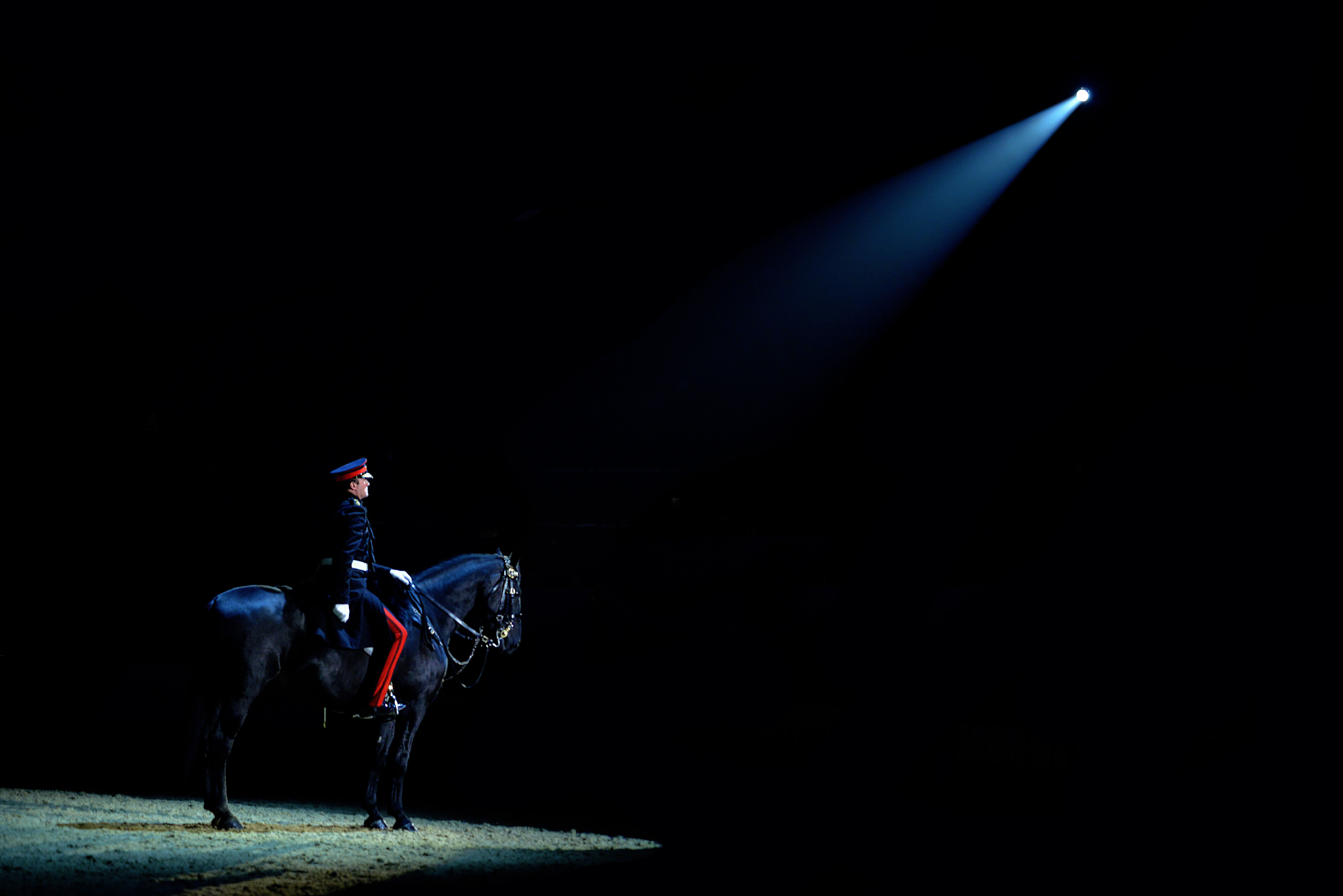
While this shift in approach might mean fewer "safe" opportunities for a predictable shot, it can lead to the creation of images that possess a singular vision, a perspective that others might have overlooked. Telephoto lenses are undeniably powerful tools, but they should not be seen as a substitute for an active exploration of the scene, a curious mindset, or a vibrant imagination. The moment a lens transforms photography into an overly comfortable or effortless endeavor, Oakley suggests, it might be time to consider removing it from the camera and engaging with the photographic world more directly.
Background and Context
Sebastian Oakley’s insights are particularly relevant within the context of an increasingly accessible photography market. The proliferation of advanced digital cameras and sophisticated lens technology has empowered a wider range of individuals to engage with photography. While this democratization of the medium is largely positive, it also underscores the importance of technical proficiency being balanced with artistic intent.
Historically, professional photographers relied on a more limited range of equipment, often necessitating a greater degree of physical engagement and creative problem-solving. The advent of powerful zoom lenses and ultra-telephoto prime lenses has undoubtedly expanded creative possibilities, but as Oakley points out, it has also introduced the potential for creative shortcuts.
Supporting Data and Industry Trends
Industry data from lens manufacturers and market research firms consistently shows a strong demand for telephoto lenses, particularly among wildlife, sports, and landscape photographers. For instance, reports from companies like Canon, Nikon, and Sony highlight the significant sales volume of their professional-grade telephoto and super-telephoto lenses, indicating their widespread adoption and perceived value.
Furthermore, photographic education platforms and workshops often feature modules dedicated to mastering telephoto techniques. These often focus on aspects such as achieving sharp focus on fast-moving subjects, controlling depth of field for subject isolation, and understanding the principles of compression. While valuable, these curricula can sometimes emphasize the technical mastery of the tool rather than its potential to influence creative decision-making.
Broader Impact and Implications
Oakley’s perspective raises pertinent questions about the future of photographic storytelling. In an era saturated with imagery, the ability to capture a unique and compelling narrative is paramount. If a significant portion of photographic output relies on similar techniques and perspectives enabled by telephoto lenses, the visual landscape risks becoming homogenous.
The implications extend beyond individual photographers to the broader visual culture. The way we consume and interpret images is shaped by the narratives they convey. When these narratives are consistently presented through a narrow lens of subject isolation, our understanding of the world might be similarly confined.
Oakley’s advice encourages a mindful approach to gear selection, suggesting that photographers should not be beholden to their equipment. Instead, they should leverage their tools to enhance their vision, rather than allowing their vision to be constrained by their tools. This philosophy champions the idea that true photographic artistry lies not just in the ability to capture a subject, but in the ability to interpret and present it in a way that resonates with viewers on a deeper level. The challenge, as Oakley articulates, is to ensure that the pursuit of technical excellence does not overshadow the fundamental human element of creativity and imagination.