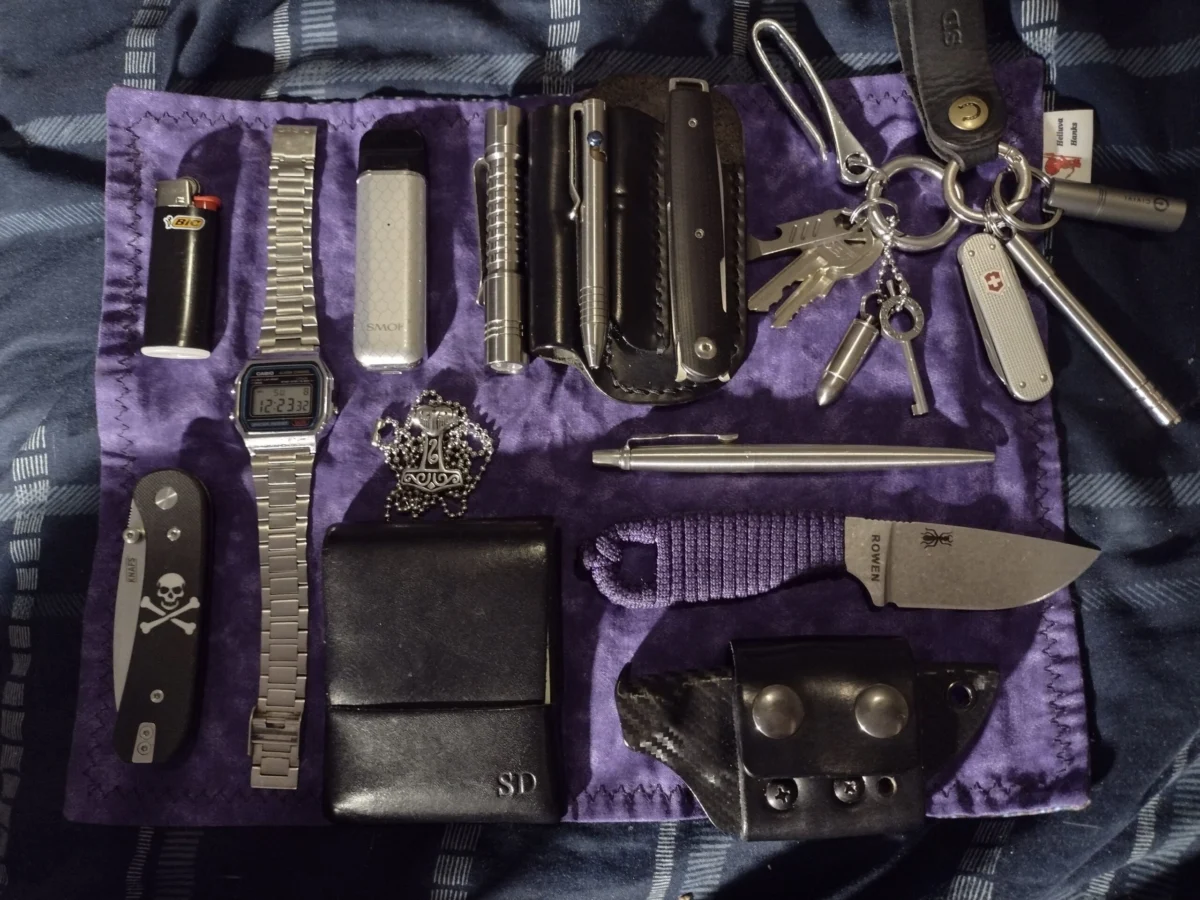







The practice of Everyday Carry (EDC)—the selection and optimization of essential items carried on one’s person daily—has evolved from a niche hobby into a deliberate methodology for professionals in high-stakes environments. Ruben, an Aeronautical Automation Operator based in Portugal, exemplifies this shift by curating a kit that prioritizes minimalist design, mechanical reliability, and functional versatility. In the demanding world of aeronautical automation, where technical precision is paramount, the gear selected for daily use often mirrors the exacting standards of the workplace. This analysis explores the components of Ruben’s kit, the engineering behind his latest acquisitions, and the broader implications of how modern professionals calibrate their personal equipment for maximum operational efficiency.
The Evolution of Professional Toolkits
In the context of industrial and aeronautical operations, an "Everyday Carry" kit is rarely about aesthetic preference alone. For professionals like Ruben, the gear is a force multiplier, designed to bridge the gap between unexpected minor mechanical failures and the need for immediate, on-site solutions. The current trend in EDC among technical workers involves a move toward "high-value minimalism"—a philosophy that favors fewer, higher-quality items that serve multiple functions, thereby reducing the "pocket footprint" and cognitive load required to manage personal belongings.
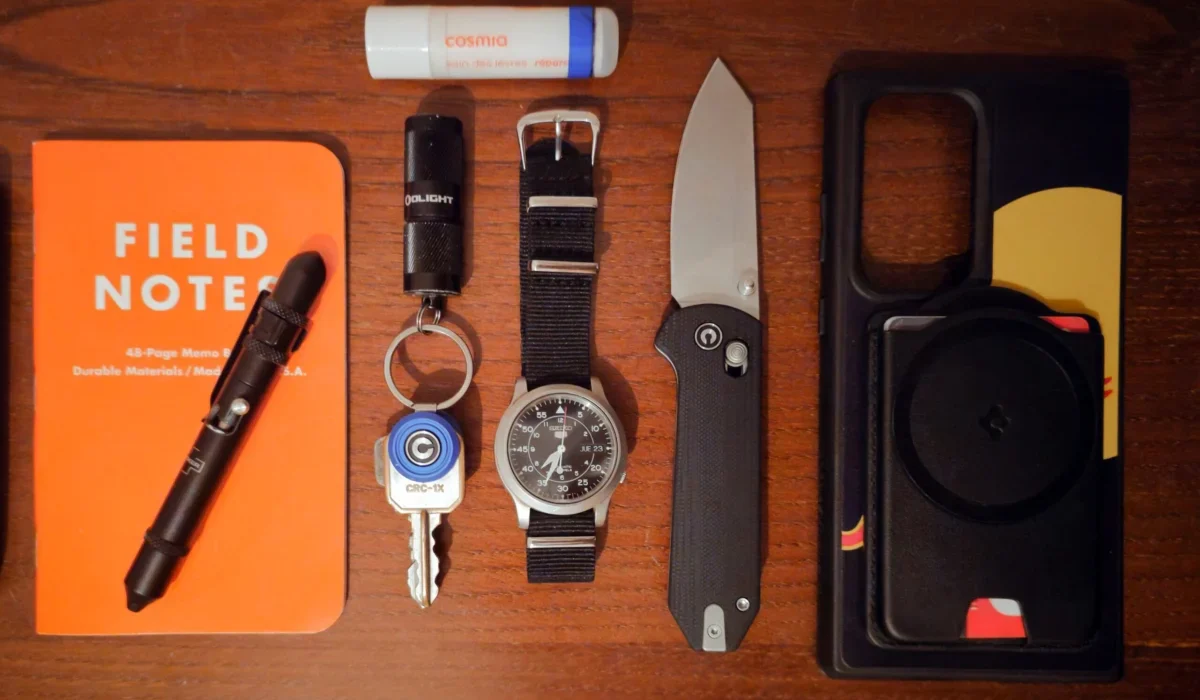
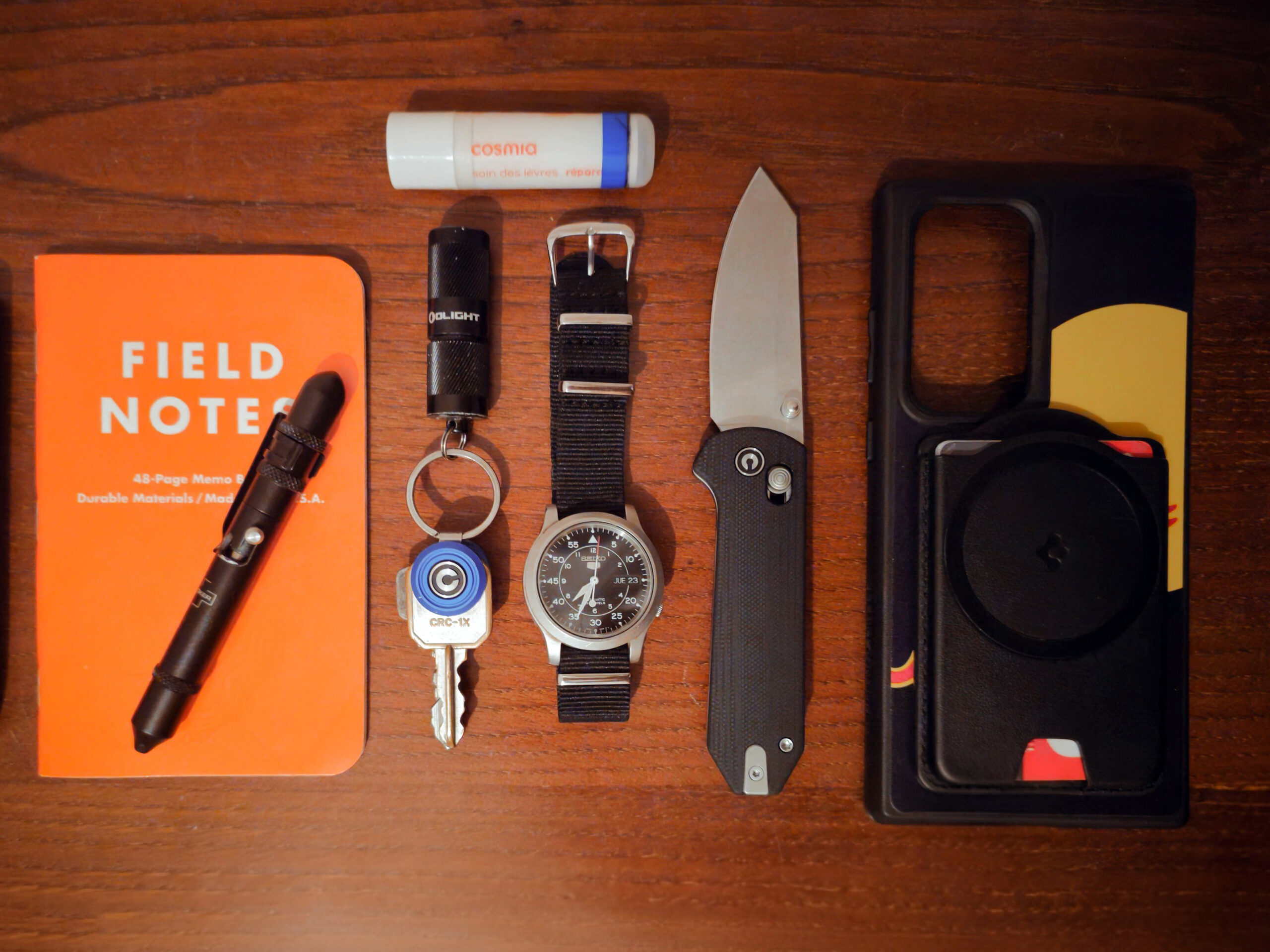
Ruben’s current setup demonstrates a shift toward integrated systems. By utilizing a magnetic wallet system attached directly to his mobile device, he eliminates the bulk of a traditional leather billfold. Similarly, his reliance on ultra-compact key organizers and tactical writing instruments—specifically a mini bolt-action pen—reflects a departure from legacy carry habits in favor of modern, ergonomic tools that do not interfere with the physical requirements of a technician’s job.
Chronology of Equipment Integration
The recent integration of the CIVIVI Yonder and Field Notes pocket notebooks into Ruben’s rotation highlights a strategic update to his hardware.
- Mid-2024: The industry sees a significant shift in folding knife design as Zac Whitmore’s collaborative efforts with major manufacturers begin to prioritize crossbar-locking mechanisms, which offer superior ambidexterity and safety.
- Late 2024: The CIVIVI Yonder is recognized at the Blade Show 2024, winning the "Best Buy of the Year" award. This accolade marks a turning point for the knife, moving it from an entry-level budget option to a standard-bearer for value-driven engineering.
- September 2025: Ruben formally adds the CIVIVI Yonder and his first Field Notes notebook to his daily kit. This acquisition cycle reflects a broader trend of professionals seeking tools that balance cost-effectiveness with high-tier performance metrics.
Technical Analysis of the CIVIVI Yonder
The inclusion of the CIVIVI Yonder in an aeronautical technician’s kit is noteworthy due to its specific engineering profile. Designed by Zac Whitmore, the knife utilizes a crossbar lock, a mechanism favored by professionals for its structural integrity and ease of one-handed operation.
From a mechanical standpoint, the crossbar lock provides a distinct advantage in environments where fine motor control is required. Unlike traditional liner locks, which can be prone to failure under specific stress conditions, the crossbar lock is inherently more stable. For a professional working in aeronautical automation—a field where maintenance of complex systems is the standard—a tool that offers rapid deployment and secure locking is an essential asset. Its recognition at Blade Show 2024 underscores that current market standards are increasingly rewarding manufacturers who prioritize ergonomics and safety features over purely ornamental design.
The Role of Analog Tools in a Digital Environment
Despite the highly automated nature of his profession, Ruben’s inclusion of a Field Notes notebook suggests that analog information management remains critical. In fields involving technical automation, data is typically managed via complex software interfaces; however, the ability to record quick observations, error codes, or spontaneous schematic notes on paper provides a fail-safe that digital devices cannot replicate.
The psychology of "analog redundancy" is a well-documented phenomenon among engineers and technical operators. By carrying a physical notebook, the professional ensures that critical information is accessible even in the event of power failures, system synchronization errors, or hardware malfunctions. This behavior indicates a sophisticated approach to risk management, where the professional assumes that technology is only as reliable as its backup.
Comparative Gear Rotation and Professional Aesthetics
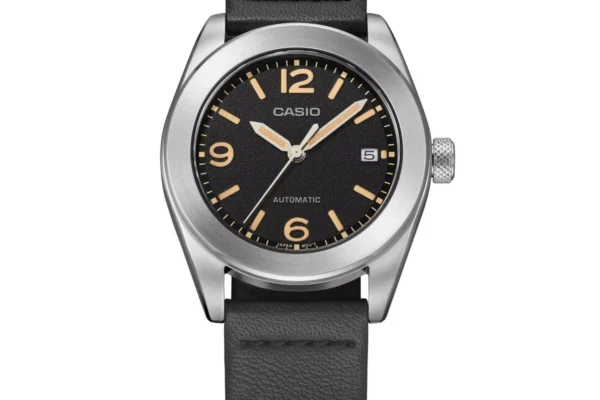
Ruben maintains a secondary rotation for non-professional settings, specifically noting a preference for the Kizer Feist knife and a Casio Edifice watch with a "Tiffany" dial. This practice of rotating gear based on context—"on the job" versus "off the job"—is a hallmark of disciplined EDC enthusiasts.
The Kizer Feist, often noted for its front-flipper deployment and sleek, low-profile design, offers a more "dressy" aesthetic than the robust Yonder. Similarly, the Casio Edifice series is widely respected in the horological community for providing a high level of craftsmanship and water resistance at a price point that makes it accessible, yet durable enough for daily use. By distinguishing between professional-grade utility and lifestyle-oriented aesthetics, Ruben effectively segments his life into distinct operational modes, a common strategy for maintaining professional boundaries and personal style.
Broader Implications of Modern EDC
The growth of the EDC industry is supported by data indicating a global shift toward consumer interest in product longevity and modularity. Market analysis suggests that consumers are increasingly looking for "buy-it-for-life" (BIFL) items, or at the very least, items that offer high reliability. The success of manufacturers like CIVIVI, Kizer, and Casio is rooted in their ability to provide high-quality materials—such as premium blade steels and sapphire crystals—at price points that do not require an industrial-grade budget.
This professionalization of daily carry has significant implications for how we view individual preparedness. By curating a kit that is lightweight, durable, and highly functional, the modern professional is better equipped to handle the micro-emergencies of daily life, whether that involves opening shipping crates in a warehouse, performing emergency repairs on automation equipment, or keeping records of critical tasks.
Expert Perspective and Industry Feedback
Industry observers and editors of specialized gear publications often highlight that the most effective kits are those that are "tailored, not crowded." The trend toward minimalism is a direct response to the "over-carrying" trend of the early 2010s, where individuals often carried excessive, heavy, or redundant tools.
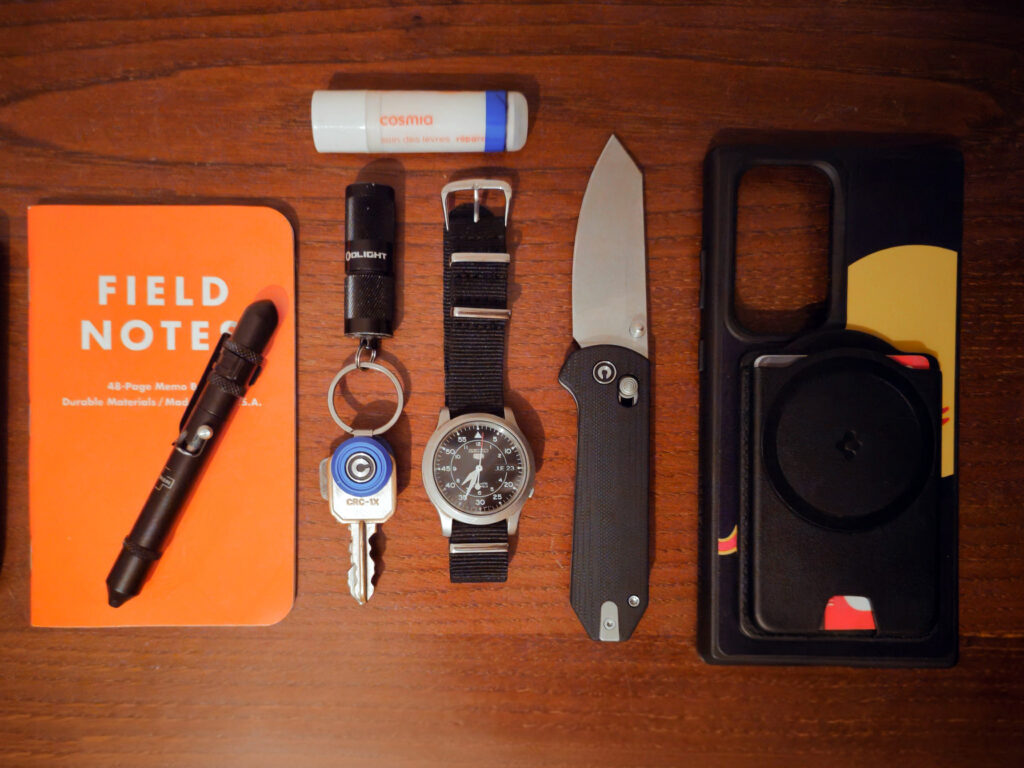
Ruben’s kit, which includes a magnetic wallet, compact key management, and essential pocket tools, is considered a "balanced" carry. It adheres to the principle of "utility-to-weight ratio," ensuring that every gram of gear carried provides a tangible return on investment. The feedback from the EDC community on such setups consistently reinforces the notion that the best kit is the one that is actually carried; if a tool is too heavy or cumbersome, it will inevitably be left behind, rendering it useless.
Future Trajectory of Personal Gear
As we look toward the remainder of the 2020s, it is likely that EDC gear will continue to integrate smart technology while simultaneously doubling down on the reliability of mechanical tools. We are already seeing the emergence of "hybrid" gear—keychains with integrated tracking technology, wallets with RFID blocking and modular storage, and knives with advanced composite handle materials.
For professionals in fields like aeronautical automation, the future of EDC will likely involve a closer alignment between their personal kits and their professional toolsets. As automation becomes more prevalent, the tools used to interface with that automation—both digital and physical—will need to become more refined, more compact, and increasingly reliable.
Conclusion: The Synthesis of Utility and Professionalism
Ruben’s approach to his daily carry is not merely a collection of items, but a calculated system of support for his professional life. By choosing tools like the CIVIVI Yonder and maintaining a disciplined rotation of gear, he minimizes the variables in his daily routine, allowing him to focus on the high-level tasks required of an Aeronautical Automation Operator.
This model of efficiency serves as a blueprint for other professionals. Whether one is in an office, a hangar, or a lab, the principle remains the same: identify the requirements of the environment, select the highest-value tools that meet those requirements, and maintain a system that is as reliable as the work itself. Through this deliberate process, the modern worker can achieve a level of preparedness that is both elegant in its simplicity and profound in its utility. As the professional landscape continues to demand higher levels of performance, the importance of these small, curated collections will only continue to grow, solidifying the role of Everyday Carry as a foundational element of the modern professional’s life.