






The current landscape of budget-friendly laptops is characterized by a shift toward more capable silicon. Manufacturers have increasingly moved away from entry-level processors in favor of chips that can handle demanding multitasking, light creative work, and, in some cases, entry-level gaming. This evolution is partly a response to the growing necessity for hardware that can manage local AI tasks, which now require a more robust baseline of RAM and processing power than was standard just two years ago.
Market Evolution and Recent Changes
The classification of "best" laptops within this price tier has shifted rapidly over the first half of 2025. According to recent performance metrics and laboratory testing conducted by industry analysts, the most significant change occurred in mid-June 2025, when the Apple MacBook Air 13-inch M4 ascended to the top of the "Best Overall" rankings. This shift highlights a strategic pricing adjustment by Apple, bringing a high-performance, M4-powered machine into the sub-$1,000 category, effectively pressuring Windows-based manufacturers to elevate their value propositions.
The following timeline details the strategic shifts in this segment for the 2025 calendar year:

- Q1 2025: Market focus remained on balancing thin-and-light form factors with the nascent demand for Neural Processing Units (NPUs) in Windows laptops.
- May 2025: Increased competition from Qualcomm-powered laptops forced Intel and AMD-based manufacturers to refine the thermal management of their budget offerings.
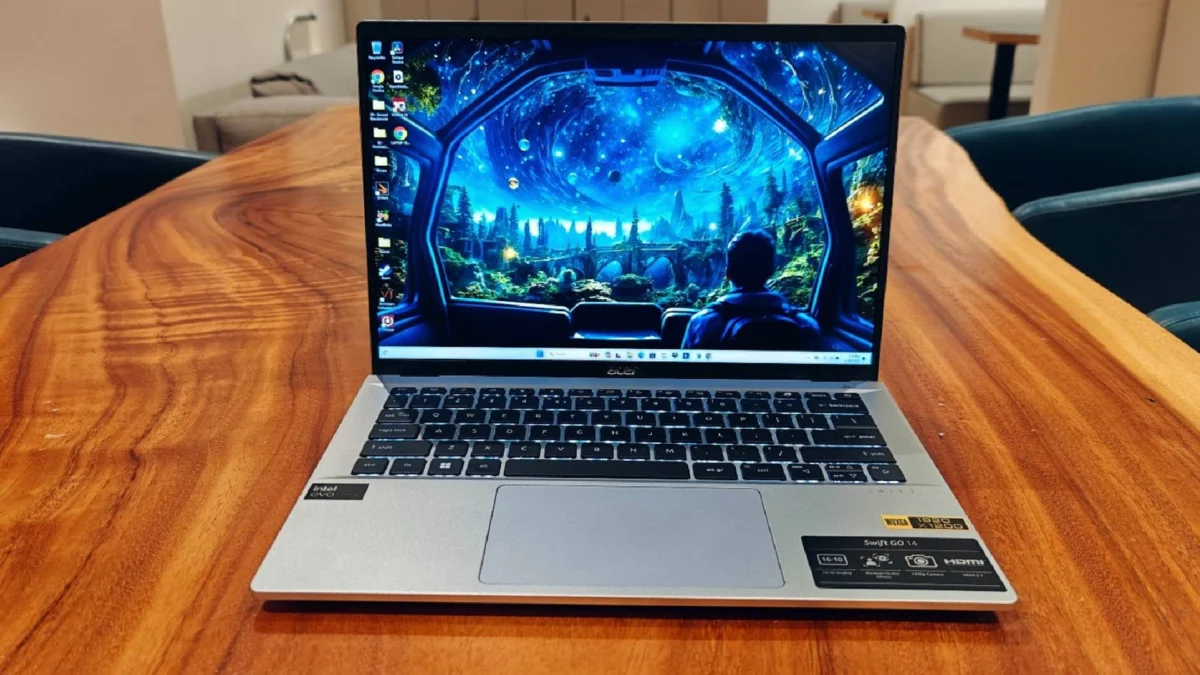
- June 16, 2025: A major realignment of recommendations occurred. The Acer Swift Go 14 was moved from the top overall spot to the premier "Best Windows" category, while the Apple MacBook Air 13-inch M4 was introduced as the new benchmark for overall value. Concurrently, the Samsung Galaxy Chromebook Plus was added to the rankings to address the high-end of the ChromeOS market, and the Acer Nitro 17 was identified as the primary solution for budget-conscious gamers.
Performance Benchmarks and Hardware Standards
The standard for what a sub-$1,000 laptop can achieve has been redefined by the introduction of newer architectures. In synthetic benchmark testing using Geekbench 6, the current generation of top-tier budget laptops is consistently yielding multi-core scores exceeding 12,000 points. This represents a substantial leap in productivity potential compared to the 2023–2024 period, where many budget models struggled to surpass the 8,000-point threshold.
For users prioritizing professional output, the inclusion of 16GB of RAM as a standard baseline for many of these models is a critical development. This memory capacity is now widely considered the minimum requirement for managing complex web-based workflows, particularly for users who maintain numerous active browser tabs and background applications.
Category Breakdown: Top Performers of 2025
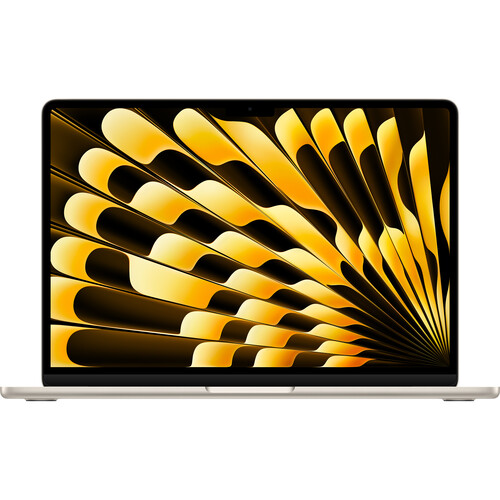
The Best Overall: Apple MacBook Air 13-inch M4
The decision to designate the M4 MacBook Air as the leading option is rooted in its balance of efficiency and power. Priced at $999, the device utilizes the M4 silicon, which provides a level of power efficiency that translates to over 15 hours of real-world battery life. The integration of the Liquid Retina display and a high-fidelity webcam places it ahead of most Windows competitors in this price bracket. Its primary limitation remains the hardware port selection—offering only two Thunderbolt 4 ports—which necessitates the use of external hubs for professional peripherals.
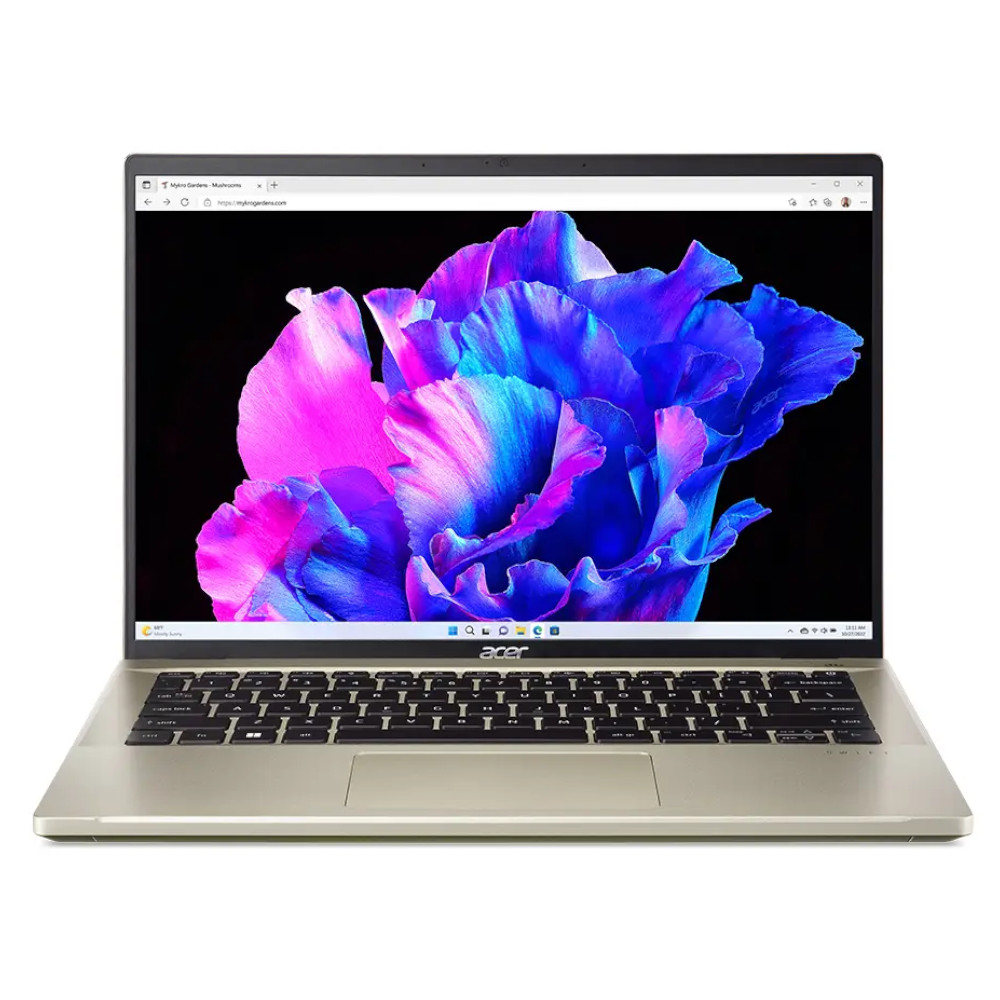
The Best Windows Alternative: Acer Swift Go 14
The Acer Swift Go 14 serves as the primary competitor to Apple’s offering, leveraging the Intel Core Ultra 7 155H processor. This machine represents the current state of Windows "AI PC" integration. The use of Intel’s Arc integrated graphics allows for significantly better performance in creative applications, such as 4K video editing, compared to previous-generation integrated solutions. The Swift Go 14 is particularly noted for its aluminum chassis, which provides a level of structural rigidity rarely seen at this price point.
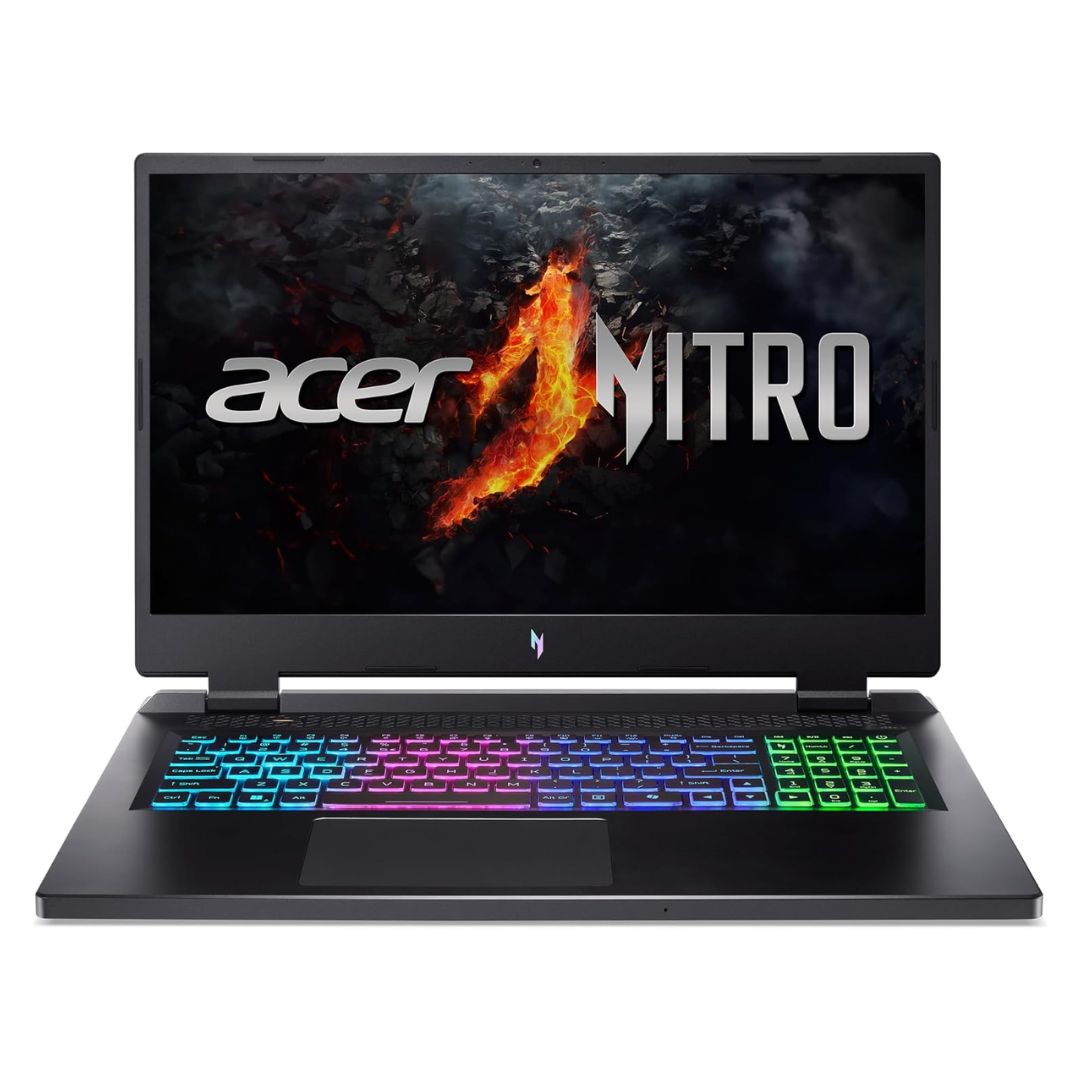
The Best Gaming Option: Acer Nitro 17
Gaming remains the most challenging category to populate within a $1,000 budget due to the high cost of dedicated Graphics Processing Units (GPUs). The Acer Nitro 17 addresses this by pairing an AMD Ryzen 7 8845HS processor with an Nvidia GeForce RTX 4060. While the build relies on plastic components to keep costs down, the inclusion of a 17.3-inch, 165Hz display offers an immersive experience that is difficult to replicate in smaller, more expensive portable machines. The trade-off is portability; weighing 6.8 pounds, this device is best suited for "desktop replacement" scenarios rather than frequent travel.
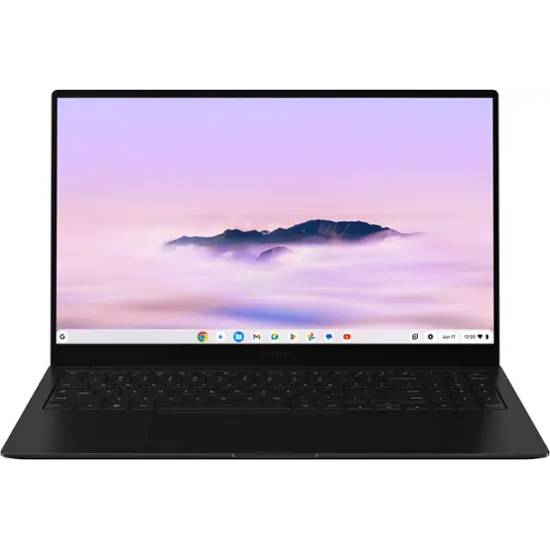
The Best Chromebook: Samsung Galaxy Chromebook Plus
The Chromebook market has historically been synonymous with low-cost, low-performance hardware. The Samsung Galaxy Chromebook Plus aims to change this perception by incorporating an AMOLED display and a more premium, ultra-thin chassis. It offers a unique value proposition for users who operate primarily within the Google ecosystem and require a device that is exceptionally light (2.5 pounds) while maintaining a large, 15.6-inch screen. Its battery life, which reached over 11 hours in testing, makes it a viable competitor for traditional Windows laptops for students and remote workers.
Implications for the Consumer Market
The current trend toward "premium features at lower price points" has significant implications for the broader laptop market. As manufacturers continue to pack more power into these machines, the "gap" between budget and professional-grade hardware is narrowing.
One primary consequence is the accelerated obsolescence of older "entry-level" hardware. Devices that were marketed as standard productivity machines just two years ago are now being outperformed by current budget offerings in every meaningful metric, including thermal efficiency, display color accuracy, and battery longevity. For the average consumer, this means that the $800 to $1,000 price point now offers a "sweet spot" of diminishing returns, where additional spending often results only in aesthetic or niche benefits rather than fundamental increases in capability.
Technical Evaluation Criteria
To maintain objective standards, the industry evaluates these devices through a rigorous testing protocol. This includes:
- Synthetic Benchmarking: Utilizing software like Geekbench and 3DMark to determine raw computational and graphical potential.
- Real-World Stress Testing: Measuring performance during tasks such as 4K video transcoding and large-file compression.
- Display Analysis: Using colorimeters to verify DCI-P3 color gamut coverage and nit-level brightness.
- Thermal Management: Recording peak surface temperatures under sustained load to ensure device longevity and user comfort.
- Battery Longevity: Standardizing tests by running continuous web-browsing scripts over Wi-Fi at a consistent 150 nits of brightness.
Future Outlook
As we look toward the remainder of 2025, the industry expectation is that the "AI-ready" designation will become a mandatory requirement for all laptops in this price tier. This will likely lead to further standardizations in NPU performance and RAM requirements. Furthermore, as manufacturers continue to refine their supply chains for the M4 and newer Intel/AMD architectures, it is probable that we will see these high-performance features trickle down even further into the sub-$700 market.
For the prospective buyer, the current market is one of the most advantageous in recent history. The convergence of efficient mobile silicon, high-resolution displays, and durable materials has ensured that the sub-$1,000 category is no longer a compromise, but a legitimate destination for professional, student, and enthusiast computing needs. Consumers are encouraged to verify specific regional pricing and ongoing sales, as these can often bridge the gap between mid-range and high-end configurations, providing even greater value for the investment.