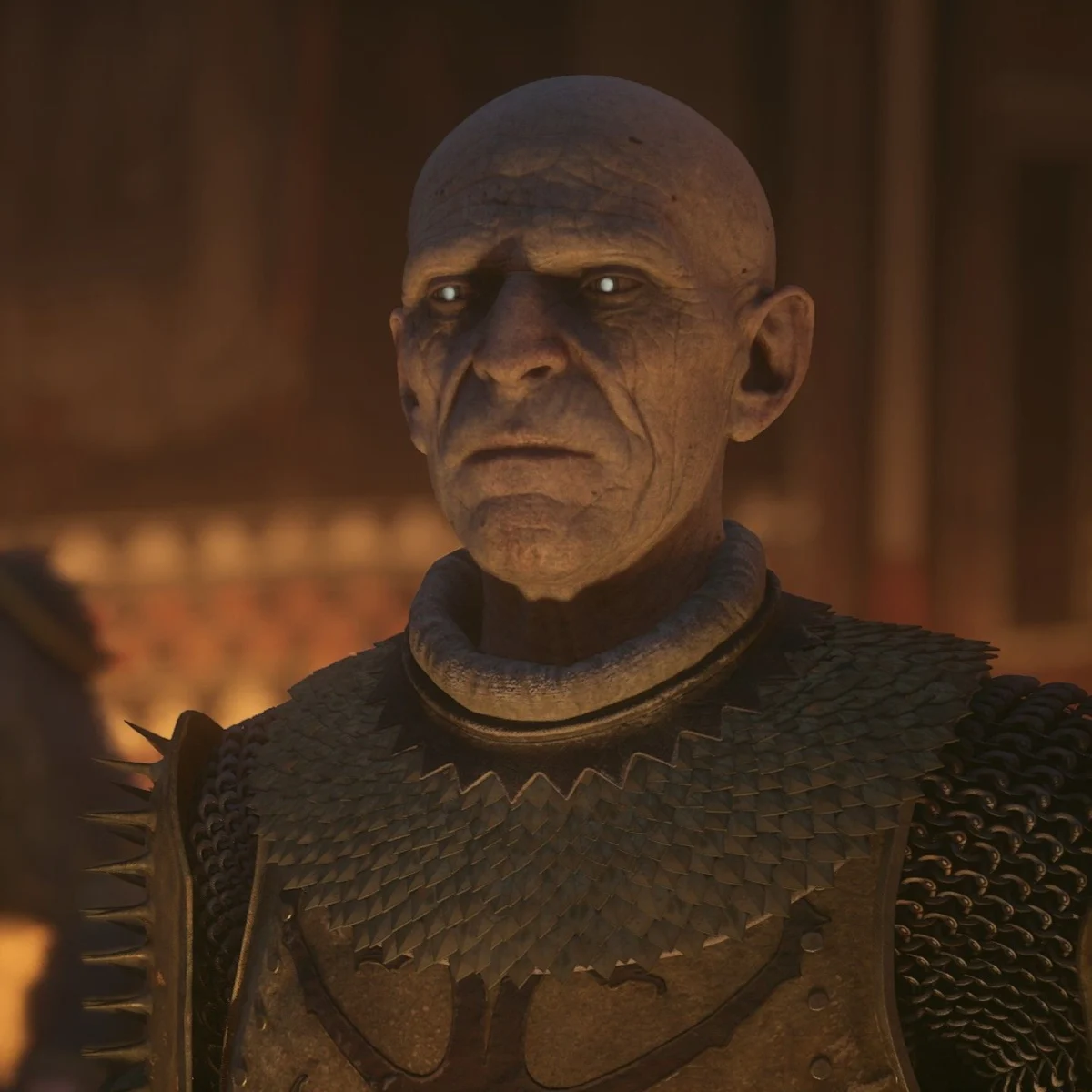
The Blood of Dawnwalker has established itself as a significant entry in the contemporary role-playing game landscape, yet its reception has been defined by a fundamental tension between developer intent and player agency. At the heart of this discourse is a controversial time-management mechanic that restricts the protagonist, Coen, in his pursuit of objectives. While the studio, Rebel Wolves, designed this feature to foster a persistent sense of narrative urgency, the player community has responded with mixed sentiment, leading to the rapid development of third-party modifications aimed at dismantling the system entirely. As Rebel Wolves looks toward the future of the franchise, the discourse surrounding this mechanic offers a masterclass in the evolving relationship between design philosophy and player freedom in open-ended RPGs.
The Anatomy of the Clock
When The Blood of Dawnwalker launched, it introduced a persistent ticking clock that dictates the flow of the narrative. Unlike traditional RPGs that allow players to pursue side quests, character progression, and world-building at their leisure, the game’s architecture forces a prioritization of missions. This design choice was intended to ground the narrative in realism; the developer argued that in a world defined by conflict and critical stakes, a protagonist would not logically have the time to engage in peripheral activities indefinitely.
The implementation was met with a swift, vocal response from the gaming community. Within days of the game’s release, the "Better Story Timer" mod appeared on Nexus Mods. This modification, which removes the time-pressure constraints, quickly climbed to the top of the platform’s popularity charts, signaling that a significant portion of the user base perceived the time limit not as an immersive challenge, but as a barrier to enjoyment. The preference for a "completionist" playstyle—where players can explore, gather resources, and interact with the world without the threat of narrative lockout—collided head-on with the developer’s vision of a focused, high-stakes experience.
Developer Perspective and Design Intent
Rebel Wolves, led by CEO and game director Konrad Tomaszkiewicz, has maintained a balanced stance regarding the criticism. In recent discussions, Tomaszkiewicz emphasized that the game was calibrated to allow for approximately 80 percent of its content to be experienced even with the time mechanic active. The developer’s argument is rooted in the philosophy that choices in RPGs should carry weight—a design pillar common in the genre, seen previously in titles like The Witcher 2: Assassins of Kings and the critically acclaimed 2022 release, Pentiment.
"The arguments of, ‘I want to see everything in one playthrough,’ I understand, but it’s false to begin with," Tomaszkiewicz noted. He argues that the modern expectation of a single, all-encompassing playthrough is incompatible with the design of branching, consequence-driven narratives. By forcing players to make hard choices about which missions to pursue, the developer intended to create a more personalized experience, where the story feels bespoke to the player’s priorities rather than a checklist of all available activities.
Furthermore, internal data from the studio suggests that the initial fervor surrounding the mechanic has naturally subsided. As players have progressed further into the campaign, the perceived pressure of the timer has softened. Tomaszkiewicz observed that many users, upon finishing their first playthrough, realized they had more flexibility than they initially assumed. This pattern—initial anxiety followed by a realization of intended balance—is a common phenomenon in games that deviate from established, "player-first" design tropes.
Chronology of the Controversy
The timeline of this discourse is brief but intense. Upon the launch of The Blood of Dawnwalker, the critique of the time mechanic was immediate, dominating forums and social media platforms. By the end of the first week, the popularity of the "Better Story Timer" mod confirmed the scale of the player pushback. This forced a quick pivot in the public conversation, moving from a discussion of the game’s merits to a debate on the boundaries of player autonomy.
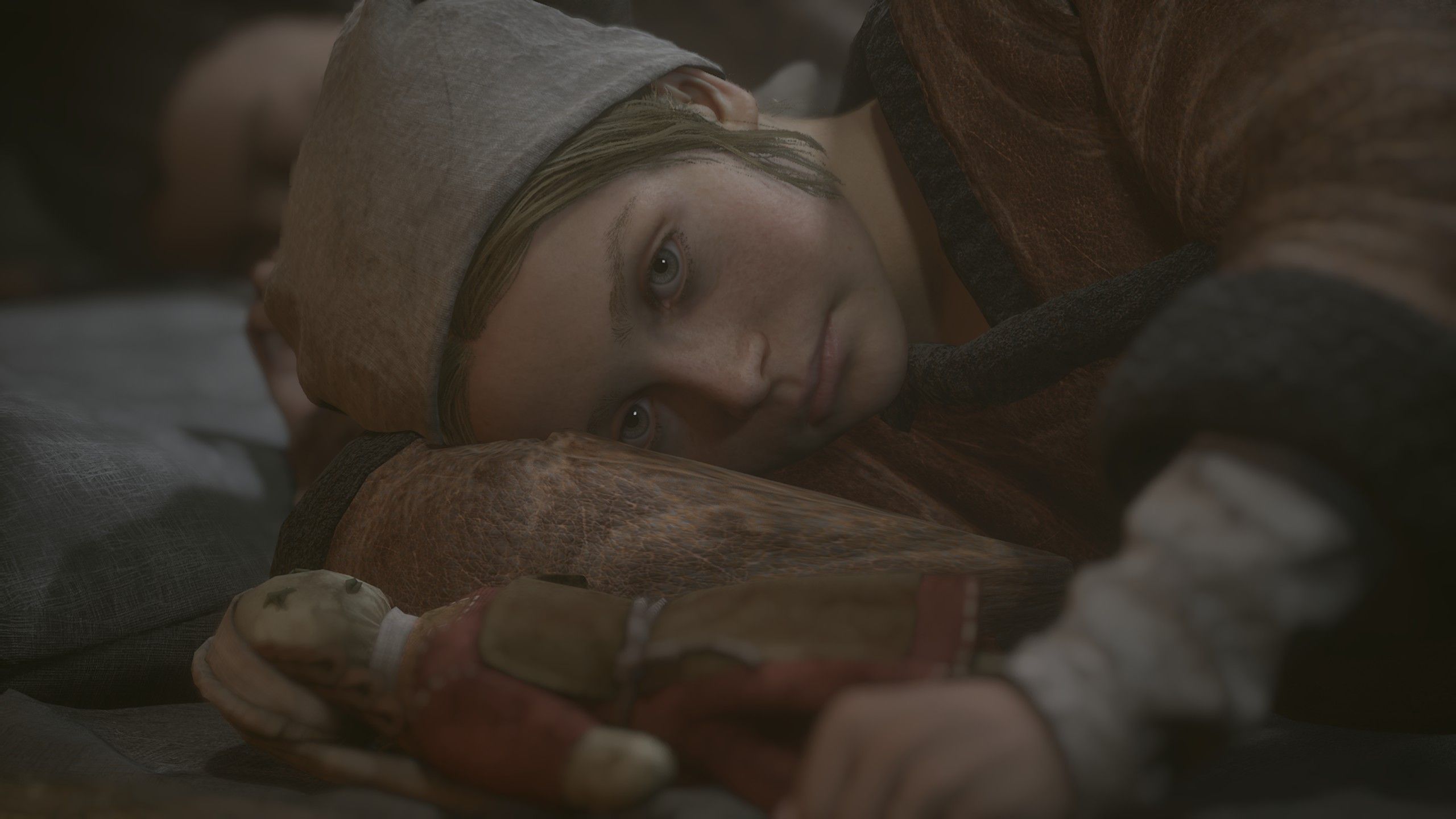
Following the initial launch window, Rebel Wolves began the process of evaluating player feedback. The studio’s recent move to open recruitment for a lead writer for the sequel indicates that the development team is already transitioning into the next phase of the franchise. During this transition, the studio has signaled a willingness to adapt. While the time-management system is not being abandoned entirely, it is being recontextualized. Future iterations of the system will likely be utilized only where they align strictly with the narrative’s thematic needs, rather than serving as a blanket mechanic for the entire experience.
Broader Implications for the RPG Genre
The debate over The Blood of Dawnwalker serves as a microcosm of a larger, ongoing shift in RPG design. For decades, the genre has leaned heavily into the "power fantasy" model, where the player is the center of the universe and time is a static resource. However, recent titles have begun to challenge this status quo.
Games like Pentiment have proven that strict time limitations can enhance narrative tension and character development, provided the player understands the rules of engagement. The "pushback" against Dawnwalker’s timer may not necessarily be a rejection of the mechanic itself, but rather a reaction to a potential lack of transparency in how the system functions. When players feel they are being punished for exploring—a core pillar of the RPG genre—without sufficient warning or clear mechanics, frustration is an inevitable byproduct.
The industry at large is watching these developments closely. The success of open-world games like Elden Ring, which offers almost total freedom, contrasts sharply with the directed, time-sensitive narratives like those found in the Dawnwalker saga. This suggests that there is a growing divergence in the market: one segment of the audience prioritizes total freedom and "completionist" potential, while another appreciates the narrative weight that comes with scarcity and consequence.
Looking Toward the Sequel
As Rebel Wolves pivots toward the next chapter in the Dawnwalker saga, the studio faces the delicate task of balancing its creative vision with the market’s desires. Tomaszkiewicz has confirmed that the team will "play with" the system, refining it to better serve the story rather than forcing it as a standard feature.
This suggests a move toward a more modular design philosophy. If a story requires urgency, the mechanic will be employed; if a story benefits from exploration, it will be omitted. This "case-by-case" approach is a mature evolution for the studio, reflecting a willingness to listen to the audience without sacrificing the artistic integrity that distinguishes their work.
Ultimately, the controversy surrounding The Blood of Dawnwalker has highlighted a fundamental truth about modern game development: the player experience is a collaboration. While developers hold the pen, the player ultimately interprets the text through their actions. The emergence of the "Better Story Timer" mod is not a failure of the game’s design, but a testament to the community’s engagement with the product. By providing the tools for players to modify their experience, Rebel Wolves has effectively allowed the community to participate in the game’s ongoing refinement.
As the industry moves forward, the "Dawnwalker model"—defined by high-stakes narrative choices and the willingness to risk player frustration for the sake of thematic consistency—will likely remain a point of study. Whether the sequel can find the "sweet spot" that satisfies both the narrative-focused designers and the freedom-seeking players remains to be seen. However, the studio’s willingness to address the issue, coupled with its commitment to iterating on the core mechanics, suggests that the future of the Dawnwalker saga will be shaped as much by the feedback of its fans as it is by the vision of its creators. The saga, it seems, is far from finished, and the lessons learned from this opening chapter will undoubtedly define the quality of the next.