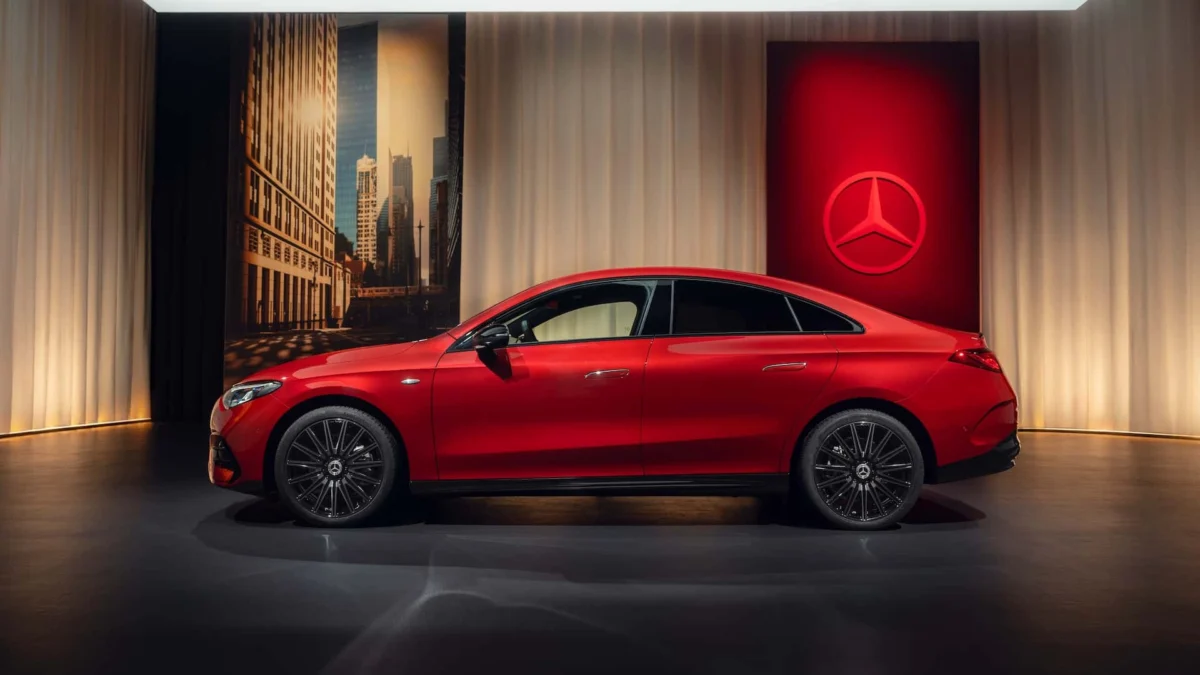
The automotive landscape is undergoing a profound transformation as manufacturers pivot toward electric propulsion, with the Mercedes-Benz CLA serving as a primary case study in the evolution of charging technology. Recent performance evaluations conducted by industry expert Tom Moloughney, host of the State of Charge YouTube channel, have confirmed that the Mercedes CLA is not merely a competitive entrant in the premium electric vehicle (EV) segment but is, in fact, one of the fastest-charging vehicles currently available on the American market. These findings, derived from rigorous real-world range and replenishment testing, highlight a significant shift in how consumers may perceive long-distance travel in an electrified future.
The Methodology of Modern Range Testing
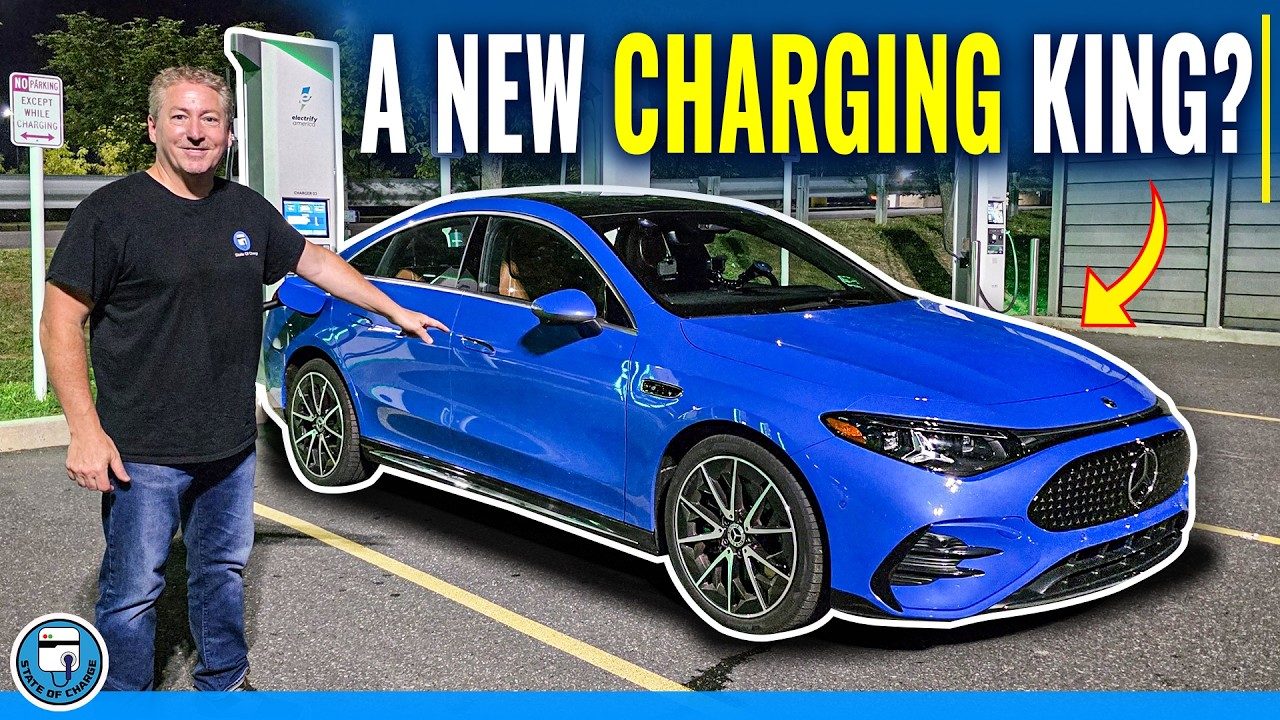
To understand the practical implications of the CLA’s charging architecture, Moloughney performed a series of controlled tests designed to mimic the extremes of ownership. The vehicle, an all-wheel-drive CLA 350 4Matic, was subjected to full depletion cycles, bringing the battery down to nearly zero percent before initiating a full recharge. This methodology serves as a "worst-case" scenario for charging, providing a clear window into how the vehicle’s thermal management system and battery chemistry behave when pushed to their operational limits.
The tests were specifically structured to evaluate the impact of battery preconditioning—a feature designed to optimize the battery’s internal temperature for high-speed charging. In the first session, the vehicle utilized its native preconditioning software to prepare the cells while navigating to an Ionna 400 kW high-power charging station. In the second session, the vehicle was charged at an Electrify America 350 kW station without the benefit of preconditioning. This comparative study aimed to determine the necessity of pre-heating the battery under typical summer ambient temperatures.
Performance Data and Charging Dynamics
The results of the test revealed a surprising degree of consistency, regardless of the preconditioning state. During the summer testing, with ambient temperatures remaining stable and warm, the non-preconditioned battery performed almost identically to the preconditioned one, trailing by only approximately one percentage point throughout the session. This suggests that in temperate conditions, the CLA’s battery management system (BMS) is highly effective at maintaining efficiency even without an active pre-heating cycle.
Upon connection to the DC fast chargers, the CLA demonstrated a rapid ramp-up in power delivery. Within less than 60 seconds, the vehicle reached a peak charging rate of 350 kW. This aggressive power intake is characteristic of an 800-volt architecture, which allows for thinner cabling and significantly reduced thermal resistance compared to traditional 400-volt systems. As the state of charge (SoC) climbed, the power delivery exhibited a deliberate, expected decline:
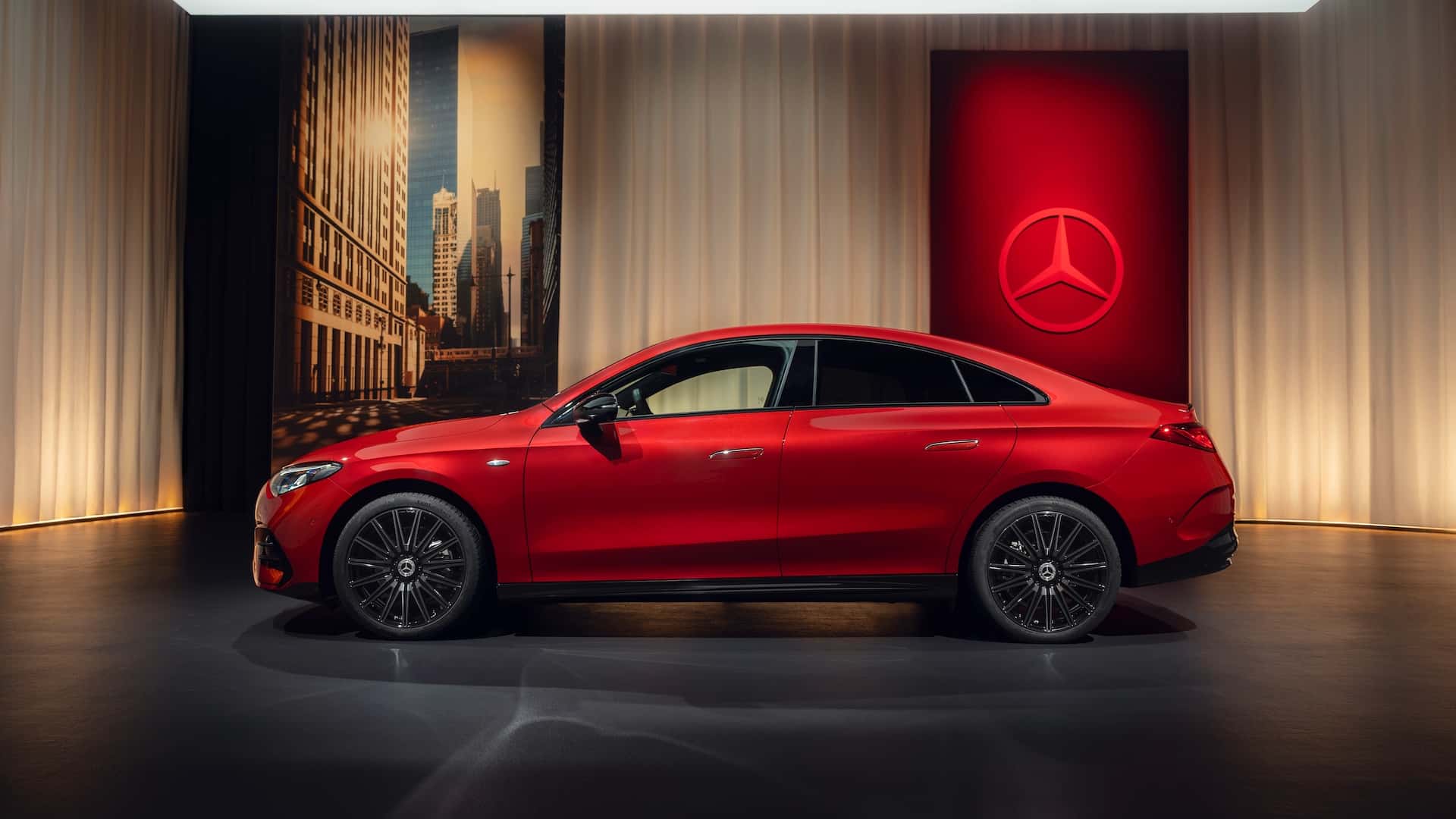
- 10% SoC: Achieved in just two minutes.
- 25% SoC: Achieved in approximately five and a half minutes.
- 40% SoC: Reached after 10 minutes of charging.
- 50% SoC: Recouped in roughly 15 minutes.
The charging curve remained robust even as the battery reached higher capacities. At the 25-minute mark, the vehicle was still maintaining a power draw exceeding 150 kW, enabling the CLA to reach a 75% charge significantly faster than most of its competitors. Total time to reach a full 100% charge was 52 minutes at the Electrify America site and 56 minutes at the Ionna station.
Contextualizing Efficiency and Real-World Range
The significance of these charging speeds is amplified when placed alongside the vehicle’s energy efficiency. In previous highway range tests, the CLA 350 4Matic demonstrated an impressive ability to exceed its EPA-rated figures, consistently achieving a range of approximately 385 miles at sustained speeds of 70 mph.
For the average consumer, this data point is the "tipping point" for electric vehicle adoption. A vehicle that can recover 50% of its battery—representing nearly 200 miles of highway driving—in just 15 minutes effectively minimizes the "charging anxiety" associated with long-distance travel. In practical terms, this duration aligns perfectly with a brief stop for coffee or vehicle maintenance at a travel plaza, allowing the driver to return to the road with enough energy to cover another three hours of travel.
Technical Implications and Battery Architecture
The ability to maintain high power throughput is contingent on the vehicle’s thermal management. While the test showed that preconditioning had a negligible impact during summer weather, engineers note that the role of preconditioning remains vital in cold-weather scenarios. When the ambient temperature drops, the battery’s internal resistance increases, which can lead to significant charging delays if the electrolyte is not brought to the optimal operating temperature. Mercedes-Benz has integrated advanced thermal sensors and liquid-cooling circuits to ensure that the CLA can maximize the capacity of modern 350 kW and 400 kW charging infrastructure.
From a design standpoint, the CLA’s ability to handle such high currents without hitting a "thermal wall" suggests that the manufacturer has prioritized high-nickel battery chemistry and sophisticated cell-to-pack integration. This not only aids in charging speed but also contributes to the vehicle’s overall weight distribution and performance characteristics, further justifying its premium price point.
Industry Impact and Market Positioning
With a starting MSRP of $49,400, the CLA occupies a strategic position in the market. It offers the performance and charging speed of luxury-tier EVs while remaining accessible to a broader segment of the population. By landing in the top five of many expert-led charging tests, the CLA provides a compelling argument for the viability of EVs as the primary household vehicle.
The broader implications for the automotive industry are clear: the focus is shifting from "total range" to "recharge rate per hour." As charging infrastructure continues to expand across North America—with networks like Ionna and Electrify America increasing their footprint—the ability of a vehicle to utilize this power becomes a primary competitive advantage. Mercedes-Benz, by optimizing the CLA’s charging curve, has effectively bridged the gap between the convenience of internal combustion engines and the sustainability of electric mobility.
Future Considerations and Consumer Guidance
While the data provided by these tests is overwhelmingly positive, stakeholders and prospective buyers should note that real-world charging performance is subject to several variables. These include the health of the charging station, the specific software version of the vehicle, and the degradation of the battery over time. Furthermore, while charging to 100% is possible in under an hour, it is rarely the most efficient use of time.
Mercedes-Benz indicates that, for most users, charging from 10% to 80% is the optimal window for long-distance travel, a feat the CLA achieves in roughly 22 to 26 minutes. This 20-minute-plus window is the new "golden standard" for electric vehicle charging, and the CLA’s performance in this metric places it firmly at the head of its class.
As the automotive sector moves toward the 2026 model year, the lessons learned from the CLA’s architecture will likely influence the design of future platforms. The industry is currently witnessing a transition where the vehicle is no longer just a mode of transport but an integrated node in a high-speed energy grid. The CLA stands as a testament to this, proving that for the modern traveler, the future of electric driving is not just about how far one can go, but how quickly one can return to the road.