







The unveiling of the Apple Home Collection—a curated suite of smart home accessories developed in strategic partnership with industry leaders like LG and Schneider Electric—marks a pivotal shift in the trajectory of home automation. While tech enthusiasts have navigated the complexities of IoT (Internet of Things) devices for years, the broader consumer market has remained largely hesitant, deterred by fragmented ecosystems, inconsistent compatibility, and cumbersome configuration processes. By integrating its proprietary pairing technology into a dedicated hardware collection, Apple is attempting to bridge the gap between niche enthusiast hobbyism and mainstream utility.
The Evolution of Smart Home Connectivity: A Chronology
The journey toward a unified smart home has been characterized by iterative, often disjointed, progress. In the late 1990s and early 2000s, early adopters relied on standards like X10, which utilized power-line wiring to transmit control signals. These systems required significant technical literacy, often necessitating manual programming and, in many cases, electrical modifications.
As smartphones gained ubiquity, the industry shifted toward Wi-Fi and Bluetooth-based devices. However, this transition introduced the "app fragmentation" era, where each device manufacturer required its own proprietary software. A single home could easily require a dozen different applications to manage lights, locks, and climate control, rendering the concept of a "smart" home counterintuitive.
Apple introduced HomeKit in 2014 to standardize these interactions. While it provided a centralized framework and improved security, it did not fully solve the "onboarding" problem. Users frequently encountered devices that required initial setup in a third-party app before they could be imported into Apple’s Home ecosystem—a process that often failed, requiring manual resets and router configurations that alienated the average consumer.
The arrival of the Matter and Thread standards in recent years represented a significant breakthrough in interoperability. By allowing devices to communicate across different ecosystems (Apple, Google, and Amazon), Matter effectively eliminated the "walled garden" issue that had previously forced consumers to commit to a single brand. Despite this, the setup friction remained, as many devices still required scanning complex QR codes or manual network credential entry, hurdles that continue to impede widespread adoption.
Addressing the Friction: The Apple Home Collection Strategy
The Apple Home Collection, announced in October 2026, represents the next logical step in the maturation of this market. By collaborating with established hardware manufacturers like LG and Schneider Electric, Apple is shifting the focus from "compatibility" to "instantaneous pairing."
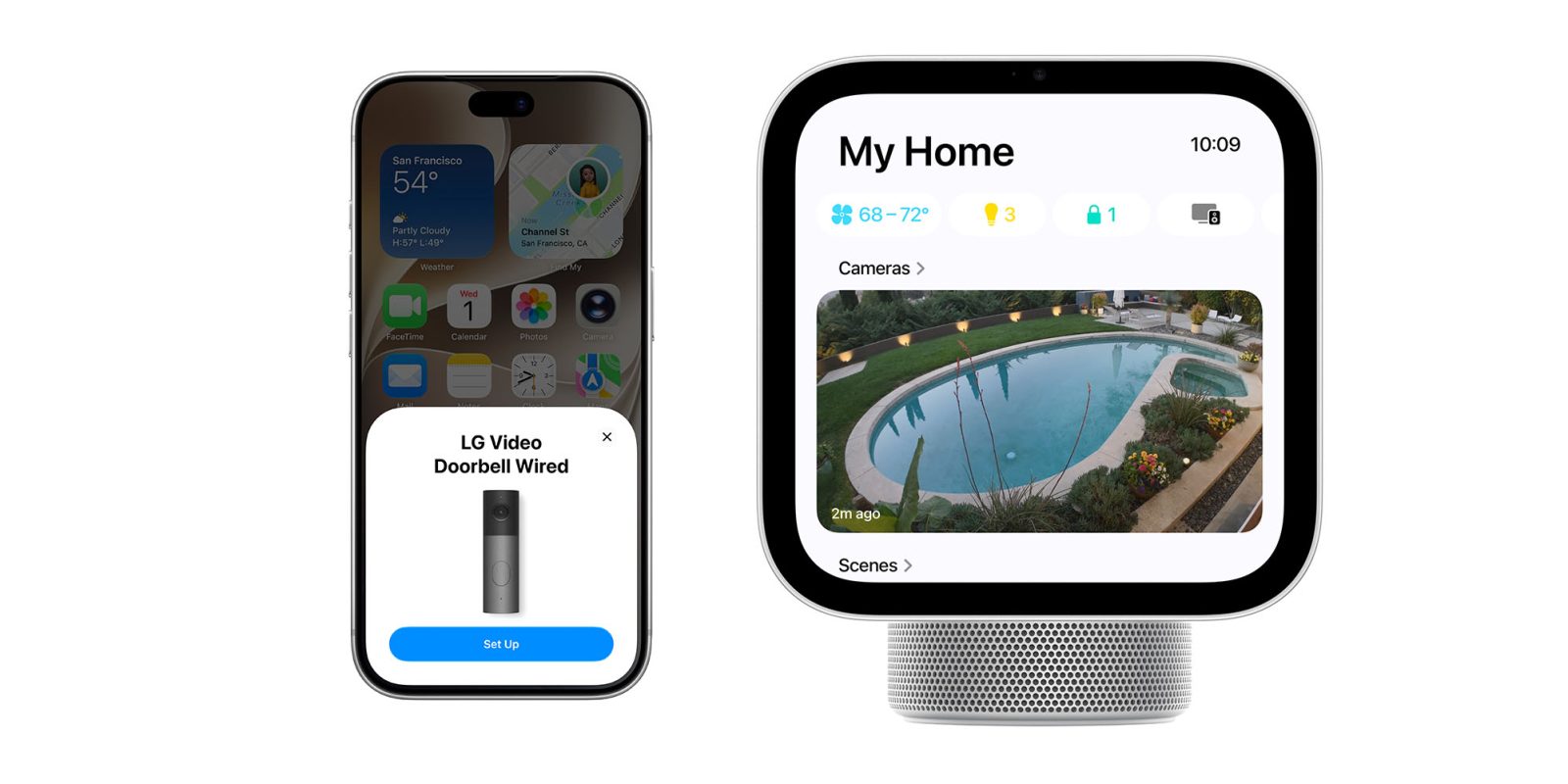
The core innovation lies in the user experience: mirroring the "magic" of AirPods or Apple TV setup. When a user brings a device from the Apple Home Collection into proximity with an iPhone, the device is immediately recognized, paired, and integrated into the Home app. This eliminates the need for third-party accounts, QR code scanning, or complex network authentication.
Industry analysts note that this approach mirrors Apple’s historical success in other sectors. Much like the transition from complex PC operating systems to the intuitive interfaces of the early Macintosh or the simplification of mobile browsing with the original iPhone, Apple is prioritizing the reduction of "cognitive load" for the user. By ensuring that the hardware and software are optimized for one another at the factory level, the company is effectively removing the technical barrier to entry.
Market Data and Consumer Adoption Trends
Current market data indicates that while smart home device sales are growing, the "active usage" rate remains lower than industry projections. A 2025 study from the Consumer Technology Association (CTA) suggested that nearly 40% of smart home devices purchased are either returned or abandoned due to "setup frustration."
The Apple Home Collection aims to lower this attrition rate. By streamlining the onboarding process, Apple anticipates that users who previously purchased only a single device—such as a smart speaker—will be more inclined to build out a comprehensive ecosystem. The partnership model is essential here; by leveraging the manufacturing scale of companies like Schneider Electric, Apple gains access to high-quality, reliable hardware without the need to manage massive industrial supply chains itself.
Official Perspectives and Industry Reaction
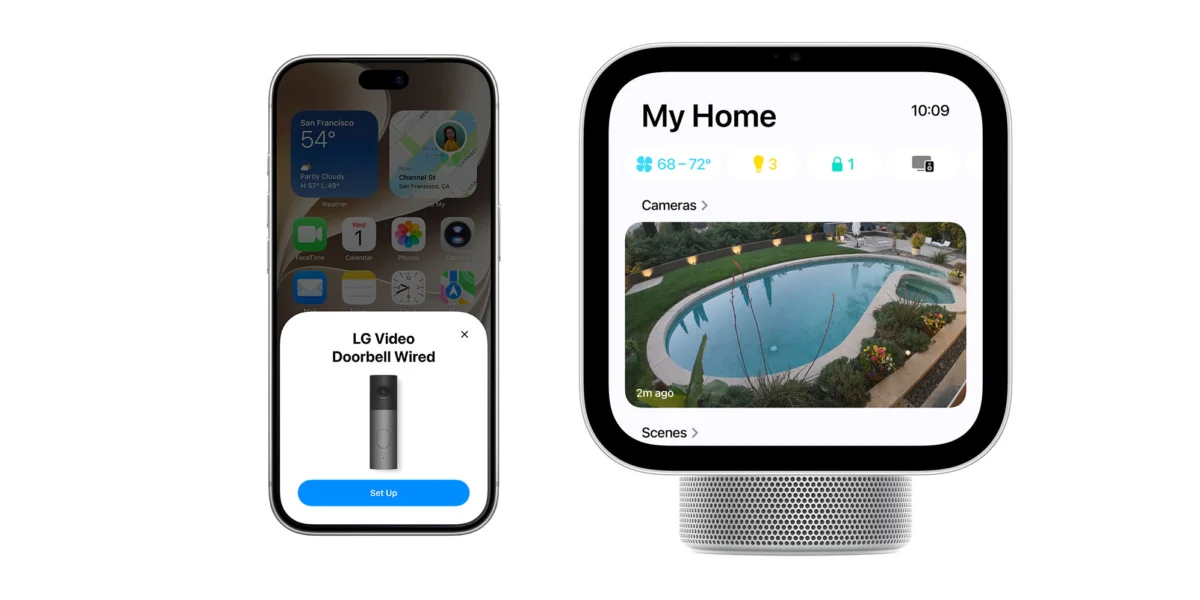
Representatives from Apple have emphasized that the Home Collection is designed to be the "gold standard" for what a smart home should feel like in practice. During the initial unveiling, Apple’s Home team demonstrated the setup of a smart doorbell and a home monitoring unit. The process took mere seconds, requiring no manual input beyond a confirmation tap on the iPhone screen.

Industry experts, including those from CNET, have praised the intuitiveness of the setup. Ajay Kumar, a noted analyst in the smart home space, remarked that the ease of use demonstrated by the Apple Home Collection is arguably the most significant advancement in consumer IoT since the introduction of voice assistants. "It isn’t just about the hardware," Kumar observed. "It is about the removal of the setup barrier. For the first time, a user can buy a smart device and have it functional as quickly as they could plug in a lamp."
However, critics point out that the price point for these devices is higher than generic alternatives. This leads to a fundamental question: Is the market willing to pay a premium for simplicity? Historically, Apple’s ecosystem has demonstrated that consumers are indeed willing to pay more for products that "just work." Whether this holds true for wall switches and light bulbs remains to be seen, but the intent is clearly to capture the high-end consumer segment first before potentially expanding the technology to lower-cost tiers.
Broader Implications for the IoT Industry
The introduction of the Apple Home Collection is likely to force competitors to respond. As Apple sets a new benchmark for "zero-configuration" setups, companies like Amazon and Google will be under increased pressure to streamline their own onboarding processes. We can expect to see a surge in "native" partnerships where third-party hardware manufacturers focus on deep-level integrations with OS-level software, rather than relying on disparate apps.
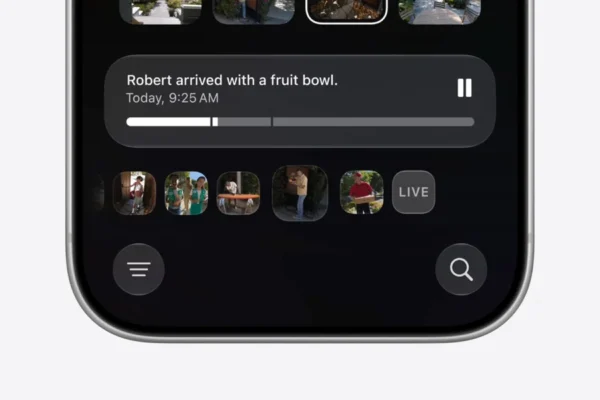
Furthermore, the Home Collection highlights the growing importance of the "HomeView" interface—Apple’s centralized dashboard for home management. By integrating video feeds, security alerts, and device controls into a single, cohesive view, Apple is positioning its ecosystem as the primary operating system for the domestic environment.
The long-term implication is a move toward a truly "ambient" smart home. In this future, the home does not require active management; it responds to the presence of authorized devices and users without requiring explicit instruction. If the Apple Home Collection succeeds, the "smart home" will cease to be a collection of gadgets and instead become a seamless, integrated layer of the modern living experience.
For the average consumer, this signifies the end of the "tinkering" era. The move toward simplified, reliable, and standardized hardware reflects a market that has moved past the early adopter phase. While the "geeks" who enjoyed the complexity of the past decade may lament the lack of granular control, the reality is that mass-market adoption requires a product that works for the non-technical user. By prioritizing this demographic, Apple is not just selling accessories; it is attempting to define the standard for the next decade of residential living.