









Dell has maintained a dominant position in the global personal computing market since its inception in 1984, establishing a reputation for reliability that spans from budget-friendly home office machines to high-performance workstations. As of mid-2025, the company has undergone a significant branding transition, moving away from legacy series names such as Inspiron, XPS, and Latitude in favor of a simplified, tiered naming convention designed to mirror the streamlined approach of competitors like Apple. For consumers and business professionals alike, navigating this shift is essential to identifying the right machine for their specific computing needs.

The current Dell product hierarchy is categorized into four primary segments: Dell, Dell Plus, Dell Pro, and Dell Pro Max. The standard Dell line serves as the entry-level offering, replacing the former Inspiron series. The Dell Plus tier acts as the mid-range performance category, while the professional-grade business machines, formerly known as Latitude, are now rebranded as the Dell Pro line. For users requiring intensive computational power, the workstation-class Precision machines have transitioned into the Dell Pro Max category. Each of these lines is further subdivided into performance tiers—Standard, Plus, and Premium—providing a granular approach to hardware configuration.
Performance and Hardware Evolution in 2025
The 2025 lineup is defined by a heavy integration of both Qualcomm Snapdragon X-series processors and Intel’s latest chip architectures. This shift toward high-efficiency ARM-based computing, alongside traditional x86 power, has created a diverse landscape for consumers.
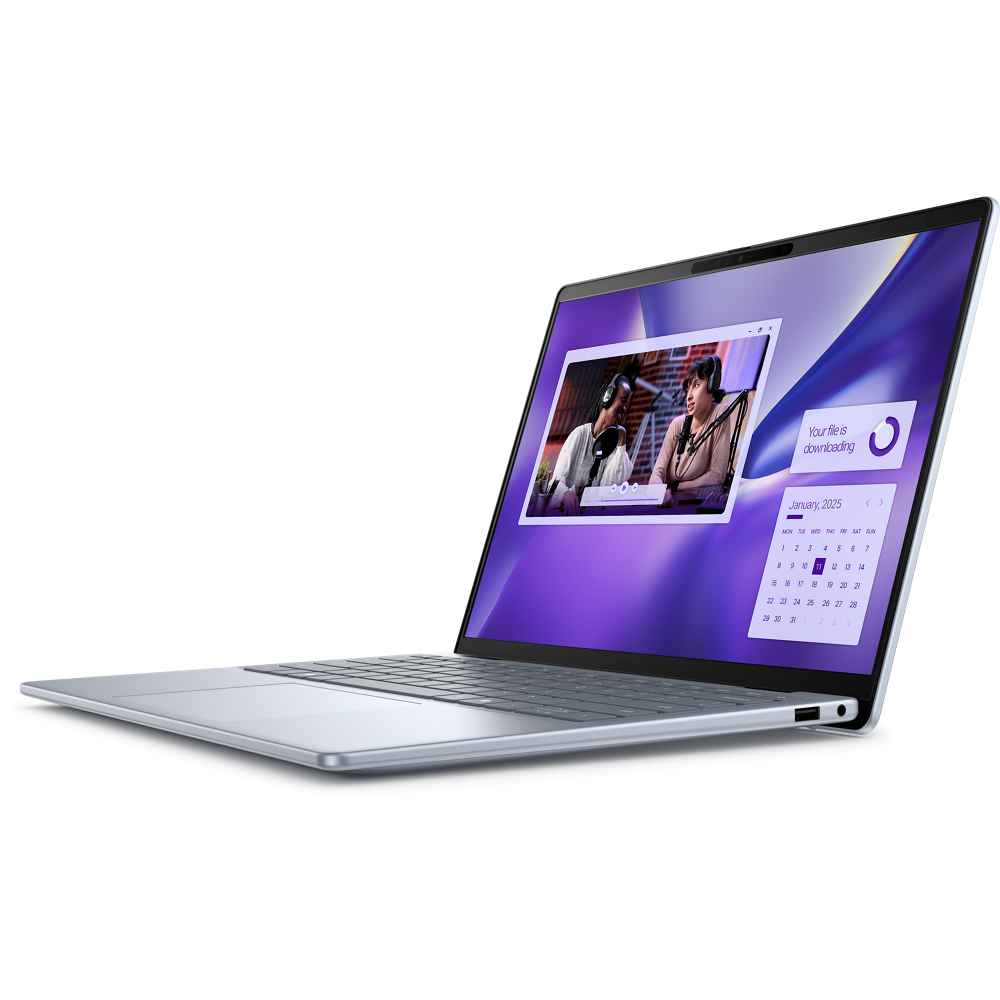
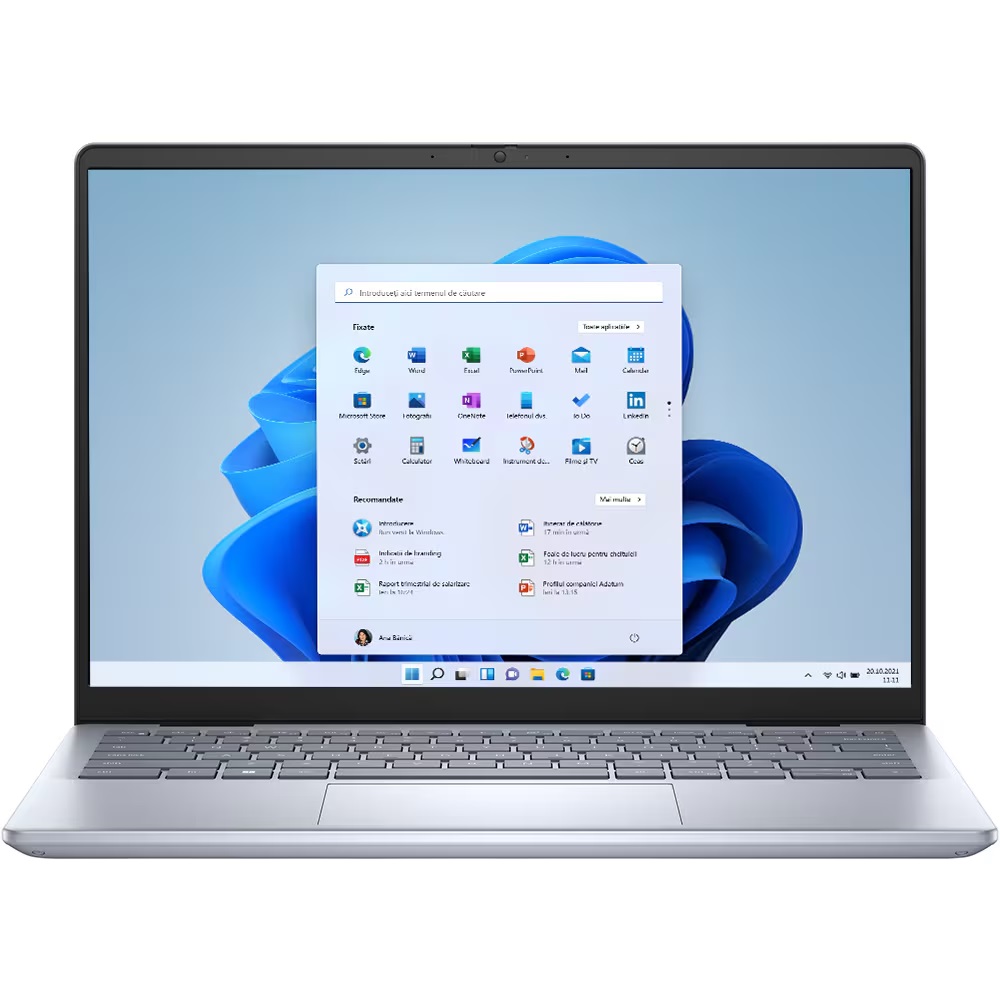
The Dell Inspiron 14 Plus (7441), now classified within the Dell Plus tier, stands out as a leading candidate for most users. Equipped with the Qualcomm Snapdragon X Plus, it delivers a Geekbench 6 multi-core score of 13,281, significantly outpacing the industry average of 10,435. The device’s primary appeal lies in its thermal efficiency; in lab testing, the chassis remained well below the 95-degree Fahrenheit comfort threshold, a notable achievement for a thin-and-light notebook. Furthermore, the 18-hour-plus battery life positions it as a viable alternative for remote workers who prioritize portability and endurance over raw graphical rendering power.
Conversely, the Intel-based Inspiron 14 Plus (7440) continues to hold value for users requiring legacy compatibility and stronger graphics performance. Utilizing the Intel Core Ultra 7 155H, this model achieves a 3DMark Fire Strike score of 8082, representing a 27% performance lead over the Snapdragon variant in synthetic graphics testing. While it sacrifices some battery longevity—averaging 15 hours and 6 minutes compared to the 18-hour-plus mark of its ARM counterpart—it provides the necessary overhead for tasks involving light video editing or gaming that rely on x86-native drivers.
Gaming and Professional Workstation Capabilities
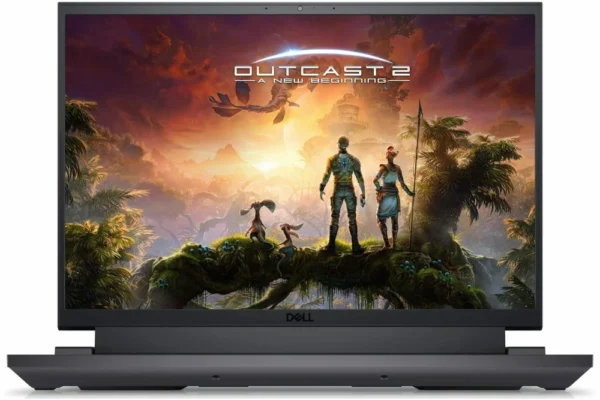
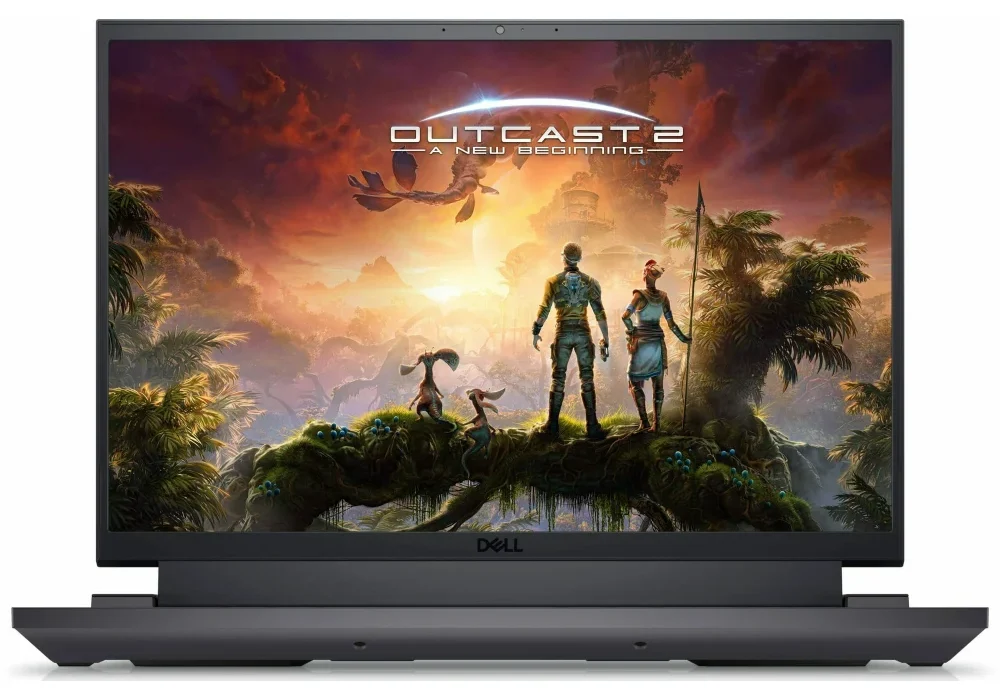
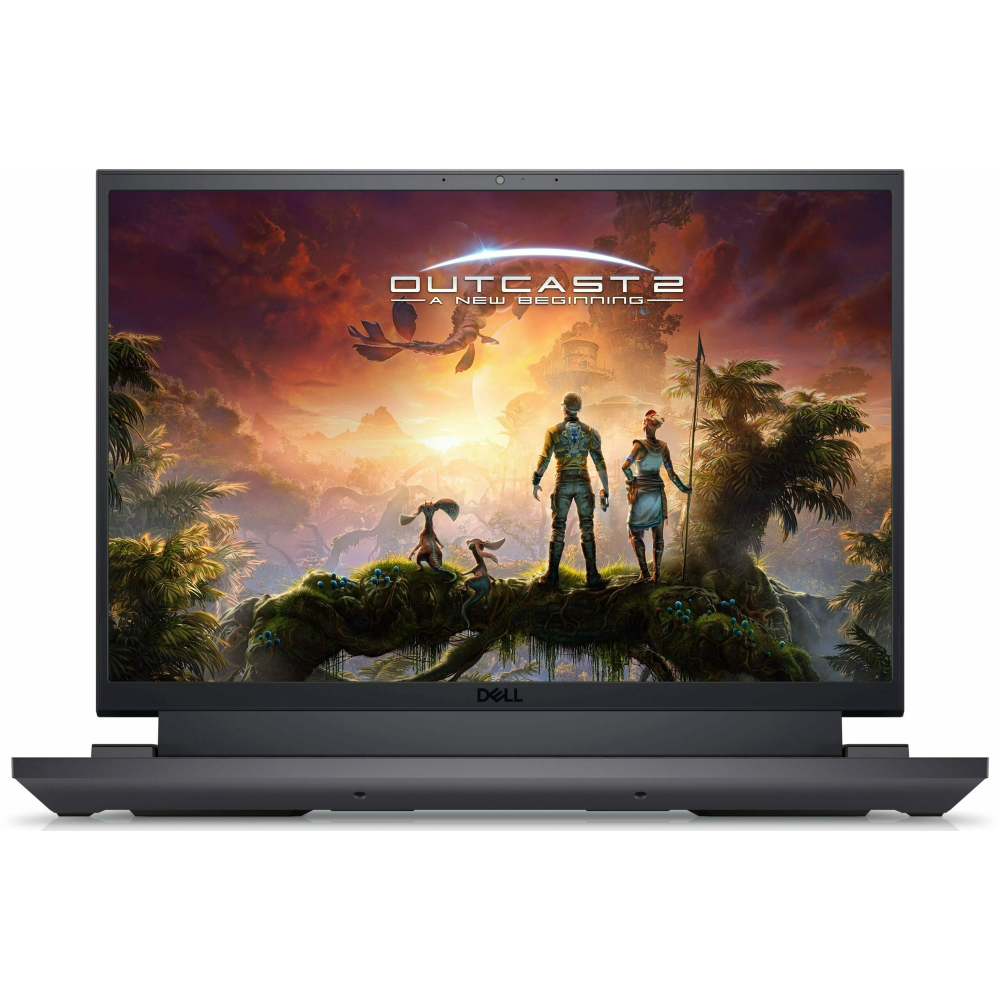
Dell’s gaming segment, while distinct from its Alienware sub-brand, remains a critical component of its consumer offerings. The G16 (7630) remains a benchmark for budget-oriented gaming. It is one of the few machines in the sub-$1,000 price bracket to feature an Nvidia GeForce RTX 4060 and a 240Hz display with 114% DCI-P3 color gamut coverage. The inclusion of a Cherry MX tactile mechanical keyboard suggests that Dell is prioritizing input quality for gamers who utilize these machines as desktop replacements. Despite these strengths, the G16 suffers from limitations in audio fidelity, with built-in speakers described as hollow, a common compromise in the budget gaming category.
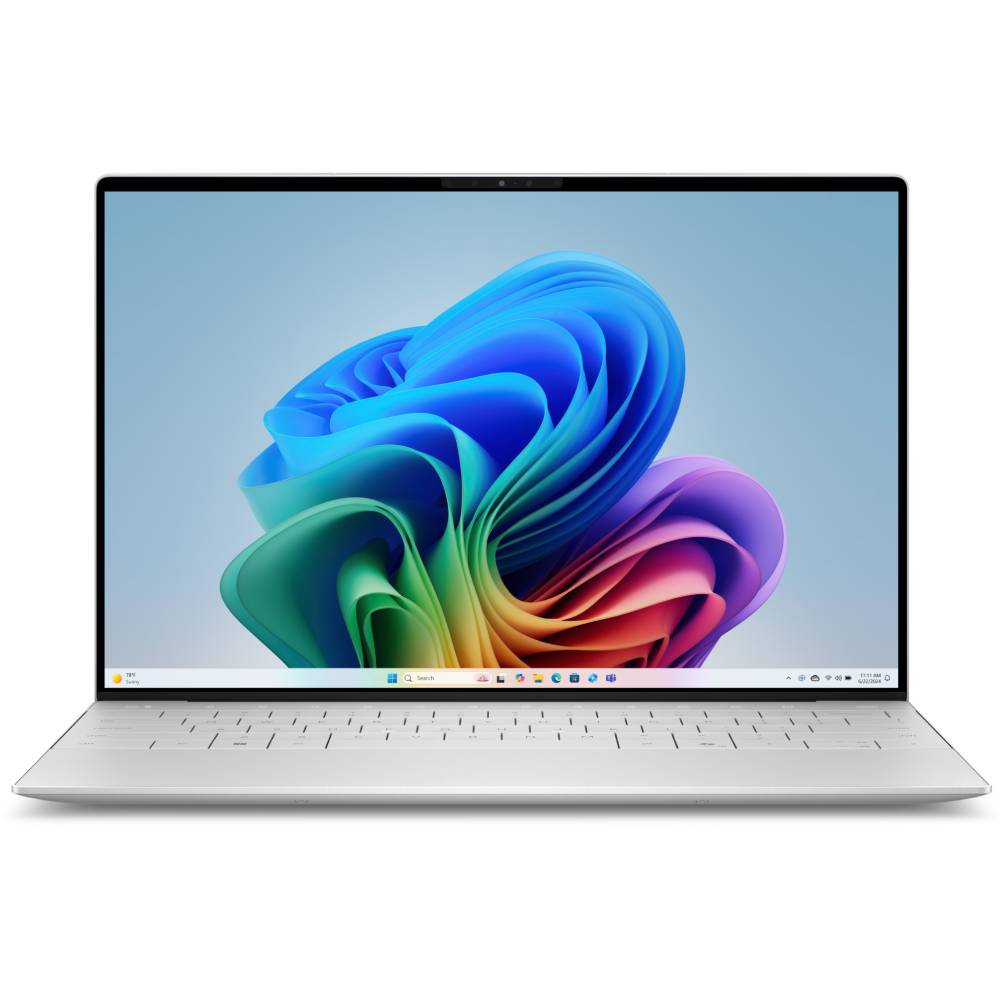
For creative professionals, the XPS 13 (9350) remains the standard for display-centric productivity. The transition to a Tandem OLED panel allows for 144.60% DCI-P3 color gamut coverage, making it a preferred tool for photographers and graphic designers. However, the trade-off for such a high-density, color-accurate display is power consumption; the OLED configuration of the XPS 13 yields approximately 8 hours and 40 minutes of battery life, nearly 10 hours less than the non-OLED Snapdragon model.
Strategic Implications of the Rebranding
The decision to consolidate naming conventions is part of a broader strategy by Dell to simplify the consumer purchase journey. By moving to a structure that parallels the "Pro" and "Max" designations seen in modern mobile silicon marketing, Dell is attempting to reduce the cognitive load on buyers who may be confused by decades of alphanumeric model identifiers.
Industry analysts observe that this shift also serves to better align Dell’s hardware with the increasing convergence of software ecosystems. As Windows 11 continues to optimize for both x86 and ARM architectures, the clear demarcation of "Dell Pro" and "Dell Pro Max" allows enterprise IT departments to standardize procurement based on specific job functions—such as administrative work versus heavy CAD simulation—without navigating the intricacies of traditional consumer-facing marketing terms.
Rigorous Testing and Reliability Standards
To maintain its competitive edge, Dell subjects its devices to an extensive suite of benchmarks before they reach the retail market. The company’s testing protocols include synthetic benchmarks like Geekbench and 3DMark, alongside real-world simulations, such as the transcoding of 4K video to 1080p and file-transfer stress tests.
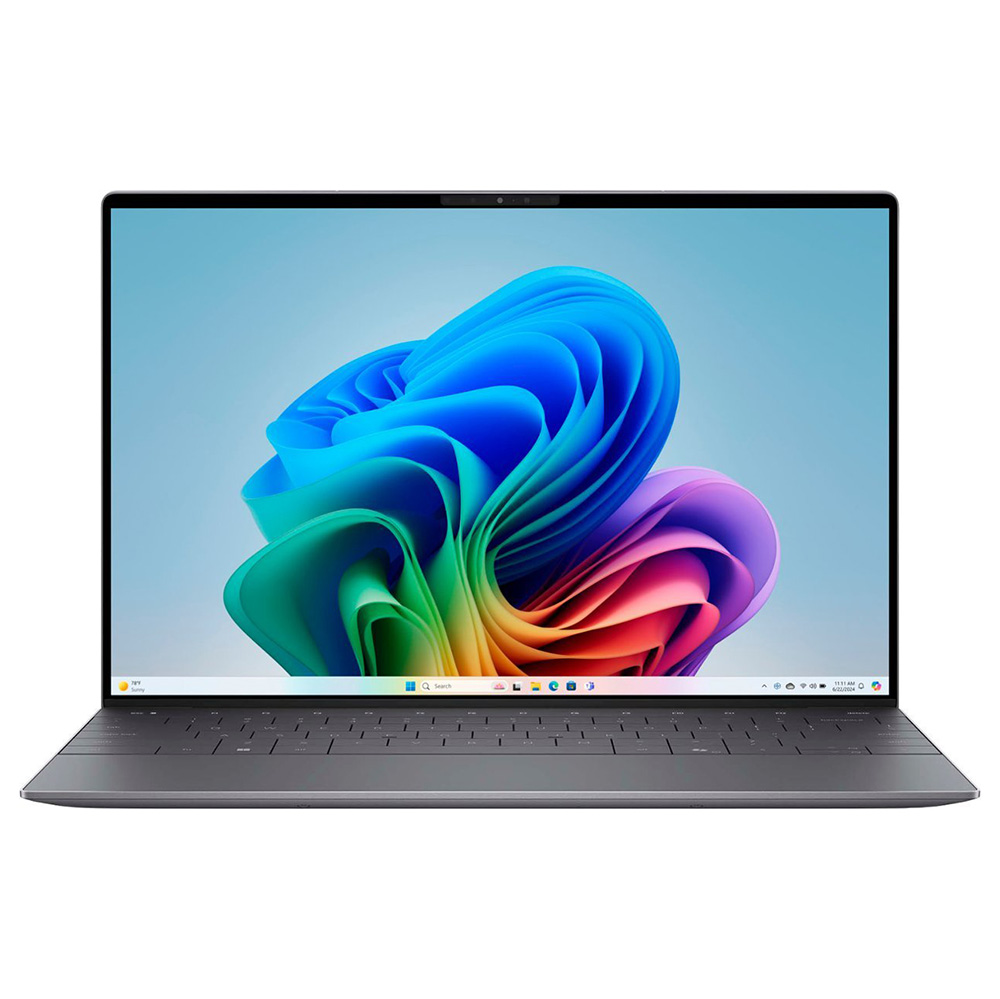
Battery life is measured under a controlled, repeatable web-surfing environment at 150 nits of brightness. While Windows laptops are generally expected to exceed 10 hours of runtime to be considered competitive, the 2025 standards have raised the bar, particularly for devices utilizing the latest power-efficient chipsets from Qualcomm. The ability of the latest Dell XPS 13 (9345) to hit nearly 21 hours of battery life—a figure typically reserved for high-end mobile workstations—indicates a significant leap in energy management software and hardware integration.
Conclusion and Purchasing Advice
When selecting a Dell laptop in 2025, consumers should prioritize their specific use cases over brand loyalty. For general productivity and mobile office work, the Dell Plus tier, specifically the Snapdragon-configured machines, offers the best balance of heat management, performance, and endurance. For those requiring intensive graphics, legacy software support, or high-end color accuracy, the Intel-based Dell Premium or Dell Pro Max series remains the superior choice.
Prospective buyers are advised to monitor the transition period closely, as retailers may continue to sell stock under the older branding (Inspiron, XPS, Latitude, Precision) throughout the remainder of 2025. Regardless of the label on the chassis, the core hardware architecture remains the primary indicator of performance. As the industry continues to move toward more efficient, specialized silicon, Dell’s new naming structure provides a necessary framework to distinguish between devices built for the mobile professional and those engineered for the stationary creative.