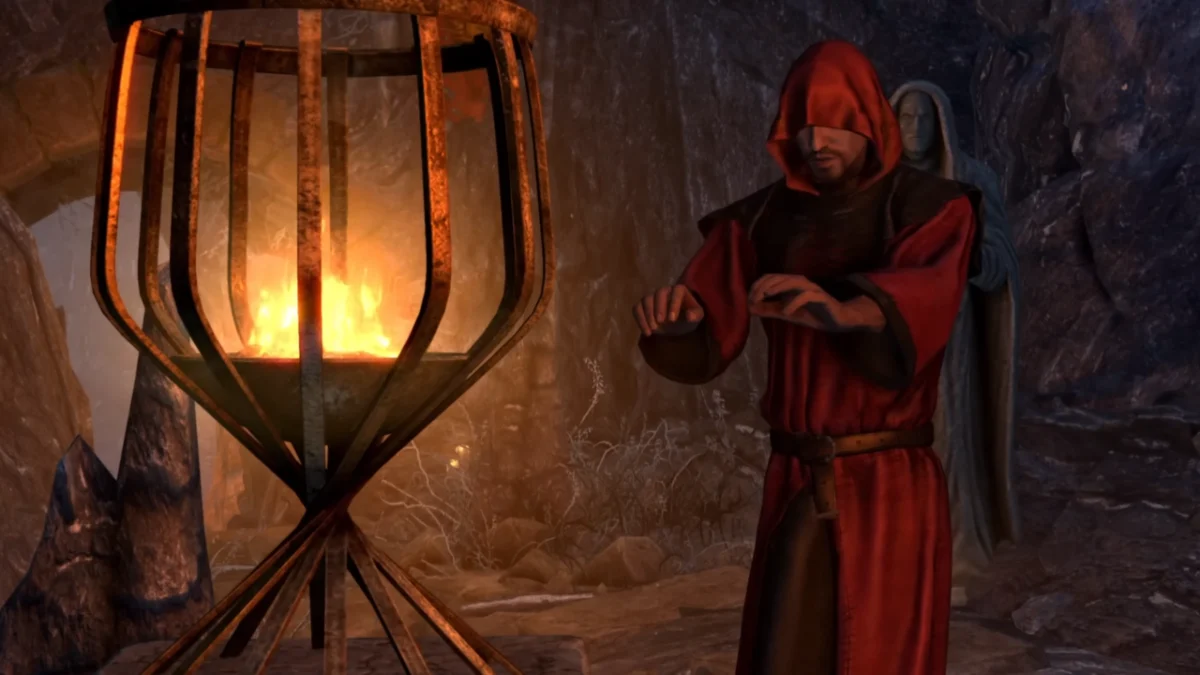






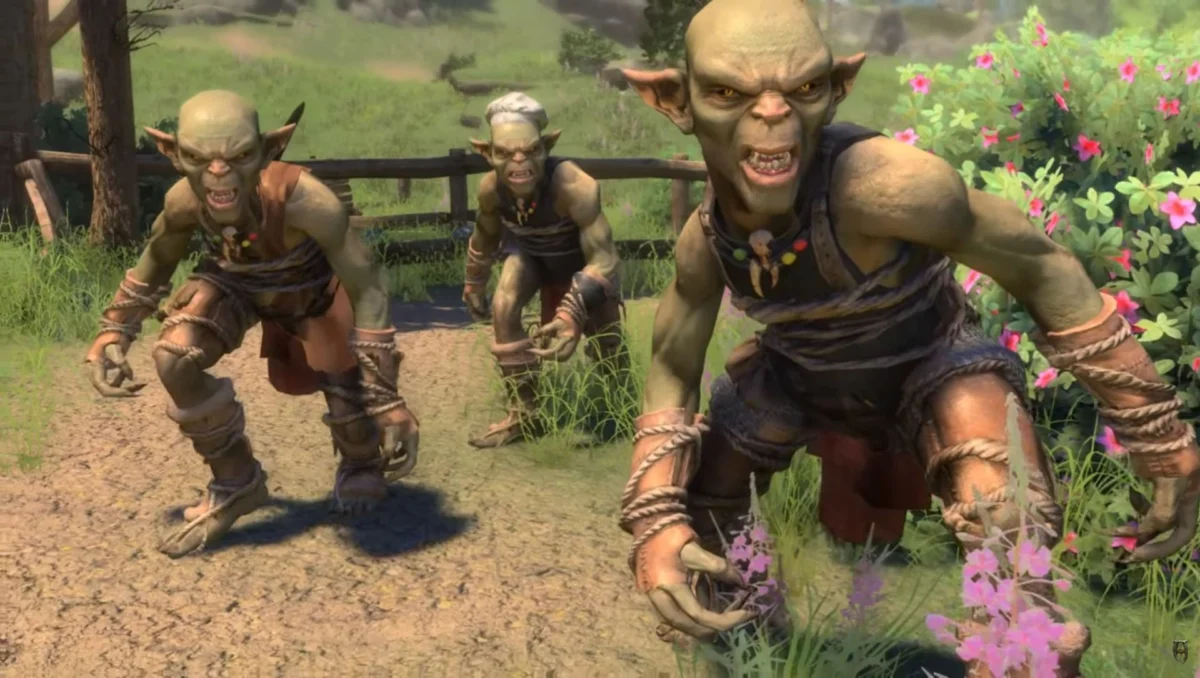
The highly anticipated Skyblivion project, an ambitious fan-made recreation of The Elder Scrolls IV: Oblivion within the modern Skyrim engine, has encountered a significant legal hurdle that threatens to disrupt its development schedule. Rebelzize, the project lead, recently disclosed that the development team is facing a lawsuit initiated by a former volunteer contributor. This legal challenge, which centers on the ownership and removal of contributions from the project, comes at a critical juncture as the team races to meet a projected 2025 release window.
The core of the dispute involves intellectual property rights and the complex nature of volunteer-driven development in the open-source and modding communities. While the specifics of the lawsuit remain shielded by legal confidentiality, the situation highlights the precarious nature of large-scale modding operations, where developers often contribute thousands of hours of work without formal employment contracts or intellectual property agreements.
A Chronology of the Skyblivion Development Cycle
Skyblivion has been in development for over a decade, representing one of the most significant undertakings in the history of the Elder Scrolls modding scene. The project began as a proof-of-concept aimed at porting the world of Cyrodiil into the Creation Engine used by The Elder Scrolls V: Skyrim. Over the years, the project expanded significantly, evolving from a simple asset-porting exercise into a total conversion mod that features overhauled dungeons, modernized game mechanics, and a complete reconstruction of the game’s biomes.
The timeline of the project has been characterized by consistent updates, public recruitment drives, and a transparent development roadmap. However, the introduction of a legal conflict marks a departure from the collaborative, community-focused history of the mod. According to initial reports, the legal action was spurred by a disagreement regarding the status of assets created by a departing team member. The conflict centers on whether these contributions remain the property of the creator or become part of the collective project upon submission.
The Landscape of Volunteer Modding and Legal Ambiguity
The modding community has long operated in a legal gray area. Unlike traditional commercial software development, modding projects rely on the voluntary labor of individuals across the globe. In most jurisdictions, copyright law defaults to the creator of the work. Unless a formal "work-for-hire" agreement or a clear contribution license is signed, a contributor may technically retain the right to withdraw their assets from a project.
This legal ambiguity poses a systemic risk to projects like Skyblivion. As these mods gain professional-grade quality, the lines between hobbyist passion projects and commercial-tier intellectual property begin to blur. Many modders now view their participation as a career-building opportunity, akin to an internship or a portfolio piece for the gaming industry. With the success of similar projects, such as the Fallout: London mod—whose developers eventually transitioned into an independent game studio—the stakes for intellectual property ownership have risen significantly.
Analyzing the Impact of Potential Asset Removal
The removal of contributions from a project as large as Skyblivion could lead to significant technical delays. Because the mod is built as a cohesive ecosystem, removing specific assets—such as custom-built 3D models, scripts, or level design elements—could create "holes" in the world that require substantial time to fill.
While Rebelzize has indicated that the legal challenge is not expected to completely derail the project’s eventual release, the team is now forced to divert resources toward legal counsel and administrative tasks instead of development. The project has already requested support from the community, specifically seeking individuals with expertise in intellectual property and GDPR compliance, underscoring the severity of the legal pressure.
Broader Implications for the Modding Community
The Skyblivion dispute serves as a cautionary tale for other large-scale community projects. It emphasizes the necessity of establishing clear, written agreements at the outset of development. In the professional world, contributors are typically required to sign Contributor License Agreements (CLAs) that grant the project maintainer the right to use, modify, and distribute the work. In the hobbyist world, such formalities are rarely observed, leaving projects vulnerable to the whims of individual participants.
Industry analysts suggest that this case may catalyze a shift toward more formalized structures within the modding community. As mods become more complex and closer in quality to full-scale commercial games, the need for governance models that protect both the collective project and the individual creator becomes paramount. If this dispute leads to a landmark precedent, it could influence how future modding teams organize their internal operations.
Looking Ahead: The 2025 Release Window
Despite the ongoing litigation, the Skyblivion team remains focused on its objective of a 2025 launch. The community, which has supported the project through years of development, continues to express strong interest. The project represents a significant achievement in digital preservation and game design, offering a modern experience for players who wish to revisit the lore and geography of Oblivion without the limitations of the original 2006 engine.
The contrast between Skyblivion and other recent attempts at remastering the title is striking. While other releases have focused primarily on graphical updates—essentially applying a higher-resolution coat of paint to the existing engine—Skyblivion is a bottom-up reconstruction. It incorporates features that were cut from the original release, enhances the density of the game world, and integrates the advanced lighting and physics capabilities of the Skyrim engine.
Conclusion and Future Outlook
The outcome of this legal situation remains uncertain, but the resilience of the Skyblivion team suggests that the project will likely reach completion. The situation underscores a critical inflection point in the evolution of fan-made gaming content. As these projects grow in scope and popularity, they must grapple with the same legal and organizational challenges that traditional studios face.
For now, the project leads are continuing their outreach for volunteers who possess the specific skills required to navigate the current legal impasse. For the gaming public, the focus remains on the eventual release of what promises to be one of the most comprehensive mods in the history of the RPG genre. Whether this legal challenge acts as a momentary speed bump or a lasting transformation for the modding community, the case of Skyblivion will undoubtedly be studied by developers and legal experts for years to come.
The community is encouraged to follow the project’s official channels for further updates, as the team works to resolve these internal disputes while maintaining the development momentum required to bring the world of Cyrodiil back to life for a new generation of players. As the situation develops, the broader gaming industry continues to watch, recognizing that the future of modding may depend on how these projects navigate the complexities of ownership in the digital age.