












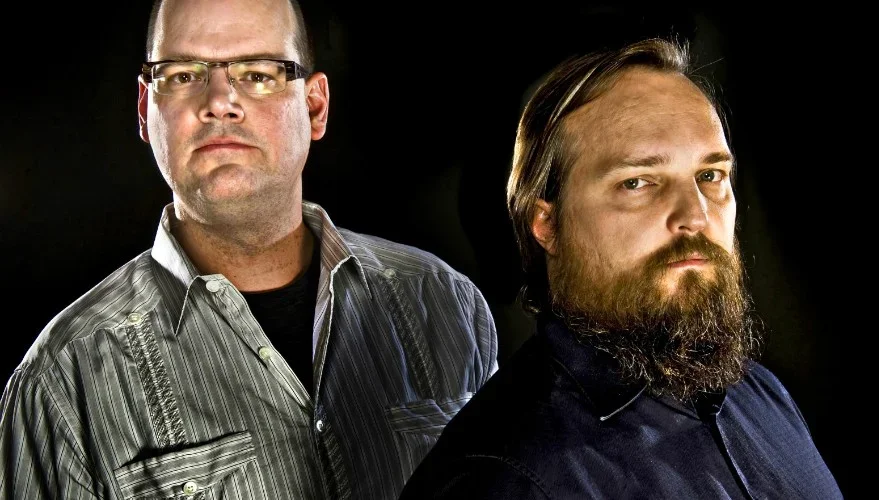
The sudden shuttering of BioWare, a titan of the role-playing game (RPG) genre, has sent shockwaves through the global gaming community, marking the end of a multi-decade legacy that defined the interactive storytelling medium. For industry veterans and fans alike, the news serves as a somber coda to a studio that once stood as a beacon of creative ambition in Edmonton, Alberta. Greg Zeschuk, who co-founded the studio in 1995 alongside Ray Muzyka and Augustine Yip, recently broke his silence on the closure, framing the event not as a sudden collapse, but as the final consequence of a long-term shift in the corporate priorities of Electronic Arts (EA).
A Legacy Defined by Narrative Depth
Founded by three medical doctors, BioWare rose to prominence in the late 1990s and 2000s by challenging the industry standard for narrative complexity. With seminal titles such as Baldur’s Gate, Star Wars: Knights of the Old Republic, and the Mass Effect trilogy, the studio cultivated a reputation for player-driven choices that carried significant emotional weight. These games were not merely technical achievements; they were cultural touchstones that prioritized deep character development and intricate world-building.
The studio’s departure from its roots was a gradual process, according to Zeschuk. During a recent interview with 80 Level, the former CEO noted that the studio’s decline was not attributable to a single failure, but rather a slow transformation driven by leadership turnover and the changing incentives of the gaming market. Zeschuk, who departed the industry in 2012 following the release of Mass Effect 3, observed that the studio’s identity was fundamentally tied to the individuals who populated its halls. As talent shifted and the internal culture evolved, the studio’s ability to maintain its unique creative spark faced increasing friction against the demands of its corporate parent.
The Acquisition and the "Final Nail"
The narrative of BioWare’s decline is inextricably linked to its relationship with Electronic Arts. While the 2008 acquisition of the studio by EA provided the financial backing required for massive projects like Dragon Age and Mass Effect, it also integrated the boutique developer into a massive, profit-driven machine. Zeschuk highlighted a specific turning point in the studio’s timeline: the recent private acquisition of EA by a consortium involving Saudi Arabia’s Public Investment Fund (PIF).
"I think it was the final nail in the coffin," Zeschuk stated, reflecting on the broader financial maneuvers that have recently reshaped the gaming sector. He noted that, within the current corporate hierarchy of major publishers, the business model for high-budget, narrative-heavy RPGs is often viewed as inefficient compared to the recurring revenue streams provided by live-service titles or annual sports franchises. The pressure to prioritize high-margin, predictable content left little room for the "unusual" and time-intensive games that made BioWare famous. For Zeschuk, the shift represents a broader industry trend where the pursuit of quarterly financial growth systematically displaces the creative risks necessary to produce legacy-defining art.
Chronology of a Studio’s Evolution
The history of BioWare is a study in the rapid evolution of the digital entertainment industry:
- 1995: BioWare is founded in Edmonton by Ray Muzyka, Greg Zeschuk, and Augustine Yip.
- 1998: The studio gains international acclaim with the release of Baldur’s Gate, revitalizing the computer RPG market.
- 2003: Star Wars: Knights of the Old Republic is released, cementing the studio’s status as a master of narrative-driven gameplay.
- 2008: Electronic Arts acquires BioWare as part of a strategic push to capture the RPG market.
- 2012: Founders Ray Muzyka and Greg Zeschuk announce their retirement from the gaming industry, moving into diverse ventures including craft brewing and philanthropy.
- 2023-2024: Following a series of restructuring phases and internal project cancellations, the final dissolution of the studio is confirmed, effectively canceling upcoming projects, including the next entry in the Mass Effect franchise.
The Impact on the Edmonton Tech Ecosystem
Beyond the loss of specific intellectual properties, the closure of BioWare represents a significant blow to the local economy of Edmonton. For years, the studio served as a focal point for the region’s technology sector, attracting global talent and proving that a world-class creative powerhouse could flourish outside of traditional tech hubs like Silicon Valley or Vancouver.
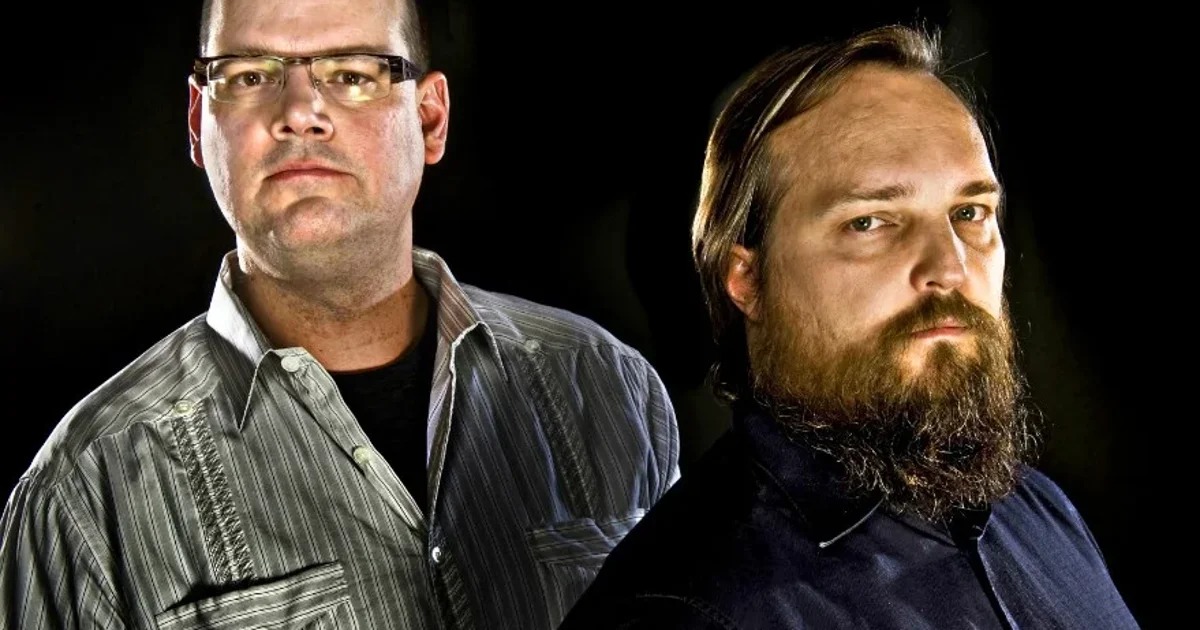
Zeschuk acknowledged the personal sadness associated with the closure, noting that the studio was once a "beacon of hope and excitement" for the city. By proving that a Canadian team could create massive, globally recognized franchises, BioWare provided a blueprint for regional growth. Its disappearance leaves a void in the local labor market and a symbolic loss of status for the Edmonton creative community.
Industry Analysis: The Crisis of "Prestige" Gaming
The shuttering of BioWare is part of a larger trend of industry contraction. According to recent market analysis from firms like Newzoo and various industry watchdogs, the video game sector is currently undergoing a period of "right-sizing" following the pandemic-era boom. However, this contraction has disproportionately affected prestige studios known for long development cycles and high-budget narrative games.
Financial analysts point to the "blockbuster" problem: as the cost of developing a AAA title rises into the hundreds of millions of dollars, the margin for error shrinks. Publishers are increasingly hesitant to invest in projects that do not guarantee a long-term, service-based revenue model. This creates an environment where studios like BioWare, which thrived on high-concept, finite experiences, struggle to justify their existence to shareholders who demand constant engagement and recurring microtransactions.
A New Chapter for the Founders
While the studio he helped build has closed, Greg Zeschuk has successfully pivoted to a different form of creative entrepreneurship. Since 2017, he has focused on his craft brewery, Blind Enthusiasm, based in Edmonton. The company, which now employs over a dozen staff members and distributes thousands of bottles annually, serves as a testament to the founder’s commitment to quality-driven production, albeit in a different medium.
Ray Muzyka, conversely, has remained largely removed from the public eye regarding the studio’s closure. His transition to philanthropy and investment has mirrored the path taken by many early-2000s tech entrepreneurs, signaling a complete break from the industry that defined their early careers.
Implications for the Future
The closure of BioWare will be studied for years as a case study in corporate management and the lifecycle of creative studios. It raises fundamental questions about the sustainability of the current AAA development model. Can a studio truly maintain its culture and creative vision once it is fully absorbed into a massive, profit-focused conglomerate?
As the industry mourns the loss of one of its most influential players, the message from former leaders like Zeschuk is clear: the success of a studio is entirely dependent on its people. When the corporate environment shifts to prioritize financial metrics over the collaborative spirit that drives innovation, the eventual degradation of the output—and the ultimate demise of the entity—becomes an inevitability. While the BioWare name may persist as a brand within the EA portfolio, the creative engine that once pushed the boundaries of interactive storytelling has been permanently extinguished. For fans, the focus now shifts to the legacy of the games themselves, which remain as testaments to a time when risk-taking and narrative depth were the highest currency in the gaming world.