






The Production Team and Creative Direction
The adaptation has already begun assembling a high-profile creative team, blending experienced genre filmmakers with established industry veterans. Karyn Kusama, renowned for her work on the cult horror classic Jennifer’s Body and the tense psychological thriller The Invitation, has been attached to direct the project. Her involvement is seen as a deliberate move to maintain the atmospheric, character-driven horror that defined the source material.
Production duties are shared by a team including Scott Derrickson, the filmmaker behind Sinister and the Marvel Cinematic Universe entry Doctor Strange. The screenplay is set to be written by the collaborative duo of Matt Manfredi and Phil Hay. Their portfolio includes a wide range of projects, such as Destroyer and The Invitation, the latter of which also featured the creative synergy between Kusama, Hay, and Manfredi. This existing professional rapport is expected to provide a cohesive vision for the adaptation’s transition from a first-person gaming experience to a scripted feature film.
Contextualizing the Source Material
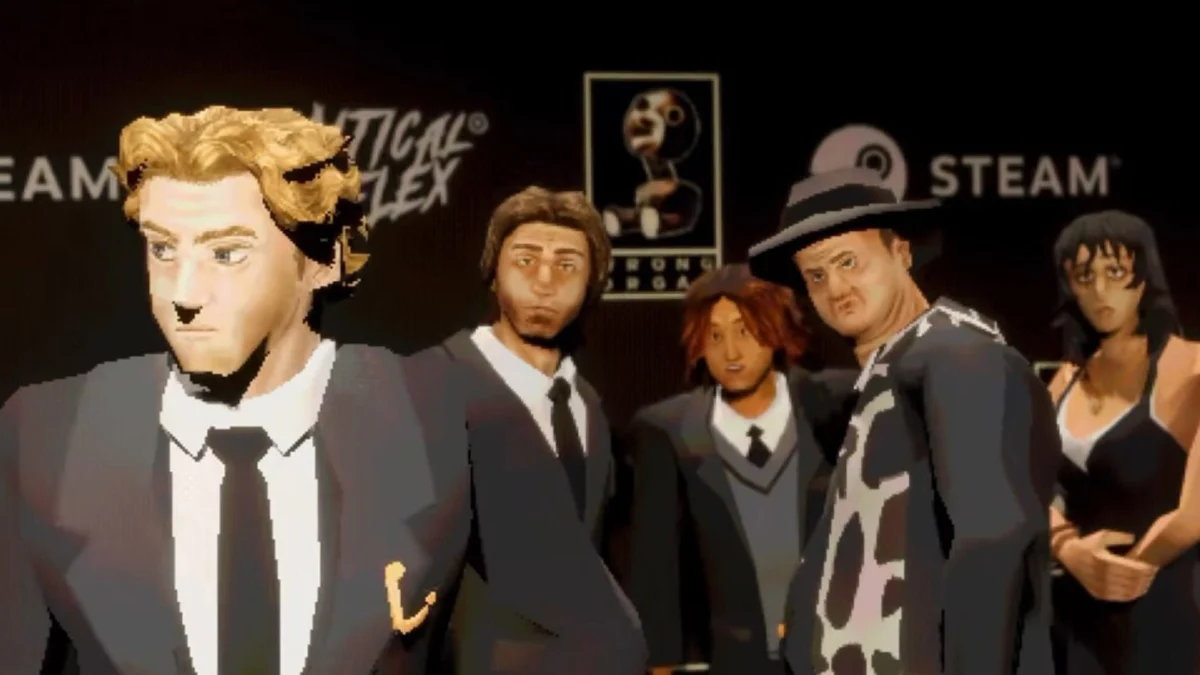
Released to critical acclaim, Mouthwashing is a narrative-heavy, first-person psychological horror game that centers on themes of corporate exploitation, systemic failure, and the deteriorating mental states of individuals trapped in high-pressure environments. Its gameplay is defined by a "walking simulator" structure, focusing heavily on environmental storytelling and perspective-shifting narrative threads rather than traditional combat or reflex-based mechanics.
The game is noted for its exploration of traumatic subject matter, presenting a bleak and often visceral depiction of human degradation within the confines of a space-faring vessel. Because the core of the experience relies on the intimacy of the first-person perspective—where the player’s agency is limited to observing and interacting with a crumbling environment—critics have noted that the transition to a passive medium like cinema will require a fundamental shift in how the audience engages with the narrative. The challenge for the production team lies in recreating the game’s unique psychological claustrophobia without the immersion inherent in the original interactive medium.
The Rise of Indie Game Adaptations
The acquisition of Mouthwashing is part of a broader industry evolution. Over the past five years, the valuation of independent gaming intellectual property has risen sharply. Data from market research firms suggests that mid-budget horror films based on established digital franchises have shown a higher rate of return on investment compared to original horror scripts.
For Sony Pictures, the strategy appears to be one of platform diversification. By securing rights to titles that possess a dedicated, highly engaged fanbase, the studio lowers the risk associated with brand recognition. However, this strategy also brings the scrutiny of those very fans. The digital discourse surrounding the game—often characterized by intense, meme-heavy engagement—presents a double-edged sword for the marketing team. While the existing audience provides a built-in marketing engine, their high expectations for narrative fidelity create a challenging environment for creative adaptations.
Industry Implications and Challenges
The adaptation of Mouthwashing into a feature film raises several questions regarding the translation of interactive tropes. Video game-to-film adaptations historically struggle with pacing, often because the "active" nature of games—where the player controls the progression—is replaced by the "passive" nature of film.
- Narrative Perspective: The game utilizes shifting perspectives to obscure and reveal information. A film adaptation must choose a singular visual language to convey these subjective truths, which may alienate fans who valued the game’s specific, non-linear unfolding of events.
- Thematic Sensitivity: Given the mature and often harrowing nature of the game’s themes, the production team faces the task of balancing commercial viability with the gravity of the source material. The choice of Karyn Kusama as director suggests an intent to lean into the psychological horror aspects, yet the studio pressure for a wider, more mainstream appeal remains a significant factor in such high-profile deals.
- Fandom Management: The game’s community has historically engaged with the material through social media subcultures, often prioritizing thematic shorthand and character-based memes over traditional narrative analysis. The studio will need to navigate how to acknowledge this community without allowing the film’s tone to be diluted by the internet-centric nature of the game’s existing discourse.
A Timeline of the Transition
- Initial Release: Mouthwashing is released by Wrong Organ and published by Critical Reflex, quickly gaining a reputation for its dark, uncompromising narrative.
- Critical Reception: The game receives positive reviews for its writing and atmosphere, solidifying its status as a significant indie title of its release year.
- Acquisition Announcement: Sony Pictures, through its Screen Gems subsidiary, enters negotiations for the film rights, citing the narrative strength of the title.
- Creative Team Formation: Karyn Kusama, Scott Derrickson, Matt Manfredi, and Phil Hay are officially announced as the core creative force behind the adaptation.
- Development Phase: The project enters active development, with the studio expected to begin the casting and pre-production process in the coming months.
Professional Analysis of the Adaptation
From a production standpoint, the success of the Mouthwashing film will likely depend on the screenplay’s ability to move beyond the game’s "walking sim" mechanics. If the writers focus solely on the plot beats, the film risks feeling like a disjointed series of events. However, if the team focuses on the atmospheric dread—the core of why the game succeeded—they may create a distinct piece of cinema.
The involvement of producers with diverse track records, ranging from high-budget spectacles to grounded horror, indicates that Sony is aiming for a middle-ground approach. The studio’s goal is to capitalize on the "prestige horror" trend, which has proven lucrative for studios like A24 and Neon. If successful, Mouthwashing could serve as a case study for how independent narrative-driven games can transition into the mainstream film market without losing the stylistic identity that made them popular in the first place.
As production moves forward, industry observers will be watching to see how the team addresses the game’s more controversial elements. In an era where audiences are increasingly sensitive to how trauma is depicted in media, the way the film handles these aspects will likely dictate its reception. For now, the project remains in the early stages, with the industry awaiting further details on casting and the intended release window.
While skepticism regarding video game adaptations remains a staple of film criticism, the pedigree of the attached talent suggests a serious attempt at a faithful, albeit transformed, cinematic interpretation. Whether the final product resonates with the core audience or alienates those who hold the source material in high regard remains the central point of contention as the project moves from announcement to execution.