The Strategic Shift Toward On-Device AI
The delay in refreshing the HomePod and Apple TV lines has been widely attributed to the hardware requirements of the new Siri, which relies heavily on localized large language models (LLMs). Unlike previous iterations of the assistant that functioned primarily through cloud-based relays, the new Siri requires the computational overhead provided by Apple’s latest silicon—specifically the S-series and A-series chips that feature robust Neural Engines.
Industry analysts suggest that by upgrading these home devices, Apple aims to transform its stagnant living room offerings into a centralized command center for its broader ecosystem. The move is not merely a hardware refresh; it represents a fundamental shift in how the company positions itself against competitors like Amazon and Google, which have dominated the smart home sector with the Echo and Nest product families for nearly a decade. By prioritizing local processing, Apple is doubling down on its long-standing marketing pillar of user privacy, ensuring that personal data and voice queries remain processed within the home environment rather than being sent to external data centers.
Imminent Hardware Upgrades: Fall 2026
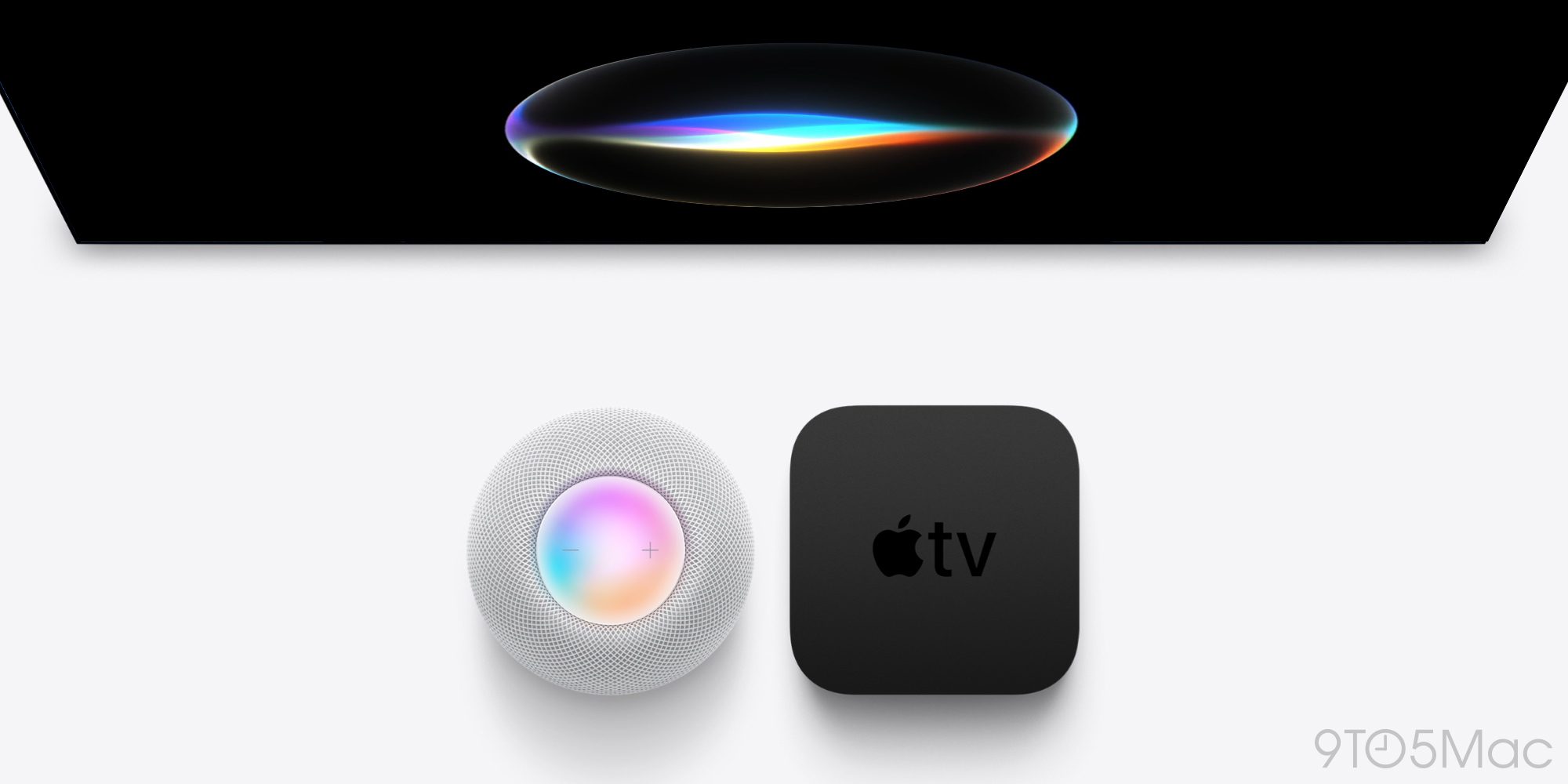
The initial phase of this rollout is expected to target the existing HomePod mini and Apple TV 4K. These products have been the workhorses of Apple’s home strategy, and their upcoming updates are designed to bridge the gap between legacy functionality and the requirements of the Apple Intelligence era.
The HomePod mini, currently powered by the S5 chip, is slated for a transition to the S9 chip or higher. This hardware upgrade is essential for supporting the complex, real-time audio processing and voice recognition features required by the revamped Siri. In addition to the processor bump, reports indicate that Apple may introduce new color palettes and integrate the N1 wireless chip—a component previously debuted in the iPhone—to enhance connectivity and device handoff protocols. While these updates remain modest from a design perspective, the performance leap provided by the newer silicon is intended to make the device a significantly more capable and responsive assistant.
Concurrently, the Apple TV 4K is expected to receive a substantial internal overhaul. Moving from the A15 Bionic chip to the A17 Pro represents a significant leap in computational performance. While some critics argue that the A17 Pro is already nearing the end of its premier cycle, it is more than sufficient to handle the localized AI tasks, high-fidelity media decoding, and gaming capabilities required of a modern living room hub. Beyond the internal silicon, rumors persist that Apple is testing a refined, more ergonomic remote control design to complement the upgraded box. Pricing is expected to remain stable, with the HomePod mini currently anchored at $129 and the Apple TV 4K starting at $199, maintaining competitive parity with the broader market.
The Rise of homeOS and Dedicated Smart Displays
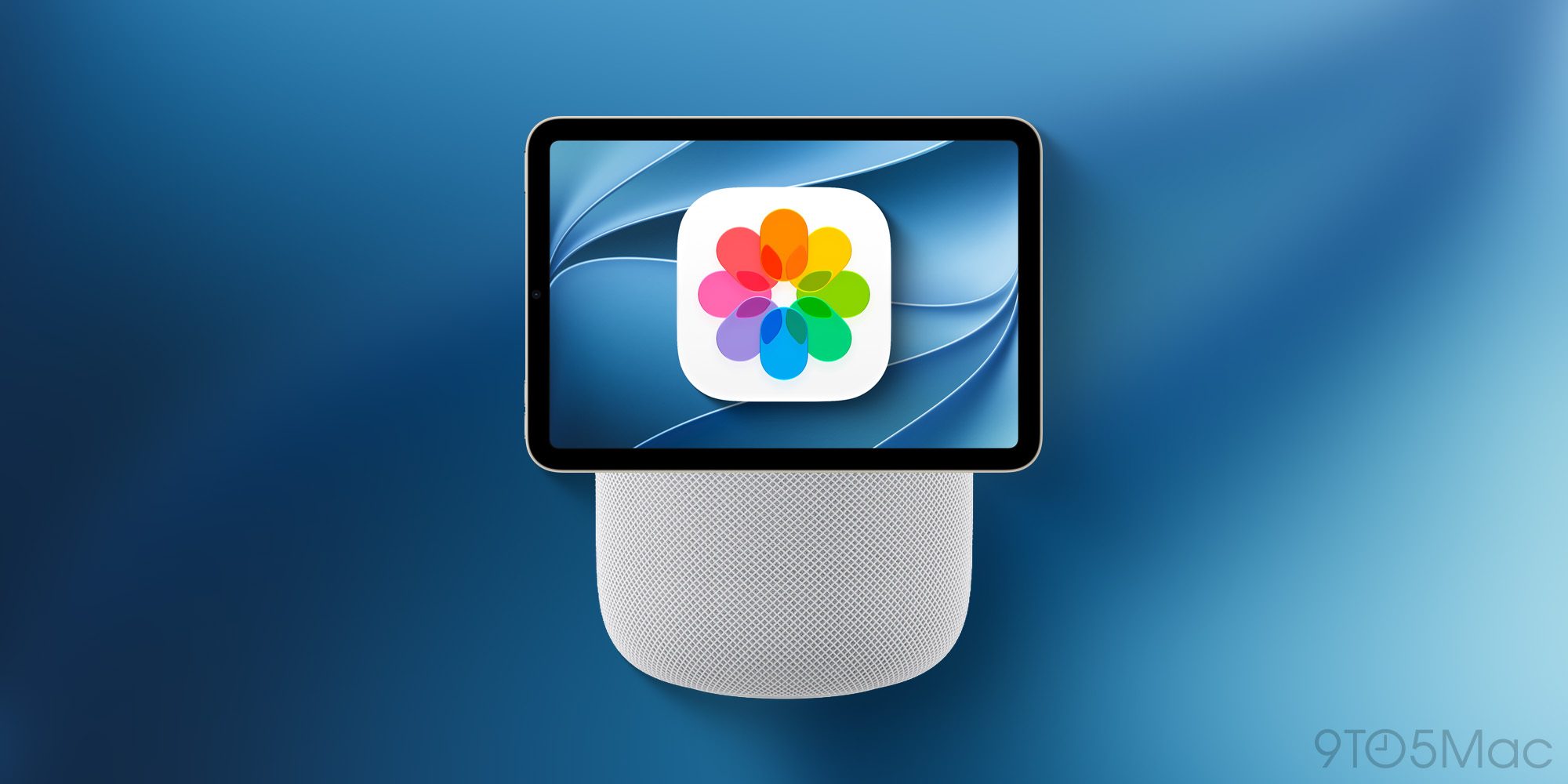
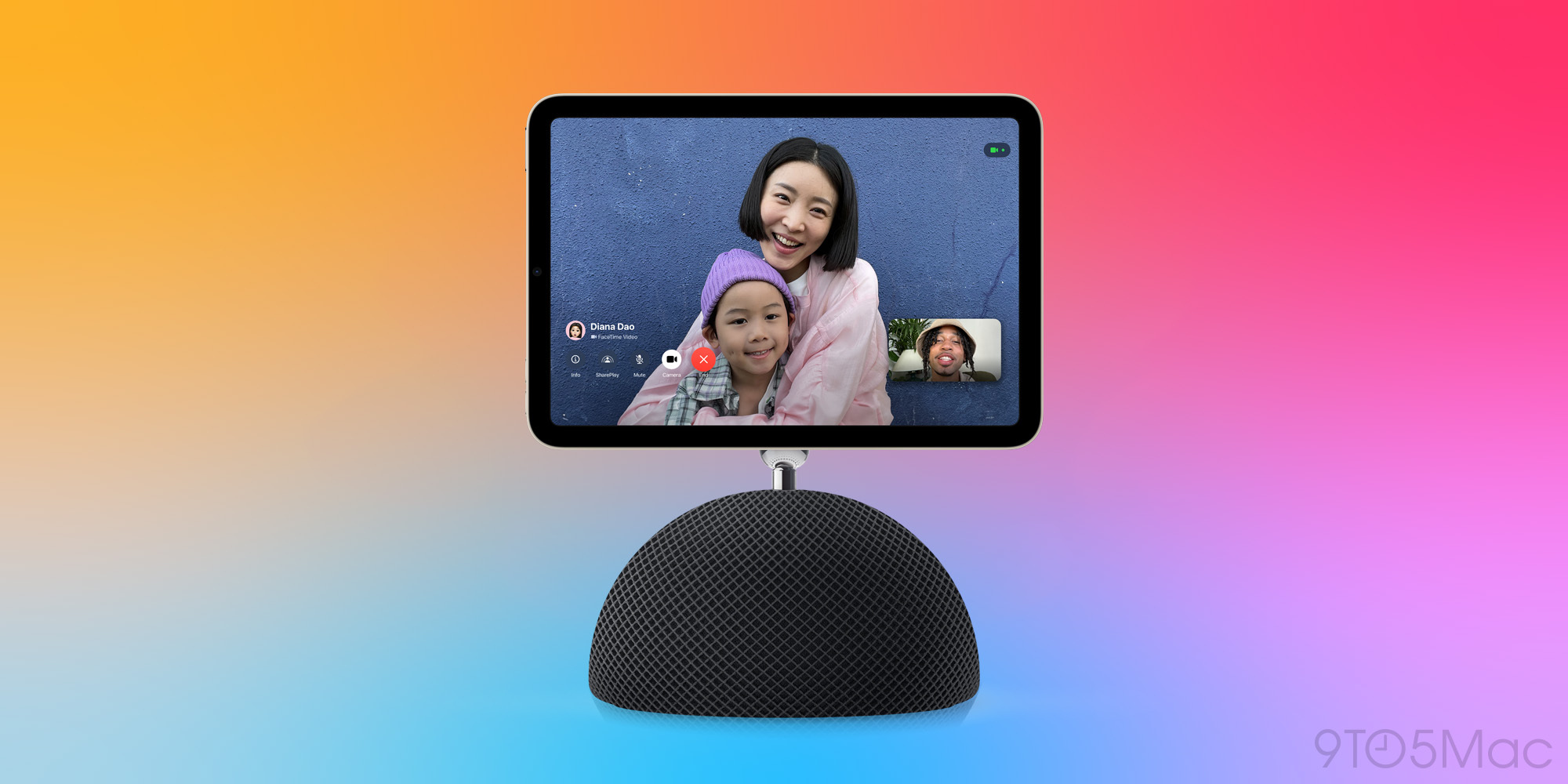
Perhaps the most significant development in Apple’s roadmap is the introduction of a new product category entirely: the dedicated smart home hub. Development on this front has been extensive, with internal testing focusing on two distinct form factors. The first is a sleek, wall-mountable display that utilizes a magnetic mounting system, designed to blend into modern home decor. The second is a tabletop device featuring a dedicated speaker base, bearing a functional resemblance to the Google Nest Hub.
Both devices are expected to run on a proprietary operating system, internally referred to as homeOS. This OS is being built from the ground up to facilitate seamless interaction between the device, the user’s personal data, and smart home appliances. Key features will include native FaceTime integration, sophisticated management of HomeKit-enabled devices, and full-scale interaction with Siri AI.
According to internal reports, these devices will be powered by the A18 chip, ensuring that they possess the necessary thermal and computational headroom to function as the primary brain of a modern smart home. This product, often referred to in industry circles as the "HomePad," is tentatively scheduled for release between late 2026 and early 2027. The successful launch of this hardware will be critical for Apple as it attempts to capture market share from established smart display incumbents.
Expanding the Ecosystem: Security and Robotics
Beyond the immediate horizon, Apple’s ambitions extend into the security and robotics sectors. The company is actively developing a suite of smart home accessories, including a dedicated security camera and a smart doorbell. These devices are intended to create a closed, secure ecosystem that competes directly with brands like Ring and Nest, leveraging the familiarity of the Apple Home app to offer a more unified user experience.
Further into the future, Apple is exploring more advanced home robotics. A high-end version of the aforementioned smart display, currently in the prototyping stage, is rumored to feature a mechanical, robotic arm capable of moving the display to follow the user. This "tabletop robot" concept represents Apple’s most experimental foray into home hardware, aiming to move beyond stationary screens to interactive, mobile assistants. While this project is in its infancy, it underscores Apple’s long-term vision of the home as a dynamic, intelligent environment that anticipates user needs.
Implications for the Smart Home Industry
The decision to pivot toward an AI-integrated home ecosystem arrives at a pivotal moment for the industry. Consumers have increasingly expressed frustration with the fragmentation of smart home standards and the security vulnerabilities associated with cloud-based AI. Apple’s emphasis on hardware-level integration of intelligence could set a new industry standard.
From a market perspective, this shift is expected to have several implications:
- Increased Hardware Longevity: By utilizing more powerful silicon (such as the A17 and A18 chips), Apple is likely aiming to increase the product lifecycle of its home devices, allowing for years of software updates and AI model improvements.
- Ecosystem Lock-in: As Apple deepens the integration between the iPhone, Apple Watch, and these new home hubs, the barrier to entry for non-Apple users increases. This creates a "walled garden" that is increasingly difficult to leave once a user has invested in multiple smart home peripherals.
- Standardization of Privacy: By processing AI requests locally, Apple is challenging the data-harvesting business models of its competitors. If Apple can demonstrate that its AI is both smarter and more private, it may force a sector-wide shift in how smart home device manufacturers approach user data.
Conclusion and Outlook
The timeline for this transformation is aggressive. Starting this fall with the refresh of the HomePod mini and Apple TV 4K, Apple is systematically laying the groundwork for a broader, AI-first home strategy. The development of homeOS, the introduction of dedicated smart hubs, and the expansion into home security products indicate that Apple views the home as the next great frontier for the company’s services and hardware integration.
While the success of these products will depend on the real-world performance of the new Siri and the reliability of the homeOS platform, the company’s commitment to high-performance silicon and privacy-centric design provides a strong foundation. As we approach late 2026, the tech landscape will be closely watching whether these new, intelligence-driven devices can successfully redefine the modern smart home experience and solidify Apple’s position as a leader in the domestic technology market.