










The smart home industry is currently navigating a period of profound transition, defined by a shift in leadership at tech giants, the maturation of foundational consumer technologies, and a tightening regulatory environment. As the Amazon Echo and its virtual assistant, Alexa, approach their ten-year anniversary, the ecosystem they helped pioneer is facing critical questions regarding sustainability, interoperability, and long-term viability.
Executive Transitions at Amazon
The recent announcement that David Limp, Amazon’s senior vice president of devices and services, intends to retire marks a significant chapter closing for the company. Limp has been the primary architect of Amazon’s hardware strategy for over a decade, overseeing the birth and rapid expansion of the Echo line and the Alexa ecosystem. His departure is part of a broader trend of high-level personnel changes within Amazon over the past twelve months.
Industry analysts suggest that Limp’s departure signals a potential strategic pivot for the company. While Alexa was once the centerpiece of Amazon’s consumer hardware vision, recent reports indicate that the company has been grappling with the economic challenges of maintaining such an expansive, power-hungry infrastructure. As the platform enters its second decade, the focus is shifting from rapid adoption and market penetration to long-term profitability and the integration of generative AI to revitalize the user experience.
The Evolution of the Smart Home Market
A decade after the initial launch of the Amazon Echo, the promise of a seamlessly connected smart home remains partially unfulfilled. While connectivity has increased, the market is characterized by high-cost, niche innovations that often struggle to achieve mass-market utility.
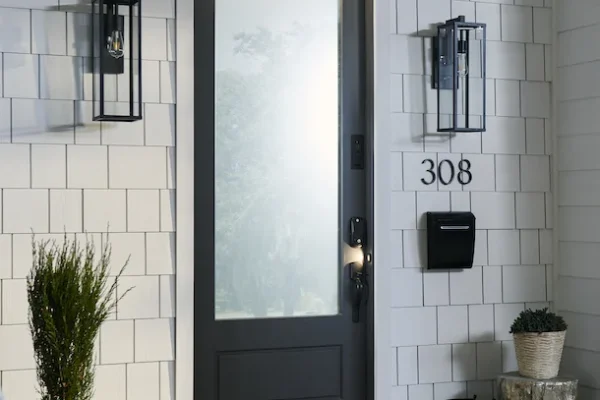
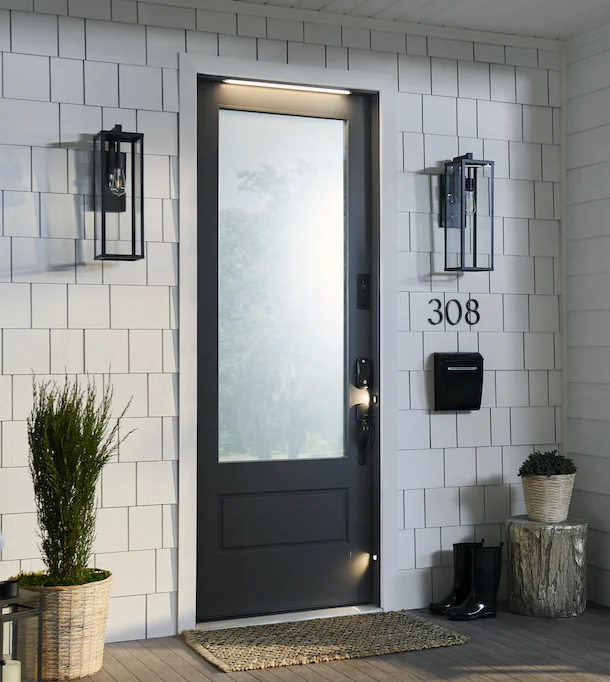
Recent product launches highlight this friction. For example, the Mill composting system—founded by Nest veteran Matt Rodgers—represents a sophisticated approach to home sustainability, yet its high entry price point underscores the current trend of "premiumization" in the smart home space. Similarly, Masonite’s introduction of a smart door available at Home Depot serves as a case study for the sector’s current trajectory: high-tech, highly integrated, and priced in a bracket that limits accessibility for the average consumer. These devices demonstrate that while the technology is capable of automating complex domestic tasks, the industry is still searching for the "killer app" that bridges the gap between luxury novelty and household necessity.
Cybersecurity and Regulatory Oversight
As the density of connected devices in residential settings increases, so does the surface area for potential security breaches. Recognizing the risks posed by poorly secured Internet of Things (IoT) devices, the Federal Communications Commission (FCC) has formally released a Notice of Proposed Rule Making (NPRM) for an IoT cybersecurity labeling program.
This program aims to establish a voluntary, standardized "seal of approval" for smart devices, providing consumers with clear information regarding the security protocols and update lifecycles of the products they purchase. The FCC is currently soliciting public comments over a 30-day window, a move industry observers believe is necessary to foster trust in a market where privacy concerns have historically slowed adoption. If implemented, this program could act as a catalyst for industry-wide standardization, forcing manufacturers to prioritize security at the hardware level rather than as an afterthought.
Infrastructure Risks and Industrial Vulnerabilities
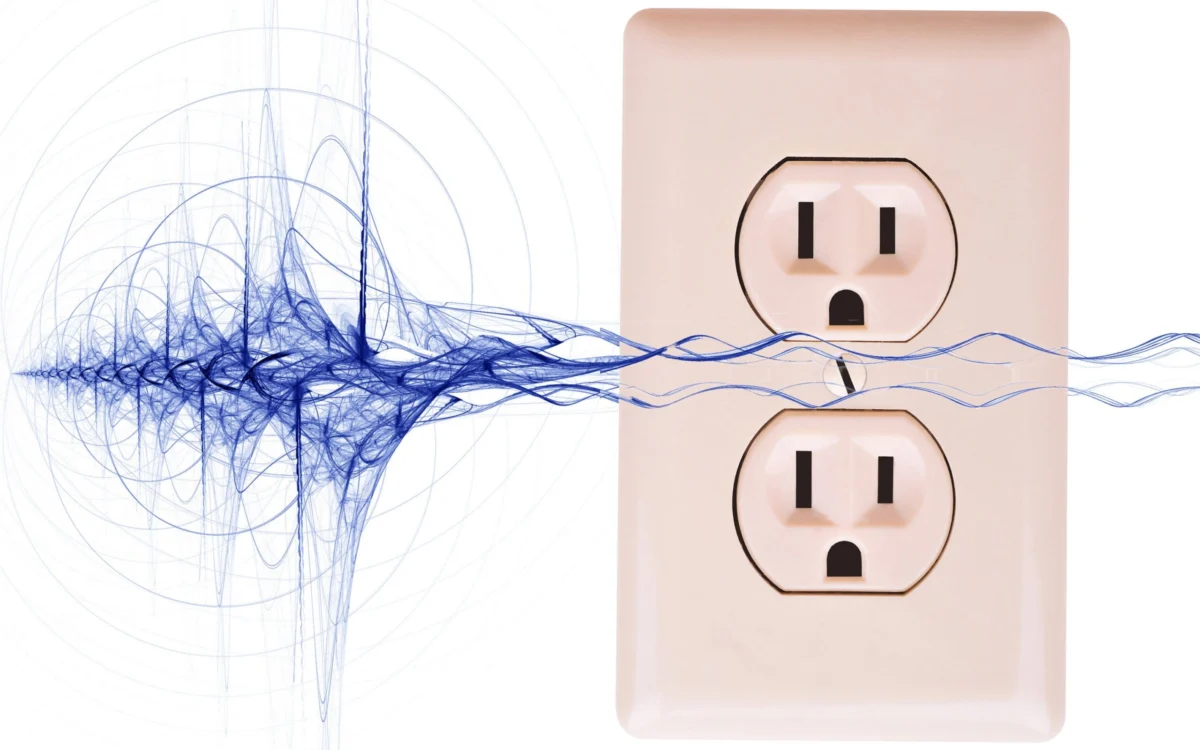
Beyond consumer convenience, the security of smart infrastructure has become a matter of national concern. Microsoft’s recent discovery of a suite of vulnerabilities within industrial control systems highlights the fragility of the digital backbone supporting our power grids and utility networks. These findings reveal that the protocols used in some industrial equipment are susceptible to exploits that could, in extreme scenarios, result in service disruptions.

This revelation underscores the convergence of IT and OT (Operational Technology). As smart devices become more pervasive, the distinction between a connected lightbulb and a critical infrastructure controller is blurring. Security experts have long warned that the rapid deployment of connected hardware without adequate hardening measures poses a systemic risk. The discovery serves as a clarifier for the industry, pushing manufacturers toward more rigorous patching cycles and enhanced authentication protocols.
The Future of Connectivity: Z-Wave and Matter
The interoperability of smart home protocols remains a primary hurdle for consumers. The Matter standard was designed to unify the fragmented landscape of connected devices, yet proprietary protocols like Z-Wave continue to play a vital role, particularly in professional-grade and reliable home automation setups.
Trident IoT, led by founder and CTO Mariusz Malkowski, is stepping into this space to address the supply chain and certification gaps in the Z-Wave ecosystem. By becoming a secondary source for Z-Wave chips and operating as a dedicated certification house, Trident aims to stabilize a protocol that has struggled with chip availability and fragmentation. Malkowski emphasizes that the future of the smart home lies not in the displacement of existing protocols, but in the intelligent bridging between them. He posits that Matter and Z-Wave are complementary: Z-Wave provides the robust, low-power mesh networking required for high-reliability sensors, while Matter provides the universal language that allows disparate devices to communicate.
Furthermore, the advancement of Z-Wave Long Range (LR) technology is set to expand the capabilities of home networks, offering greater range and density for large-scale installations. This, combined with planned security upgrades, suggests that Z-Wave will remain a cornerstone of professional smart home integrations for the foreseeable future.
Local Control vs. Cloud Dependence
The debate between cloud-dependent ecosystems and local control continues to influence hardware development. Recent reviews of devices such as the Homey Pro smart home hub highlight the growing consumer demand for local processing. By allowing users to control their devices without relying on constant cloud connectivity, products like the Homey Pro offer increased privacy, reduced latency, and resilience against internet outages.
However, these benefits often come at a premium. The cost of such hubs is significantly higher than entry-level voice assistants, reflecting the engineering complexity required to maintain local compatibility with a vast array of third-party devices. This market segment serves a dedicated base of power users, yet it provides a roadmap for the rest of the industry; as privacy concerns grow, a move toward local, edge-based processing may become a standard requirement rather than a luxury feature.
Conclusion and Outlook
The smart home industry is currently in a state of consolidation. The initial "gold rush" phase—defined by a flood of affordable, cloud-tethered devices—is giving way to a more mature era that prioritizes security, interoperability, and sustainable business models.
As Amazon prepares for the post-Limp era and the FCC moves toward establishing cybersecurity benchmarks, the industry is entering a critical juncture. The next decade will likely be defined by the successful integration of Matter, the maturation of local-first control systems, and the implementation of rigorous security standards. For manufacturers, the path forward is clear: success will no longer be determined solely by the number of units sold, but by the reliability, security, and long-term utility of the systems they deploy in the modern home. The transition from a collection of "smart" gadgets to a cohesive, secure home ecosystem is no longer just a technical goal—it is an economic and social imperative.