











In the digital ecosystems of contemporary consumer culture—from specialized online forums to crowded chat rooms—discussions surrounding personal equipment, apparel, and everyday carry items almost invariably converge on two distinct metrics: financial cost and mechanical performance. Consumers and reviewers dissect price tags, evaluate durability indices, and test waterproof ratings, seeking quantifiable justifications for their purchases. Yet, this narrow focus on utility ignores a profound psychological and sociological reality. Long after superior alternatives emerge on the market, individuals routinely cling to frayed backpacks, battered jackets, and dented camping equipment. This phenomenon suggests that physical objects perform critical auxiliary functions that bypass traditional spec sheets, acting as anchors for human emotion, personal identity, and social interaction.
The Framework of Material Psychology: Don Norman’s Three Levels
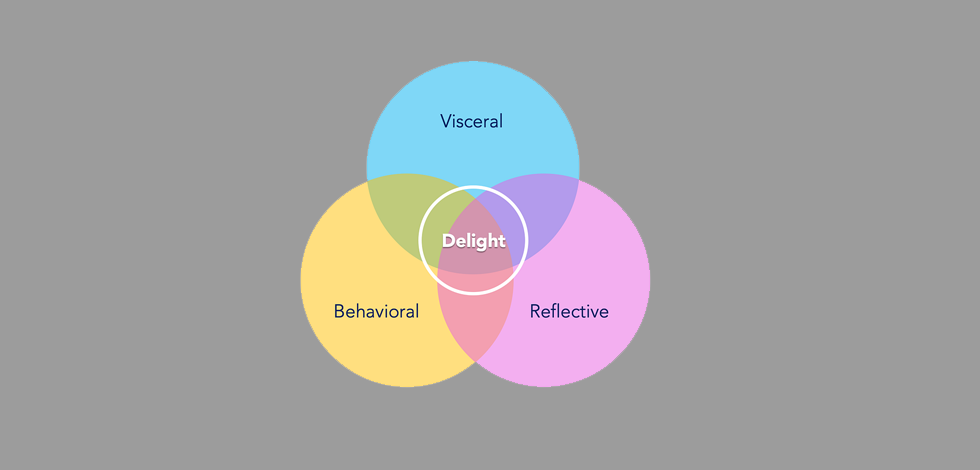
To understand why humans form deep attachments to inanimate objects, cognitive scientist Don Norman established a foundational framework in his seminal 2004 book, Emotional Design. Norman posits that human interactions with manufactured goods operate across three distinct cognitive tiers: the visceral, the behavioral, and the reflective.
The visceral level is immediate and pre-reflective, driven entirely by sensory inputs such as visual aesthetics, tactile feedback, and initial emotional resonance. The behavioral level governs core functionality—the pragmatic assessment of whether a tool executes its intended task efficiently. Finally, the reflective level encompasses meaning, self-image, and memory, determining how an object integrates into the narrative of an owner’s life.
Market analysis reveals that consumer discourse overwhelmingly concentrates on the behavioral tier. Performance metrics lend themselves easily to comparative charts, laboratory testing, and numerical ranking. Conversely, the visceral and reflective dimensions resist quantification, rendering them largely invisible to conventional product reviews despite their profound influence on consumer satisfaction and product longevity.
Tactile Engagement and the Visceral Connection
The psychological relationship with gear often begins entirely through the sense of touch, long before conscious deliberation occurs. The tactile qualities of premium materials—whether full-grain leather, waxed cotton, or high-tenacity ballistic nylon—trigger immediate neurological responses.
Academic research reinforces the significance of this tactile interaction. In a landmark 2009 study published by consumer researchers Joann Peck and Suzanne Shu, empirical evidence demonstrated that the mere physical act of touching an object significantly increases an individual’s psychological sense of ownership. Furthermore, the perceived pleasantness of that tactile experience directly influences how the consumer values the item. Hands initiate the relationship with an object before the analytical mind evaluates its utility.
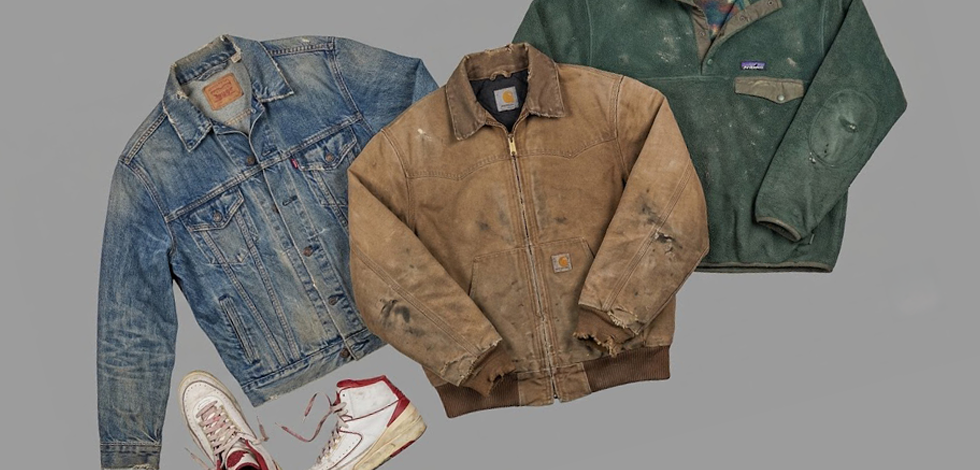
Beyond immediate tactile pleasure, specific garments and accessories possess the capacity to alter human self-perception and posture. Wearing a well-tailored jacket or a reliable pair of boots can measurably boost confidence, a psychological phenomenon rooted in embodied cognition. Consumer researcher Russell Belk theorized in 1988 that individuals incorporate their possessions into their subjective concept of self, defining material goods as an "extended self." Consequently, a rugged alpine jacket or a durable travel bag does not merely protect the body from elements; it projects an idealized persona, allowing individuals to align their external presentation with internal aspirations of capability and adventure.
The Narrative Architecture of Material Goods: Essentialism and Memory
Objects accumulate significant psychological weight through the narratives and histories attached to them. Yale psychologist Paul Bloom explores this mechanism in his 2010 book, How Pleasure Works, introducing the concept of psychological essentialism. Bloom demonstrates that human enjoyment and valuation of an object are fundamentally shaped by beliefs regarding its origin, provenance, and history, rather than its purely physical attributes.

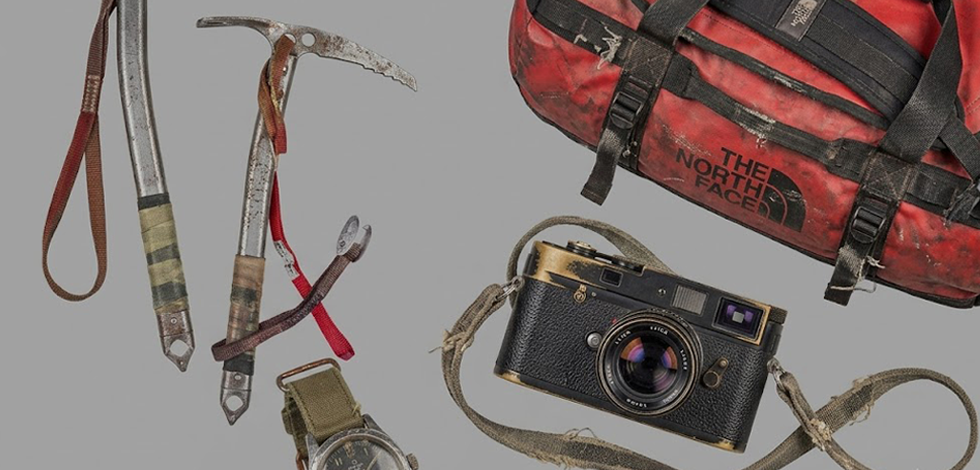
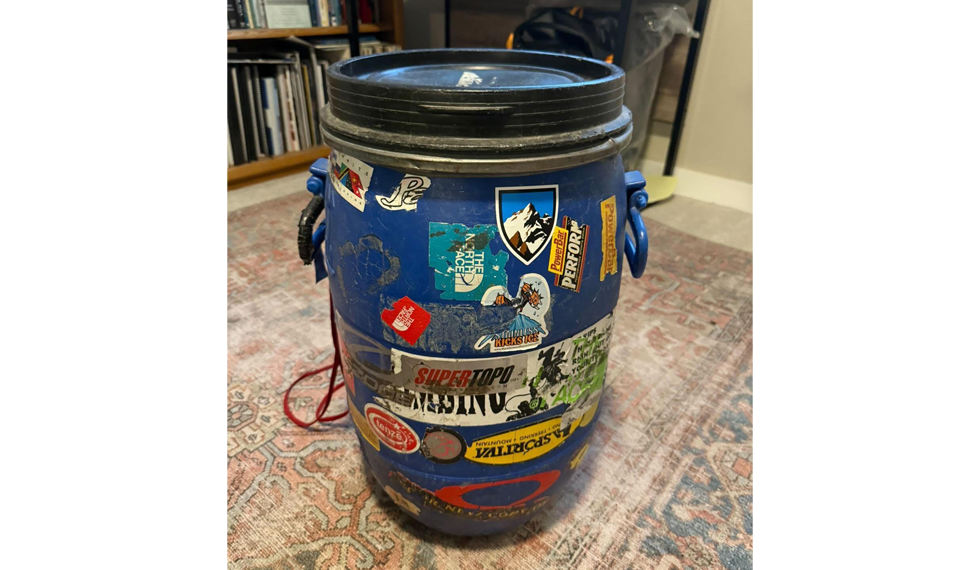
A mass-produced expedition barrel resting on a retail shelf is functionally identical to one carried across remote mountain ranges for decades by elite mountaineers like Conrad Anker. Yet, to the owner, the traveled item is transformed by the memory of freezing mornings, physical exhaustion, and hard-won summits.
This dynamic is pervasive among professional explorers and outdoor athletes. Mountaineer Renan Ozturk has maintained a pair of alpine trousers since 2010, which have undergone dozens of professional and amateur patches. Ozturk cites both superior ergonomic fit and the accumulation of shared memories as the rationale for their continued use, noting that heavily utilized gear frequently evolves into a psychological talisman. Similarly, climber Melissa Arnot carries a physical prayer card featuring a photograph of her late partner, Chhewang Nima, on every ascent—a practice that merges pragmatic risk management with profound emotional grounding.
The economic and cultural implications of this longevity are starkly visible in international traditions. In Japan, the traditional school backpack known as the randoseru, engineered to withstand six years of rigorous daily use by elementary students, is frequently preserved within family archives for decades, housing historical notebooks and report cards. These practices illustrate that while technical specifications dictate what an object can execute, narrative history determines its enduring value.
The Social Dimension: Signaling, Status, and Community
Expanding upon Don Norman’s theoretical framework, sociologists and consumer analysts emphasize a fourth critical dimension of material culture: the social tier. Physical possessions serve as non-verbal communication tools, signaling personal values, tribal affiliations, and socioeconomic status to the surrounding world.
In 1899, economist Thorstein Veblen established the foundational theory of conspicuous consumption in The Theory of the Leisure Class, arguing that material goods function primarily as status symbols. Over a century later, this dynamic manifests in contemporary urban fashion trends, such as the emergence of "gorpcore"—a movement identified in 2017 where city residents incorporate technical mountaineering apparel into everyday urban attire. Industry leaders, including the chief executive of technical apparel brand Arc’teryx, have acknowledged that a brand’s authentic utility in extreme alpine environments drives its desirability among consumers who may never utilize its technical specifications.

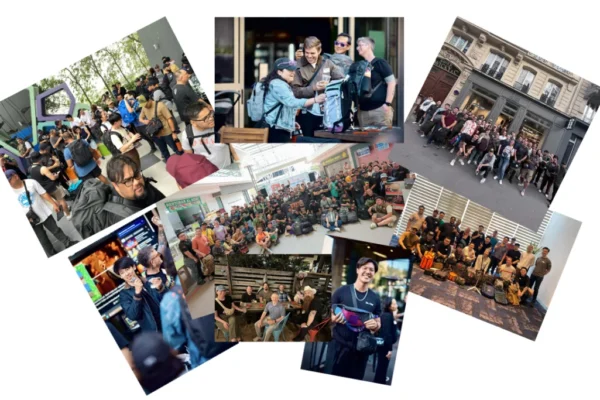
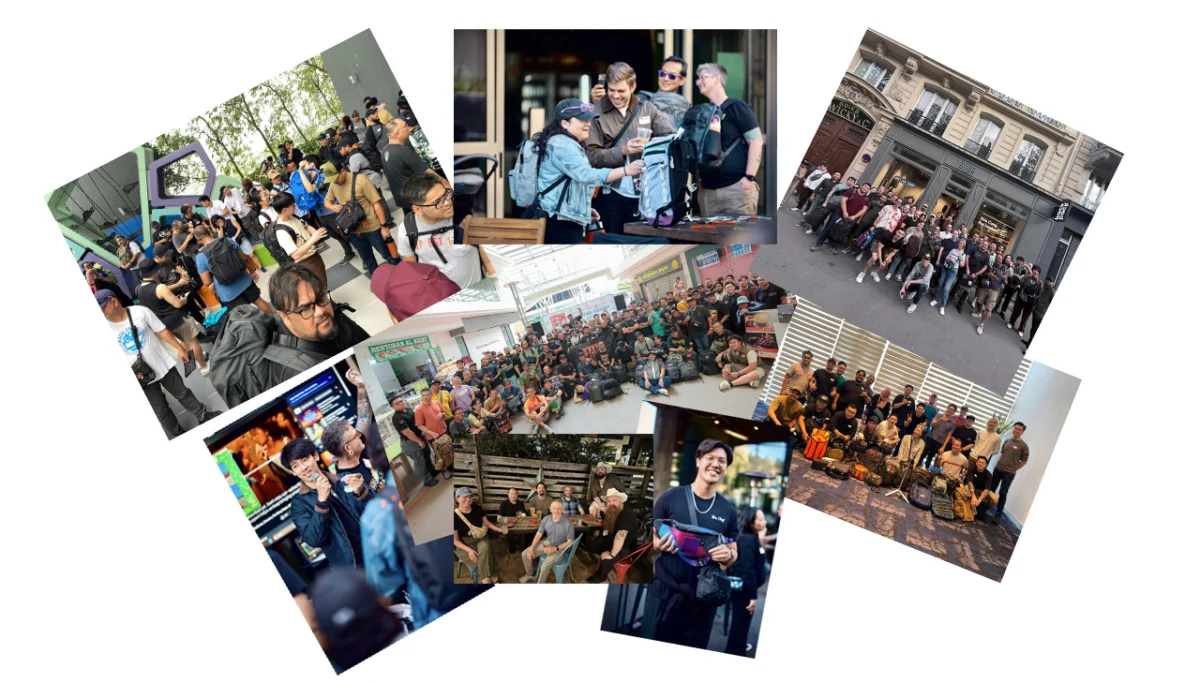
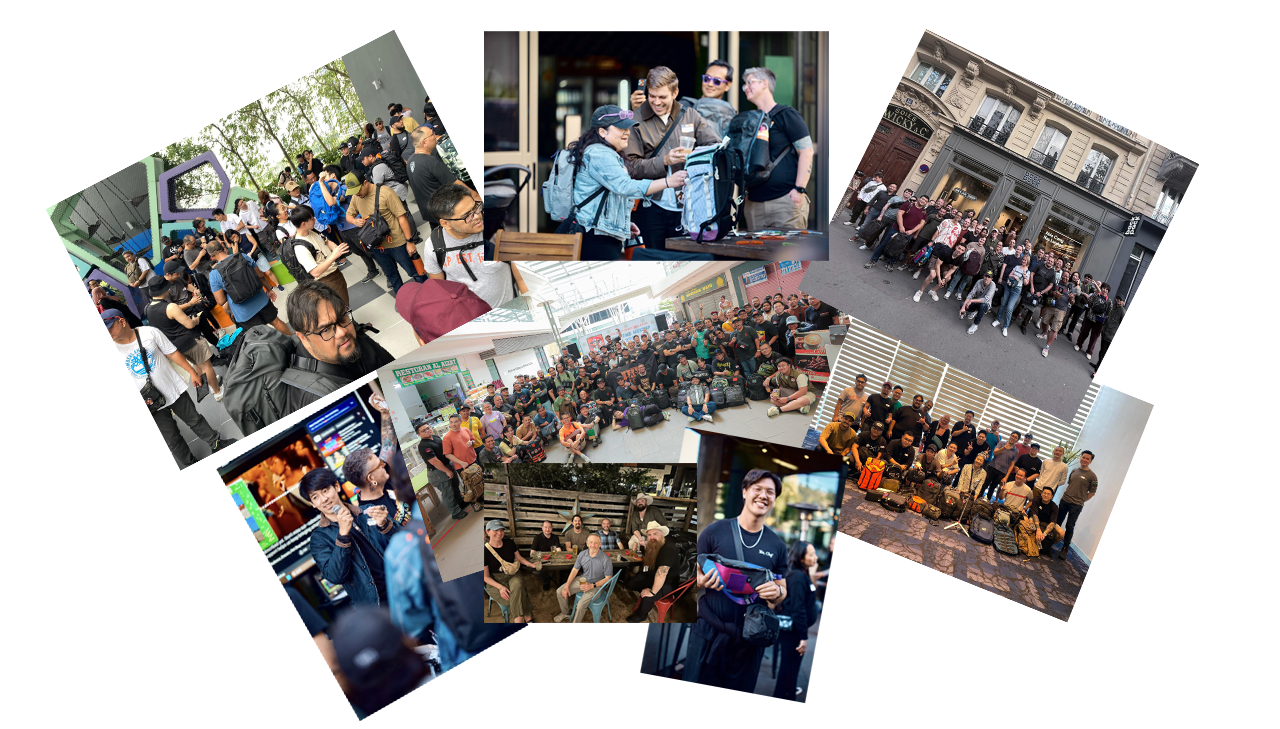
Beyond macro-level fashion trends, gear acts as a micro-social catalyst. Specialized community gatherings, such as everyday carry meetups, demonstrate how material objects facilitate interpersonal connection among strangers. A shared interest in the design, provenance, or utility of a pocket knife, watch, or backpack bridges social divides, sparking conversations that frequently evolve into lasting personal relationships. Furthermore, the deliberate selection of attire for specific social or professional occasions communicates respect, situational awareness, and an understanding of contextual norms.
Implications for Sustainable Consumption and Design
Recognizing that everyday gear fulfills complex psychological, narrative, and social functions has profound implications for modern manufacturing, sustainable design, and consumer habits. In an era defined by fast fashion and disposable consumer electronics, products engineered exclusively for short-term behavioral performance often generate high environmental turnover.
Conversely, manufacturers who design intergenerational objects—items built to endure physical degradation while simultaneously accumulating emotional and narrative value—foster deeper consumer stewardship. When an object is perceived as an extension of the self and a repository of personal history, the threshold for replacement rises significantly. This psychological attachment directly combats the linear extract-produce-discard economic model, encouraging repair, maintenance, and circular sustainability.
Ultimately, when consumers and reviewers evaluate equipment solely through the prism of price and performance, they overlook the majority of an object’s operational value. Physical goods do not merely solve mechanical problems; they regulate emotional states, preserve human memory, project identity, and forge community bonds. By acknowledging the full spectrum of functions that material objects perform, consumers can make more intentional purchasing decisions, recognizing that the most valuable gear is frequently measured not by its technical specifications, but by the life lived alongside it.